
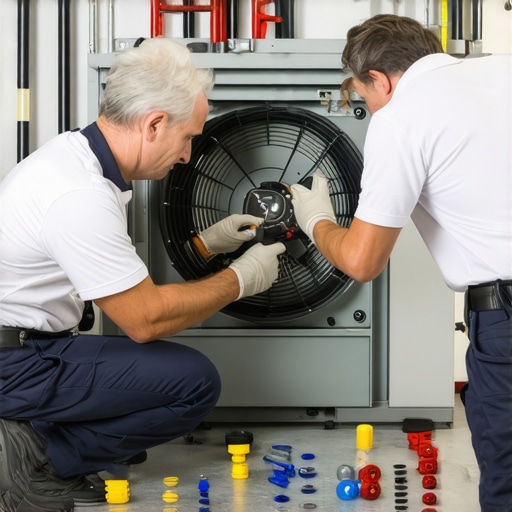
It was a muggy Saturday afternoon when I realized my central air unit was more noisy than usual—gurgling sounds and a slight musty smell seeped into my living room. At first, I brushed it off, thinking maybe it’s just a minor glitch. But then, the air started to feel warmer despite the thermostat being set low. That’s when I experienced my lightbulb moment: my AC’s drain line was clogged, risking a costly breakdown. Have you ever faced that frustrating moment when your cooling system seems to betray you during the hottest part of the year? You’re not alone, and more importantly, you’re not helpless. Today, I’m going to show you how to clear that stubborn clog in your air conditioner’s drain line, saving you both headaches and cash.
Why a Clogged Drain Line Can Turn Your Summer Upside Down
Dealing with a clogged drain line isn’t just about avoiding minor inconveniences. It can lead to water damage, mold growth, and even compressor failure if left untreated. When the drain line gets blocked, excess moisture can’t escape, causing water to back up and leak into your system or home. I learned this the hard way early on—my mistake was overlooking the importance of regular maintenance, which is a common trap for many homeowners. I thought a quick cleaning or occasional flush would be enough, but neglecting true preventive measures? That’s a mistake I don’t want you to make.
Did you know that according to the U.S. Department of Energy, maintaining your AC system can improve efficiency and reduce energy consumption by up to 15%? Regular upkeep isn’t just good practice—it’s money in your pocket. So, if you’re tired of battling these issues each summer and want a way to fix it yourself, then keep reading. I’ll guide you through simple, effective steps to clear your drain line and get your AC back on track. Before we jump into the how-to, I want to address a common concern I had early on—”Is DIY draining really worth it?” Let’s dive into that next.
Gather Your Tools Before You Start
First, collect essential tools: a wet/dry vacuum, a screwdriver, a funnel, and some distilled white vinegar. I learned this the hard way when I started blindly poking around without proper equipment, causing more mess than progress. Having everything ready saves time and prevents unnecessary frustration.
Locate the Drain Line Exit
Find where the drain line exits your home—usually near the condenser outside or in a utility closet. Think of it like finding the drain plug of a bathtub; it’s the pathway for removing excess moisture. Use a flashlight if needed, and gently inspect the pipe for any visible blockages or debris.
Disconnect the Drain Line Safely
Use a screwdriver to loosen the clamp securing the drain line, and carefully detach it. Be prepared for some water to drip out—wear gloves and have a towel handy. This step is crucial; rushing can damage the pipe or cause water to spill into unwanted areas, making a bigger mess. I once hurried and ended up with a flooded floor, so take your time.
Clear Main Clogs with a Vacuum
Attach your wet/dry vacuum over the drain pipe opening and seal it tightly. Turn on the vacuum to suck out the clog—kind of like unclogging a straw. If the vacuum is strong enough, it can pull out stubborn debris. I tried this method when my drain was blocked by dirt buildup, and it immediately restored proper flow, saving me a service call.
Flush the Line with Vinegar and Water
Pour about a cup of distilled white vinegar into the drain line using a funnel, followed by warm water. This helps dissolve mold, algae, or soap scum causing the blockage. Let it sit for 10-15 minutes before flushing with more warm water. I found this step particularly effective in preventing future clogs and maintaining good airflow.
Reconnect and Test the System
Secure the drain line back in place with the clamp and ensure it’s tight. Turn on your AC to verify proper drainage. Check for leaks and signs of water backing up. If everything flows smoothly, you’re done! If not, repeat the process or consider contacting [same-day appliance repair](https://discountappliancehub.com/scheduling-your-appliance-repair-for-same-day-service-in-2025) for professional help.
Tips to Prevent Future Clogs
Schedule regular maintenance, replace filters, and avoid pouring grease or debris down the drain. Think of it like cleaning your gutters before a storm—prevention is cheaper and less messy than repairs. Regular inspections can save you the headache of emergency repairs, which can often be avoided with proactive care. For reliable service, see how [warranty-backed appliance services](https://discountappliancehub.com/warranty-backed-appliance-services-you-can-rely-on) operate and when to call experts.
By following these steps, you can handle most drain line clogs yourself, saving time and money. Remember, always prioritize safety and patience—rushing can worsen issues. For complex problems or recurring problems, professional assistance ensures your system stays in top shape and continues to run efficiently.
When it comes to appliance warranties, same-day services, and installations, many homeowners have misconceptions that could cost them time and money. Let’s dig deeper into some nuanced realities that often fly under the radar. Contrary to popular belief, a warranty isn’t a free pass to neglect maintenance; in fact, *neglecting regular upkeep can void your warranty*—a trap many fall into, thinking coverage is automatic. According to Consumer Reports, nearly 30% of warranty claims are denied due to improper care, emphasizing the importance of understanding your policy’s fine print.
One common myth is that same-day service equates to instant fixes. While many providers advertise quick turnarounds, the reality is that *verified technician availability and parts procurement often dictate actual timing*. Rushing into an appointment without verifying if the technician is genuinely qualified can lead to subpar repairs. An expert approach involves asking detailed questions or consulting trusted service providers, like those outlined in our guide on [how to verify if your appliance technician is factory authorized](https://discountappliancehub.com/how-to-verify-if-your-appliance-technician-is-factory-authorized).
Installing an appliance might seem straightforward, but the devil is in the details. Many overlook *the importance of precise leveling and proper venting*, which can cause long-term issues like uneven cooking or premature component failure. For instance, improper microwave installation might lead to poor signal reception or safety hazards. Advanced homeowners should consider the nuances of installation procedures detailed in resources such as [how to ensure reliable appliance installation in 2025](https://discountappliancehub.com/how-to-ensure-reliable-appliance-installation-in-2025).
Another pitfall involves assuming all warranty-supported repairs are affordable. Some believe warranties mean free repairs, but *many plans include service call fees or deductibles*. Recognizing these costs upfront, perhaps by reviewing [top tips for same-day service warranty coverage](https://discountappliancehub.com/top-tips-for-same-day-service-warranty-coverage), helps set proper expectations.
Additionally, the misconception that any repair done quickly is necessarily better can be misleading. Quick fixes might overlook underlying issues, leading to recurring problems and higher long-term costs. A thorough assessment, as advocated by professionals in [expert guide to appliance repair and installation today](https://discountappliancehub.com/expert-guide-to-appliance-repair-and-installation-today), ensures lasting solutions.
Let’s not forget the importance of understanding *the nuances of warranty claims*. Homeowners often hesitate to initiate claims, fearing delays or denials. However, being proactive—like documenting issues thoroughly or understanding your coverage—can expedite repairs. Check out [the secret to filing a successful appliance warranty claim](https://discountappliancehub.com/the-secret-to-filing-a-successful-appliance-warranty-claim) for insider tips.
Have you ever fallen into this trap? Let me know in the comments. Recognizing these subtle but critical truths ensures you maximize your appliance investments and avoid preventable mistakes. Remember, the devil is in the details, and a knowledgeable homeowner can turn these common misconceptions into strategic advantages for efficient, cost-effective appliance management.Maintaining appliances efficiently requires the right tools and a strategic approach. Over the years, I’ve honed my toolkit to include specific equipment that not only saves time but ensures long-term performance. My go-to device is a high-quality digital multimeter, which I use daily to quickly diagnose electrical issues—understanding voltage and continuity with precision. For cleaning and preventive maintenance, I prefer a professional-grade microfiber cloth and a soft-bristle brush, enabling me to remove dust and grime without risking damage. When it comes to clearing clogs or inspecting hard-to-reach areas, a compact, flexible inspection camera with a LED light has been indispensable for pinpointing problems inside ducts or behind panels. Its resolution helps me identify issues without unnecessary disassembly, saving hours and preventing accidental damage. For fluid management, I use a calibrated funnel with a built-in measure to deliver precise amounts of vinegar or cleaning solutions into drains or filters, ensuring effective cleaning without excess waste. Software-wise, I rely on troubleshooting guides and diagnostic apps that are regularly updated with manufacturer specifications—files and protocols I consult to ensure repairs adhere to the latest standards. In the future, I predict these digital diagnostics and remote monitoring tools becoming more integrated, enabling proactive maintenance before issues escalate. For example, smart sensors can alert homeowners to minor anomalies, guiding timely intervention that prolongs appliance lifespan.
How do I maintain this toolkit over time?
Regular calibration of my multimeter and inspection camera ensures accuracy, while cleaning tools like brushes and cloths are replaced semi-annually to prevent contamination. Updating diagnostic software ensures I have the latest troubleshooting information, which is critical given evolving appliance technology. I schedule periodic inspections of my tools to detect wear and tear early, avoiding unexpected failures during repairs. This proactive maintenance of my equipment forms the foundation of delivering reliable, same-day appliance repairs and installations—saving homeowners from unnecessary downtime. Consistency in tool care and staying informed about technological advancements, such as new diagnostic protocols, helps me offer trusted service backed by industry standards. If you’re interested in stepping up your maintenance game, try calibrating your multimeter today using manufacturer instructions or a reliable reference like the UL standards for electrical testing equipment—more info is available in the UL’s detailed calibration guidelines. Maintaining your tools not only improves repair accuracy but also boosts your confidence when tackling complex appliance issues. To explore how advanced diagnostic tools can transform your repair process, visit our suggested resource on [how to ensure reliable appliance installation in 2025](https://discountappliancehub.com/how-to-ensure-reliable-appliance-installation-in-2025), and consider integrating some of these technologies into your toolbox.
How I Discovered the Value of Detailed Knowledge Over Quick Fixes
Early in my repair journey, I learned that rushing to fix an appliance without understanding its nuances often leads to repeat visits. The lightbulb moment came when I realized that tracking the exact model and understanding its common failure points saved me time and effort in the long run. This taught me to prioritize thorough diagnosis over immediate fixes.
Why Relying Solely on Warranty Support Can Be a Double-Edged Sword
While warranties protect your investment, I learned the hard way that they often come with strings attached, like service fees or restrictions on repairs performed by non-authorized technicians. Knowing your warranty’s specifics helps you avoid surprises and empowers you to decide when professional help is genuinely necessary.
The Wisdom of Building a Personalized Toolbox for Appliance Troubleshooting
From multimeters to inspection cameras, assembling tools tailored to common appliance issues has been a game-changer. Investing in quality equipment and maintaining it meticulously pays dividends, as it enables faster diagnostics and reliable repairs, fostering trust with clients and saving money on unnecessary service calls.
The Power of Preventive Measures Beyond Routine Maintenance
Scheduling regular checks, replacing filters proactively, and understanding the signs of wear can prevent costly breakdowns. I’ve learned that preemptive actions are far more economical than reactive repairs, especially during peak seasons when appliance failures are most stressful.
Making Use of Trusted Resources and Continuous Learning
Staying updated with manuals, manufacturer updates, and industry forums has provided insights I couldn’t get elsewhere. For example, following official troubleshooting guides ensures repairs align with the latest standards, reducing the risk of voiding warranties or causing damage.
Embracing the Unexpected as a Path to Expertise
Some of my most valuable lessons came from encountering unusual problems. Each unexpected challenge forced me to think creatively, deepening my understanding of appliance systems and sharpening my troubleshooting skills. This mindset transforms obstacles into opportunities for growth.
Where To Go from Here
To elevate your repair skills, consider integrating diagnostic tools, staying informed through trusted resources, and adopting a proactive approach to maintenance. Remember, mastery comes with experience and curiosity. If you want seamless, reliable service for your appliances, exploring options like [same-day appliance repair with warranty support](https://discountappliancehub.com/scheduling-your-appliance-repair-for-same-day-service-in-2025) ensures you’re covered when unexpected issues arise.
Let’s Keep the Conversation Going
Have you ever faced a repair challenge that changed your approach for the better? Share your lessons below—I’m excited to hear your stories and continue learning together about maintaining and repairing appliances effectively.