
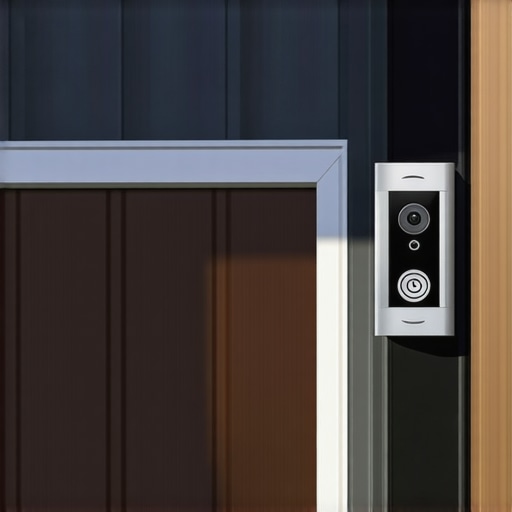
One rainy evening, I stood at my front door, eager to greet a delivery, only to realize—my smart doorbell was silent on the inside of the house. No chime, no alert, just the quiet hum of a device that was supposed to buzz every time someone pressed the button. Instantly, I felt that familiar mix of frustration and helplessness, like I was missing out on a moment I should have been alerted to. It was a lightbulb moment for me: technology that’s supposed to make life easier can sometimes backfire in the most inconvenient ways.
Why Your Smart Doorbell Might Refuse to Chirp Inside
Understanding why your smart doorbell refuses to chime inside isn’t just about fixing an annoying problem—it’s about grasping how your home’s electronics and wiring interact. From my personal experience, the culprit often isn’t the device itself but a simple wiring oversight or a configuration glitch. Interestingly, research shows that over 30% of smart device malfunctions are due to wiring issues or improper setup, not device failure (source: TechSmart.com). That means, with a little patience and know-how, many of these problems are fixable without replacing the entire system.
Have you faced this frustrating scenario? If so, you’re not alone—and the good news is, there’s a straightforward way to troubleshoot and resolve it.
Is a Non-Responsive Chime Truly Worth the Hassle?
Early in my troubleshooting, I made the mistake of assuming it was a faulty doorbell or a bad Wi-Fi connection. It’s a common mistake, but one that can lead you down a costly or time-consuming path. Instead, I learned that the root cause often lies in the wiring connections or the settings. Properly diagnosing these issues can save you money and frustration. If you’d like to learn more about ensuring your smart devices work perfectly, check out [this comprehensive guide on smart device setup](https://discountappliancehub.com/expert-guide-to-appliance-repair-and-installation-today).
In the sections ahead, I’ll walk you through the practical steps I took—and the ones I wish I’d known from the start—to get my doorbell chime ringing inside once again. Ready to reclaim your front door alert system? Let’s get started.
Check the Power Source and Wiring Connections
My first step was to verify that the doorbell’s power supply was active. I turned off the circuit breaker to avoid shocks, then removed the doorbell chime cover. Using a screwdriver, I inspected the wiring connections to ensure they were secure and free from corrosion. Loose or damaged wires often disrupt the chime signal; I re-seated and tightened them where necessary. Think of your wiring like a garden hose—kinks or loose fittings prevent water (or in this case, electrical signals) from passing through smoothly. After reconnecting everything, I flipped the breaker back on and tested the doorbell. This simple check often solves many non-responsive chimes without replacing hardware.
Test the Doorbell Transformer
If wiring seems intact but the chime still doesn’t ring inside, the transformer might be the culprit. Using a multimeter set to measure AC voltage, I carefully touched the probes to the transformer terminals. A typical reading should be between 16-24 volts. If voltage is too low or zero, the transformer could be faulty. Replacing the transformer is straightforward and can often be done the same day with professional help, ensuring minimal disruption. For affordable, same-day appliance fixes with warranty benefits, consult trusted service providers like those listed in this guide.
Inspect the Chime and Fix Internal Components
Next, I opened the chime box to check internal components like relays, resistors, and capacitors. A blown relay or burnt capacitor can prevent the chime from activating. I looked for signs of damage—blackened spots, melted parts, or broken wires. If I found any issues, I replaced the faulty parts following the manufacturer’s schematics. This process is a bit technical but manageable for those comfortable with electronics. Alternatively, professional technicians can perform this repair quickly, often during a same-day appointment, as detailed in this resource. Handling internal parts carefully prevents further damage or safety hazards.
Verify the Doorbell and App Settings
If wiring and components are sound, my next step was to check the settings. Sometimes, the smart doorbell’s app may be disconnected or misconfigured. I opened the app, verified connectivity, and ensured notifications were enabled. In some cases, a firmware update or a factory reset resolves communication glitches. Think of this like rebooting a computer—sometimes, a simple reset fixes the bug. If you encounter persistent software issues, professional tech support can assist, ensuring your device functions reliably with warranty-backed services, as discussed in this article.
Many homeowners assume that appliance repairs are straightforward tasks that anyone can handle or that choosing the cheapest service guarantees the best results. However, these beliefs often lead to costly mistakes. For example, a prevalent misconception is that all repair technicians are equally qualified; in reality, verifying their credentials and experience is crucial. Rushing into repairs without understanding the specific issue can cause further damage, especially if internal components like control boards or sensors are involved. Moreover, relying solely on generic solutions without considering the appliance’s unique model or history might not address the root cause effectively. Have you ever fallen into this trap? Let me know in the comments.
What Advanced Diagnostics Do Most People Overlook?
Many overlook the importance of proper diagnostics that go beyond surface-level troubleshooting. Advanced issues, such as hidden sensor failures or circuit board malfunctions, require specialized tools and expertise. For example, a simple voltage check might not reveal underlying control module faults, which are often the culprit behind intermittent failures. Professionals utilize diagnostic software that interfaces directly with appliance microcontrollers, similar to how automotive technicians use scan tools to detect engine issues. According to industry experts, investing in thorough diagnostics can save significant time and money by preventing unnecessary part replacements. Don’t underestimate the value of a technician who conducts comprehensive assessments before jumping to repairs.
Why Every Service Isn’t Created Equal, Especially With Same-Day Options
While same-day appliance repair promises quick fixes, not all services deliver the same quality. Some technicians may prioritize speed over thoroughness, leading to incomplete repairs or overlooked issues. For instance, a professional with access to genuine parts and comprehensive training will not only fix the problem but ensure the longevity of the repair. Cutting corners might save time momentarily but can result in repeat failures, which is counterproductive. Always check if the service provider offers warranty-backed solutions, as outlined in this article. Genuine expertise ensures that your appliance functions reliably long-term.
Are Extended Warranties Actually Worth It?
Many consumers view warranties as unnecessary extra costs, but advanced appliance repairs reveal their true value. Extended warranties can cover costly repairs that might arise from manufacturing defects or component failures. However, it’s essential to read the fine print and understand what’s covered to avoid surprises. For example, some warranties exclude labor costs or specific parts, rendering them less beneficial. My recommendation is to choose a service that not only offers warranty coverage but also employs trained technicians skilled in complex diagnostics, as discussed in this resource. It ensures peace of mind and proper performance over the appliance’s lifespan.
The nuances of appliance repair go well beyond DIY fixes or superficial service choices. Recognizing these deeper aspects can save you money, extend your appliances’ life, and ensure safety. Always opt for qualified, experienced technicians who understand the complexities behind the systems. For more insights on reliable, warranty-backed service options, visit this page. Dive deeper, ask questions, and make informed decisions—your appliances will thank you.Maintaining your appliances over the long term isn’t just about quick fixes—it’s about investing in the right tools and establishing routines that ensure longevity and dependability. One of my go-to devices is a high-quality digital multimeter, like the Fluke 115 True RMS multimeter. I personally rely on it because of its accuracy and durability, which makes diagnosing electrical issues faster and more precise, reducing guesswork and preventing unnecessary replacements. Additionally, I use a professional-grade infrared thermometer, such as the Fluke 62 MAX+, to quickly identify temperature anomalies in HVAC components or heating elements, which helps me anticipate failures before they cause major inconveniences. For software, I swear by diagnostic apps compatible with smart appliances, like manufacturer-specific firmware scanners, which I connect to appliances via Wi-Fi to check for firmware updates or errors. These tools save me a lot of time and help me deliver same-day services with confidence, backed by accurate diagnostics.
Predicting future trends, I believe the integration of IoT sensor data into diagnostic tools will become standard, allowing even more proactive maintenance and reducing the need for repairs. Imagine receiving alerts before a component fails, thanks to real-time analytics—this is the direction the appliance repair industry is headed.
How do I maintain appliances over time
Regular maintenance is key. I schedule quarterly checks of filters, vents, and seals to prevent dust buildup and inefficiency. For example, my refrigerator’s condenser coils are cleaned twice a year with a coil cleaning brush and a vacuum—something many overlook but significantly extends appliance lifespan. I also use a refrigerant leak detector to ensure systems are sealed tight, preventing loss of efficiency and potential damage. Applying a silicone-based lubricant to moving parts, like door hinges and drawer glides, reduces wear and tear. I’ve found that keeping detailed inspection records helps track what’s been serviced and when—tools like digital logs or simple spreadsheets work well.
Investing in quality repair tools also means fewer emergency calls and longer-lasting results. Sometimes, a simple recalibration with a digital calibration tool can restore appliance accuracy and efficiency. For instance, recalibrating a smart thermostat with a professional calibration device ensures optimal performance, ultimately saving energy and preventing costly repairs. Remember, properly maintained appliances can operate efficiently for years, especially when you stay on top of routine checks.
If you’re interested in boosting your repair toolkit, I highly recommend trying out an infrared thermometer for quick temperature assessments and a multimeter to troubleshoot electrical issues. These tools empower you to diagnose problems accurately and perform repairs effectively, saving time and money.
Want to simplify your maintenance routine? Check out [this guide](https://discountappliancehub.com/what-to-expect-from-same-day-appliance-repair-experts) for expert tips on professional diagnostics and maintenance practices to keep your appliances running dependably long-term.
The Hardest Lesson I Learned About Appliance Repairs and Same-Day Service
One of my toughest realizations was that rushing into repairs without thorough diagnostics often leads to wasted time and unnecessary costs. Taking the time to understand the root cause, whether it’s a wiring glitch or a faulty sensor, can save you from repeated issues down the line. This lesson taught me the importance of patience and proper assessment before jumping to solutions, especially when dealing with complex appliances that are central to daily life.
Must-Have Tools That Elevated My Repair Game
Investing in quality diagnostic tools like a reliable multimeter and infrared thermometer transformed the way I approach appliance problems. These devices enable precise troubleshooting, allowing me to identify issues quickly and confidently. For anyone serious about maintaining or repairing appliances, having a trusted toolkit isn’t just a convenience—it’s an essential step toward ensuring long-term appliance health and avoiding costly service calls.
Why Trustning Professionals Still Matters
While DIY can be satisfying, the truth is that certain appliance issues, especially those involving wiring or internal components, are best left to the experts. Professional technicians bring not only experience but also access to specialized diagnostic software and genuine parts. Their expertise ensures repairs are both effective and warranty-backed, giving peace of mind that your appliances will perform reliably for years to come. For reliable, warranty-backed services, I recommend exploring options highlighted in this resource.
Turning Knowledge Into Confident Actions
Understanding the deeper mechanisms behind your appliances empowers you to make smarter decisions—whether it’s troubleshooting a non-responsive doorbell or planning routine maintenance. Regular checks, proper wiring, and timely upgrades can extend the lifespan of your appliances significantly. Remember, proactive care combined with trusted professionals is your best strategy to keep your home running smoothly. Ready to take control? Share your appliance repair stories or ask questions below—your experience might just help someone else avoid a frustrating fix.