
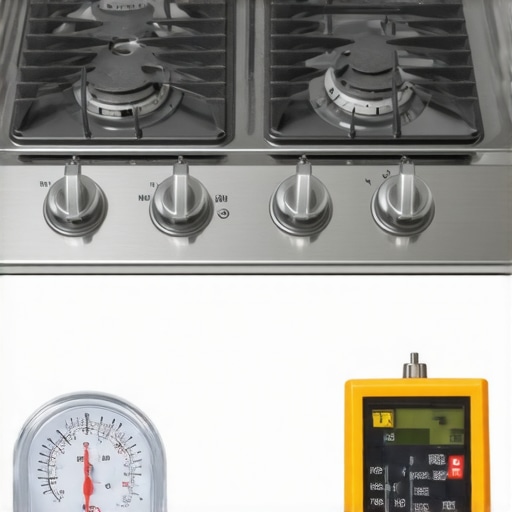
It was a morning like any other, until I noticed my brand-new gas range was taking longer to cook breakfast, and the flame seemed inconsistent. A quick glance revealed uneven flames and a strange smell—alert signals that I had overlooked something crucial during installation. That lightbulb moment made me realize: skipping professional calibration isn’t just a minor oversight; it can pose real safety hazards. Today, I want to share my experience and highlight why ensuring proper calibration of your new gas range is a must, not an afterthought.
Why Ignoring Calibration Can Cost You More Than Just Time
When installing a new gas range, many people, including myself early on, focus on the quick setup or following vague instructions. But what often gets neglected is the calibration process—adjusting burners, flames, and sensors to optimal standards. Skipping this step might seem harmless, but it can lead to uneven cooking, higher gas consumption, and, more alarmingly, safety risks like gas leaks or incomplete combustion. I learned this the hard way when my first range started emitting a noticeable smell, which turned out to be unsafe levels of carbon monoxide due to improper calibration. That experience taught me that calibration isn’t just a technical detail—it’s a safety measure.
Is Professional Calibration Really Necessary?
A common skepticism I hear is whether DIY calibration or warranty services are enough. Honestly, I tried a few quick adjustments myself, only to realize I lacked the expertise and proper tools required for safe and effective calibration. A mistake I made early on was assuming that the factory settings would be perfect—that’s a costly misconception. Professional calibration ensures your appliance meets safety standards and performs efficiently. For more insights on reliable appliance installation, check out this detailed guide.
Have you ever faced issues with your gas range that you later discovered were calibration-related? If so, you’re not alone. Many homeowners underestimate how critical proper calibration is to safety and performance. Next, I’ll walk you through how to identify if your range needs professional help and what steps to take to keep your home safe and your cooking on point.
Gather the Necessary Tools and Prepare Your Workspace
Before diving into calibration, ensure you have the right tools, such as a precise screwdriver, a multimeter for sensor tests, and a gas leak detector. Clear the area around your range to allow easy access and prevent accidents. Remember, safety first—turn off the gas supply before starting any adjustments to avoid leaks or exposure to hazardous fumes. I learned this the hard way when I started working on my range without shutting off the gas, resulting in a rush to find a leak detector and reassemble everything safely.
Identify Calibration Points on Your Range
Locate the adjustment screws or knobs—these are typically at the base of burners or behind the control panel. Consult your model’s manual, or search online with your range’s make and model for specific instructions. For my stove, I found calibration screws hidden behind removable panels; marking their positions before adjusting helped me revert if needed. Recognize the difference between airflow adjustment screws and mixture screws, as each affects flame quality differently.
Adjust the Air and Gas Mixture for Each Burner
Light each burner and observe the flame—aim for a steady, bluish flame with minimal orange tips. Use your screwdriver to turn the air intake screw counterclockwise to increase airflow if the flame is yellow or uneven. Conversely, turn clockwise to reduce excess air. For the gas valve, adjust the mixture screw for a balanced flame—if the flame fluctuates or produces soot, fine-tune the gas flow accordingly. During my adjustment, I kept a small notebook noting each turn to replicate successful settings across burners, avoiding guesswork in future calibrations.
Test Flame Stability and Proportions
After adjustments, turn off and restart the burners to verify consistent flames. A stable, blue flame indicates proper calibration; a yellow or flickering flame suggests further tweaks are necessary. Use a match or a lighter to check if the flame remains steady without surging or extinguishing unexpectedly. This step is crucial because an unsteady flame can be a safety hazard or cause uneven cooking—something I experienced firsthand when my stove kept flickering, leading me to recheck and fine-tune the calibration screws.
Verify Safety and Functionality
Once satisfied with flame quality, double-check for gas leaks by spraying a soapy water solution around fittings—bubbles indicate leaks. Reassemble any removed panels and turn on the gas supply. Test all burners to ensure they ignite promptly and burn steadily. During my calibration, I used a gas leak detector to confirm no leaks occurred after adjustments, providing peace of mind and ensuring safe operation. Regularly repeating this process can prolong your appliance’s lifespan and maintain safety standards.
Consider Professional Calibration When in Doubt
If, after repeated attempts, your flames remain uneven or safety concerns persist, don’t hesitate to reach out to a professional. Expert technicians possess specialized tools and knowledge to calibrate your range precisely and troubleshoot complex issues. I’ve learned that attempting DIY fixes beyond my expertise can sometimes cause more harm than good; when I couldn’t get my range to stabilize after several tries, I scheduled a professional calibration service through trusted local technicians. Proper calibration ensures your appliance operates safely, efficiently, and reliably, preventing costly repairs and potential hazards.Many homeowners believe that appliance warranties and same-day service are straightforward solutions that guarantee hassle-free fixes, but the reality is far more nuanced. A common myth is that warranties cover all repair costs indefinitely; in truth, many warranties have limitations, exclusions, or require specific conditions to be met, which can catch users off guard during emergencies. For example, some warranties exclude repairs on damages caused by improper installation or neglect, so understanding the fine print becomes crucial. Moreover, assuming that same-day service is always available or equals expert-level repair is another pitfall. While many companies offer quick turnaround times, the quality of diagnostics and repairs can vary significantly—it’s essential to verify whether the technician is properly trained and authorized, which directly impacts the repair’s durability. A poorly executed repair might appear satisfactory initially but can lead to recurring issues or safety hazards later. Experts highlight that inspecting the technician’s credentials and the company’s reputation can save you time and money, a tip supported by industry studies from organizations like the Appliance Manufacturers Association.
What Advanced Factors Should You Consider Beyond Basic Service Guarantees?
For savvy homeowners, it’s vital to look beyond surface-level promises. For instance, professional installation can significantly influence the lifespan and safety of your appliances. Skipping this step or opting for non-certified installers might lead to issues like improper venting or electrical connections, which can cause expensive damage or pose safety risks. To ensure reliable installation, it’s advisable to consult sources like this guide. Additionally, understanding the nuances of warranty coverage—such as what components are protected and what voids the coverage—can prevent disappointment when repairs are needed most. A key mistake homeowners make is neglecting regular maintenance, which often voids warranties or complicates repair efforts. Be proactive: schedule periodic inspections and understand your warranty terms thoroughly. Don’t assume that quick fixes or vague assurances from repair companies are sufficient. Instead, do your due diligence by researching reviews, verifying credentials, and asking detailed questions beforehand. This approach is proven to reduce unexpected costs and extend the functional life of your appliances, as supported by recent industry analyses.
Have you ever fallen into this trap? Let me know in the comments.
Investing in Precision: My Top Tools for Maintenance
To ensure my appliances stay in top shape, I rely on a set of dedicated tools that offer precision and reliability. First, a high-quality multimeter like the Fluke 117 allows me to verify electrical connections and troubleshoot sensor issues accurately, preventing guesswork and potential hazards. I also use a digital infrared thermometer to check surface temperatures on ranges and ovens—this helps me detect uneven heating or faulty thermostats before problems escalate. For cleaning and preventive maintenance, a soft, anti-static brush is invaluable for gently removing dust and debris from delicate components without risking damage. These tools aren’t just gadgets; they’re investments in safety, efficiency, and peace of mind, making routine maintenance more manageable and accurate.
Streamlining Repairs with Software and Records
Beyond physical tools, I utilize specialized repair management software like RepairDesk, which helps me track appliance histories, warranty details, and scheduled maintenance. Keeping detailed digital records ensures that I don’t repeat unnecessary repairs, and it simplifies the process when professional service is required. For example, knowing the last calibration date or recent sensor replacements can speed up diagnostics. As technology advances, I predict that integrating IoT diagnostics will become standard, allowing appliances to self-report issues proactively. Staying ahead with these digital tools keeps my maintenance routine efficient and minimizes downtime.
Recommended Maintenance Routine for Longevity
Developing a consistent maintenance schedule is crucial. I recommend scheduling a thorough inspection every six months, including cleaning filters, checking for leaks, and testing safety features. This proactive approach catches minor issues early, saving money and preventing fixture failures. Regular calibration of gas burners, for instance, can extend their lifespan and ensure safety. Refer to industry guidelines or consult your appliance manual; in some cases, professional calibration is the only way to guarantee optimal operation. For more advanced tips, consider scheduling your repair visits in advance with trusted professionals through this scheduling service. Consistency is key—think of it as routine health checks for your home appliances.
How do I maintain my appliances over time to prevent costly breakdowns?
One effective method is to implement a regular calibration and inspection routine, which ensures that appliances operate at peak efficiency and safety. Using diagnostic tools like a multimeter or infrared thermometer allows you to identify issues early. Maintaining detailed records via repair management software simplifies troubleshooting and warranty claims, ensuring quick responses when professional help is needed. Additionally, staying informed about the latest technological advancements can help you adopt IoT-based diagnostics and preventive maintenance practices. Regular, proactive care saves money and extends your appliances’ lifespan, making your home safer and more efficient.
What I Didn’t Expect to Discover About Reliable Appliance Care
During my journey, I realized that professional calibration isn’t just a technical step but a vital safeguard for my family’s safety—a lesson I learned after struggling with an unevenly burning stove. I also discovered that DIY fixes might seem tempting, but they can end up costing more in the long run when safety is compromised. The importance of proactive maintenance and understanding warranty details transformed my approach to appliance care, making me a more informed homeowner. Lastly, I learned that developing a set of trusted tools and staying updated with industry insights empowers me to handle issues confidently and avoid costly emergencies.
My Toolkit for Appliance Confidence
Over time, I’ve come to rely on tools like a high-precision multimeter for electrical diagnostics, a digital infrared thermometer to ensure even heating, and a gas leak detector for safety checks. These tools have become indispensable because they offer accurate readings and help me identify issues early. I also trust resources like the Expert Guide to Appliance Repair and Installation for practical advice. They make complex procedures understandable, guiding me through essential maintenance routines without guesswork.
Your Next Step Starts Today, Not Tomorrow
I urge you to take action now—invest in proper calibration and regular maintenance for your appliances. Whether it’s scheduling a professional calibration or learning how to perform simple checks yourself, your safety and peace of mind depend on proactive care. Remember, maintaining your appliances isn’t just about extending their lifespan; it’s about protecting your home and loved ones. Share your experiences below—have you ever relied on DIY fixes that turned into bigger issues? Your story might inspire others to prioritize safe, proper appliance care.