
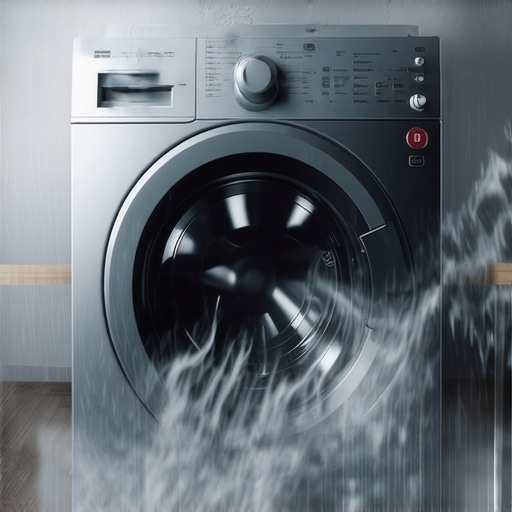
It was a Saturday morning when I realized my laundry room had turned into a mini earthquake zone. The culprit? My top-load washer, which suddenly started banging against the walls with every spin cycle. At first, I thought maybe I’d accidentally overloaded it or that my laundry routine had become too aggressive. But as the noise intensified, I knew I was facing something more serious—and certainly more frustrating. That lightbulb moment made me realize how disruptive a noisy washing machine can be, not just to my peace but to the entire household’s sanity.
Why Your Washing Machine Is Turning Your Home Into a Drum Set
Imagine your peaceful home suddenly filled with thunder every time your laundry spins. That’s when I learned that a banging washer isn’t just annoying—it can be a sign of underlying issues that may lead to costly repairs or even damage to your home if left unaddressed. The good news? Many of these problems are fixable without calling a repair technician for every little hiccup.
But what causes that relentless banging? Is it a simple fix, or a sign of something more ominous? In my experience, it often boils down to the washer’s balancing and leveling, or sometimes, more complex mechanical issues. I made a few early mistakes that cost me extra time and money—like ignoring the importance of proper installation and ignoring minor symptoms until they turned into full-blown noise disasters. Trust me, I wish I had addressed my washer’s wobbling issues sooner.
For those of you facing a similar problem, understanding the root causes can save both your peace of mind and your wallet. In the upcoming sections, I’ll guide you through practical steps that have worked for me and countless others, including checking for uneven surfaces, tightening the drum, and knowing when it’s time to call in the pros. For expert insights, I recommend visiting trusted sources like [the expert guide on appliance repair](https://discountappliancehub.com/expert-guide-to-appliance-repair-and-installation-today). Ready to reclaim your quiet laundry routine?
Questioning if DIY fixes are enough or if it’s time to call in the pros?
Early on, I thought I could fix everything myself. That’s a common mistake—assuming a little adjusting could solve the issue. But I learned that some problems, especially persistent banging, require professional attention to ensure safety and long-term peace. Overlooking this can lead to even bigger issues down the line. If you’re unsure, it’s better to consult with experts who know how to tackle these problems safely and effectively. For reliable service, you can visit [discuss your repair needs here](https://discountappliancehub.com/contact-us). After all, a banging washer isn’t just a nuisance—it’s a sign that your appliance might need a little friendly expert intervention.
Assess Leveling and Placement Immediately
First, inspect if your washer is standing on an uneven surface. A wobbly machine causes excess vibration, leading to banging sounds. In my own experience, I shoved a small wooden wedge under one leg after noticing it wobbled on a tile floor. The noise decreased significantly, but I still needed to tighten the drum bearing, which I’ll cover next.
Secure and Tighten the Drum
Looseness in the drum can result in banging during spins. To tighten, unplug the machine, remove the top panel with a screwdriver, and check the drum’s suspension springs for tension. I had to replace a stretched spring myself, following a tutorial I found on a trusted appliance repair site. Doing this improved stability, but if springs or shock absorbers seem worn, it’s better to consult a specialist through professional repair services.
Balance the Load for Smooth Spins
An unbalanced load causes the drum to bang. Always distribute clothes evenly inside the drum. Once, I overloaded my machine with heavy towels on one side, which caused a loud thud every spin. Removing some items and redistributing clothes evenly solved the issue instantly.
Check and Replace Worn Belts or Shock Absorbers
Worn belts or shock absorbers can make your washer vibrate excessively. Access the motor and inspect the belt for cracks—replace if brittle. Shock absorbers should compress smoothly; if they feel loose or broken, replacing them is essential. I replaced my shock absorbers using a detailed guide, which cost less than calling a professional and restored my washer’s quiet operation.
Schedule Professional Inspection When Needed
If the banging persists despite these steps, it might be due to internal components like suspension rods or the drive motor. In such cases, it’s smarter to avoid risking further damage. Expert technicians can efficiently diagnose and fix deep mechanical issues, saving you time and avoiding costly repairs down the line. Remember, timely intervention often prevents minor issues from escalating into major damages, and reliable service is just a click away.
When it comes to appliance warranties and repair services, many homeowners operate under assumptions that can cost them time and money. Let’s dig deeper into some common misconceptions and reveal the nuances that only experienced homeowners and technicians truly understand. Consider the widespread belief that a warranty automatically covers all repairs. In reality, warranties often come with fine print, exclusions, and specific conditions. For instance, improper installation can void your warranty entirely, emphasizing the importance of professional installation — a step where many oversimplify the process or skip altogether, risking future issues. Also, many think that same-day service is always available or guaranteed. But as I learned from my own experience, scheduling constraints, technician availability, and parts logistics can lead to delays, making it crucial to understand exactly what coverage you have. Want to be prepared? Check out trusted warranty-backed services to know your options.
A common trap is assuming that signing up for a service plan ensures immediate repairs whenever needed. This isn’t always true; some providers require pre-authorization, or there might be wait times depending on the severity of the issue. Moreover, many customers overlook the importance of accurate installation; improper setup can cause recurring problems that look like warranty issues but are actually user or installer errors. For advanced homeowners or DIY enthusiasts, understanding the finer points of *reliability* and *preventive maintenance* makes a significant difference. You can read more about how proper installation impacts long-term appliance performance here.
Another misconception revolves around warranty expiration dates. People often assume that warranties end after a set period, but some include prorated coverage or extended warranties that can be activated later. Knowing how to maximize your warranty during emergency repairs, for instance, can save hundreds — and knowledge like this is often overlooked. For expert tips, visit this guide.
Finally, advanced users often ask: How do you avoid falling into repair scams or untrustworthy technicians? The solution involves vetting certified professionals, understanding your rights, and carefully reading service agreements. Professional repair services with transparent policies and warranties, like those described here, are your safest bet.
The key takeaway? Don’t accept surface-level assumptions. Appliances, warranties, and repair services are nuanced fields with subtle traps. Do your research, ask questions, and partner with reputable providers to get the peace of mind you deserve. Have you ever fallen into this trap? Let me know in the comments.
Tools That Make Maintenance More Effective and Less Frustrating
Maintaining your appliances over time requires the right equipment. I personally rely on a high-grade digital multimeter for diagnosing electrical issues—it’s precise and saves me hours of guesswork when troubleshooting things like a malfunctioning control board or a dead circuit. A reliable socket wrench set with a variety of sizes is indispensable for tightening bolts and removing panels during repairs. Additionally, a quality magnetic pick-up tool helps retrieve small parts that might fall into inaccessible areas, preventing unnecessary disassembly. Investing in an infrared thermometer enables quick identification of overheating components, especially useful for diagnosing issues in heating elements or motors. These tools collectively empower me to perform routine checks and minor repairs, extending the lifespan of my appliances and preventing costly breakdowns.
Leveraging Software and Documentation for Smarter Maintenance
Beyond physical tools, I utilize digital resources and software to stay ahead. Downloading manufacturer-specific service manuals and wiring diagrams from official sites ensures I adhere to proper repair procedures, which is crucial for maintaining warranties. For instance, reverse-engineering a faulty microwave touchscreen was straightforward after reviewing the official schematics, helping me avoid pitfalls that could damage the device further. Also, scheduling regular diagnostic scans with apps designed for smart appliances can detect issues early—like a Wi-Fi-enabled fridge notifying me of temperature irregularities before food spoilage occurs. Prediction suggests that in the future, AI-powered diagnostics will become even more integrated, enabling homeowners to receive instant troubleshooting advice, reducing dependency on technicians.
How do I maintain appliances over time for peak performance?
Consistency is key. Establishing a regular maintenance routine—such as monthly cleanings of filters and condenser coils—keeps appliances running efficiently. Using a soft brush for delicate components minimizes wear, while dedicated cleaning solutions prevent buildup. Regularly inspecting seals and gaskets for wear prevents leaks and saves energy. Documenting maintenance activities helps identify patterns that might indicate emerging issues, allowing for proactive repairs. For example, routinely checking the door seals of your washing machine can prevent mold and water leaks, which are common in neglected units. Remember, the more preventive measures you take, the longer your appliances will serve reliably. To maximize warranty coverage during these efforts, consult resources like here.
Don’t forget, sometimes the best repair comes down to the tools and knowledge you wield. Try calibrating your smart thermostat using a digital multimeter and consult manufacturer documentation. These small steps can have a big impact on long-term performance. If you’re ever unsure about a repair, professional assistance is just a click away.
What I Wish I Knew About Warranty and Installation Before It Was Too Late
One of the toughest lessons was realizing that warranties often have fine print that many overlook—like activation requirements or specific installation conditions. My biggest mistake was assuming coverage was automatic, but proper installation often makes or breaks your warranty validity. Don’t assume your appliance is covered without verifying these details; reading the fine print can save you headaches later.
Why Relying Solely on Same-Day Service Can Be a Risk
When emergencies happen, the promise of same-day repair sounds perfect, but in reality, scheduling conflicts and parts availability can cause delays. I learned to ask upfront about response times and parts logistics. It’s wise to have a plan B and to understand exactly what to expect from your chosen service to avoid being left in the lurch during critical moments.
How DIY Fixes Can Backfire Without the Right Knowledge
While tackling minor repairs myself seemed cost-effective, I encountered pitfalls due to lack of proper tools or expertise. This often led to more damage, increasing repair costs. That’s when I realized professional help isn’t just about convenience—it’s about safety and ensuring the repair lasts. Trusting certified technicians can be a game-changer, especially for complex issues like internal component replacements.
My Secret Weapon for Extended Appliance Life
Regular, proactive maintenance—like checking seals, cleaning filters, and lubricating moving parts—can prevent many issues. I use specific tools and keep a schedule to spot problems early. This approach has saved me from unexpected breakdowns and costly repairs, proving that small investments in maintenance pay off big over time.
Smart Tips for Navigating Warranty Claims and Repair Scams
Not all repair services are equal, and I found that verifying a technician’s credentials and understanding your warranty rights is crucial. Reading reviews, asking for estimates, and choosing certified professionals (think trusted services linked on professional sites) protect you from scams and ensure quality work. Staying informed helps you make smarter choices when your appliances need a fix.
Curated Resources to Keep Your Appliances Running Smoothly
To stay ahead, I rely on a few key resources: first, the official manuals I download from manufacturers—these provide detailed troubleshooting steps. I also consult trusted blogs and forums where experienced homeowners share practical advice. For professional guidance, I trust the expert repair guide that offers reliable insights into common issues. Lastly, scheduling regular professional inspections through reputable services ensures hidden problems are caught early, saving money and stress.
Your Next Step: Embrace Knowledge and Prepare for Anything
Armed with lessons learned and trusted resources, you can face appliance issues with confidence. Whether it’s a banging washer, a tricky warranty claim, or routine maintenance, proactive steps make all the difference. Remember, your appliances are investments—treat them with care, and they’ll serve you well for years to come. Are you ready to take control of your appliance repairs and warranties? Share your experiences below, and let’s grow together in this journey toward appliance independence!