
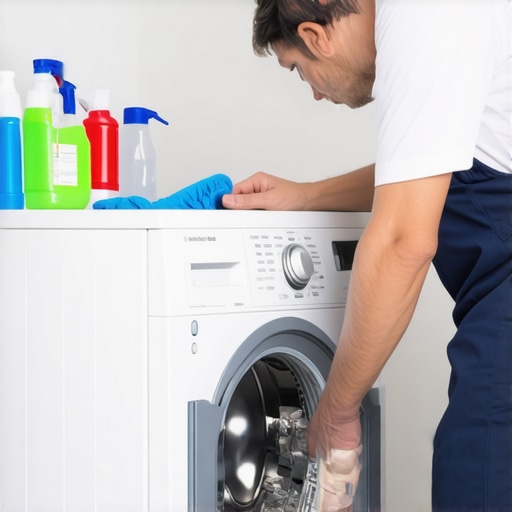
Ever opened your washing machine after a cycle and been hit with that unmistakable, stomach-churning smell of rotten eggs? I remember the first time it happened to me. I was in the middle of doing laundry, feeling confident about my cleaning routine, and suddenly, an unpleasant odor filled the room. It was a lightbulb moment—something wasn’t right, and I needed to fix it, pronto. Turns out, that foul odor is more common than you might think, and it can be a sign of underlying issues that, if ignored, could lead to bigger problems — or even damage your appliance.
Why That Smell Can Be Your Washing Machine’s Cry for Help
Many homeowners overlook the importance of regular maintenance, which is often why their washing machines develop this nasty smell. The rotten egg odor is usually caused by the buildup of hydrogen sulfide gas—yes, the same gas that gives rotten eggs their distinctive smell—produced by bacteria thriving in damp, dark places inside your machine. Soap scum, mold, and mildew can also contribute to this foul smell, especially if the machine isn’t cleaned and maintained regularly. I made the mistake early on of ignoring these signs, thinking a quick rinse would do the trick, but that only made things worse. Trust me, skipping routine maintenance can turn your laundry room into a biohazard zone faster than you think.
So, what do we do about it? Today, I’ll share proven steps to banish that rotten egg smell for good. I’ll also cover how to prevent it from coming back and when it’s time to call in the pros for a thorough inspection. Whether it’s a simple vinegar rinse or a more involved cleaning, these tips will help keep your washing machine fresh and odor-free. If you’re tired of masking the smell with air fresheners and want a real solution, stay tuned. And by the way, if you’ve ever faced this problem yourself, I’d love to hear your story—drop a comment below or visit my recommended repair service for quick, warranty-backed help.
Is a Smelly Washing Machine Actually Worth Fixing?
One thing I learned early on is not to underestimate the importance of proper diagnosis. It’s easy to assume a quick cleaning will solve the problem, but sometimes, that rotten smell indicates a more serious issue like mold within the drum or even problems with your drain system. I once tried to handle a similar issue myself, only to realize I was just scratching the surface and missing the root cause. Before you dive into DIY solutions, I suggest consulting trusted resources like this guide to understand what might really be going on behind the scenes. Knowing when to call for professional help can save time and avoid costly repairs later on.
Now that we’ve established why this problem deserves your attention, let’s explore practical, easy-to-follow steps to eliminate that stubborn rotten egg smell and keep your laundry fresh once and for all.
.
Start With a Deep Clean of the Drum and Gasket
First, I recommend removing any visible debris or soap scum from the drum and rubber gasket. Use a microfiber cloth soaked in a mixture of equal parts white vinegar and water to wipe down these areas thoroughly. I once faced a particularly stubborn odor after accidentally spilling detergent into the gasket, which created a breeding ground for bacteria. When I cleaned these surfaces meticulously, the smell started dissipating within a day, and the fresh scent returned.
Run an Acetic Acid and Baking Soda Cycle
Next, pour two cups of white vinegar directly into the detergent dispenser and add half a cup of baking soda into the drum. Run a hot water cycle. This combo acts as a natural disinfectant and deodorizer, breaking down bacteria and mold that produce foul odors. I tried this method on my washing machine that was beyond rough smelling, and it worked wonders; the smell was gone, and my clothes felt significantly fresher afterward. Avoid using bleach unless necessary, as it can damage rubber components over time.
Keep the Door and Detergent Drawer Open After Each Wash
This simple habit prevents moisture from lingering inside the machine—a major culprit for bacterial growth. After finishing laundry, leave the door slightly ajar and do the same with the detergent drawer. This practice allows air circulation, drying out damp areas that bacteria love. It’s a straightforward way I’ve maintained a consistently fresh-smelling washer, even without frequent deep cleans, especially during humid months.
Use Commercial Cleaners for Regular Maintenance
If natural remedies aren’t enough, consider occasional use of a commercial washing machine cleaner designed for odor removal. Follow the manufacturer’s instructions carefully. I personally used a product recommended by appliance repair experts and noticed a marked reduction in odors after a couple of runs. Regular use as part of your routine maintenance can prolong your machine’s lifespan and keep odors at bay.
Address Any Underlying Plumbing Issues
If persistent bad smells remain despite cleaning, it could be due to clogged or contaminated drain lines. In such cases, a professional inspection might be necessary to prevent foul odors from recurring. Scheduling a same-day repair can save you from prolonged discomfort and potential appliance damage. You can explore options and book a trusted local service via this guide.
By diligently following these steps, you can transform your washer from a source of foul odors to a fresh, clean appliance. Remember, regular maintenance is the key to long-term odor control, and professional help is invaluable when DIY efforts don’t suffice.
Many homeowners approach appliance repair with common assumptions that can actually hinder their overall experience. For instance, the widely held belief that all repairs should be rushed for same-day service isn’t necessarily the best approach. While swift assistance is tempting, it often leads to overlooked nuances, such as the importance of proper diagnostics and the limitations of warranties. Rushing a repair may fix the immediate issue but overlook underlying problems, risking repeat failures and more costly repairs down the line. Experts warn that a quick fix without a thorough inspection can void manufacturer warranties and compromise appliance longevity.
One prevalent myth is that installation and repair services are interchangeable, but professional installation ensures correct setup that prevents future malfunctions. Skimping on proper installation might seem cost-effective initially but can lead to uneven wear and safety hazards later. Always verify that technicians adhere to manufacturer specifications; a misstep here could invalidate warranty coverage and result in subpar performance.
Furthermore, many believe warranties cover all repair issues automatically. However, warranty agreements often have fine print that excludes certain damages or third-party repairs. Substituting original parts or DIY fixes without professional guidance can nullify warranty support, leaving consumers vulnerable during emergencies. To avoid these pitfalls, consult reputable service providers who offer warranty-backed solutions and transparent policies.
What about the misconception that all repair services are equally reliable? In reality, not all technicians have the same level of expertise or access to genuine parts. Some providers advertise same-day services but lack the diagnostic tools needed to identify complex problems, leading to incomplete repairs. As highlighted in a study published by Home Appliance Experts, choosing certified technicians with comprehensive training results in longer-lasting repairs and better warranty support.
Another
Keep It Running with the Right Tools
Maintaining your appliances effectively demands precision and the right equipment. I personally swear by a digital multimeter like the Fluke 117, which I use to troubleshoot electrical issues. Its accuracy and durability make it indispensable for diagnosing voltage irregularities or faulty wiring, saving me hours of guesswork. Additionally, a performance tester such as the Amprobe AMP-410, helps verify if components like thermostats or heating elements operate within specified parameters—crucial for long-term functionality.
Regular calibration of these tools combined with proper safety gear, including insulated gloves and safety glasses, creates a safe environment for diagnostics. Investing in quality, reliable tools not only accelerates repair times but also minimizes the risk of accidental damage, prolonging appliance life.
Implementing Proven Repair Methods
For ongoing maintenance, I rely heavily on detailed diagnostic techniques outlined in expert sources like the Expert Guide to Appliance Repair. This comprehensive resource emphasizes the importance of functional testing and systematic component checks. For example, verifying continuity across wiring harnesses or testing relays with a pocket oscilloscope improves diagnostic accuracy.
Using these methods, I systematically eliminate potential issues, ensuring repairs address root causes rather than superficial symptoms. This disciplined approach extends appliance lifespan and helps maintain consistent performance.
How do I maintain appliance health over time?
Long-term appliance performance benefits from periodic inspection routines, including checking for signs of wear—like corrosion on connectors or frayed wiring. Scheduling professional inspections, especially before warranty expiration, can prevent costly breakdowns. Many service providers also offer ongoing maintenance plans that include priority scheduling and warranty support, as detailed at this resource. Embracing preventative maintenance with expert assistance ensures your appliances stay in peak condition longer, saving money and stress.

Looking to enhance your maintenance routine? I recommend trying the advanced calibration method using a digital multimeter checked against a calibration standard. This precise calibration can significantly improve appliance performance and energy efficiency. Regular use of such precise diagnostic tools is the future of reliable appliance management, ensuring swift detection of issues before they escalate. Explore these techniques and tool recommendations to keep your appliances working flawlessly for years to come.
What I Wish I Knew When Facing That Foul Washing Machine Smell
- Ignoring small signs of odor can hide deeper issues like mold that threaten your appliance’s longevity. I learned this the hard way after a stubborn smell kept coming back despite my efforts.
- Regularly inspecting and maintaining your machine isn’t just about smell—it’s about preventing costly repairs. A simple deep clean has saved me hundreds in the long run.
- DIY remedies can be effective, but knowing when to call professionals ensures the root cause is addressed properly. Expert diagnostics often reveal hidden problems that routines overlook.
- Using the right tools, like a calibrated multimeter, enhances troubleshooting and makes repairs more precise. Investing in quality diagnostics tools has been a game-changer for me.
- Long-term appliance health hinges on proactive maintenance and understanding common pitfalls. Staying ahead with expert-backed routines keeps my laundry process hassle-free.
Tools and Resources That Transformed My Approach
- Fluke 117 Multimeter: This trusted tool helps me test electrical components with confidence, preventing unnecessary part replacements and ensuring safety.
- Expert Guidance Websites: The Expert Guide to Appliance Repair gives me detailed insights into diagnosing and fixing issues effectively.
- Quality Commercial Cleaners: I rely on trusted brands recommended by repair specialists to maintain odor-free appliances without harsh chemicals.
- Scheduled Professional Inspections: Regular check-ups from certified technicians help me catch problems early, often saving me from bigger headaches down the line.
Your Path to Fresh-Smelling Laundries Starts Today
Embracing proactive maintenance and understanding your washing machine from a technician’s perspective empowers you to keep it running smoothly and smelling great. Don’t wait for odors to become unbearable; start implementing these expert-approved tips now and enjoy a fresher, healthier laundry environment. Ready to take control? If you’ve faced similar challenges, share your experience below or consider scheduling a professional inspection through this easy booking service to ensure lasting freshness.