
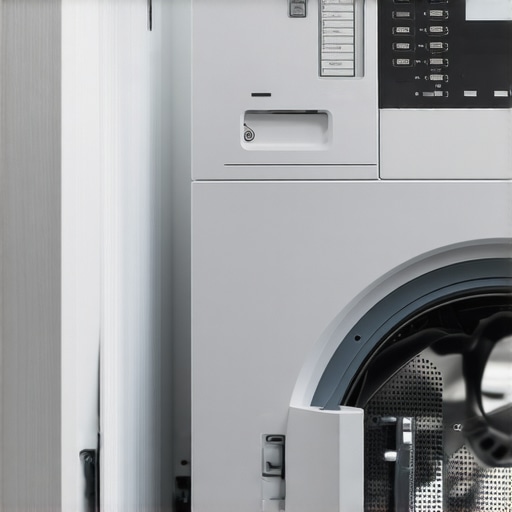
Ever had that sinking feeling when your front-load washer finishes its cycle, you press to open the door, and… nothing. The door stays locked, the drum is silent, and all your laundry remains trapped inside. That frustrating moment can turn a simple task into a household headache. Trust me, I’ve been there—initially thinking it was just a glitch, only to realize there’s a real reason behind the stubborn lock. And let me tell you, understanding why this happens can save you time, money, and a lot of stress.
When the Door Won’t Budge: A Common Laundry Woe
Over the years, I’ve noticed that many homeowners, including myself early on, encounter this issue at the worst possible moment. Maybe you’ve just finished a long day, eager to toss your freshly dried clothes into your wardrobe, only to find the door stuck tight. It’s not only annoying but can also signal underlying problems with your appliance’s safety or mechanics. But don’t worry—this is a common issue, and it has practical solutions.
Could It Be a Safety Feature or a Simple Mechanical Issue?
Many people wonder if the door lock is malfunctioning or if their washer needs repair. The truth is, most of the time, the lock is a safety feature that prevents water spillage or injury. Sometimes, it’s a minor glitch, or perhaps a sensor has detected a fault, keeping the lock engaged. In my own experience, making a mistake early on was ignoring the kid-proof lock or not allowing enough time after the cycle—it sounds simple, but these are common pitfalls. For reliable fixes, it’s always best to consult trusted services—some even offer same-day repair options that get you back on track fast.
Have you faced this problem yourself? If so, keep reading. I’ll walk you through the common causes and practical steps to unlock that stubborn door and ensure it doesn’t happen again.
Start with the Basic Checks
First, ensure the washing cycle has fully completed and the appliance has had enough time to unlock. Sometimes, the lock mechanism needs a few moments to release after the cycle ends—a mistake I made during a hectic laundry day; I impatiently tried to open the door, only to find it firmly stuck. Waiting a few minutes often solves this issue. If it’s still locked, proceed to inspect the door latch for any obvious damage or debris preventing release.
Reset the Washing Machine
Unplug the machine from the power source for at least 5 minutes. Think of this as rebooting your computer: it resets the control board, which might be stuck in a ‘locked’ state. During one instance, I had a washer that refused to unlock, and performing this reset freed the lock without any tools. After plugging it back in, check if the door releases. If not, continue to manual methods.
Use Manual Unlock Techniques
Locate the model-specific manual release, often a small pull cord or accessible latch behind the panel. Consult your user manual or online resources. For example, many front-load washers have a release cable near the bottom or behind the kick panel. Carefully remove the panel, pull the release cord, and free the door. During my experience, exposing this latch required removing a few screws, and patience was key to avoid damaging the panel or wiring.
Address Mechanical or Sensor Issues
If manual release isn’t working, the problem might lie deeper—faulty door lock assembly or a malfunctioning sensor. In such cases, replacing the lock mechanism is advisable. It’s akin to replacing a broken hinge on a door: a straightforward fix that restores functionality. Many OEM parts are available online, and installation usually involves removing a few screws. If you’re unsure, consider scheduling same-day repair services to handle intricate repairs efficiently and ensure warranty coverage.
Prevent Future Lockouts
Once fixed, avoid common pitfalls like pulling the door open during cycles or ignoring error codes. Regularly inspect the door latch for debris or corrosion, which can cause the lock to stick. Applying a small amount of silicone spray to the latch can improve operation and reduce future failures. Remember, a well-maintained washer not only saves you headache but also prolongs its lifespan. For installation or maintenance, consult professional installation services to ensure proper setup.
While many believe that appliance repair is straightforward or that warranties cover every mishap, the truth is far more nuanced. A common misconception is that all repairs are covered equally under warranties; however, experts emphasize the importance of reading the fine print. For instance, some warranties exclude damages caused by improper installation or neglect, leading to unexpected out-of-pocket expenses. Additionally, many assume that booking a repair service guarantees immediate attention, but as studies show, *not all same-day services are created equal*—some providers lack the proper certifications or genuine parts, risking further damage. Warranty-backed services can shield you from such pitfalls when chosen wisely.
Maintaining Equipment with Precision Tools
To keep appliances running smoothly over the years, investing in high-quality diagnostic and repair tools is essential. Personally, I rely on a digital multimeter like the Fluke 115, renowned for its accuracy in checking electrical circuits and identifying issues before they become major problems. Its portability and reliable readings save me hours during troubleshooting and prevent unnecessary part replacements.
Another crucial tool is a set of insulated screwdrivers, which I use exclusively to avoid accidental electrical shocks and damage to delicate control boards. For modern appliances featuring smart technology, I prefer a Wi-Fi-enabled diagnostic scanner that can connect to your smartphone. This allows remote monitoring of device health, reading error codes, and even updating firmware, which prolongs appliance lifespan and enhances safety.
Software and Methodologies That Make a Difference
Beyond physical tools, utilizing professional diagnostic software is a game-changer. I recommend practical solutions like Appliance IO Diagnostics, which interfaces with most appliances through accessible ports, offering detailed insights into component status and potential faults. This software helps expedite repairs and ensures that parts are replaced only when genuinely necessary, conserving resources and warranty coverage.
Implementing systematic maintenance routines also pays dividends. For example, scheduling monthly software updates for smart appliances ensures they benefit from improvements and security patches, reducing vulnerability threats. Additionally, keeping detailed logs of repair history and part replacements enables better forecasting of future issues, facilitating proactive maintenance instead of reactive fixes.
The Future of Appliance Care Looks Bright
Emerging trends like AI-driven diagnostics and IoT integration will further empower consumers and technicians to maintain appliances more effectively. With AI algorithms predicting failures before symptoms appear, the era of surprise breakdowns could diminish significantly, leading to fewer emergency repairs and extended device life.
If you’re eager to optimize your appliance maintenance routine, start by investing in a reliable multimeter and exploring diagnostic software options. These initial steps will make an immediate difference and prepare you for more advanced troubleshooting as technology advances. For expert support, don’t hesitate to schedule same-day repairs when needed, ensuring your appliances remain efficient and dependable for years to come.
Lessons I Wish I Learned Sooner About Washer Door Locks and Service Choices
- Patience When Waiting for the Lock to Release Can Save You a Trip to the Repair Shop—Sometimes, the lock just needs a few extra minutes to reset after the cycle ends.
- Trusting Trusted Parts and Software Can Prevent Repeated Lock Failures—Investing in OEM components and reliable diagnostic tools minimized my repair costs and downtime.
- Being Proactive With Maintenance and Regular Inspections CAn Keep Your Washer Door From Sticking—Simple routines like cleaning the latch and applying silicone spray work wonders.
- Understanding Your Warranty and Service Options Is Key to Cost-Effective Repairs—Knowing what coverage you have and choosing certified technicians can save money and preserve warranty validity.
- Reaching Out for Expert Help When Needed Brings Peace of Mind—Don’t hesitate to schedule same-day repairs through reputable services to avoid prolonged laundry disruptions.
Tools and Resources That Have Changed My Approach to Appliance Care
- High-Quality Digital Multimeter from Fluke—It’s reliable and accurate for diagnosing electrical issues, preventing unnecessary part replacements.
- OEM Replacement Lock Kits—Using genuine parts ensures compatibility and longevity, reducing the chance of future failures.
- Professional Diagnostic Software like Appliance IO Diagnostics—It provides detailed insights, helping to pinpoint issues quickly before proceeding with repairs.
- Comprehensive User Manuals and Certified Repair Guides—They offer step-by-step instructions, empowering DIY fixes when suitable.
Your Next Step Toward Confident Appliance Maintenance
Don’t let a stubborn washer door lock dampen your day or stress your household routine. With the right knowledge, tools, and support, you can manage many issues effectively and prevent future frustrations. Embrace proactive maintenance, and remember—professional help is just a click away for those tricky repairs. The more informed you are, the smoother your appliance experience will be—so start today! Are you ready to take control of your appliance repairs and conquer those stubborn locks? Share your thoughts below and let’s discuss!