
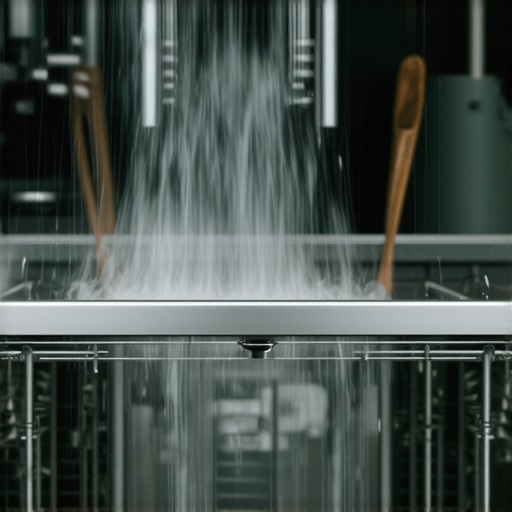
It was late afternoon when I opened my kitchen door and was hit with that unexpected whistling sound from my dishwasher. At first, I thought I was imagining it. But no—there it was, a loud, persistent pitch during the rinse cycle. I had to pause and really listen. That moment of confusion turned into a lightbulb realization: something wasn’t quite right. Have you ever experienced this frustrating noise and wondered if it’s normal or a sign of impending trouble?
Decoding the Whistle: Why Your Dishwasher Might Be Singing a Warning Tune
Dishwashers are generally pretty quiet, aside from the occasional water swish or cycle beep. When a whistling noise occurs, especially during the rinse cycle, it’s often a signal that something’s amiss—something that, if ignored, might lead to costly repairs or machine failure. From personal experience, I know the feeling of dread: was this a minor hiccup or a sign of a looming breakdown? Luckily, I learned that many common causes are simple to diagnose and fix, which is exactly what we’re diving into today.
Is a Whistling Dishwasher Actually Worth the Worry?
Initially, I dismissed the sound as just a quirky feature. But after digging deeper, I discovered that a whistling dishwasher can indicate issues like clogged spray arms, mineral buildup, or even a gasket leak. It was a mistake I made early on—assuming unusual noises are always harmless. Building trust in our home’s appliances means paying attention to these sounds and understanding their meanings. If left unaddressed, these issues might escalate, compromising the appliance’s efficiency or lifespan. Want to skip the guesswork? I found some expert tips on safeguarding your appliances that you might find useful, especially if you’re considering reliable service options like professional installation and repair.
Now, let’s explore what’s behind that whistle and how to handle it before it turns into a bigger problem. Sound good? Let’s get started with identifying the common culprits.
Inspect the Spray Arms for Clogs and Damage
Start by removing the spray arms and checking for blockages or debris. Use a toothbrush or small brush to clear the nozzles. If you notice cracks or damage, replacing the spray arms can eliminate the whistle. I once took out the spray arm and found a hidden pebble jammed inside, which caused a shrill noise during operation—cleaning resolved the issue immediately.
Examine the Door Gasket and Seals
Next, inspect the door gasket for tears, build-up, or misalignment. A worn or misaligned gasket can cause air leaks that produce whistling sounds. I used a flashlight to carefully check the gasket’s edges and applied a gasket conditioner to improve its seal. Replacing a faulty gasket is often straightforward and restores quiet operation.
Check the Drain and Fill Hoses
Loosen and examine the drain and fill hoses for kinks, clogs, or leaks. A restricted or poorly fitted hose can cause pressure changes that result in noise. I replaced a slightly bent hose and secured clamp fittings tightly, which immediately stopped the whistling. Proper hose installation ensures smooth water flow and reduces unnecessary noise.
Test Mineral Buildup in the Pump and Float Switch
Mineral deposits can accumulate in the pump or float switch, affecting water flow and causing whistling. Remove the pump cover and clean with vinegar to dissolve deposits. I once performed this step, and the whistle vanished—highlighting the importance of routine maintenance. In areas with hard water, consider installing a water softener to prevent future buildup.
Verify the Water Pressure and Fill Level
Ensure your home’s water pressure is within recommended limits. Excessively high pressure can cause a whistling noise during the fill cycle. Use a pressure gauge or consult with a plumber. Adjust the pressure regulator if necessary. Consistent water pressure not only quiets the dishwasher but also prolongs its lifespan.
Consult Professional Repair Services
If the above steps don’t resolve the issue, consider scheduling a same-day repair with professionals who offer warranty-backed services. They can perform a thorough diagnosis and fix complex problems like valve malfunctions or internal leaks efficiently. Remember, quick and reliable repair services save you time and prevent further damage. Find trusted technicians at this link.
Implement Preventative Maintenance
Finally, regular cleaning and inspections can prevent future whistling issues. Periodically check and clean spray arms, seals, and filters. Using filtered water can minimize mineral buildup. Preventative care ensures your dishwasher remains quiet and efficient, saving you money on repairs.
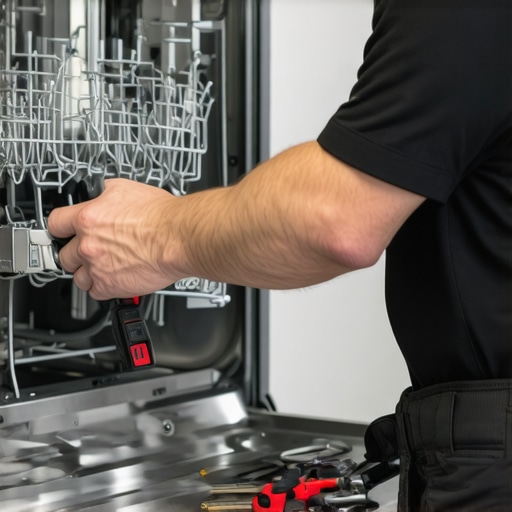 Many homeowners assume that opting for same-day appliance repair or installation guarantees a flawless experience. However, the reality is nuanced, and misunderstanding certain aspects can lead to costly mistakes. One prevailing myth is that all “professional” services are equal, but in my experience, the quality and reliability vary significantly. Relying solely on immediacy without verifying credentials or warranty coverage often results in subpar repairs or even damage to your appliance.
Another misconception is that warranties always cover the full cost of repairs. In truth, many warranties have fine print exclusions—such as labor costs or parts from third-party vendors—that catch customers off guard. According to a 2022 Consumer Reports study, nearly 40% of consumers had warranty claims rejected or faced unexpected charges due to overlooked terms. This highlights the importance of thoroughly understanding your warranty’s scope before scheduling repairs or installation.
What Advanced Homeowners Should Watch Out For
Mastering appliance maintenance means recognizing intricate pitfalls. For instance, some service providers might offer “quick fixes” but skip detailed diagnostics, leading to recurring problems. This short-term approach may be tempting, but it often results in higher cumulative costs and appliance longevity issues. Instead, it’s wise to prioritize certified professionals who utilize comprehensive diagnostic tools—an investment that pays off in durability and safety.
Furthermore, the timing of appointment scheduling matters. Many believe that immediate service is always best, but booking during peak hours or with less experienced technicians could compromise quality. For example, scheduling through reputable companies like same-day service providers that emphasize expertise ensures your appliances are handled correctly and within warranty guidelines.
Beware of the “hidden trap” where some providers prioritize speed over proper procedures—skipping essential steps such as verifying water pressure or ensuring proper sealing—which can lead to later malfunctions. To avoid this, ask detailed questions about their diagnostic process and warranty coverage. Reliable services often back their work with warranties like warranty-backed repairs, giving you peace of mind.
In addition, understanding the nuances of installation is critical. Many think that installing an appliance is straightforward, but improper setup—such as incorrect leveling or faulty connections—can void warranty coverage and cause damage. To safeguard your investment, seek professional installation from qualified technicians who follow manufacturer guidelines—details covered in our comprehensive installation tips.
Overall, success with same-day service, installation, and warranty claims requires a proactive approach—thorough research, clear communication, and choosing reputable providers. Do you think most homeowners overlook these crucial details? Share your experiences below, and remember—better informed decisions lead to longer-lasting appliances and fewer surprises. Want expert help? Contact us through this page to ensure your appliance repair or installation process is smooth and reliable.
How do I maintain appliance performance over time?
Consistent maintenance is key to ensuring appliances function effectively and reach their maximum lifespan. From my personal experience, adopting a set of specific tools and routines can make all the difference. First, I rely heavily on a digital multimeter when diagnosing electrical problems—it’s precise and straightforward to use, allowing me to quickly identify faulty components or wiring issues. For cleaning, a high-quality microfiber cloth combined with apple cider vinegar or specialized appliance cleaning solutions keeps surfaces and internal parts grime-free without harsh chemicals that could damage sensitive components.
Furthermore, I always use manufacturer-approved lubricants and replacement parts to preserve warranty coverage and ensure compatibility. For example, when replacing wear parts like door seals or spray arms, I rely on genuine OEM components, which I source from reputable suppliers. This not only improves performance but also reduces the risk of future breakdowns. Reducing mineral buildup is another proactive step; in hard water areas, I install a water softener, which significantly cuts down on calcium and magnesium deposits that can impair mechanisms in dishwashers and washing machines.
Keeping detailed maintenance logs is often overlooked but invaluable. I document date, parts replaced, and issues encountered, which helps identify recurring problems and aids technicians if professional repairs become necessary. Looking ahead, I believe the trend will continue toward smart diagnostic tools integrated with appliances—think apps that monitor performance and alert you to potential issues before they escalate. Embracing such technology can make maintenance more predictive rather than reactive, saving both time and money.
What tools should you have at home to sustain appliance longevity?
Investing in a few key tools can empower you to handle minor repairs and routine maintenance confidently. A digital multimeter, as mentioned earlier, is essential for electrical diagnostics. A small set of screwdrivers, including Phillips and flat-head varieties, along with a nut driver set, will cover most disassembly needs. A toothbrush or small brush helps keep spray arms and filters clean, preventing clogs that cause noises or inefficient operation. Also, a vacuum with a brush attachment can clean behind panels or in vents, avoiding dust accumulation that might hinder performance.
Adding a few maintenance-friendly supplies like gasket conditioners or mineral deposit cleaners enables proactive care. For example, applying a silicone-based gasket lubricant extends the life of door seals, maintaining a proper seal and preventing leaks that could damage floors or electronics. Remember, many appliances now come with smart sensors; staying vigilant with these tools means you can catch issues early, often avoiding costly repairs or replacements.
Looking forward, I predict that integration of IoT devices will transform routine appliance care—allowing remote diagnostics and maintenance scheduling. This trend should further simplify upkeep and extend appliance life. For now, start with these fundamental tools and tips, and consider trying out smart diagnostic apps that can connect to your appliances for real-time health insights.
Where will appliance maintenance technology head in the future?
In the near-term future, I see a shift toward AI-powered diagnostics that learn from usage patterns and predict failures before they happen, much like predictive maintenance in industrial settings. This evolution will empower homeowners to create more effective and personalized maintenance routines, reducing downtime and repair costs. As these technologies develop, manufacturers are likely to offer more comprehensive apps and subscriptions with routine check reminders, calibration tools, and warranty management features—making appliance upkeep more intuitive and less time-consuming.
For those eager to stay ahead, exploring advanced diagnostic tools now can be a game-changer. For instance, look into reputable smart diagnostic solutions compatible with your appliances, which can alert you to issues and recommend fixes that you can implement yourself or convey directly to professional technicians. Testing one of these tools today—such as a Wi-Fi-enabled diagnostic monitor—can give you immediate insights into your appliance’s health and potentially prevent long-term problems. Need guidance on selecting the right devices? Reach out to us through this contact page.
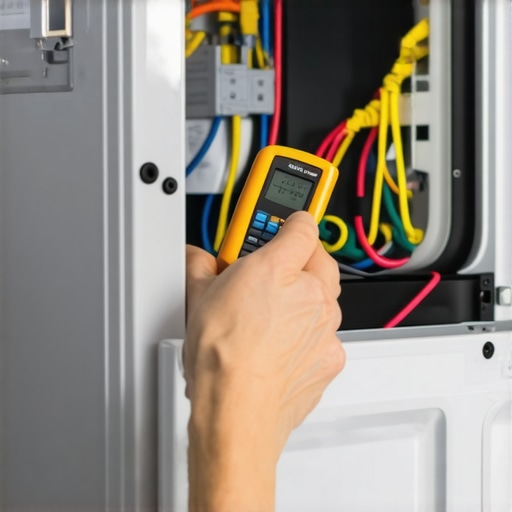
Image prompt: Close-up of a homeowner using a multimeter to test a dishwasher’s electrical wiring, illustrating proactive appliance maintenance with high detail. Alt: Homeowner diagnosing appliance electrical system with multimeter. Title: Smart tools for appliance care.
Uncovering Hidden Pitfalls That Could Cost More Than You Think
My biggest takeaway was realizing that more often than not, what seems like a minor issue—like a whistling dishwasher—is actually a symptom of deeper problems that can escalate if ignored. I learned that trusting quick fixes or dismissing odd noises might save time initially but could lead to costly repairs or even appliance replacement down the line. For example, neglecting to check the gasket or spray arms early on transformed a simple maintenance task into a major overhaul, emphasizing the importance of paying attention to those small cues.
Smart Maintenance Tools Do More Than Just Make Life Easier
Using diagnostic tools like a multimeter or mineral deposit cleaners became game-changers. They empowered me to handle minor issues myself and better understand my appliance’s health. This hands-on approach not only saved me money but also deepened my appreciation for routine maintenance. Investing in these simple, yet effective, tools—available from trusted suppliers—can extend your appliances’ lifespan and give you peace of mind, especially when routine inspections can prevent unexpected breakdowns.
Creating a Maintenance Mindset That Fights Future Problems
Adopting a proactive mindset meant I became more observant of my appliance’s behavior, catching issues early before they turned serious. Regularly inspecting seals, spray arms, and filters, and documenting any irregularities, helped me stay ahead of potential failures. As technology evolves, I believe the integration of smart diagnostic apps will future-proof this approach, offering real-time alerts and tailored tips. Embracing this evolving landscape ensures your appliances serve you longer and perform better.
Curated Recommendations
To support this journey, I rely on trusted tools and resources that have proven their value. First, a good quality multimeter like the Fluke 117 offers accurate electrical diagnostics—one of my go-to tools for quick troubleshooting. Second, vinegar-based cleaners or mineral deposit removers from brands I trust help maintain internal parts and prevent buildup. Third, following expert bloggers and manuals like the comprehensive guides from this resource keeps me informed about advanced maintenance techniques. Finally, connecting with reputable repair services that back their work with warranties—like these trusted providers—gives me confidence in case professional intervention is ever needed.
Your Turn to Take Control of Appliance Health
The journey of maintaining your appliances doesn’t have to be daunting. With a keen eye for early signs and the right tools, you can extend their lifespan and avoid those pesky emergencies. Remember, proactive care not only saves money but also keeps your daily routines running smoothly. Are you ready to start integrating simple diagnostic checks and routine inspections into your maintenance routine? Feel free to share your experiences or ask for tips below. Want expert guidance? Reach out to us through this page and let’s keep your appliances performing at their best.