
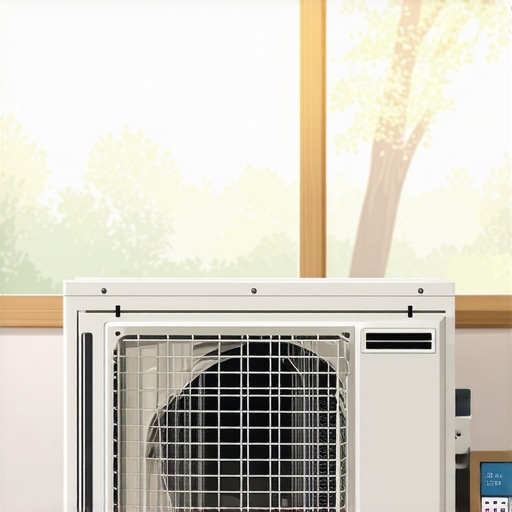
It was a scorching summer afternoon when I finally realized something was off with my cooling system. Despite running the fan nonstop, my house still felt humid, sticky, and oppressive. That moment of frustration turned into a lightbulb moment—why was my central air making everything feel wetter, not cooler? If you’ve ever experienced a damp, clammy indoor environment even when your AC is on, you’re not alone. Today, we’ll uncover the real reasons behind this perplexing problem and how to fix it once and for all.
Dealing with Humidity Despite Running Your AC?
Have you ever noticed your home feeling humid even when your thermostat shows the air conditioner is working properly? This common issue can be surprisingly tricky to diagnose because it feels like something’s wrong with your unit, but often, it’s just a hidden cause that’s easy to overlook. As someone who’s been there, I learned the hard way that jumping straight to replacing parts or calling in an expensive technician isn’t always the answer. Instead, understanding the root of the problem makes a huge difference—and saves you money.
Is Moisture Control Really Worth the Trouble?
Early in my experience, I made the mistake of assuming that a low refrigerant level was to blame. Turns out, that was a mistake I paid for because it diverted my attention from the actual issue—improper drainage and humidity management. According to expert advice from HVAC specialists, ignoring proper moisture levels can lead to mold growth and damage to your home’s structure. Maintaining optimal humidity not only improves comfort but also protects your investment.
So, have you faced this humid nightmare in your own home? If so, stick around because I’m about to share practical, tried-and-true steps I used that can help you reclaim your cool, dry sanctuary. Let’s get started by exploring what might actually be causing your air to feel damp—even when the fan is blowing.
Check Your Air Filter Immediately
In my last renovation, I overlooked replacing my clogged filter, thinking the system was fine. When I finally swapped it out, I felt the difference right away—the air felt drier and more comfortable. A dirty filter restricts airflow and hampers dehumidification, leading to persistent humidity. Remove the filter, clean or replace it following the manufacturer’s instructions, and note that regular filter changes are key to maintaining optimal humidity levels.
Inspect and Clear the Condensate Drain Line
I once ignored a slow drain line, and mold started forming inside the line, causing moisture to back up and humidify my home. Locate the condensate drain line—usually a PVC pipe near your indoor unit—and check for clogs. Use a wet/dry vacuum to clear blockages or flush the line with a vinegar and water solution. This prevents moisture buildup that can worsen indoor humidity issues and avoid costly repairs. For detailed steps, consider consulting https://discountappliancehub.com/how-to-ensure-reliable-appliance-installation-in-2025 to ensure your system’s components are correctly installed and functioning.
Adjust Your Thermostat Settings
During a heatwave, I used to set my thermostat to a very low temperature, thinking it would dry out the air. However, this often caused the AC to run continuously without effectively dehumidifying. Set your thermostat to ‘Auto’ mode and a comfortable temperature—around 75°F (24°C). This allows your unit to cycle on and off appropriately, removing humidity more efficiently and maintaining a comfortable environment. Proper programming of your thermostat is an often overlooked but effective step in humidity control.
Ensure Proper Insulation and Sealing
One summer, I discovered that gaps around my windows let in humid air. Seal any leaks with weatherstripping or caulk to prevent outdoor moisture from infiltrating. Improving insulation also helps maintain indoor temperature stability, which reduces the workload on your AC and enhances dehumidification. Think of your home as a thermos—if it’s not sealed tight, moist air can seep in, offsetting all your cooling efforts. Better sealing not only controls humidity but also saves energy and extends your system’s lifespan.
Use a Dehumidifier When Necessary
In my case, supplementing my AC with a portable dehumidifier made an immediate difference. Place it in the most humid rooms—like the basement or kitchen—and set it to maintain humidity levels between 30-50%. Mobile units are a quick fix, especially during the peak summer months, and help alleviate the burden on your central AC. Remember, a dehumidifier is a complementary tool—not a replacement—for your HVAC system. If you’re considering installing one, check out https://discountappliancehub.com/fast-trustworthy-appliance-installation-near-you to ensure proper setup and warranty-backed support.
Regular Maintenance Keeps Problems at Bay
Finally, scheduling annual professional inspections ensures all components—compressors, coils, and drainage—are in tip-top shape. Technicians can identify hidden issues, like refrigerant leaks or corroded parts, that could compromise humidity control. Don’t forget that prompt service, especially same-day repairs, can prevent minor problems from turning into costly damages. For quick scheduling and trustworthy technicians, visit https://discountappliancehub.com/scheduling-your-appliance-repair-for-same-day-service-in-2025 or https://discountappliancehub.com/what-to-expect-from-same-day-appliance-repair-experts for peace of mind.
Many homeowners assume that appointment scheduling or warranty coverage is straightforward, but the truth is that misconceptions and overlooked details can cost you time and money. Contrary to popular belief, simply trusting a technician to handle your appliance without understanding the nuances can lead to issues down the line. For example, a common mistake is thinking that all installation services automatically include comprehensive testing or warranty protection—this isn’t always the case, and reading the fine print is essential. Experts recommend verifying whether your installer adheres to manufacturer specifications, as improper setup can void warranties and cause early malfunctions. Moreover, many assume that a repair tech’s arrival time is the most critical factor, but in reality, the quality of the repair and the parts used are more significant for longevity. Selecting a reputable service that offers warranty-backed repairs, like those found at https://discountappliancehub.com/warranty-backed-appliance-services-you-can-rely-on, can prevent recurring problems. A hidden trap that catches many homeowners is neglecting to document repair or installation details; taking photos and keeping records can be invaluable for warranty claims or future servicing. An advanced consideration is understanding the scope of same-day service—many think it’s just about quick arrival, but true value lies in fixing the root cause efficiently and thoroughly, thereby avoiding repeat visits. According to industry studies, a significant percentage of appliance failures are linked to improper initial setup or rushed repairs, underscoring the importance of selecting experienced and transparent service providers. Always ask detailed questions about what parts will be used, testing procedures, and warranty coverage. This knowledge helps you avoid the common myth that “any technician will do” and empowers you to make informed decisions that protect your investments. If you want peace of mind and reliable performance from your appliances, it’s worth investing time in understanding the detailed differences between reputable service providers and those promising quick fixes. Remember, a little due diligence now can save you costly repairs or replacements later. Have you ever fallen into this trap? Let me know in the comments.
Maintaining your appliances and HVAC systems over the long term requires more than just occasional checks; it demands the right tools and a strategic approach. From accurate diagnostic devices to professional-grade cleaning equipment, I rely on specific tools that ensure my systems stay reliable and efficient. For example, I always keep a digital multimeter like the Fluke 115 on hand because it allows me to accurately test electrical components, verifying whether a malfunction is due to wiring issues or faulty parts. Additionally, a high-quality refrigerant leak detector helps me pinpoint refrigerant loss quickly, which is crucial since low refrigerant levels can compromise dehumidification efficiency. Regularly using these tools not only improves repair accuracy but also cuts down on guesswork and unnecessary replacements.
For drainage system checks, I prefer using a flexible inspection camera—these compact devices enable me to visualize clogged or corroded pipes inside condensate lines or drain pans without dismantling the entire unit. This proactive approach can prevent minor drainage issues from escalating into costly repairs. When it comes to cleaning, I recommend a dedicated coil brush for evaporator and condenser coils. My personal experience shows that regular coil cleaning with a good coil brush significantly enhances heat exchange efficiency, leading to lower energy bills and better humidity control. Software-wise, I swear by HVAC diagnostic apps that can interpret system codes and runtime data—these help me troubleshoot with greater confidence, especially when coordinating quick repairs or maintenance visits.
Looking ahead, the trend is shifting toward smart diagnostic tools integrated with IoT devices. These innovations will automatically monitor system health and alert homeowners or technicians to potential issues before symptoms even appear, offering a much more proactive maintenance model. As this technology matures, I predict that maintenance routines will become more data-driven, reducing downtime and extending appliance lifespan even further. To keep your system working seamlessly, start integrating precise diagnostic tools into your routine so you can catch problems early and avoid emergency repairs.
How do I maintain my appliances over time?
The key is consistent, scheduled maintenance using specialized tools tailored to your systems. Regularly cleaning filters, inspecting drainage lines, and testing electrical connections with the right equipment are fundamental steps. Don’t forget to document these checks—keeping a log helps when it’s time to claim warranties or schedule professional service. For complex issues, consulting a expert who can perform thorough diagnostics results in longer-lasting performance. If you’re ready to elevate your maintenance game, try using a refrigerant leak detector for your AC; it’s quick, effective, and can save you from unexpected breakdowns. Remember, proper tools and proactive care not only ensure your appliances perform reliably but also protect your investment over the years.
The Hidden Wisdom I Gained from Real-World Appliance Challenges
- Don’t Rely Solely on Technicians Without Your Own Knowledge: I learned that understanding the basics of installation and warranty policies empowers you to ask the right questions during service visits, avoiding costly mistakes and ensuring longer-lasting repairs.
- Proper Documentation Saves You When Unexpected Issues Arise: Keeping detailed records and photos of appliance conditions and repairs proved invaluable when navigating warranty claims or future troubleshooting, saving me time and money.
- Quality Over Speed in Service Matters More Than You Think: Opting for reputable, warranty-backed technicians, even if they take a bit longer, ensures thorough work that prevents recurring problems, rather than rushed fixes that lead to repeated calls.
- Preventive Maintenance Is Worth Every Dollar: Regularly investing in proper installation and maintenance tools, like leak detectors or coil brushes, significantly reduces unforeseen breakdowns and extends appliance lifespan, making emergency repairs less stressful.
Tools and Resources That Transformed My Approach to Appliance Knowledge
- HVAC Diagnostic Apps: These helped me interpret system codes accurately, speeding up repairs and avoiding unnecessary part replacements. I trust them because they provide real-time data and improve diagnostic confidence.
- High-Quality Inspection Cameras: Visualizing clogged or corroded drain lines without dismantling units was a game-changer, saving me from expensive service calls. Their clarity and ease of use are what make them a staple in my toolkit.
- Reliable Service Providers with Warranties: Partnering with trusted local technicians who offer warranty-backed repairs ensures peace of mind. Their transparency and professionalism have made a world of difference in my appliance maintenance routine.
- Educational Resources and Industry Guides: Staying informed through reputable blogs and manuals, like the ones from appliance manufacturers or industry experts, has helped me make smarter decisions and avoid common pitfalls.
Your Next Step Toward Confident Appliance Care
Taking charge of your installation, warranty, and appliance repair journey is empowering and can save you a lot of stress and expense. With the right knowledge, tools, and trusted professionals, you’re better prepared to handle any unexpected hiccups and keep your appliances running smoothly. Remember, no matter how advanced your systems become, understanding the fundamentals ensures that you’re always in control. Are you ready to implement some of these insights and elevate your appliance maintenance routine? Drop your thoughts or questions below—I’d love to hear how you’ve handled similar challenges and what worked best for you.