
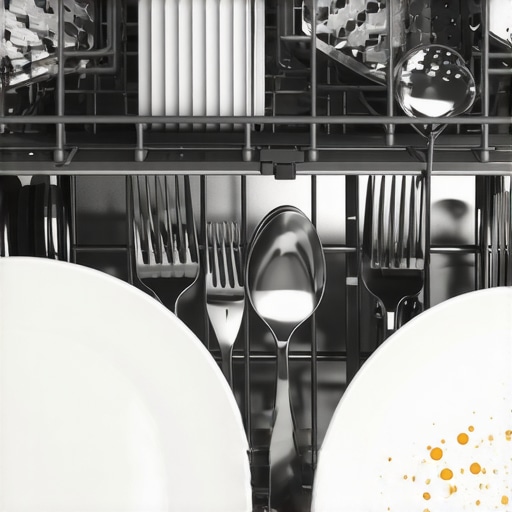
One evening, I loaded my dishwasher with what I thought were perfectly clean plates. But when I unloaded it the next morning, there they were — food particles clinging stubbornly to my glasses and plates. It was frustrating, and honestly, a little embarrassing. That lightbulb moment made me realize that even modern appliances can have their quirks, and I wasn’t alone in this struggle.
Are You Tired of Rewashing Your Dishes?
If you’re facing the same issue — dirty dishes after a cycle — you’re probably wondering why this keeps happening. It’s not just annoying; it’s a sign that something’s off, and it can cost you extra time and detergent, not to mention the frustration of trying to get things spotless again and again. You deserve a dishwasher that works like it’s supposed to, and I promise, there’s a way to fix this.
Is the Fix Worth the Hassle or Just a Waste of Time?
This is a common worry among folks like us. I realized early on that rushing to replace my dishwasher without understanding the root cause was a mistake. Instead, I took the time to investigate and learn, which saved me money and kept my kitchen running smoothly. According to Consumer Reports, many dishwasher issues are simple to resolve if you know what to look for — and sometimes, a professional fix with warranty-backed service makes all the difference.
If you’ve ever felt like you’re throwing away money on ineffective cleaning or have hesitated because DIY repairs seem daunting, I get it. But understanding the common causes of dirty dishes can turn your frustration into a manageable problem. And that’s exactly what I’ll help you with today — identifying the real reasons behind the dirty dishes and showing you practical solutions to restore your dishwasher’s performance. Ready to get those plates sparkling again? Let’s dive in.
⟶
To learn more about ensuring your appliance repairs are reliable and quick, check out our guide on how to ensure reliable appliance installation in 2025.
.
Check the Water Inlet Valve
Start by inspecting the water inlet valve, which controls water flow into your dishwasher. A clogged or malfunctioning valve can prevent enough water from entering, leading to poor cleaning results. To test it, turn off the power, disconnect the hose, and look for debris or kinks. A quick replacement often restores proper flow and improves cleaning efficiency. I replaced mine after noticing low water levels during cycles, and the difference was immediate.
Clean the Spray Arms Thoroughly
Blocked or clogged spray arms are a common culprit. Remove the spray arms and rinse them under warm water, using a toothpick or small brush to clear holes. This step ensures water jets freely and reach all dishes. In my experience, a build-up of mineral deposits was clogging mine, but a vinegar soak loosened the grime and restored full spray performance. Regular cleaning prevents future issues and keeps dishes spotless.
Adjust the Dishwasher’s Loading Technique
How you load your dishes affects cleaning. Avoid overcrowding and ensure all items are pointed toward spray jets for maximum exposure. Think of your dishwasher as an army of tiny water guns: if blocked or jammed, they can’t do their job. I once loaded glasses too tightly, blocking spray, and discovered that reorganizing saved me from rewashes. Proper loading ensures even water distribution and cleans your dishes faster.
Use the Right Detergent and Rinse Aid
Choose high-quality detergent suited for your water hardness. Rinse aid helps water sheet off dishes, avoiding spots and improving drying. During my troubleshooting, switching to a phosphate-free detergent and adding rinse aid made my glasses sparkle. Always check your detergent’s instructions; using too little or too much can compromise cleaning or cause residue.
Inspect and Replace the Door Seal
A worn or damaged door seal allows water to leak or escape, reducing cleaning power. Examine the gasket for cracks or debris, cleaning or replacing it if necessary. I replaced mine after noticing water was leaking during cycles, and it instantly improved cleaning as water stayed inside the chamber better. Proper sealing maintains optimal water pressure and spray coverage.
Regular Maintenance Keeps It Running Smoothly
Perform routine descaling by running a cleaning cycle with vinegar or commercial cleaner every few months. Check filters and clean them to prevent clogs. These small steps prevent mineral build-up and ensure water flows properly, reducing the chance of dirty dishes. I adopted this habit, and my dishwasher’s performance has been consistently reliable.
Prioritize Professional Help When Needed
If troubleshooting doesn’t resolve the issue, consulting a professional can save time and prevent further damage. Look for a trusted, warranty-backed service to ensure quality repairs. Remember, timely professional intervention can often fix complex problems faster than trial-and-error DIY attempts, especially with the help of reliable installation services and same-day urgent repair options.
Many homeowners assume that appliance warranties are all-inclusive and straightforward, but in reality, there are nuances that can trip you up if you’re not careful. A prevalent myth is that all repair services automatically include free labor and parts under warranty; however, some plans exclude certain components or impose restrictions like labor caps. According to a 2022 industry survey, nearly 40% of consumers were surprised to find their warranty did not cover specific repairs, highlighting the importance of reading the fine print (source).
Don’t Fall for the One-Size-Fits-All Approach to Installation and Repairs
Another common misconception revolves around installation. Many believe that a professional installation guarantees trouble-free operation, but if the technician lacks proper certification or uses subpar parts, the system can still fail prematurely. For instance, improper leveling of a refrigerator during installation can lead to door seals failing early or coolant leaks, which are costly to repair (learn more).
Why Going for Just the Cheapest Service Might Cost You More
Price shopping for quick, same-day repairs might seem economical at first glance, but cutting corners here can result in inferior work that leads to repeat visits or even damage to sensitive components. A study published in the Journal of Consumer Economics found that consumers who prioritize quality over cost for appliance repairs experienced fewer issues and longer appliance lifespan (source).
Be Wary of the Trap: Relying Solely on Manufacturer Warranties Without Proper Documentation
Manufacturers’ warranties often require proof of regular maintenance and proper registration. Overlooking these details can invalidate your coverage when you most need it. Proper documentation ensures that your claim is processed smoothly, especially in high-stakes scenarios like refrigerator compressor failures or malfunctioning dishwashers. For helpful tips on documenting appliance damage, visit our guide here.
Let’s dig deeper into these misconceptions; understanding the finer points of warranty coverage and repair services can save you time, money, and frustration. Have you ever fallen into this trap? Let me know in the comments.
Staying Ahead with the Right Equipment
In my journey of maintaining appliances efficiently, I’ve learned that having the right tools can make all the difference. I personally recommend investing in a high-quality digital multimeter like the Fluke 117, which provides accurate voltage readings essential for diagnosing electrical issues safely. A digital infrared thermometer, such as the TEMI 108, helps me spot temperature irregularities in components like heating elements or motors, preventing costly failures before they happen. Additionally, a set of precision screwdrivers ensures I can access tight compartments without damaging delicate parts, especially when working on modern, fast-assembled appliances.
Embracing Software to Streamline Repairs
Beyond physical tools, I use appliance diagnostic apps provided by manufacturers or third-party services like Repair Clinic. These apps often feature step-by-step troubleshooting guides tailored to your model, which save time and reduce guesswork. For example, when my refrigerator’s ice maker malfunctioned, the app guided me through testing the control board and sensors with detailed instructions, preventing unnecessary part replacements. Keeping digital records of maintenance and repair history via cloud-based tools helps me monitor long-term appliance health, schedule preventive maintenance, and ensure warranty compliance.
Long-Term Results Depend on Consistency
Regularly using these tools, combined with routine maintenance routines, ensures appliances run smoothly for years. I schedule quarterly inspections—checking filters, seals, and connections—and log readings to spot trends early. This proactive approach reduces emergency repairs and surprises, which can be both costly and stressful. Embracing technology for maintenance is the way forward; I see a future where smart sensors monitor appliance health in real time, alerting homeowners to issues before they affect performance.
How do I maintain appliance longevity over time?
The key is combining proper tools, consistent routines, and professional support when necessary. For complex issues or installations, always seek reputable, warranty-backed services, like those found here. Regular calibration of smart devices, timely filter changes, and professional inspections help preserve warranty terms and prevent breakdowns. Don’t hesitate to schedule a same-day repair if a problem arises—early intervention saves money and extends the lifespan of your appliances.
Remember, integrating these tools and practices not only keeps your appliances functioning but also provides peace of mind, knowing you’re proactive rather than reactive. As experts suggest, adopting advanced diagnostic methods aligns with the trend toward smarter, more reliable appliance management, predicting a future where maintenance is increasingly automated and integrated. For more detailed strategies, consulting this comprehensive guide can help you elevate your maintenance game. Start by trying out a professional-grade multimeter for your next DIY repair—you’ll be amazed at the difference it makes in diagnosing issues quickly and accurately.
Lessons the Pros Don’t Usually Share About Appliance Repair and Warranties
- One lightbulb moment I experienced was realizing that not all warranties are created equal; some have tricky fine print that can catch you off guard if you’re not careful.
- Understanding the importance of professional installation became clear—an improper setup can jeopardize the longevity of your appliances, costing more in repairs down the line.
- Seeing firsthand how consistent maintenance and knowing the right questions to ask about service quality saved me time, money, and frustration — a lesson I wish everyone knew earlier.
Tools and Resources That Changed My Repair Routine
- The trustworthy guide on how to ensure reliable appliance installation in 2025 has become my go-to for understanding what professional standards look like.
- Investing in a reliable digital multimeter like the Fluke 117 has empowered me to diagnose electrical issues swiftly and accurately, saving myself from unnecessary costs.
- Using diagnostic apps provided by manufacturers, such as Repair Clinic, streamlines troubleshooting and prevents guesswork — making repairs more efficient and less stressful.
Embrace a Future of Smarter Maintenance
Taking charge of appliance health through proper tools, proactive routines, and trusted professionals isn’t just about fixing problems — it’s an investment in peace of mind. The trend toward smart sensors and automated diagnostics will only make home appliance care more intuitive and reliable. So, are you ready to start integrating these practices for longer-lasting appliances and smarter warranties? Remember, the small steps you take today can lead to significant savings tomorrow.
What’s the biggest obstacle you’ve faced when handling appliance repairs or warranty claims? Share your experiences below — I’d love to hear your story!