
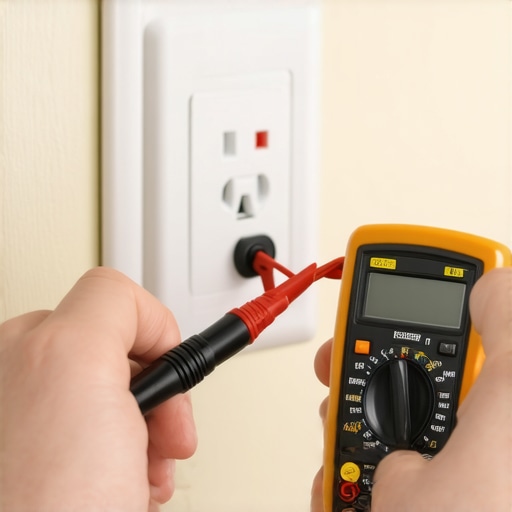
It was a nerve-wracking weekend when I finally decided to upgrade my kitchen with a new, high-end oven. After meticulously unboxing it, I eagerly connected to the outlet, only to be met with a flickering display and a strange humming noise. Turns out, the power supply wasn’t compatible or properly grounded. That lightbulb moment taught me a crucial lesson: never skip testing your home’s voltage before installing big appliances. If you’ve ever faced similar frustrations—like appliance malfunctions or potential damage—you know how costly and time-consuming it can be. Today, I promise to walk you through a simple yet essential step that could save you hundreds of dollars and headaches: how to properly test your home’s voltage.
Why Voltage Testing Matters More Than You Think
Most homeowners don’t realize that the electrical system in their house might not be as reliable as they assume. Faulty wiring, outdated circuits, or improper grounding can pose serious risks—not just for your appliances but also for your safety. Installing a new appliance without verifying your home’s voltage can lead to underperformance, early wear and tear, or even dangerous electrical fires. According to the U.S. Fire Administration, electrical malfunctions are responsible for thousands of home fires annually, many stemming from improper electrical setups. So, testing your voltage isn’t just a technical chore; it’s a crucial safety step.
Now, on top of safety, there’s the financial aspect. Incorrect voltage can cause appliances to work harder than they should, increasing energy bills and decreasing lifespan. When I first tried installing my own dishwasher years ago, I ignored this step, assuming the outlet was fine. Weeks later, I faced costly repairs, and my dishwasher’s warranty was voided because I hadn’t verified the proper voltage. That mistake was a wake-up call. To avoid similar issues, it’s vital to know exactly what your electrical system can handle before you commit to a major appliance upgrade.
If you’re like me and want to avoid these headaches, you’re probably wondering: “How exactly do I test my home’s voltage safely and accurately?” Well, that’s the next part of our journey. But first, let me address a common concern—”
Is Testing Voltage Actually Worth the Hype?
You’ve probably seen online or heard from friends that testing electrical systems is complicated or unnecessary. I used to think that way, too. However, early on, I made the mistake of assuming that a standard outlet was sufficient, without actually checking the voltage. This led to mismatched appliances and unnecessary expenses. Once I started testing my outlets more diligently, I realized just how unpredictable household wiring can be. Remember, even a small oversight can have big consequences—trust me, it’s better to be safe than sorry. For a thorough guide on reliable appliance installation, check out [this resource](https://discountappliancehub.com/how-to-ensure-reliable-appliance-installation-in-2025). It covers best practices to ensure your home’s wiring is up to the task.
In the next sections, I’ll guide you through the tools, steps, and safety precautions needed to verify your voltage. After all, taking this small step can make a world of difference, saving you time, money, and peace of mind when installing those big, exciting appliances.
Gather Your Tools and Prepare Your Workspace
Before diving into voltage testing, ensure you have a reliable multimeter rated for household AC voltage, ideally a digital model for accurate readings. Turn off any nearby appliances that might interfere with your measurements, and wear insulated gloves to enhance safety. Find a well-lit area near the outlet you plan to test. Remember, a cluttered workspace increases risk, so clear the area and proceed with caution.
Turn Off Power to the Outlet
For safety, switch off the circuit breaker supplying power to the outlet. Confirm power is off by testing the outlet with a voltage tester or multimeter set to AC voltage, ensuring it reads zero. This step prevents accidental shocks during connection and protects your equipment. If unsure, consult your home’s electrical panel diagram or hire a professional.
Set Up the Multimeter Correctly
Switch your multimeter to the appropriate AC voltage range—typically 200V or higher for household outlets. Insert the black (common) probe into the COM port and the red (measurement) probe into the VΩmA port. Double-check the device settings against the manufacturer’s instructions. Proper setup ensures accurate readings and safe operation.
Test the Voltage of the Outlet
Carefully insert the multimeter probes into the outlet’s slots—black to the ground or neutral terminal, red to the hot terminal. If your outlet has a ground screw, test between the ground and hot as well. Read the multimeter display; a typical household voltage in the U.S. should be between 110V and 125V. Variations might indicate wiring issues or voltage drops, warranting further investigation.
Document Your Readings and Analyze
Record your measurements for reference, especially if you’re planning appliance upgrades or repairs. Consistently low or high readings can signal wiring problems, outdated circuits, or grounding issues. For example, I once tested my kitchen outlet and found it only reading 105V—realized that loose wiring was causing voltage drops, which could damage my new oven. Address such issues promptly to avoid appliance failure or hazards. For comprehensive guidance on ensuring reliable appliance installation, visit here.
Restore Power and Final Checks
Once testing is complete, turn the circuit breaker back on. Use a simple outlet tester to confirm proper wiring. If voltage readings are abnormal, consider hiring a licensed electrician for repairs. Correct wiring not only protects your appliances but also guarantees safety and optimal performance, avoiding costly breakdowns or warranty disputes.
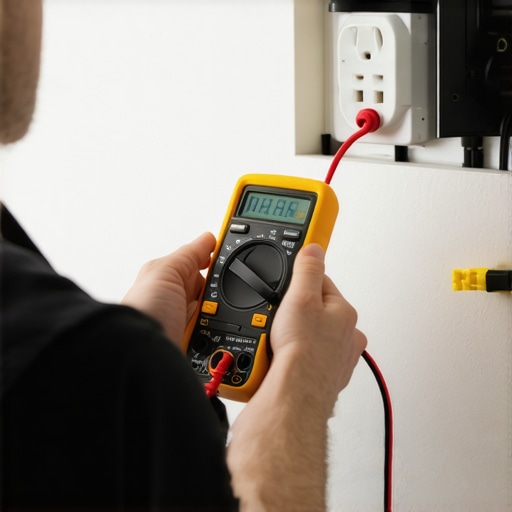
Illustration of a multimeter being used to test an electrical outlet in a home kitchen setting.
When it comes to appliance installation and repairs, many homeowners fall prey to misconceptions that can cost them time, money, and safety. One widespread myth is that same-day service always meansurgent or high-quality repairs. In reality, some technicians prioritize quick turnaround over thorough diagnostics, leading to subsequent issues. For example, rushing an installation to meet a tight schedule might overlook crucial safety checks, such as proper grounding, which can pose fire hazards later. According to the Electrical Safety Foundation International, improper grounding is a leading cause of home electrical fires—so skipping proper verification can have serious consequences.
Another misconception is that warranties fully cover all repair costs, which isn’t always the case. Many assume that once an appliance is under warranty, any repair related to a defect is free, but warranties often exclude damages from improper installation, user negligence, or parts outside specific coverage dates. To maximize your warranty benefits during emergencies, it’s essential to understand its limitations. Learn how to make the most of warranty coverage at this guide.
Let’s address a common but advanced mistake: ignoring the significance of professional installation for gas appliances. Many DIY enthusiasts attempt to install gas stoves or ranges to save money, but improper connection can lead to leaks, which are extremely dangerous. Gas leaks not only pose explosion risks but can also cause long-term health issues due to carbon monoxide exposure. Statistically, properly installed gas appliances by certified technicians substantially reduce risk—again underscoring why professional service is worth every penny. The extra safety and peace of mind justify the investment, especially considering the potential costs of repairs or accidents that result from subpar DIY work.
Are you aware of the hidden nuances that can undermine your appliance maintenance? For instance, many overlook that regular cleaning of condenser coils in refrigerators can significantly extend the appliance’s lifespan and efficiency. Neglecting this simple upkeep can lead to overheating and early compressor failure, which is often mistaken for a faulty part. Relying solely on manufacturers’ warranties without proper routine maintenance might shorten appliance life rather than extend it, emphasizing that preventative care is just as critical as expert repairs.
A question that smarter homeowners ask is: How does proper installation influence warranty validity? Experts advise that failure to follow manufacturer instructions during installation can void warranty coverage, making repairs costly and complicated. To avoid this trap, always verify installation procedures, and consider professional help. Additionally, understand that some companies offer tailored warranty-backed services that include both installation and ongoing repair support, thus ensuring your appliance performs at its best longer. For detailed steps on ensuring reliability from the start, see this comprehensive guide.
In conclusion, the real expertise lies in recognizing these subtleties and not rushing into assumptions. Whether it’s understanding what warranties truly cover or knowing that a quick fix might lead to bigger problems down the line, a cautious approach backed by professional advice saves money and lives. Have you ever fallen into this trap? Let me know in the comments.
Invest in Quality Diagnostic Equipment
My go-to tool for ensuring appliances stay in top shape is a high-quality digital multimeter. I personally prefer the Fluke 117 because of its accuracy, durability, and easy-to-read display. It allows me to quickly verify voltage levels and detect grounding issues without the guesswork, saving time and preventing faulty installations that could void warranties. Additionally, I always keep a non-contact voltage tester handy for quick safety checks before working on any device. These tools have become indispensable in my maintenance routine, especially when diagnosing subtle issues that can lead to appliance failures down the line.
Use Specialized Software for Appliance Monitoring
Beyond physical tools, I recommend leveraging diagnostic apps like ApplianceAssistant Pro, which I’ve used for years. These apps help track performance metrics, schedule maintenance reminders, and even troubleshoot common faults through guided steps. They often integrate with smart home systems, providing real-time data and alerts about potential problems, such as irregular temperature fluctuations or motor vibrations. This proactive approach enables me to address issues early before costly repairs or warranty claims become necessary. As smart technology advances, incorporating these software solutions will become even more essential for long-term appliance care.
Prioritize Routine Maintenance to Extend Lifespan
Regularly cleaning condenser coils, checking door seals, and replacing filters can dramatically improve appliance longevity. In fact, I schedule monthly inspections to prevent buildup or wear that might cause inefficiency or breakdowns. For example, cleaning my refrigerator’s condenser coils with a coil brush and vacuum has kept it running efficiently for over a decade, delaying the need for service. This diligence aligns with expert advice; the secret to making appliances last involves consistent upkeep. These small efforts, combined with reliable diagnostics, pay off by minimizing unexpected failures and maximizing warranty benefits.
How do I maintain appliances over time?
Consistently using precise tools like multimeters and monitoring software helps me catch potential issues early. I also rely on scheduled inspections and diligent cleaning routines to keep appliances operating efficiently. Consulting professional guides and manufacturer recommendations, I ensure each step adheres to warranty stipulations, preserving coverage and preventing costly repairs. Adopting these practices not only safeguards my appliances but also provides peace of mind, knowing I’m proactive rather than reactive. For advanced tips on appliance maintenance, I encourage you to try setting up alerts within your monitoring app or scheduling quarterly checkups based on manufacturer advice. Staying ahead of problems—rather than waiting for them to become urgent—really makes a difference.
Lessons That Changed How I Approach Repairs and Installations
One unexpected insight was realizing how often homeowners neglect simple safety checks, like voltage testing, which can prevent costly damages. I learned that trusting a technician blindly without understanding the basics can lead to repeated issues. Additionally, I discovered that warranties are only as strong as the knowledge you have of their terms—reading the fine print saved me from unexpected expenses. Finally, I found that routine maintenance isn’t just a chore; it’s a strategic step to extend appliance life and maximize warranty benefits, a lesson I wish I’d appreciated sooner.
My Toolkit for Reliable Appliance Care
For anyone serious about appliance installation and repairs, I swear by the Fluke 117 multimeter for its accuracy and durability. It helps me verify voltage and grounding quickly and reliably. I also recommend the ApplianceAssistant Pro app, which I’ve used to monitor my appliances’ health and schedule maintenance reminders—saving me from surprises. When it comes to resources, the wiring diagrams and troubleshooting guides on [expertise](https://discountappliancehub.com/doctor) are invaluable, especially when DIY-ing or communicating with pros. Lastly, regular checkups using these tools and resources keep my home running smoothly, with less stress and more confidence.
Your Next Step Towards Smarter Home Maintenance
Embracing these strategies empowers you to navigate appliance installation, repairs, and warranty claims with confidence. Don’t wait for a breakdown to take action—being proactive can save you money, time, and safety worries. Remember, knowledge is your most powerful tool; it turns ordinary homeowners into informed advocates for their homes. So why not start today? Share your experiences or ask questions below—your smarter home journey begins now!