
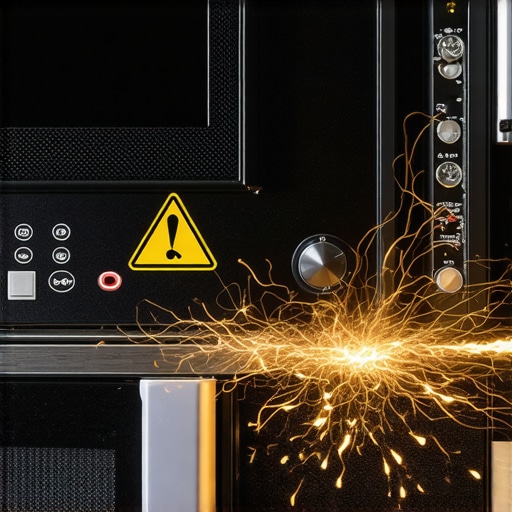
It was late one evening when I first heard that faint buzzing sound coming from my microwave. At first, I dismissed it—just another typical appliance hum. But then, suddenly, it stopped heating food altogether. That sinking feeling hit me—could this be the dreaded magnetron failing? I learned the hard way that ignoring subtle signs can turn a minor inconvenience into a dangerous situation. If your microwave’s performance has suddenly become inconsistent or if you’re experiencing strange noises, you might be facing a failing magnetron—a component crucial to your microwave’s function, but also one that can pose serious hazards if neglected.
Detecting the Silent Dangers of a Failing Magnetron
The magnetron is essentially the heart of your microwave, generating the microwave radiation that cooks your food. When it begins to fail, your appliance doesn’t just stop working; it can be a safety hazard. Common symptoms include unusual buzzing or humming noises, sparking or arcing inside the microwave, or a noticeable decrease in cooking performance. Sometimes, the microwave may turn on but produce no heat, which is a clear red flag. I’ve seen cases where homeowners, myself included early on, underestimated these signs and paid the price.
Recognizing these early symptoms is key because a faulty magnetron can sometimes lead to microwave leaks of microwave radiation, which can be harmful. The U.S. Food and Drug Administration emphasizes that damaged microwave ovens might leak radiation and should be inspected or repaired promptly [source](https://www.fda.gov/radiation-emergency-response/microwave-ovens). It’s not just about appliance functionality—it’s about your safety.
But here’s the catch: many people, myself initially, make the mistake of trying to repair these issues on their own, thinking a quick fix can save money. That can escalate the problem or even cause injury. Knowing when to call a professional is crucial—learning the signs early can keep your home safe and prevent costly damage.
Are you worried that your microwave might be exhibiting these symptoms? Don’t ignore them. With the right knowledge, you can act swiftly and safely. Up next, I’ll guide you through the steps to assess your microwave’s condition before calling in the experts, like those offering [same-day appliance repair services](https://discountappliancehub.com/scheduling-your-appliance-repair-for-same-day-service-in-2025). Recognizing the warning signs now can save you from a dangerous ordeal later.
Turn Off and Unplug the Microwave
The first move is to make your safety top priority. Disconnect the microwave from the power outlet to eliminate any risk of electric shock, especially since internal components like the magnetron carry high voltages even when unplugged. During my own repair attempt, I always double-check this step to prevent accidents.
Open the Microwave Casing Carefully
Use a screwdriver to remove the screws holding the back or top panel, depending on your model. Place the screws in a safe container. Think of this like unsealing a secure box – patience and precision are key. Remember, manufacturer designs vary, so consult your user manual or safety guides for details. I once rushed into this step without proper info and ended up damaging internal parts, so a slow, methodical approach avoids costly mishaps.
Identify the Magnetron and Related Parts
Inside, locate the magnetron—a large, cylindrical component with cooling fins. It’s usually connected with a high-voltage capacitor, waveguide, and magnetron terminals. Take a photo or note connections; my mistake was forgetting which wire went where, causing confusion during reassembly. These parts are like the engine and fuel lines of your microwave: critical for operation but dangerous when mishandled.
Perform Visual Inspection
Look for signs of damage: burn marks, corrosion, or broken connections. Arcing marks indicate internal failures. If you see any, it’s a sign that the magnetron is failing or already failed. In my case, a tiny crack was hiding behind the fins, unnoticed at first but causing intermittent noise and heating issues. Catching such signs early prevents further damage and potential hazards.
Test the Magnetron’s Electrical Continuity
Use a multimeter set to continuity mode or resistance. Remove the magnetron’s terminals carefully, then check the terminals and the magnetron’s casing for continuity. A reading of ‘OL’ (open loop) suggests the magnetron is broken. Remember, I once attempted this test without disconnecting the terminals properly, causing faulty readings—so ensure all power is isolated and connections are secure before testing. This step helps determine whether the magnetron requires replacement or if the problem lies elsewhere.
Assess the Power Supply and Control Board
Sometimes, the issue isn’t the magnetron itself. Check the high-voltage relay, capacitor, and control board for visible damage or burnt components. Using a voltage tester, verify the power reaching the magnetron. I learned this the hard way when a faulty relay prevented the magnetron from firing, mimicking a bad part. Proper diagnosis of the entire circuit saves money and time.
Decide on Repair or Replacement
If you find a broken magnetron, weigh the options. Replacing a magnetron involves handling high-voltage components; safety, warranty, and skill matter. For many DIYers, hiring a professional, especially with [same-day appliance repair services](https://discountappliancehub.com/scheduling-your-appliance-repair-for-same-day-service-in-2025), ensures safety and quality. I once attempted a quick fix myself, but a misconnection nearly caused a short circuit—professional service is often the wiser choice.
Reassemble and Test the Microwave
After replacement or repair, carefully reattach all components, restore the casing, and secure all screws. Plug in the microwave and run a test with a cup of water to confirm proper operation. Observing safety and precision during reassembly guarantees reliable performance. Remember, missteps here can cause further issues or hazards, so take your time.
Know When to Call Experts
If you’re unsure or uncomfortable with any step, especially working with high-voltage parts like the capacitor or magnetron, it’s safer to contact specialists. Professionals also provide warranty-backed services, minimizing your risk. For quick peace of mind, consider [professional same-day appliance repair](https://discountappliancehub.com/expert-guide-to-appliance-repair-and-installation-today) to handle complex diagnostics or replacements efficiently. This approach ensures safety and saves you from costly damages or health risks.
Many homeowners assume that appliance repair, especially for urgent needs like same-day service, is straightforward and always guarantees full coverage under warranties. However, this belief often leads to costly mistakes and overlooked nuances that can complicate repairs or void warranties. One of the most pervasive myths is that all repair services are created equal—when in reality, a quick fix from an unverified technician could result in further damage or safety hazards. For instance, some believe that warranty coverage automatically includes any repair, but many warranties exclude specific issues or require professional, authorized service providers to maintain validity. Moreover, there’s the misconception that installation is a simple plug-and-play task; in truth, improper installation can undermine appliance efficiency, shorten lifespan, and even void warranty protections. Investing in certified professionals not only ensures adherence to manufacturer guidelines but also preserves your warranty benefits, as detailed in expert guides available on our site. An advanced mistake homeowners might overlook is assuming that all parts are interchangeable or that DIY fixes are sufficient for complex issues like faulty magnetrons or control boards—when in fact, improper handling can cause electric shocks, fire hazards, or permanent damage. This is why understanding the nuance between reliable, warranty-backed repairs and incomplete DIY endeavors is crucial. Common pitfalls include ignoring subtle operational signs, such as strange noises or inconsistent performance, which may signal underlying issues that can’t be addressed with temporary solutions. For example, replacing a microwave’s magnetron without proper diagnosis not only risks electrical hazards but also can void warranty if not performed by authorized technicians. So, how do you avoid these pitfalls? Always verify that your service provider is certified and experienced, especially for same-day repairs, to ensure safety and warranty protection. As expert sources emphasize, engaging with licensed professionals reduces the risk of improper repairs and aligns with manufacturer standards, thereby extending appliance longevity. When it comes to installation or emergency repairs, don’t settle for second-rate services; opt for trusted, warranty-backed companies that can deliver prompt, quality work. To maximize your warranty benefits and ensure peace of mind, review the specific coverage and exclusions, as many warranties have fine print that homeowners often overlook. For comprehensive guidance, you might find our in-depth articles helpful, such as those detailing reliable installation strategies or tips for leveraging warranty coverage during emergency repairs. Remember, taking shortcuts or believing in myths can cost more in the long run—so stay informed and choose qualified professionals for your appliance needs. Have you ever fallen into this trap? Let me know in the comments.Maintaining your appliances effectively requires more than just basic knowledge; it demands the right tools and a systematic approach. Personally, I swear by using a digital multimeter with high-precision probes. It allows me to diagnose issues like failing capacitors or faulty wiring with confidence, saving time and ensuring safety. For instance, when checking microwave magnetron continuity, having a multimeter that displays resistance and voltage helps catch faults that might not be visible visually. Another device I rely on is an infrared thermometer. It’s invaluable for remote temperature sensing on components such as the compressor coils or heating elements, helping forecast potential failures before they disrupt your daily routine. As technology advances, I predict that integrated diagnostic tools — like smart sensors embedded in appliances — will become standard, making maintenance even more proactive. Regularly employing these tools extends appliance life, reduces emergency calls, and keeps your service costs low.
How do I maintain appliances over time?
Consistent cleaning, like clearing vent filters and condensers, combined with scheduled testing using diagnostic tools, maintains optimal performance. For example, correctly calibrating your smart thermostat using an infrared thermometer can prevent unnecessary energy waste. When scaling these techniques, consider investing in a professional-grade multimeter and thermal camera, especially for complex systems. Using advanced diagnostics may seem daunting initially, but I recommend trying out a digital multimeter first. It’s user-friendly and will immediately improve your troubleshooting accuracy. Remember, keeping your appliances in top shape isn’t just about fixing when something breaks; it’s about continuous monitoring and preventive care. For expert guidance, check out our comprehensive guide to appliance maintenance. Start incorporating these tools into your routine, and you’ll notice a marked difference in performance and longevity, which could save you significant repair costs down the road. Don’t forget to schedule regular inspections through professional services, especially if you notice irregular operation. Want to take your maintenance to the next level? Try using a thermal imaging camera to identify hotspots in your refrigerator or dryer; it’s a game-changer in early detection of potential issues.
Lessons Hidden in My Repair Journey
One of the most eye-opening lessons I discovered was that no matter how tempting, rushing into microwave repairs without proper knowledge can lead to dangerous situations. Ensuring the microwave is fully unplugged before opening the casing isn’t just a step; it’s the foundation of safety. I also realized that a visual inspection, looking for burn marks or corrosion, often reveals more than any multimeter reading. Lastly, trusting the process and recognizing limitations is crucial—if you’re uncertain, calling a professional, especially when it comes to high-voltage components like the magnetron, is the smartest move.