
Last summer, I was in the middle of a heatwave, sweating profusely while trying to relax on my couch. Suddenly, I heard that unmistakable loud clicking sound coming from my air conditioning unit. My heart sank—I knew I had a problem, but I didn’t know whether it was minor or a sign of something serious. That lightbulb moment made me realize how little I understood about my AC’s behavior, especially those peculiar noises.
Why That Persistent Clicking Could Signal More Than Just a Quirk
If you’ve ever been jolted awake by a series of loud clicks from your AC, you’re not alone. Those tiny sounds can sometimes be innocent, like relay switches activating. But often, they hint at something more problematic—possibly an issue with the motor or electrical components that, if unchecked, could lead to expensive repairs or total system failure. Understanding what your AC’s noises mean is crucial to avoiding costly surprises, and I promise, after sharing my experience and insights, you’ll be better equipped to tackle this mystery.
Is Ignoring the Clicking Actually Worth the Risk?
Early in my troubleshooting adventure, I made the mistake of dismissing those clicks as normal or minor. Sadly, that delay in activeness allowed the problem to worsen, leading to a complete motor replacement. Trust me, I learned the hard way that ignoring unusual noises can cost more in the long run. To prevent you from making the same mistake, I’ll guide you through the signs that your clicking noise is more than just a quirk and what steps to take next. If you’re curious about how to ensure your AC is reliable during the hottest days, I recommend checking out this expert guide.
Next, we’ll dive into the common causes behind those unsettling clicking sounds and how you can identify whether it’s time to call in a professional for your AC’s health.
Isolate the Noise Source to Pinpoint the Issue
Start by turning off your AC and listening carefully to locate exactly where the clicking is coming from. Use a flashlight if needed to peek inside the unit. I once faced this myself when my fan housing was blocked by debris, causing it to click loudly when trying to spin—clearing the debris resolved the issue instantly. Remember, identifying whether the sound originates from the compressor, fan motor, or relay switch helps determine the necessary fix.
Check Electrical Components and Connections
Inspect the Relay Switches and Contactors
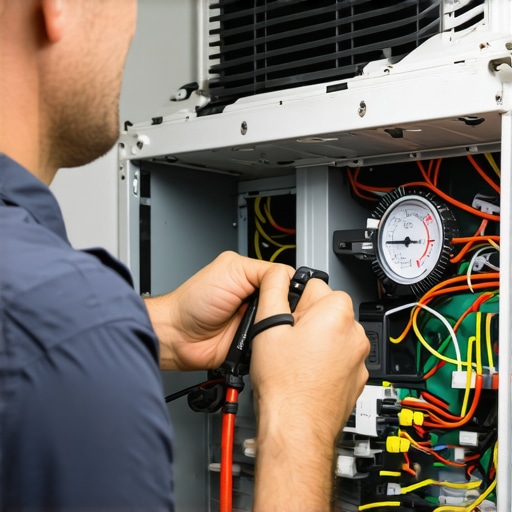
Relays and contactors control power flow. When they wear out, they often produce repetitive clicking. Turn off power, remove the panel, and visually examine for signs of pitting, burning, or corrosion. Replacing faulty relays is straightforward if you follow manufacturer diagrams, but a professional is recommended if you’re unsure. For quick guidance, the expert guide provides detailed steps.
Test the Capacitors and Wiring
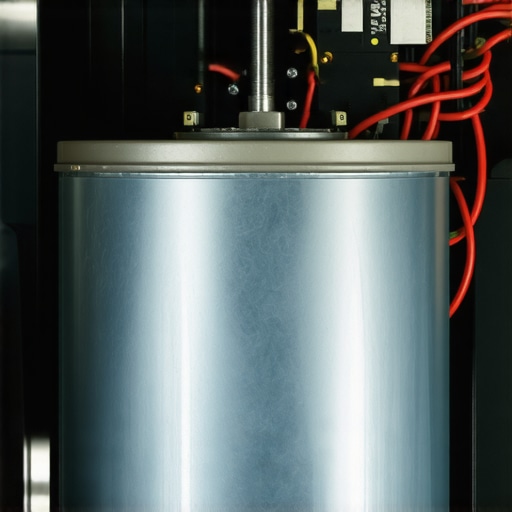
Capacitors manage starting torque in motors. A failing capacitor may cause clicking and hesitation. Use a multimeter to check capacitance or look for bulging tops and leaks—signs it’s dead. Replace if needed, but prioritize safety by disconnecting power and consulting a professional if you’re unfamiliar with electrical testing. For detailed procedures, explore same-day repair solutions.
Inspect Mechanical Parts for Wear and Damage
Worn-out bearings or misaligned fan blades can produce clicking sounds under operation. Manually spin the fan blades to feel for resistance or wobbling. If you detect imbalance or roughness, lubricate or replace the affected parts. Remember, safety is key—power should be disconnected before inspection. For a hands-on walkthrough, consider reading professional repair expectations.
Test the System After Repairs
Once you’ve addressed electrical and mechanical issues, restore power and observe the system’s operation. Listen for unusual noises or clicking, and check for proper cooling. If the noise persists, further investigation may be necessary, possibly indicating compressor problems, which require a technician’s expertise. For quick scheduling, visit same-day service scheduling. Proper testing ensures that your repairs are effective and that your AC runs smoothly through the heatwave.
Many homeowners believe they understand appliance repair after watching a few YouTube videos or reading quick guides. However, the reality is that most people overlook crucial nuances that can make or break the longevity of their appliances. For instance, a common myth is that all repairs are interchangeable or that warranty coverage always covers every repair need. But in my experience, the fine print often reveals exclusions that catch many by surprise, especially regarding routine maintenance or DIY fixes. Your warranty might not cover issues caused by improper installation or neglecting recommended service intervals—something a seasoned pro knows well. An important warranty-backed service ensures peace of mind, but only if you’re aware of what it truly covers.
Falling into the trap of assuming every same-day service is equally reliable can also be costly. Many believe that quick fixes mean quality, but haste often leads to overlooking underlying problems or rushing through checks, which could result in repetitive failures. A professional technician pays attention to these subtleties, such as peculiar sounds or uneven operation, that a casual observer might dismiss. Remember, a mistake like neglecting to verify the proper installation, or assuming the issue is superficial, can lead to expensive damage. For comprehensive insights, the expert guide to same-day repair offers valuable advice.
Sometimes, the most overlooked aspect is how advanced systems have become, incorporating sensors and automation designed to detect faults early. Advanced diagnostics mean technicians need to interpret data correctly; this is where many amateurs falter. For example, diagnosing a failing control board or sensor issue requires experience—simply replacing parts without proper testing may just be a temporary fix. If you want to avoid these common pitfalls, check out the comprehensive repair guide.
So, what pitfalls do most people not see coming in appliance repair? First, undervaluing the importance of precise electrical checks, such as testing capacitors and wiring, can leave hidden issues unresolved. Second, neglecting mechanical inspections, like worn bearings or misaligned components, often results in recurring failures. Third, misunderstanding warranty coverage—thinking it covers all damages—can lead to out-of-pocket expenses that could have been avoided with careful review.
Remember, dirty filters, improper installation, or ignoring minor noises can seem insignificant but often hint at bigger problems. Properly diagnosing and addressing these nuances saves money and prolongs appliance lifespan. To further refine your approach, consider reading tips for reliable installation.
Have you ever fallen into this trap? Let me know in the comments.
Equip Yourself with the Right Tools for Reliable Repairs
Having the proper tools on hand is essential for maintaining and troubleshooting appliances effectively. I personally prioritize a high-quality digital multimeter because it allows me to quickly measure electrical parameters such as voltage, current, and resistance, ensuring safe and accurate diagnostics. A good set of screwdrivers, particularly insulated ones, helps in accessing panels without risking shorts. Additionally, a precision thermometer is invaluable for checking temperature inconsistencies in refrigerators and ovens, pinpointing issues before they escalate.
For mechanical parts like belts, bearings, or fans, I rely on a reliable torque wrench to ensure components are tightened to manufacturer specifications, preventing future failures. An ultrasonic cleaner can help remove stubborn grime and mineral deposits, extending component lifespan and improving performance. Having a coolant gauge and a refrigerant leak detector is also crucial when dealing with HVAC or refrigerator systems — it minimizes trial-and-error and speeds up repair times.
Leverage Software for Efficient Maintenance and Monitoring
While physical tools are indispensable, digital solutions streamline ongoing appliance care. I recommend using diagnostic apps compatible with smart appliances, which can alert you to potential malfunctions before they cause significant damage. For example, many modern thermostats and refrigerators offer remote monitoring features, allowing for early detection of temperature drops or sensor faults. Regularly reviewing logs from these apps helps in scheduling preventive maintenance, reducing the risk of unexpected breakdowns.
Furthermore, maintaining an organized digital record of repairs, parts replaced, and maintenance schedules can simplify warranty claims and future troubleshooting. I use cloud-based note-taking apps to keep these logs accessible across devices, simplifying the process of tracking appliance history over time.
Stay Ahead with Preventive Maintenance Routines
Scheduled checks can significantly extend your appliances’ lifespan. For instance, cleaning condenser coils of refrigerators every six months prevents overheating and reduces energy consumption. Inspecting and replacing filters in HVAC systems annually, as recommended by manufacturers, maintains optimal airflow and efficiency. Test safety switches and electrical connections periodically with your multimeter to catch early signs of wear.
Implementing these routines requires discipline, but the payoff is noticeable in longer appliance life and fewer emergency repairs. For detailed checklists and expert advice, I suggest exploring this comprehensive repair guide.
How do I maintain appliance longevity over time?
Practicing consistent preventive maintenance—like cleaning, testing electrical components, and updating software—helps prevent small issues from becoming costly repairs. Additionally, using quality parts and tools ensures the repairs last longer and perform better. To ease ongoing care, consider scheduling regular professional inspections, which can spot potential problems early. It’s also wise to keep a detailed record of all service activities, aiding warranty claims and future diagnostics. For reliable, quick repairs when emergencies arise, check out this same-day service scheduling.
Remember, staying proactive with your appliance maintenance not only preserves functionality but also saves money and stress in the long run. As technology progresses, manufacturers are increasingly integrating diagnostic tools in appliances, making it easier to track issues remotely and schedule timely repairs — a trend that I believe will only grow, improving how homeowners like us keep our appliances running smoothly.
The Hardest Lesson I Learned About Appliance Repair, Installation, Warranty, and Same-Day Service
One of the most profound lessons I discovered was that rushing through repairs or neglecting small warning signs often leads to bigger, more costly problems down the line. Taking the time to properly diagnose and address issues—like a persistent clicking noise—can save you from extensive repairs and frustration.
3 Myths About Appliance Repair and Warranty That Held Me Back
I used to believe that all repairs could be DIYed with a quick YouTube fix or that warranties always covered every issue. Both misconceptions delayed professional help and, in some cases, voided coverage. Knowing the true scope of warranties and when to call the experts changed my approach entirely.
What Experts Won’t Tell You About Same-Day Service and Maintenance
Many assume that same-day repairs mean cutting corners or low quality. The truth is, reputable technicians use this time to thoroughly diagnose underlying problems, preventing future failures. Investing in quality service during urgent moments ensures longevity and peace of mind.
Curated Tools and Guides That Transformed My Approach
Having the right tools makes all the difference. I trust a digital multimeter for electrical checks, professional-grade screwdrivers for safe disassembly, and a refrigerant leak detector for HVAC issues. For comprehensive steps and insights, the expert repair guide has been invaluable.
Embracing the Power of Preventive Routine Checks
Establishing regular maintenance habits like cleaning filters, inspecting electrical connections, and testing safety features can extend appliance life exponentially. Small habits, like quarterly coil cleaning or yearly calibration checks, make a noticeable difference. Staying proactive helps avoid emergency repairs and keeps appliances humming smoothly.
Your Next Move: Empowered Repairs Await
Remember, understanding your appliances beyond the surface—recognizing noises, checking connections, and knowing when to call professionals—empowers you to keep everything running efficiently. The journey toward appliance mastery is ongoing, but every step taken today adds up in reliability and savings. If you’re ready to take that leap, explore trusted installation services and same-day repair scheduling to get started.