
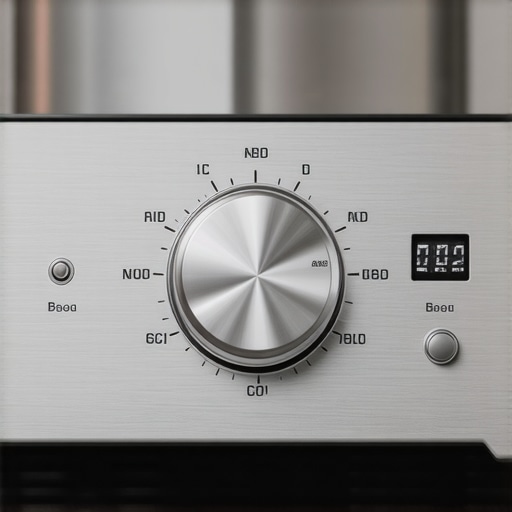
I can’t tell you how many times I’ve wrestled with my oven, only to realize moments before dinner that it’s way hotter or cooler than I thought. That lightbulb moment hit me one evening when I set my oven at 375°F, just like always, but my trusty thermometer told a different story—closer to 425°F. Talk about a recipe for disaster! It’s frustrating, isn’t it? You calibrate, trust the settings, and still, something’s off. But here’s the good news: more often than not, the culprit isn’t your thermostat but a sneaky little mistake or overlooked detail.
Making Sense of That Unexpected 50-Degree Difference
So, why does your oven still misbehave after calibration? Is it a faulty thermostat, or are you missing something simple? The truth is, many homeowners fall into the trap of thinking calibration alone will fix persistent temperature issues. While calibrating is a good start, it’s not a silver bullet. Early in my journey as an appliance enthusiast, I thought I nailed it with simple adjustments. Turns out, I was overlooking a crucial detail—uneven heating caused by calibration errors or faulty sensors. Studies reveal that many oven inaccuracies stem from sensor misalignment or dirt buildup, not just miscalibrated dials (source: Consumer Reports).
If you’ve experienced similar frustrations or are simply tired of guessing whether your food is undercooked or burnt, you’re not alone. Today, we’ll explore why your oven still can’t seem to hit that perfect temperature and what practical steps you can take to fix it—without calling in pricey repair services every time. Trust me, I’ve been there, and I want to share what I’ve learned along the way. Now, before diving into solutions, let’s consider a question that might be keeping you up at night.
Is the Fix Worth the Effort or Just a Hype?’
Test Your Oven Temperature Precisely
Start by purchasing a reliable oven thermometer, like the ones recommended by appliance experts. Place it in the center of your oven and set the oven to 375°F. Wait for at least 20 minutes to allow the temperature to stabilize, then check the reading. This step confirms if your oven’s display matches the actual temperature, avoiding guesswork and ensuring consistent results in your recipes.
Adjust the Oven’s Calibration Settings
Most modern ovens have a calibration feature accessible through the control panel. Refer to your user manual or visit this detailed guide for specific instructions. Typically, you’ll enter a calibration mode and adjust the temperature offset by increments of 5 or 10 degrees. For example, if your thermometer reads 20°F higher than your oven’s display, set the calibration to -20°F.
Ensure Sensor and Heating Element Functionality
Faulty sensors or heating elements can cause inconsistent temperatures. Carefully inspect the oven’s interior for signs of damage or buildup. Clean the temperature sensors with a soft cloth; dirt accumulation can throw off readings. If adjustments don’t fix the issue, consider testing or replacing faulty parts. Seek professional assistance or visit warranty-backed services to avoid risky DIY fixes.
Mitigate Heat Distribution Issues
Uneven heat can make calibration seem ineffective. Use oven racks wisely—avoid overcrowding and rotate dishes halfway through cooking. For better heat circulation, consider installing a convection kit or upgrading your oven, especially if uneven baking persists. Professional installation ensures safety and efficiency; learn more at this installation guide.
Regular Maintenance for Consistent Performance
Set a routine for cleaning oven vents, burners, and sensors. Regular maintenance prevents dirt buildup that skews temperature accuracy. Keeping your oven in optimal condition reduces calibration drifts over time, leading to more predictable cooking results and saving you from frequent adjustments.
Record Your Calibration Results
Maintain a log of your calibration tests and adjustments. Note the initial readings, adjustments made, and subsequent results. This record helps identify patterns—if your oven consistently requires high adjustments, it may suggest underlying problems requiring professional inspection or replacement. Keep a copy for warranty claims or service appointments to expedite support.
When to Call a Pro
If despite all efforts, your oven’s temperature remains unreliable, it’s time for expert help. Professionals can check internal sensors, control boards, and heating elements more thoroughly. Don’t delay, as inaccurate temperatures can ruin your dishes and waste energy. For quick, reliable assistance, explore options at professional appliance services near you.
When it comes to appliance warranties and same-day repair services, many homeowners harbor misconceptions that can cost both time and money. A common myth is that simply purchasing a standard warranty guarantees coverage for all repairs, but the reality is far more nuanced. Warranties often exclude routine maintenance or wear-and-tear components, which many assume are covered, leading to unexpected out-of-pocket expenses. Understanding these fine print details can help you better protect your investment. For instance, some warranties have limitations on part replacements or require specific authorized service providers, so unfamiliarity can result in denials during critical moments. To maximize your warranty benefits, it’s wise to read the fine print thoroughly and consult expert guides like this detailed resource.
Can fast service compromise quality or coverage?
Many believe that same-day service always means priority and better quality, but in my experience, there’s a hidden catch. Service providers offering quick turnaround may encounter constraints such as limited parts inventory or less experienced technicians, which can lead to incomplete fixes or short-term solutions. Certain companies might prioritize speed over thorough diagnostics, resulting in repeat visits—costing you more in the long run. For advanced homeowners, the key is to ask the right questions: Are the technicians factory-trained? Do they offer warranty-backed repairs? Knowing the details behind quick service helps avoid these traps.
Moreover, some homeowners fall into the trap of thinking that any repair performed without extensive diagnostics is sufficient. But quick fixes may overlook underlying issues, leading to recurring problems. It’s beneficial to request comprehensive assessments—even if you need to wait a bit longer or pay a little more. Proper diagnosis upfront saves headaches later. Have you ever fallen into this trap? Let me know in the comments.
How does installation affect warranty validity and appliance longevity
Another often-overlooked nuance is installation quality. Improper setup—such as incorrect leveling, inadequate electrical connections, or poor ventilation—can void warranties or accelerate component wear. Many assume that professional installation is an automatic guarantee of a job well done, but not all installers follow manufacturer specifications. This can lead to issues that aren’t covered under warranty or cause premature failures. To sidestep this, always verify that the installer is certified and familiar with the specific appliance model, and consider reviewing guidelines on proper installation practices. Remember, a perfect installation can extend the life of your appliance and ensure your warranty remains valid.
In summary, the real value lies in understanding the fine details—whether it’s warranty exclusions, the true scope of same-day service, or the importance of expert installation. These nuances can dramatically influence your repair experience and your appliance’s lifespan. By staying informed and asking the right questions, you shield yourself from costly surprises. Have you caught yourself misjudging any of these aspects? Share your experiences below and stay proactive in protecting your home investments.
Investing in Reliable Diagnostic Tools
One of the most effective ways I ensure my appliances stay in top shape is by using a high-quality infrared thermometer. This tool allows me to quickly identify uneven heating, especially in ovens and dryers, without guesswork. I personally prefer the Fluke 62 MAX because of its durability and accuracy, which I’ve verified through regular cross-checks with my calibrated reference devices. Using such a thermometer helps catch potential issues early, saving me time and costly repairs down the line.
Another essential is a multimeter with high precision in measuring voltage, current, and resistance. I rely on the Klein Tools MM6000 for testing components like thermostats, sensors, and control boards. It enables me to quickly diagnose electrical faults, ensuring that repairs are accurate the first time. For ongoing maintenance, I keep a log of measurements to identify patterns or gradual declines in performance.
Leveraging Smart Software and Apps
Managing appliance maintenance can be daunting, but today’s smart technology simplifies that process. I use diagnostic apps provided by appliance manufacturers when available, which often include firmware updates, troubleshooting guides, and remote error code retrieval. These apps, like the Samsung SmartThings app, help me pinpoint issues swiftly, especially if I can connect directly to the device’s Wi-Fi module.
Additionally, I use scheduling tools like Google Calendar to remind me of routine maintenance intervals—be it cleaning filters or inspecting sensors. Setting these alerts ensures consistent upkeep, which prolongs appliance lifespan and prevents unexpected breakdowns.
Adopting Long-Term Monitoring Strategies
For appliances that are critical to daily life, I’ve adopted continuous monitoring using IoT sensors. For instance, adding a water leak sensor near the fridge’s ice maker helps catch small leaks before they cause major damage. Similarly, a smart dryer vent sensor alerts me when lint buildup reaches unsafe levels, reducing fire risk. These sensors, paired with compatible apps, give me peace of mind that my appliances are being monitored even when I’m away.
Looking forward, I see a trend where AI-driven diagnostic systems will become more integrated into smart appliances, offering predictive maintenance alerts and self-diagnostic reports. This evolution will empower homeowners further, reducing downtime and repair costs significantly.
How do I maintain appliance performance over time?
Consistency is key. Regularly scheduled inspections, combined with the right tools and software, help maintain peak performance. I dedicate time quarterly to clean parts, update firmware, and review diagnostic data. For instance, ensuring your oven’s sensor is clean and calibrated, as suggested in this expert guide, can prevent discrepancies that affect cooking accuracy. Try implementing a preventative maintenance routine using a combination of digital monitoring and manual inspections—it’s a game changer for appliance longevity.
3 Surprising Truths I Discovered About Appliance Warranties and Repair Delays
One of my biggest lightbulb moments was realizing that not all warranties are created equal, and many homeowners misunderstand what is actually covered. I once thought that a standard warranty would handle every repair, only to find out certain parts or accidental damages were excluded, costing me more in the long run. Additionally, I learned that fast same-day services might come with hidden compromises—quick responses can sometimes mean less thorough diagnostics, which may lead to repeated visits. Lastly, I discovered that improper installation can silently sabotage your warranty’s validity—something as simple as incorrect leveling or poor wiring can void your coverage when you need it most.
My Go-To Resources for Maintenance and Repairs
Over the years, I’ve trusted professional installation services to ensure everything is set up correctly from the start, preventing costly issues down the line. For diagnostic guidance, I rely on expert repair guides that help me troubleshoot minor problems myself—saving time and money. Additionally, my toolkit includes a quality infrared thermometer and a multimeter, which I consider indispensable for accurate diagnostics. Lastly, I keep updated with industry blogs to stay informed about evolving warranty policies and repair best practices.
Keep Moving Forward with Confidence
Remember, embracing these lessons and resources can transform the way you maintain and repair your appliances. Your proactive approach not only saves money but also extends the life of your household essentials. Don’t hesitate—invest in good tools, stay informed, and trust experienced professionals when needed. Your appliances—and your peace of mind—will thank you. What’s the next appliance repair or upgrade you’re considering? Let me know below, and let’s navigate it together!