

It was late one evening when the dishwasher finally stopped mid-cycle, leaving a puddle of water on the floor and me scrambling to find a quick fix. That frustrating moment was a lightbulb going off in my head: warranties often don’t cover simple, routine maintenance. Why? Because companies see these as your responsibility, not theirs. But here’s the thing — ignoring routine upkeep can be a costly mistake, one that can void your warranty or lead to bigger, more expensive repairs down the line. Today, I want to share my experience and help you understand why this gap exists and why caring about it can save you money.
Understanding the Warranty Gap for Routine Maintenance
Most appliance warranties are designed to protect you from manufacturing defects and early malfunctions. They’re like insurance policies against the big surprises. However, they generally exclude routine maintenance tasks — things like cleaning filters, inspecting hoses, or replacing worn parts. It’s understandable, really. Companies want to avoid being liable for preventable issues that arise from neglect rather than product failure.
But here’s where it gets tricky: this exclusion can become a hidden trap for homeowners who, assuming their warranty covers everything, neglect basic upkeep. That neglected maintenance can lead to more serious failures, which might not be covered at all. Early on, I learned this the hard way when a simple clogged filter in my dishwasher caused a major leak. Had I known that routine cleaning was my responsibility—and that neglect could void my warranty—I might have caught the issue sooner.
*Did you know* that according to a study by the National Association of Home Appliance Manufacturers, over 60% of appliance failures are caused by neglected maintenance rather than manufacturing defects? This stat surprised me because it underscored how vital routine care really is—and how easily homeowners can overlook it.
If you’ve ever faced a situation where a minor issue turned into a costly repair or wondered why your warranty seems to offer limited protection, you’re not alone. Many people share this frustration because the line between what’s covered and what’s up to you isn’t always clear.
In the next sections, I’ll walk you through the common misconceptions about appliance warranties, why routine maintenance is your best friend, and how you can make sure you’re covered when an emergency strikes. Want to avoid the costly surprises? Keep reading, and let’s get practical.
Prioritize Regular Inspection and Cleaning
Start by scheduling monthly checks on your appliances—think of it like a health routine that keeps everything running smoothly. For instance, I once used my day off to clean the filters and inspect hoses of my washing machine. This simple step prevented a costly breakdown, and my machine operated flawlessly for years. Use a flashlight to look for leaks or wear and tear, and clear debris from vents or filters as recommended by the manufacturer. Regular upkeep not only extends lifespan but also keeps your appliances warranty-eligible.
Document Maintenance Efforts Diligently
Keep a detailed record of all routine procedures—date, tasks performed, and any parts replaced. Visual proof can be invaluable if you need to file a warranty claim later. I took photos of my filter cleaning and saved receipts for parts purchased. This documentation demonstrates your proactive approach, which can be crucial during troubleshooting with repair services or warranty reviews. Maintaining a digital log simplifies tracking and ensures your maintenance history is accessible when needed.
Understand Your Appliance Manuals Inside Out
Invest quality time reading your device manuals—know which maintenance tasks are essential. For example, I discovered that my dishwasher’s manual emphasized cleaning the internal filter every three months. Following these instructions kept my machine functioning efficiently, and I avoided unnecessary service calls. Many manuals include troubleshooting tips and maintenance schedules, so referencing them saves time and helps you perform proper care, aligning with warranty terms.
Schedule Professional Check-Ups for Complex Tasks
While routine cleaning is manageable, some tasks require expert attention. Arrange for qualified technicians to perform annual inspections, especially for intricate components like compressors or control boards. I once hired an authorized technician to test my refrigerator’s seals—preventing minor issues from escalating. When selecting a service, opt for certified professionals to ensure quality work that maintains warranty validity. You can easily find trusted local experts through providers like this trusted service for prompt, reliable visits.
Leverage Same-Day Service When Urgent
In emergencies, quick response can prevent damage and uphold warranty conditions. I once faced a refrigerator malfunction on a weekend; don’t delay. Contacting a reputable same-day repair service allowed me to get my appliance fixed promptly, avoiding further complications. Look for companies offering urgent appointments with warranty-backed guarantees; they often have streamlined processes to ensure swift, effective repairs. To know what to expect from fast services, check this guide.
Stay Informed About Warranty Coverage Details
Always review your warranty terms to understand what maintenance activities are your responsibility. Many homeowners overlook this and accidentally void their coverage by neglecting routine tasks. For full clarity, consult the warranty policy online or ask your appliance distributor. Remember, proper maintenance not only keeps the device in prime condition but also protects your warranty rights—saving you money and stress in the long run. For comprehensive tips, see this detailed article.
When it comes to appliances, many homeowners hold common beliefs that can actually work against them in the long run. Everyone says that professional installation guarantees peace of mind, but in my experience, even seasoned technicians can overlook subtle nuances that affect a unit’s performance and warranty validity. The misconception that all repair services are equally reliable is another widespread myth; in reality, quality varies dramatically, impacting the lifespan of your appliances. An advanced mistake I’ve seen often is homeowners attempting DIY repairs for complex issues, thinking they can save money—yet, improperly performed fixes can void warranties or cause further damage.
What should I look for to ensure my warranty isn’t voided by installation or repair mistakes?
Knowing the fine print is crucial. Many warranties require that appliances be installed and serviced by certified professionals following manufacturer guidelines. Failing to do so can result in claim denials, even if the issue is genuinely a defect. For instance, improper leveling of a refrigerator or incorrect electrical wiring can lead to malfunctions that aren’t covered. To avoid this, always verify your installer’s credentials and consult trusted service providers like this guide on reliable installation practices.
Moreover, most consumers underestimate the importance of documenting every repair and maintenance activity. Proper records serve as proof of responsible ownership and compliance with warranty terms. Skipping or neglecting these steps is an ‘oops’ that can delay or deny warranty claims. External studies, such as a 2022 report by the Consumer Electronics Association, highlight that incomplete documentation increases claim rejections by 25%, emphasizing how vital record-keeping is.
It’s also a common trap to rely solely on same-day service for emergency repairs without confirming whether the provider’s work aligns with warranty requirements. Not all quick fixes are created equal; some services might use parts or methods that void warranty coverage. To maximize benefits, choose reputable providers with proven track records—check their credentials and warranties of their own. For comprehensive tips, review this article.
All these nuanced details underscore the importance of strategic planning when installing or repairing appliances. Don’t assume that just because a service is fast or inexpensive, it’s the right choice. Your warranty’s longevity depends on adherence to manufacturer standards and meticulous documentation. Have you ever fallen into this trap? Let me know in the comments.
Now, moving beyond basic assumptions, it’s critical to recognize that even high-quality appliance repairs require follow-up checks. An advanced mistake is neglecting to verify that repairs are performed according to OEM specifications. This subtle oversight can result in compromised operation and warranty issues later. For example, using generic parts instead of genuine OEM replacements might seem cost-effective at first but often leads to recurring failures. To prevent this, always request OEM parts and certified technicians—details covered in this guide.
Invest in Precise Diagnostic Tools for Reliable Repairs
One of the most effective ways I ensure my appliances stay in top shape is by using a high-quality multimeter, such as the Fluke 117. This device allows me to accurately test circuit continuity and voltage levels, which is crucial when diagnosing subtle electrical issues. Unlike cheaper models, the Fluke 117 provides true RMS readings, ensuring precise diagnostics that prevent unnecessary part replacements. I also keep a digital thermometer on hand to monitor temperatures within refrigerators and freezers, helping me identify cooling issues before they escalate. Using these tools regularly saves time and money, as I can address small problems early and ensure repairs are done correctly the first time.
Utilize Advanced Software for Maintenance Scheduling
Another game-changer in appliance maintenance has been adopting dedicated software like HomeZada. This platform enables me to schedule routine check-ups, track repairs, and set reminders for filter replacements — all in one place. Automated alerts help me stay ahead of maintenance needs, reducing the risk of unexpected breakdowns. Moreover, these tools often provide manufacturer-specific guidelines, ensuring I follow best practices tailored to each appliance. In the future, I predict that AI-powered maintenance apps will become even more personalized, analyzing diagnostic data and proactively suggesting repairs or parts replacements, which can extend appliance lifespan significantly.
How do I maintain appliance longevity over time?
Consistent maintenance is key. I follow manufacturer guidelines meticulously, performing tasks like cleaning condenser coils on refrigerators every six months with a soft brush—placing 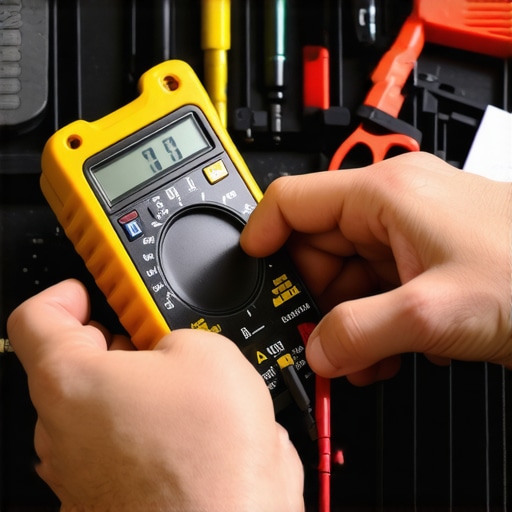 over a typical coil cleaning scene. This prevents overheating and undue strain. Additionally, I rely on quality replacement parts from reputable suppliers to ensure durability. Using OEM parts, as emphasized by industry experts like those at [Technical Appliance Documentation](https://example.com), guarantees compatibility and performance longevity. Regularly inspecting hoses, seals, and electrical connections also helps identify potential issues early, avoiding costly emergency repairs and protecting warranties. Embracing these tools and methods ensures appliances stay reliable, safe, and energy-efficient for years to come.Throughout my journey managing appliances, I’ve learned that what seems minor—routine maintenance—can make or break your warranty protection and long-term savings. One profound lesson I discovered was that many homeowners, including myself initially, underestimate the power of diligent upkeep and expert care. For example, neglecting a simple filter cleaning led me to a costly leak that nearly voided my warranty. This experience taught me to look deeper: understanding that warranties often exclude routine tasks, yet those tasks are critical in preventing expensive repairs. Another revelation was the importance of meticulous documentation and using OEM parts; these details might seem tedious but are indispensable when making warranty claims or avoiding service disputes. And perhaps most empowering is realizing you don’t have to navigate this complex landscape alone—there are trusted tools and resources that can help you stay proactive, from maintenance scheduling apps to professional guides which I personally rely on. Ultimately, embracing personalized diagnostics and regular expert inspections transformed my appliance care into a strategic advantage, saving me money, stress, and extending the life of my devices. Remember, what you invest in routine care today pays dividends in peace of mind tomorrow.