It was a scorching summer afternoon when I finally decided to swap out the old, grimy filter in my air conditioner, hoping for a quick refresh to beat the heat. I eagerly turned the system back on, only to be met with a bizarre disappointment—warm air was pouring out instead of the cool breeze I’d been craving. That lightbulb moment hit me hard: sometimes, simply changing the filter isn’t enough, and the problem runs deeper than I initially thought.
My AC’s Warm Air Dilemma: Not Just a Bad Filter
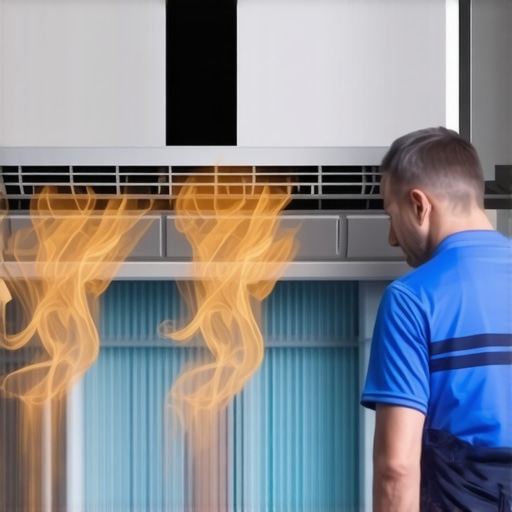
Have you ever experienced that frustrating moment when your AC refuses to cool, even after you’ve just replaced the filter? You’re not alone. It’s a common issue that leaves homeowners scratching their heads. The truth is, your filter is just one piece of a much bigger puzzle. If you’re like me, you want a quick fix, but often, the real cause is hidden in other components of your system.
Is It Really Worth All the Fuss?
I used to think that a fresh filter was the be-all and end-all. Early on, I made the mistake of dismissing other possible problems—like a clogged condenser coil or a malfunctioning fan motor—thinking they’d require a professional. But ignoring these can lead to bigger damages and higher bills. According to the Department of Energy, neglecting proper maintenance—like routine cleaning and inspections—can reduce your system’s efficiency by up to 30%. Trust me, I learned this the hard way, and I want you to avoid the same costly mistakes.
If you’ve just swapped your filter and still face warm air, don’t worry. I’ll walk you through what’s really going on and how to troubleshoot like a pro. Ready to finally get your AC cooling again? Let’s dive into the steps that will save you time, money, and more hot days spent sweating it out.
End of the introduction. The following sections will reveal the key checks and fixes that can restore your system’s chill, so stay tuned!
,
Check The Thermostat Settings
My first move was to ensure the thermostat was set correctly—set to cooling mode and at a temperature lower than the current room temperature. A common mistake is forgetting to switch from heat to cool or setting the temperature too high, which causes the system to ignore cooling commands. I once found my thermostat accidentally switched to ‘Fan Only,’ which kept the air circulating without cooling. Always verify these basic settings before proceeding.
Inspect The Condenser Coil
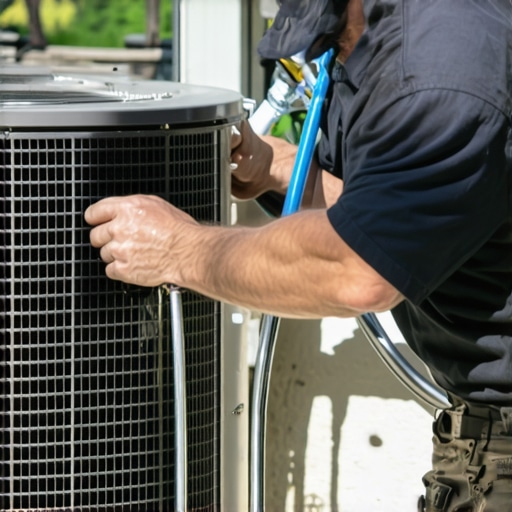
The condenser coil releases heat outside, and if it’s dirty or clogged, your system can’t cool efficiently. I turned off the unit, located the outdoor coil, and used a garden hose to gently rinse the debris and grime. Be cautious—avoid using high-pressure water that could bend the fins. Cleaning the coil improved heat exchange and restored cooling performance. Regular maintenance here can prevent issues like warm air leaks and increase system lifespan.
How to Recognize When The Coil Needs Cleaning
If the coil appears dirty, with visible dirt or grass, it’s time for a cleaning. Also, if your system runs constantly without cooling, this is a red flag. You might consider scheduling a professional service for thorough inspection and chemical cleaning, especially if you’re unsure about handling refrigerants or fin straightening. For reliable support, refer to https://discountappliancehub.com/same-day-appliance-repair-quick-solutions-with-warranty-support.
Examine The Fan Motor and Blower
A malfunctioning fan can cause warm air circulation. I listened for unusual noises or vibrations, indicating motor trouble. In my case, the blower fan was spinning sluggishly due to dust buildup. I turned off the power, removed the panel, and carefully cleaned the blades with a soft brush. Reassembling the unit, I powered it on to find the air cooling properly. Remember, if you suspect motor failure, it’s best to avoid DIY repairs and seek expert help to prevent further damage.
When to Call a Professional
If after these steps your AC still blows warm air, don’t attempt complex repairs like refrigerant recharging or capacitor replacements yourself. These involve high voltages or hazardous substances, and could void warranties if not handled correctly. Learn what professional services offer—including same-day appointments—at https://discountappliancehub.com/fast-trustworthy-appliance-installation-near-you and https://discountappliancehub.com/what-to-expect-from-same-day-appliance-repair-experts. A licensed technician can diagnose and fix deeper issues efficiently, saving you time and preventing costly damages.
Prioritize Routine Maintenance
Once your system cools again, setting a schedule for annual inspections and cleanings will keep it running smoothly. Regularly replacing filters, cleaning coils, and checking fan motors can eliminate most warm air issues early. For tailored advice, see https://discountappliancehub.com/expert-guide-to-appliance-repair-and-installation-today. Remember, proactive care is your best defense against unexpected breakdowns and hot days.
When it comes to appliance installation, same-day service, or warranty claims, many homeowners harbor misconceptions that can actually harm their appliances or cost them more in the long run. Let’s dig deeper into some overlooked nuances that most people get wrong, so you can navigate these issues with confidence.
A prevalent myth is that a quick, same-day repair always guarantees quality. In reality, rushing to fix an appliance without proper diagnostics can lead to further damage. Professional technicians often need a thorough inspection before proceeding; otherwise, you risk temporary fixes that mask underlying problems. For instance, a service that offers immediate repairs without proper diagnosis might overlook critical issues like a failing compressor or a worn-out valve—problems that could cause serious breakdowns later. Don’t be tempted by promises of instant fixes; instead, check whether the service follows comprehensive diagnostic procedures, as detailed in [what to expect from same-day appliance repair experts](https://discountappliancehub.com/what-to-expect-from-same-day-appliance-repair-experts).
Another trap many fall into is assuming that all warranties cover every damage or malfunction, which isn’t true. Many believe that their warranty is a catch-all safety net, but most have exclusions—like damages caused by misuse, neglect, or third-party repairs. If you’re unaware of this, you might miss out on coverage when a fridge’s compressor fails due to improper installation or a power surge. To avoid this, it’s essential to understand the fine print of your warranty, and how to maximize it during emergency repairs. Reliable service providers often provide warranty-backed options, ensuring your repairs are protected, as explained at [warranty-backed appliance services you can rely on](https://discountappliancehub.com/warranty-backed-appliance-services-you-can-rely-on).
Common misconception also surrounds installation procedures. Many believe that DIY installation is sufficient or that professional installers are just a luxury. However, improper installation not only voids warranties but can cause appliances to fail prematurely, or worse, create safety hazards. For example, incorrectly grounding an electric stove or misconnecting water lines can lead to electrical fires or flooding. Always verify that your installer is certified and experienced; for tips, see [how to ensure reliable appliance installation in 2025](https://discountappliancehub.com/how-to-ensure-reliable-appliance-installation-in-2025).
The ‘Oops’ factor: A subtle but costly mistake involves ignoring small signs of wear during routine maintenance. For example, neglecting a slightly loose connection or minor corrosion could develop into complete system failure. Such overlooked issues often create a false sense of security, delaying necessary repairs until they become expensive emergencies. Regular inspections and proactive service appointments can catch these problems early. Remember, addressing small issues promptly prolongs your appliance’s lifespan and can save you significant repair costs.
Now, for the advanced reader:
Why do some warranties seem to offer limited coverage despite sounding comprehensive?
This often relates to the fine print about coverage limits, service regions, or the requirement for specific maintenance schedules. Studies from industry experts suggest that consumers who read their warranty policies thoroughly and adhere strictly to maintenance guidelines experience far fewer disputes or claim denials. For in-depth advice on leveraging warranties, visit [maximizing your appliance warranty during emergency repairs](https://discountappliancehub.com/maximize-your-appliance-warranty-during-emergency-repairs).
Have you ever fallen into this trap? Let me know in the comments. The key takeaway is that understanding these nuances empowers you to make smarter decisions, avoid costly mistakes, and ensure your appliances serve you reliably for years to come.
Invest in a Quality Multimeter for Accurate Diagnostics
My go-to tool for appliance troubleshooting is a reliable digital multimeter. I personally use the Fluke 117 because of its precision and durability. It helps me verify electrical connections, test continuity, and measure voltage safely. Having a multimeter allows me to identify faulty wiring or blown fuses without risking personal injury or causing further damage. For DIY enthusiasts aiming to extend their appliance lifespan, mastering multimeter use is invaluable. This proactive approach can detect potential issues early, preventing costly repairs down the line. Consider learning how to perform basic electrical tests—it’s a game changer in maintaining appliances like washing machines and refrigerators.
Keep a Repair Log to Track Trends and Efficiency
One method I swear by is maintaining a detailed repair and maintenance log. I record dates, observed issues, parts replaced, and notes on performance. This habit reveals recurring problems, helping me anticipate future failures and schedule preventative servicing. For example, noticing frequent compressor cycling prompted me to check the refrigerant levels before a breakdown occurred. The trend analysis saves money and downtime, ensuring appliances stay reliable over years. Digital tools like maintenance apps or simple spreadsheets can streamline this process. Regular logging fosters a deeper understanding of your system’s health, empowering you to make informed decisions about repairs and upgrades.
Utilize Diagnostic Software and Apps for Smart Appliances
Smart appliances often come with built-in diagnostics or companion apps that streamline maintenance. I recommend apps like Samsung SmartThings or LG ThinQ, depending on your brand. These tools provide real-time error codes, troubleshooting tips, and even remote diagnostic updates. In my experience, leveraging these platforms saved me both time and money—avoiding unnecessary service calls. As technology advances, expect to see more appliances integrated with AI-driven diagnostic features, predicting issues before they become noticeable. Staying updated with manufacturer apps positions you ahead of the curve, making appliance care more manageable and less stressful.
How do I maintain appliances over time?
Maintaining your appliances long-term requires a combination of routine checks, timely repairs, and staying informed about new tools. Regularly cleaning filters, inspecting belts, and checking for leaks extend their operational life. Scheduling annual professional inspections—especially for critical components like compressors and control boards—can catch wear and tear early. Invest in a good multimeter and diagnostic apps to empower your DIY efforts, reducing reliance on costly emergency repairs. Remember, proactive maintenance not only preserves performance but also ensures warranty benefits are active when needed. For comprehensive guidance, explore https://discountappliancehub.com/expert-guide-to-appliance-repair-and-installation-today, which offers insights into long-term appliance care. Before attempting advanced diagnostics, familiarize yourself with safety procedures and manufacturer instructions to prevent accidents and voided warranties. Try out a multimeter test on your refrigerator compressor or run a diagnostic scan on your smart oven—you’ll be surprised at how much control you gain over your appliances’ health.
Lessons That Changed How I Manage Appliance Repairs
Never assume a simple filter change is enough—diving deeper into system components saved me from costly replacements. The real secret lies in understanding the interplay between filters, coils, and motors.
Rushing to call a technician without basic checks can prolong inconvenience. Performing initial diagnostics with tools like a multimeter often uncovers the root of the problem early on.
Warranties are a safety net, but only if I read the fine print and adhere to recommended maintenance schedules. Overlooking these details led to denied claims before I learned to stay proactive.
Regular maintenance isn’t just about cleanliness; it’s about spotting early signs of wear that could escalate. Keeping a repair log alerted me to recurring issues before they turned into emergencies.
Investing in smart diagnostics and understanding their capabilities transformed my approach, making me more confident during troubleshooting and reducing dependence on emergency services.
The Tools That Have Become My Appliance Allies
Digital Multimeter: For accurate electrical checks, I rely on the trusted Fluke 117. It’s durable and provides precise readings—crucial for diagnosing problems safely.
Maintenance Apps: Smart appliance apps like LG ThinQ or Samsung SmartThings give real-time error codes and troubleshooting tips, saving me time and money by preventing unnecessary service calls.
Comprehensive Repair Guides: The expert articles on https://discountappliancehub.com/expert-guide-to-appliance-repair-and-installation-today constantly inform and empower me to handle minor repairs confidently.
Warranty Management Resources: Knowing how to maximize my warranty benefits through resources like https://discountappliancehub.com/maximize-your-appliance-warranty-during-emergency-repairs has been a game changer.
Embrace the Next Step with Confidence
Taking control of appliance maintenance is no longer just for professionals. With the right knowledge, tools, and proactive mindset, you can extend the life of your appliances and avoid unexpected breakdowns. Dive into these insights, stay curious, and remember—every small step you take today builds a more reliable home tomorrow. Are you ready to start your journey to smarter appliance care? Share your experiences or questions below—I’d love to hear your story!
Why your AC is blowing warm air even though you just changed the filter

 When it comes to appliance installation, same-day service, or warranty claims, many homeowners harbor misconceptions that can actually harm their appliances or cost them more in the long run. Let’s dig deeper into some overlooked nuances that most people get wrong, so you can navigate these issues with confidence.