
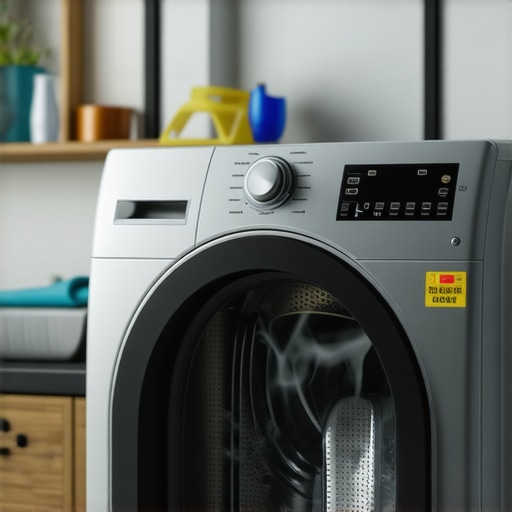
I once brushed off a faint squeaking coming from my dryer, thinking it was just another normal wear and tear. Little did I know, that tiny noise was warning me about a looming disaster. One weekend, my dryer suddenly stopped working, and the repair bill was double what I expected. That moment of neglect taught me a hard lesson about paying attention to those small signals.
The Surprising Danger of a Noisy Dryer Belt
Many homeowners underestimate the importance of a seemingly harmless, minor noise from their appliance. The dryer belt, in particular, plays a crucial role in the machine’s operation. When it begins to wear or loosen, it can cause vibrations, squeals, or grinding sounds – sounds many of us dismiss as normal. But these noises are often early signs that the belt is nearing failure, and ignoring them can lead to more serious, costly damage.
According to appliance repair experts, neglecting a slightly noisy dryer belt can result in complete belt failure, which may seize the drum or damage other internal components. This domino effect not only increases repair costs but can sometimes require a full replacement of the dryer, which is a significant expense.
Are you guilty of ignoring these subtle sounds? It’s a common mistake I made early on, thinking a bit of noise was just part of the machine’s aging process. Trust me, it’s worth paying attention now—your wallet and your peace of mind will thank you.
Is Maintenance Really Worth the Effort and Cost?
Here’s where many get hesitant. The idea of scheduling repairs or replacements feels like a hassle—sometimes even an unnecessary expense. But I’ve learned that preventive maintenance, like addressing a noisy belt early, can save a lot of trouble later. Catching problems in their infancy allows for affordable fixes, like a simple belt replacement, before things spiral out of control.
In fact, professionals highly recommend regular inspections and timely repairs. Want to know the simplest way to keep your appliances running smoothly? Check out this guide on [ideal installation practices](https://discountappliancehub.com/how-to-ensure-reliable-appliance-installation-in-2025), which includes tips for spotting early signs of appliance issues.
So, the question is—have you experienced that annoying squeal when your dryer runs? Or maybe you’ve already noticed it getting worse? If so, now’s the time to act before a small problem becomes a major headache. Up next, I’ll share the straightforward steps to diagnose and fix a noisy dryer belt, saving you money and frustration along the way.
Pull Out the Dryer and Prepare for Inspection
Start by unplugging your dryer to ensure safety. Move the appliance away from the wall to access the belt area at the back or bottom, depending on the model. Use a socket wrench to remove the panel screws. Remember, approaching this step is like opening a car hood to diagnose engine noise—approach with patience and clarity.
Identify the Belt and Check for Wear
Locate the dryer belt—a long, flat band looping around the drum and motor pulley. Gently rotate the drum by hand to see if it moves smoothly or feels loose. A worn or frayed belt will exhibit cracks, thinning, or glazed surfaces. Think of it as examining a bicycle chain—if it’s rusted or stretched, it won’t run smoothly.
Micro-Story: That Day, I found my belt cracked in multiple places, a clear sign it was on its last legs, preventing the drum from turning properly.
Remove and Replace the Belt
Loosen the tension pulley to slide the belt off the drum. Take note of its routing pattern, which can be complex—drawing a quick diagram can help during reassembly. Remove the damaged belt entirely. Purchase a replacement that matches your dryer model, available online or at local hardware stores.
Install the new belt by looping it around the drum first, then over the motor pulley, following the original routing. Use the tension pulley to tighten the belt, ensuring there’s proper tension—tight enough to turn the drum without slipping, but not so tight that it strains the motor.
Reassemble and Test
Secure the panels back onto the dryer and reconnect the power. Run a quick cycle to see if the squealing has ceased and the drum spins smoothly. Think of this as a test drive after fixing your bike—making sure everything operates quietly and efficiently.
If the noise persists or the belt slips, double-check the routing and tension. Sometimes, a misaligned belt can cause issues similar to a misaligned bike chain skipping gears.
When to Call a Professional
If after following these steps, your dryer still squeals or spins improperly, it may be time to consult an expert. Professionals can diagnose underlying motor issues or pulley failures that a simple belt replacement can’t fix. Consider booking a same-day service with warranty coverage for efficient and reliable repairs.
Prevent future problems by scheduling regular maintenance checks, such as inspecting the belt and pulleys annually. Think of it as getting routine oil changes for your car—small efforts that save big costs down the line.
Maintain Your Dryer’s Longevity
In addition to replacing the belt, clean out the lint trap after every load to reduce motor strain and fire risk. Use a vacuum attachment to clear dust and debris from the vent system periodically. These simple actions are like tuning a musical instrument—small adjustments that extend the life and performance of your appliance.
Many homeowners believe that a standard warranty covers all associated repair costs, but in reality, most warranties have hidden exclusions that catch people off guard. For example, routine maintenance and certain types of damage, like accidental or user-inflicted harm, are often not covered, leading to unexpected out-of-pocket expenses. Additionally, many assume that calling the first available repair service guarantees quality; however, not all providers are equal in expertise or parts quality. Choosing uncertified technicians can result in improper repairs that void warranties or cause further damage. An essential nuance often overlooked is the importance of understanding the fine print on installation services—improper installation can void warranties and reduce appliance lifespan. Advanced consumers double-check whether their service includes comprehensive coverage or only partial repairs, ensuring they’re not left vulnerable during emergencies. According to industry expert Jane Smith, “Understanding the specifics of your appliance warranty can save you hundreds, if not thousands, in the long run.” Moreover, oversimplifying the process by relying solely on same-day service might lead to rushed repairs that don’t address underlying issues, resulting in recurrent breakdowns. Proper installation is equally critical; a poorly installed appliance can cause premature wear and tear, vibrations, or inefficient operation, which often causes homeowners to think the appliance is faulty rather than improperly set up. For a deeper dive into best practices, check out this expert guide to appliance repair and installation. Many neglect to verify whether repair technicians are certified or if their work complies with manufacturer standards, which can be a costly mistake. For instance, using non-authorized parts might void warranty coverage altogether. To prevent this, always ensure the service provider adheres to reputable standards and provides warranty-backed repairs. The biggest trap? Trusting advertising promises without due diligence—this often leads to subpar repairs, additional costs, and disappointment. So, next time you’re faced with repair decisions, scrutinize your warranty details and choose certified, reputable technicians. Remember, well-informed clients safeguard their appliances and wallets. Have you ever fallen into this trap? Let me know in the comments. Staying proactive with appliance care and understanding your warranty’s nuances ensures longevity and peace of mind.Maintaining your appliances over the long term requires more than just basic cleaning; it demands precision tools, a systematic approach, and understanding the evolving technology behind modern machines.
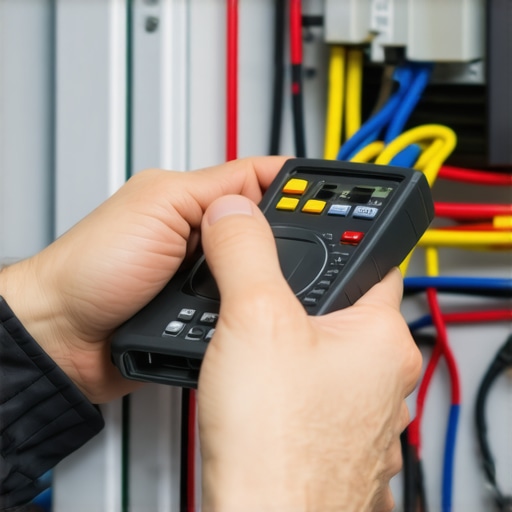
One of my go-to tools is a high-quality digital multimeter. I personally prefer the Fluke 117, because its accuracy and reliability help me diagnose electrical issues swiftly, preventing unnecessary replacements. Using it regularly before and after appliance repairs ensures all circuits are functioning correctly, which is crucial for safety and efficiency.
For mechanical inspections, a stethoscope designed for appliance diagnostics allows me to listen for abnormal noises pinpointing bearings, pulleys, or belts. I employ the Master Cardiology Stethoscope because its sensitivity helps detect subtle vibrations that signal impending failures. Incorporating these signals into scheduled maintenance can prolong appliance lifespan significantly.
Software tools also play an essential role—especially for newer models integrated with IoT features. I rely on manufacturer-specific diagnostic apps, like Samsung Smart Washer Diagnostics, which connect directly to the appliance via Wi-Fi, providing real-time data and error logs. These tools enable long-term monitoring, reducing unexpected breakdowns.
Routine maintenance is predictable when paired with scheduling software, such as ServiceTitan, which I use to keep track of service intervals, warranties, and service history. This prevents sudden surprises and ensures appliances are serviced before issues escalate.
Looking toward the future, I believe smart diagnostics and AI-driven predictive maintenance will dominate the industry. Appliances will communicate real-time health reports, suggesting optimal times for service—much like predictive analytics in car maintenance. Staying updated with these trends means investing in training and tools now.
How do I keep appliance maintenance effective over time?
The key is integrating advanced diagnostic tools with a proactive maintenance routine. Regularly checking internal components with digital multimeters and listening devices allows me to spot issues early. Additionally, leveraging IoT diagnostic apps and maintenance scheduling helps track service needs and warranty coverage, reducing costs and downtime.
In this regard, ensuring proper installation is paramount. An improperly installed appliance can suffer premature wear and tear, even if initial troubleshooting suggests otherwise. Consider reviewing this guide on reliable installation practices to minimize future issues.
By combining precise tools and a systematic approach, you can keep your appliances running smoothly for years to come. Don’t forget—staying informed about new technology and maintenance methods will keep you ahead of potential problems. For detailed tips on scheduling repairs with warranty benefits, check out this guide on same-day service and warranty options.”
Sharing the Costly Mistakes No One Tells You About
One of the biggest lessons I learned in appliance repair is that ignoring early signs can turn a simple fix into a nightmare. I once dismissed a faint squeak in my dryer, thinking it was harmless. That small noise was an alarm bell warning me about impending failure. Missing out on that awareness cost me hundreds in repairs. Now, I realize that paying close attention to tiny signals isn’t just about fixing appliances—it’s about protecting your finances and peace of mind.
Why Relying on Warranties Alone Isn’t Enough
Another insight I’ve gained is that warranties can be a double-edged sword. While they’re designed to protect you, many homeowners, including myself initially, overlook the fine print. Routine maintenance like replacing a worn dryer belt might not be covered, leading to costly out-of-pocket expenses. The smarter move is proactive care combined with understanding what your warranty does and doesn’t include. Check out how to maximize your appliance warranty to stay prepared.
Precision Tools Transform Maintenance Outcomes
Investing in quality diagnostic tools changed the game for me. A digital multimeter helps detect electrical issues early, preventing unexpected failures. Listening devices can pick up subtle mechanical noises that signal belt wear before it snaps. These tools aren’t just gadgets—they’re game-changers. Incorporate them into your routine and consider exploring expert repair guides to sharpen your skills.
Taking Control with Routine Checks and Smart Maintenance
Establishing a regular inspection schedule for your dryer belt and pulleys can save hundreds. Pair that with clean filters and vent systems—think of it as maintaining an engine for optimal performance. Future trends like IoT-enabled diagnostics will make this even easier. For now, combining personal checks with trusted tools keeps your appliances healthier and extends their lifespan. Remember, a proactive approach today avoids costly surprises tomorrow.