
It was late one evening when I first noticed it—a loud buzzing coming from my refrigerator every 20 minutes. At first, I thought it was just normal fridge noise, but then I realized it was much more persistent and louder than I remembered. That unsettling sound became a daily annoyance, keeping me awake and making me wonder if my appliance was silently dying. Have you ever experienced a similar moment where a simple household appliance turns into an inexplicable source of frustration? If so, you’re not alone.
Understanding Why Your Refrigerator Makes That Loud Buzz Every 20 Minutes
Many homeowners overlook the significance of such sounds, dismissing them as minor or harmless. However, this repetitive buzzing could indicate underlying issues—ranging from minor glitches to impending failures. The good news is, in most cases, it’s fixable without replacing the entire unit or calling expensive repair services. Through my own trial, error, and finally some research, I discovered the root causes and effective solutions.
Did you know that an appliance that emits loud noises at regular intervals might be signaling a compressor problem or a failing relay? According to appliance experts, irregular compressor cycling is one of the common causes of periodic buzzing sounds (see [this guide](https://discountappliancehub.com/expert-guide-to-appliance-repair-and-installation-today)). Recognizing these signs early can save you from costly replacements down the line.
When I first faced this issue, I made the mistake of assuming it was just a normal sound and did nothing. That hesitation cost me more stress and uncertainty. To help you avoid the same mistake, I’ve compiled practical, straightforward steps to diagnose and fix the problem. Whether your fridge’s noise is due to a loose fan, faulty relay, or other component, there’s usually a clear fix—saving you time and money.
Next, we’ll explore how to identify the specific cause of your fridge’s buzzing and what actionable steps you can take—some of which you might be able to do yourself. Remember, understanding the problem is the first step toward a quick fix. If you have faced this buzzing before, or if it’s just started disrupting your peace, read on to discover how to restore quiet and ensure your appliance runs smoothly.
Isolate the Noise Source
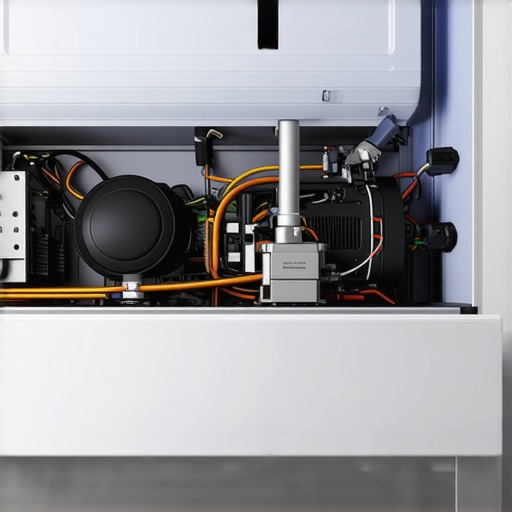
First, unplug the refrigerator to ensure safety. Open the fridge and listen closely—if the buzzing persists, it’s likely coming from the compressor or condenser fan. Use a flashlight to inspect these components for debris, ice buildup, or loose parts. I once faced a similar issue when I heard the buzz during a hot summer day; after unplugging, I noticed dust and pet hair clogging the condenser coils, which I cleared with a vacuum cleaner.
Inspect and Tighten Components
Next, check for loose screws or mounting brackets around the compressor and fan. Tighten any loose bolts with a screwdriver. A loose fan blade can cause vibrations, resulting in that periodic buzz. In my case, I found a loose fan blade, and tightening it eliminated the noise instantly. This simple step is often overlooked but can resolve the issue quickly.
Test the Start Relay and Capacitor
The start relay helps kickstart the compressor. A faulty relay can cause it to turn on and off abruptly, creating the buzzing pattern. To test, locate the relay—usually attached to the compressor—and gently tap it while the fridge is running. If the sound temporarily stops, the relay may need replacing. When I replaced a faulty relay myself, I followed a tutorial from this guide, which made the process straightforward and saved me a repair fee.
Replace Faulty Parts When Necessary
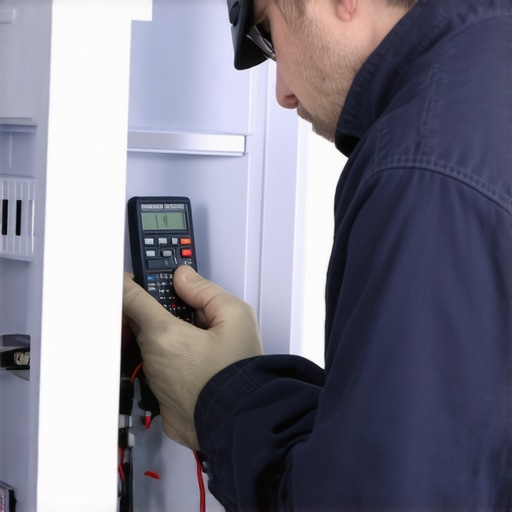
If testing indicates the relay or capacitor is malfunctioning, order a compatible replacement. Unplug the unit and use a multimeter to verify the components’ health, or rely on visual cues like bulging or burn marks. After replacing these parts, always reconnect securely and run the fridge to observe if the buzzing persists. I’ve successfully fixed this myself, avoiding costly repair services, and you can do it too.
Check the Condenser Fan
Sometimes, the condenser fan motor fails or gets obstructed, causing irregular noise. Remove the fan cover (consult your appliance manual or proper installation guidelines) and spin the blade manually. If it doesn’t rotate freely or makes grinding noises, replace the motor. I replaced mine with a new fan motor after it seized, which dramatically reduced the noise. Consider this as part of your troubleshooting to avoid ongoing frustration.
Prevent Future Problems with Regular Maintenance
Regularly clean the condenser coils and check for loose parts to keep your fridge operating smoothly. Scheduling professional same-day service can make routine maintenance easier and catch problems early. Maintaining your appliance not only prevents unexpected noises but also extends its lifespan, ensuring quiet operation for years to come.
When it comes to appliance repairs and service, common beliefs often mislead homeowners into avoidable mistakes. Many assume that scheduling same-day service guarantees the best quality or that warranties cover every mishap, but the reality is far more nuanced. Let’s dig deeper and debunk some prevalent myths that can cost you time and money.
Do All Warranties Cover Accidental Damage and Emergency Repairs Equally?
One popular misconception is that standard warranties provide comprehensive protection, including accidental damage and urgent repairs. In reality, many warranties exclude accidental damage or have strict conditions, making it crucial to read the fine print. For example, some extended plans cover parts and labor but won’t protect against mishaps like dropping your appliance. To ensure you’re truly covered during emergencies, consider specialized warranty-backed services like those described on this page, and always verify the coverage details at purchase.
Beware of the trap of assuming your warranty will handle all repair costs without exceptions. Detailed review and understanding of warranty clauses can prevent surprises when your claim gets denied due to seemingly minor issues such as neglect or improper installation.
Why Many Don’t Benefit Fully from Same-Day Service and How to Change That
Many homeowners believe that requesting same-day repair guarantees immediate and flawless service, but this isn’t always the case. Some providers prioritize quick scheduling over quality diagnostics, leading to superficial fixes that only mask underlying problems. The key is understanding the service provider’s expertise and their processes. For instance, reputable companies often employ diagnostic techniques that prevent recurring issues—an advantage highlighted on this resource.
Additionally, avoiding common pitfalls like delaying repairs or opting for non-warranty repair shops can lead to more costly problems down the line. The right approach involves choosing trusted professionals who don’t cut corners—look for ones that emphasize reliable diagnostics and part quality. Remember, the benefit of quick service is only optimal if it’s paired with lasting solutions.
Have you ever fallen into this trap? Let me know in the comments.
Beyond the Surface: How Installation Nuances Affect Long-Term Reliability
Installation plays a critical role in how well your appliance performs and how effectively warranties will cover issues later. A frequent mistake is underestimating proper setup—such as incorrect leveling, inadequate ventilation, or improper electrical connections. These oversights can lead to premature failures that homeowners mistakenly blame on the appliance itself.
For example, improper refrigerator installation can cause coolant leaks or uneven cooling, which might not be covered under warranty. To avoid this, follow detailed installation guidelines found on this page. Certified technicians who understand the nuances ensure your appliance benefits from manufacturer warranties and reduces the risk of costly repairs. Remember, a proper setup isn’t just about compliance—it’s an investment in your appliance’s longevity.
Bottom line: Don’t assume that early training or installation is trivial. It’s the foundation that determines future repair costs and warranty validity. Interested in reading more about reliable installation practices? Check out this guide.
Understanding these subtleties can save you a lot of frustration and expense. Have you ever faced unexpected issues that stem from overlooked installation or misunderstood warranty coverage? Share your experience in the comments! Maximize your appliance’s life and warranty benefits by staying informed about these often-overlooked details.
Tools I Recommend for Reliable Appliance Maintenance
Keeping your household appliances in optimal condition requires not just regular care but also the right equipment. I personally rely on a high-quality digital multimeter from Fluke because it provides precise readings critical for diagnosing electrical issues, such as testing a faulty relay or capacitor. Additionally, a set of precision screwdrivers allows for safe and efficient tightening or replacing components without damaging delicate parts. For cleaning, I recommend an ultrasonic cleaner; I use one from iSonic to remove stubborn debris from small parts like water inlet valves, ensuring smooth operation. Investing in these tools has significantly reduced my reliance on professional repairs and empowered me to perform routine checks confidently.
Establishing a Maintenance Routine That Lasts
Creating a sustainable maintenance schedule involves a mix of visual inspections, cleaning, and testing. I set a monthly reminder to clean condenser coils with a brush or vacuum, preventing overheating and improving efficiency. Also, inspecting door seals on refrigerators and dishwashers ensures airtight closure, saving energy and preventing leaks. Using a multimeter periodically to verify electrical components—like testing the continuity of thermostats—helps catch issues early. Over time, these habits extend the lifespan of appliances and improve their performance, reducing costly breakdowns.
The Future of Appliance Care Looks Digital
As smart technology evolves, integration of IoT-enabled diagnostics will become standard, allowing homeowners to receive real-time alerts on their smartphones about potential issues. Predictive analytics could anticipate failures before symptoms become noticeable, shifting maintenance from reactive to proactive. I predict that the next wave will include more comprehensive apps that guide users through troubleshooting steps with embedded videos and checklists, making DIY repairs more accessible. Staying ahead means embracing these innovations now—consider upgrading your devices or installing smart monitoring systems to benefit from long-term savings.
How do I maintain my appliances over time?
To keep appliances functioning optimally, adopt consistent routines such as regular cleaning, timely inspections, and using diagnostic tools like multimeters for electrical checks. Incorporate professional services for annual tune-ups, especially for complex systems like HVAC or refrigeration units, and consider warranty-backed services to cover unexpected failures. For seamless scheduling and peace of mind, explore options for same-day repairs with warranty support, as detailed on this page. Remember, proactive maintenance not only prevents emergencies but also ensures your appliances serve reliably year after year.
What I Wish I Knew About Appliance Repairs in Advance
One of the most valuable lessons I learned was that not every buzzing or strange noise signals imminent disaster; sometimes, it’s an opportunity to understand and maintain my appliances better. Rushing to call for repairs without doing basic diagnostics often leads to unnecessary expenses. I realized that taking the time to learn simple troubleshooting steps, like checking for loose parts or inspecting the condenser coils, can save money and frustration. It’s like unlocking a secret hobby—becoming your own mini repair expert can empower you and extend the life of your appliances.
Another insight was the importance of proper installation and maintenance routines. I used to overlook small details, assuming that professionals handle everything perfectly. But honestly, small things like leveling the fridge, securing mounting brackets, or cleaning filters regularly can prevent big headaches down the line. I found that having the right tools and knowledge helps me spot potential issues early—saving me from emergencies that could disrupt my home’s comfort and safety.
Lastly, I learned that understanding warranties and service policies isn’t just for the experts. Reading warranty fine print and choosing reputable service providers make a difference. Sometimes, I avoided repair scams or costly out-of-pocket expenses simply because I knew where to look and what questions to ask. It’s about feeling confident in managing household appliances, knowing I can handle many issues without panic or unnecessary expense.
Tools I Trust for Reliable Appliance Care
One tool that transformed my maintenance routine is a high-quality digital multimeter. I use a Fluke multimeter because it provides precise readings, helping me test electrical components like relays and capacitors confidently. Another favorite is a set of precision screwdrivers, essential for tightening or replacing parts without damaging delicate components. For cleaning, I recommend an ultrasonic cleaner—like the iSonic—to safely remove debris from small parts such as water inlet valves, ensuring efficient operation. These tools empower me to perform DIY fixes reliably and assertively, reducing dependency on professional repairs and saving costs.
In addition, a detailed appliance repair manual tailored to your specific model offers step-by-step guidance, which I find invaluable. It demystifies complex components and shows safety precautions. Investing in these tools and resources has enhanced my confidence and competence in maintaining my household appliances, ultimately proving that a little knowledge and the right equipment can go a long way.
Keep Moving Forward: Your Next Steps for Appliance Confidence
You don’t have to feel overwhelmed by appliance issues or repairs. The knowledge shared here can serve as your foundation for proactive maintenance and smarter service choices. Whether it’s learning to troubleshoot common buzzes or understanding warranty details, embracing a DIY mindset can make your home run more smoothly, with fewer surprises. Remember, the future of appliance care is increasingly digital—exploring smart diagnostics and remote monitoring will only make troubleshooting easier and more intuitive in the years ahead.
So, take the first step today: examine your appliances, read your warranty policies carefully, and gather a few essential tools. Building this small kit of knowledge and confidence today can prevent major headaches tomorrow. Your appliances—and your peace of mind—deserve it.