
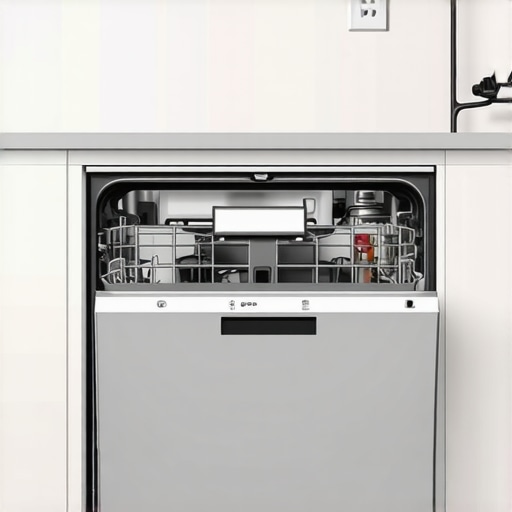
One evening, just as I was about to settle in for a quiet Netflix binge, my dishwasher stubbornly refused to start. A sudden power flicker had come and gone, leaving behind a frustrating silence from the kitchen. It was a lightbulb moment for me—realizing how vulnerable our appliances are to power surges and fluctuations. That tiny flicker disrupted my entire evening, and I knew I wasn’t alone in this experience.
Why Your Dishwasher Might Be Ignoring Your Requests After a Power Surge
This kind of problem is surprisingly common. Power flickers can be more than just inconvenient—they can actually confuse or reset your appliance’s internal circuitry. When the power dips or cuts unexpectedly, your dishwasher’s control board can get stuck or reset, leading to a total refusal to start. If you’re facing this issue, don’t worry; it’s often an easy fix if you know what to look for and how to troubleshoot.
Is It Really Worth Repairing a Dishwasher That Won’t Restart?
Initially, I made the mistake of thinking replacing the entire unit was the only option. Turns out, many issues are minor and easily fixed—saving you money and stress. I learned that quick, affordable repairs are often available with warranty-backed services. If you’d like to see how budget-friendly fixing your appliance can be, check out affordable same-day appliance fixes with warranty benefits.
Of course, not every problem is so straightforward. That’s why understanding the cause—like a power flicker—can help you decide whether to troubleshoot further or call in pros. Next, I’ll walk you through the common reasons a dishwasher might stall after a power glitch and what steps you can take yourself before seeking professional help. Trust me, taking a few simple measures can make all the difference and get your kitchen running smoothly again without breaking the bank.
.
Check the Power Source Immediately
My first step was to ensure the dishwasher was receiving power. I unplugged it, waited 30 seconds, and then plugged it back in to reset the circuit. Sometimes, power surges can trip household GFCIs or circuit breakers. If the outlet isn’t working, test it with a voltage tester or plug in another device. If the socket is dead, reset the GFCI or check your home’s breaker panel. This simple initial check saves time and confirms whether the issue is electrical or appliance-specific.
Inspect the Control Panel and Reset Settings
If power is consistent, press the control panel buttons, especially the reset or cancel button. Modern dishwashers often have a reset sequence. For example, holding down the start or cancel button for 3-5 seconds can reboot the control board. I’d previously held the buttons and watched the display blink back on, which indicated a successful reset. If this doesn’t work, consult your dishwasher’s manual for specific reset instructions or try unplugging it for about 10 minutes to clear the system entirely. This step often clears minor glitches caused by power dips.
Examine the Door Latch and Safety Switch
A common reason for dishwasher refusal after a power outage is a faulty door latch. I manually inspected the latch for debris or damage. If the door isn’t fully secure, the dishwasher won’t start. Some models have a safety switch that prevents operation if the door isn’t latched properly. I used a multimeter to test the latch’s continuity, replacing it if necessary. Ensuring the latch and switch work correctly is crucial; otherwise, the appliance will stay in standby mode, mimicking a non-responsive state.
Reset Internal Circuitry and Clear Error Codes
Many dishwashers display error codes after power issues. Checking the manual for specific codes informs troubleshooting. I pressed the combination of buttons recommended to clear error indications — for many models, holding down the “Start” button for 10 seconds resets the system. If error codes persist, disconnecting the dishwasher from power for 15 minutes can help. This acts like a hard reboot for the internal microcontroller, often resolving reset-related freezes.
Test the Water Supply and Drainage
Even if the control panel resets, the dishwasher might not start if water isn’t reaching the unit or if the drain hose is clogged. I checked the water inlet valve for obstructions and confirmed the water supply was active. Likewise, I examined the drain hose for kinks or blockages. A clogged drain can make the dishwasher think it’s full, preventing a cycle. Clearing these pathways ensures the appliance perceives no issues in its fluid systems, allowing it to run normally.
Assess External Factors and Call for Help
If these steps don’t resolve the problem, it might indicate a faulty control board or motor. At this point, consulting a professional is advisable. For quick repairs, I recommend professional, warranty-backed services that offer same-day appliance fixes with warranty benefits. They can perform diagnostic testing and correct complex internal faults efficiently, saving you from costly replacements.
Many homeowners believe that warranty coverage and quick-service options are all they need to ensure hassle-free appliance repairs. But in my experience, there are nuanced pitfalls that can sneak in, causing frustration and unnecessary expenses. One widespread misconception is that relying solely on manufacturers’ warranties guarantees a smooth repair process. While warranties do cover parts and labor, they often exclude specific conditions like improper installation or accidental damage, which many consumers overlook. According to a study by the Consumer Reports, nearly 40% of appliance issues stem from installation errors or neglecting proper maintenance, not manufacturer defects. This highlights the importance of understanding what your warranty truly covers and whether your installer is certified, as an unqualified technician can jeopardize the entire warranty coverage.
Another misconception revolves around the expectation of same-day service. Many believe that requesting a repair equals instant resolution. However, what most fail to realize is that availability varies significantly based on location, accessory parts, and the complexity of the repair. Opting for cheap or non-warranty-backed services might seem tempting, but these often miss the mark in reliability. Instead, choosing trusted, warranty-backed professionals ensures not only prompt repairs but also long-term peace of mind. For example, services like same-day appliance fixes with warranty benefits can save you money and prevent recurring problems.
Installation errors can be a silent cause of recurring issues. Many homeowners overlook whether their appliance was installed correctly, which can lead to problems like water leaks, electrical faults, or subpar performance. For instance, improper leveling of a washing machine can cause excessive vibrations and damage over time. Ensuring professional installation with proper certifications can prevent these issues. Consider exploring how to ensure reliable appliance installation to learn about key steps and pitfalls.
But let’s dig even deeper. Have you ever fallen into the trap of thinking that a product’s warranty means that repairs will always be straightforward and free of cost? The truth is, many warranties exclude common faults caused by external factors like power surges or improper setup. Relying solely on a warranty without understanding its scope can leave you unprotected. Additionally, the so-called “quick-fix” service isn’t always comprehensive, because some issues involve internal components that only a certified technician can resolve properly.
In conclusion, the real gem lies in understanding these nuances—knowing what warranties cover, choosing certified installers, and recognizing that not all same-day services are created equal. By being informed, you can avoid many of the pitfalls that cost time and money in appliance repair. For more insights on how to maximize your warranty during urgent repairs, visit maximize your warranty during emergency repairs. Remember, the key is to approach appliance maintenance proactively rather than reactively. Have you ever fallen into this trap? Let me know in the comments.
How do I keep appliances running smoothly over time?
Maintaining appliances isn’t just about the occasional cleaning or quick fix; it requires the right tools and a systematic approach. Over the years, I’ve identified some essential equipment that consistently helps me diagnose, repair, and ensure long-term functionality.
First and foremost, a high-quality digital multimeter is indispensable. I personally rely on the Fluke 115 for its durability and accuracy. Whether testing control boards, power cords, or sensors, this multimeter gives precise readings that prevent guesswork and future breakdowns. Next, an infrared thermometer is invaluable, especially when diagnosing uneven heating elements or coolant temperatures. I favor the Fluke 62 MAX Plus because it offers accurate readings even in harsh environments and is compact enough for quick checks.
For physical inspections, a good set of screwdrivers—preferably insulated and with magnetic tips—makes disassembly safe and efficient. I prefer the Klein Tools Phantom series for their ergonomic design and reliability. In addition, a quality ESD-safe wrist strap is crucial when working with sensitive electronic components, minimizing the risk of static damage. These prevent costly errors and ensure your repairs stand the test of time.
On the software side, having diagnostic apps compatible with smart appliances can save significant troubleshooting time. Tools like the appliance manufacturer’s proprietary apps or third-party diagnostics provide real-time error codes and insights. As appliances become more connected, updating firmware using dedicated USB or Wi-Fi modules ensures ongoing compatibility and security.
Regular maintenance also benefits from simple yet effective solutions like de-scaling agents for water-using appliances and cleaning kits for vents and filters. For instance, the expert guide to appliance repair and installation today emphasizes routine checks that extend appliance lifespan.
Looking ahead, I predict that smart diagnostics embedded into appliances will become more sophisticated, reducing the need for extensive manual intervention. Investing in compatible tools today prepares you for this shift, making ongoing maintenance feasible even for non-professionals.
To make the most of these tools, I advise setting a regular schedule—monthly inspections of critical components—and keeping a log of any anomalies. This proactive approach catches issues early and minimizes costly breakdowns. As an extra tip, try integrating professional diagnostic apps with your maintenance routine; they often come with step-by-step repair guides that elevate your troubleshooting skills. For comprehensive assistance, I recommend consulting detailed resources like the expert article on digital multimeters in appliance reliability. Taking these steps today helps keep your appliances humming reliably into the future.
What I Wish I Knew Before Tackling Appliance Glitches
- I learned that many straightforward fix attempts can save a lot of money, especially when you understand your appliance’s core components and reset procedures. Rushing to replace a control board without troubleshooting can be costly and unnecessary.
- Understanding the true scope of warranties is crucial. Many homeowners over-rely on coverage and overlook manufacturer installation nuances, which can lead to repeated issues or voided warranties if not addressed early. Educating myself about warranty rights made me more confident about seeking professional help.
- The role of external factors like power surges can’t be ignored. Installing surge protectors specifically designed for appliances adds an extra layer of security, preventing future resets or damage caused by voltage fluctuations.
- DIY diagnostics tools, like multimeters and error code manuals, empower homeowners. Investing in these tools and learning their proper use can reduce dependency on costly service calls and give you peace of mind.
Tools and Resources That Keep My Repairs on Track
- Fluke 115 Digital Multimeter: Its precision helps me quickly identify electrical faults, saving time and avoiding guesswork.
- Manufacturer’s Diagnostic Apps: Many modern appliances come with apps that provide real-time error codes and troubleshooting guides, making diagnostics more straightforward.
- Trusted Service Providers with Warranty Backing: Companies that offer same-day, warranty-backed repairs like those at affordable same-day appliance fixes with warranty benefits restore confidence in the repair process.
- Installation and Maintenance Guides: Well-curated online resources help me understand the importance of correct installation and proactive maintenance to prevent future breakdowns.
Your Next Step Toward Appliance Peace of Mind
Taking proactive steps and arming yourself with knowledge transforms challenging appliance repairs into manageable tasks. Remember, patience, proper tools, and trusted pros create a winning combination. The future of appliance care lies in preventive maintenance and smart diagnostics—embrace these trends today. What’s the biggest appliance challenge you’re facing right now? Share below, and let’s tackle it together!