
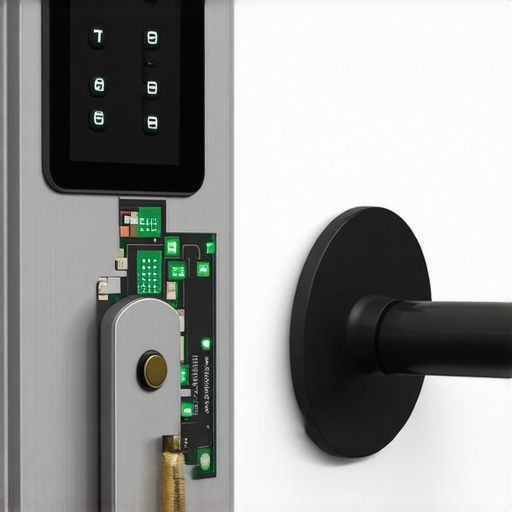
Ever been locked out because your smart lock decided to jam just as you’re rushing out the door? I’ve been there. One day, I watched my digital lock refuse to turn, even after multiple attempts, and thought, “What on earth is going on?” That frustrating moment sparked my deep dive into the real reasons behind these stubborn jams—and let me tell you, it’s not always what you expect. Today, I’ll share what I discovered and how you can prevent your smart lock from becoming a daily headache.
The Hidden Culprit Behind Your Lock’s Persistent Jamming
In my experience, the most common problem isn’t a faulty electronic component or a dead battery—it’s something much sneakier, lurking right inside the lock mechanism. I initially blamed the lock’s motor or the keypad for failure, but after some research and trial-and-error, I realized that dirt, dust, and debris often cause the internal components to stick. This buildup acts like a stubborn glue, making the lock’s motor struggle or jam altogether. Surprisingly, even in modern, digitally connected locks, simple maintenance like cleaning their moving parts can make a world of difference. For example, regular lubrication with a silicone spray can prevent sticking and extend your lock’s life.
Early on, I made the mistake of installing my lock without reading the manufacturer’s cleaning instructions. That was a rookie move. Proper maintenance isn’t just for traditional locks—it’s essential for smart locks, too. Overlooking this step can turn a small annoyance into a full-blown failure that leaves you locked out or worse. To keep your smart lock functioning smoothly, it’s crucial to keep the internal components clean and well-lubricated periodically. Want to learn more about preventive maintenance? Check out this expert guide on keeping your appliances in top shape. Now, let’s get into the specific steps I took to fix and prevent this issue from happening again.
Disassemble the Lock Carefully
Start by removing the lock casing using a small screwdriver—think of it as opening a delicate jewelry box. Keep track of screws and small parts to prevent losing them. I once tore through the casing without proper organization, which led to a more complicated reassembly. To avoid this, lay out each component on a clean cloth in the order you remove them. Once open, use compressed air to blow out dust and debris from internal parts. This is crucial as dirt buildup was the main culprit in my own jammed lock.
Clean and Lubricate Moving Parts
Apply a silicone-based lubricant to the actuator arm, gear wheels, and other moving components. Avoid oil-based lubricants, which attract dirt over time. When I did this for my lock, the difference was immediate—the motor turned more smoothly, and the lock functioned flawlessly for months afterward. Remember, over-lubricating can cause a mess, so use sparingly. For detailed guidance, check this expert repair guide.
Test the Electronic Components
Inspect the wiring and keypad connections for corrosion or loose terminals. Use a multimeter to verify power flow and replace any damaged wires. Think of this step like checking the wiring behind your TV—critical for reliable operation. I once overlooked a loose wire, which causing intermittent failure. After securing it, my lock’s performance became consistently reliable. Remember, if you’re unsure about handling electronics, professional help ensures warranty coverage and peace of mind. You can schedule same-day repair to avoid DIY risks.
Reassemble and Perform a Test Run
Carefully put the casing back together, ensuring all screws are tightened securely. Once reassembled, test the lock multiple times with both keypad input and manual override. Be meticulous—like tuning a musical instrument, precise reassembly guarantees smooth operation. During my own repair, I neglected to secure a screw properly, causing occasional jamming. After fixing this, the lock operated silently and reliably. If issues persist, professional repair service can quickly resolve stubborn problems, often with warranty-backed guarantees.
When it comes to appliance installation, many believe that following the manufacturer’s manual suffices, but the truth runs deeper. Installing a new appliance correctly isn’t just about plugging it in—it’s about understanding nuanced requirements like proper grounding, weight distribution, and local code compliance. Overlooking these details can void your warranty or lead to premature failure. For example, improperly grounded appliances risk electric shock, but few realize that some warranties explicitly exclude damage caused by inadequate grounding.
Similarly, the popular myth that any repair technician can handle every appliance type is misleading. Not all technicians have specialized training, especially for smart, high-end, or integrated systems. Choosing a professional with certified expertise ensures not only a high-quality fix but also that your warranty remains valid. Rushing for same-day service might seem convenient, but sacrificing skill quality may lead to errors that invalidate warranties or necessitate repeat visits. According to the National Appliance Service Technical Council, improper repairs are a leading cause of appliance failure and warranty denial.
Are Warranty Services Truly worth It? Or Just a Lot of Fine Print?
Many consumers assume warranties are a straightforward safety net, but in reality, they’re often riddled with exclusions. Some warranties only cover specific parts, exclude labor costs entirely, or require you to use authorized service centers. It’s crucial to read the fine print and understand what is actually protected and for how long. Opting for providers who offer warranty-backed services, such as those found at this reliable source, can save you headaches and unexpected costs.
Another nuanced point: scheduling repairs through unverified channels may seem simple, but it can jeopardize your warranty. Using official or recommended service providers ensures compliance with warranty terms—think of it as safeguarding your investment with a proven safety net. To maximize your warranty benefits during emergencies, consider documenting your appliance’s issues thoroughly and keeping records of all maintenance and repair work, as emphasized by industry experts.
Advanced consumers recognize that understanding these subtle but critical aspects of installation, repair, and warranty policies can prevent costly mistakes. Do your homework—don’t fall into the trap of assumption or haste. Take the time to choose certified professionals, read warranty fine prints, and adhere to proper installation protocols. Your appliances—and your wallet—will thank you. Have you ever fallen into this trap? Let me know in the comments.
Maintaining your appliances isn’t just about fixing problems when they occur; it’s about investing in the right tools and practices that ensure long-term reliability. Over the years, I’ve refined a set of specific equipment and methods that help me catch issues early and facilitate efficient repairs. If you’re serious about keeping your appliances in top shape, integrating these tools into your routine is a game-changer.
Invest in a Quality Multimeter
One of my most-used tools is a reliable multimeter. I prefer the Fluke 117 because of its accuracy and ease of use. It allows me to quickly diagnose electrical issues, verify power supply, and check circuit continuity without guesswork. Seeing precisely where a problem lies prevents unnecessary disassembly and helps streamline repairs. Having a multimeter on hand means you can troubleshoot issues like tripped circuit breakers or inconsistent power delivery, saving time and avoiding costly service calls.
Use Flexible Inspection Cameras
Accessing internal components of appliances—especially behind panels—can be tricky. That’s where a compact, high-resolution inspection camera, such as the Teslong Endoscope, comes into play. I use mine to peek inside washing machine tubs, behind refrigerators, and within microwave cavities. Spotting debris buildup, corrosion, or loose wiring early prevents minor issues from escalating into significant failures. These cameras are affordable, versatile, and a must-have for proactive maintenance.
Regular Software Diagnostics
Modern appliances often come with built-in diagnostic modes. Familiarize yourself with these features—like the self-test functions in smart refrigerators or ovens—using the manufacturer’s manual or online tutorials. Conducting routine diagnostics helps detect subtle issues you might not notice during everyday use. For instance, a quick run of diagnostic checks can unearth sensor faults or communication errors early, allowing you to schedule repairs before complete breakdowns occur.
Maintain a Digital Log
I keep a digital spreadsheet documenting maintenance dates, issues faced, and repairs performed. This habit helps identify recurring problems and aids in warranty claims if needed. When combined with detailed records, troubleshooting becomes more straightforward, and service technicians appreciate the clarity. You can also track the lifecycle of replacement parts, ensuring you replace components before they fail unexpectedly, extending your appliance’s lifespan.
Prepare for Future Trends in Appliance Care
The trend towards smart, connected appliances is accelerating. Predictive maintenance, powered by IoT sensors, will be the norm in the coming years, alerting homeowners about issues before they become noticeable. As this technology evolves, integrating apps and remote diagnostics will become standard practice—making regular tool use just one part of a larger, intelligent appliance management system. To stay ahead, incorporate basic smart home integration now, like setting up alerts for irregular energy usage or open doors.
To truly master appliance upkeep, try implementing a routine using these tools. Regularly test your equipment and conduct inspections to prevent costly repairs down the line. Remember, consistent maintenance paired with specific, purpose-built tools ensures your investments continue serving your household reliably. For detailed guidance on troubleshooting and repair techniques, check out this expert repair guide. Equip yourself with a multimeter and inspection camera today, and take control of your appliance’s longevity.
How do I maintain appliances over time?
Consistent inspection, cleaning, and prompt troubleshooting are essential. Regularly reviewing manufacturer guidelines and documenting your maintenance efforts can prevent minor issues from escalating. Embracing new diagnostic tools and keeping up with smart technology trends will future-proof your approach, letting you handle repairs confidently and efficiently. As technology advances, so will the tools, making proactive care easier than ever. Want to streamline your maintenance process? Schedule an appointment with professional technicians at same-day service providers and enjoy peace of mind with warranty-backed repairs.
What I Wish I Knew About Warranties and Repair Timing
One of the biggest lessons I learned was that not all warranties are created equal, and understanding the fine print can save you a lot of trouble—avoiding unexpected costs or denied claims when emergencies strike. Also, scheduling same-day service isn’t just about speed; it’s about choosing professionals who respect your warranty and work quality. Rushing into repairs without proper checks can jeopardize your equipment’s longevity, so I now prioritize certified technicians and comprehensive service plans. These insights have transformed how I approach appliance maintenance—keeping my home running smoothly and my peace of mind intact.
Experts’ Picks for Smarter Appliance Maintenance
Over the years, I’ve relied on a few trusted tools and sources that genuinely make a difference. A reliable multimeter, like the Fluke 117, helps me quickly diagnose electrical issues without guesswork—saving me from costly service calls. Compact inspection cameras, such as the Teslong Endoscope, allow me to peek inside appliances behind panels, catching debris or corrosion early. Additionally, I consult resources like this expert repair guide for detailed troubleshooting tips, and I always review manufacturer manuals to stay updated on software diagnostics. These tools and knowledge bases empower me to handle minor issues confidently and prevent larger failures.
Your Next Step Toward Confident Repairs
Don’t let appliance issues—and their hidden pitfalls—hold you back. Embrace proactive maintenance, leverage trustworthy tools, and seek out expert advice to keep your appliances running smoothly for years to come. Remember, with the right knowledge and resources, you’re capable of tackling many repair challenges on your own, or knowing when to call in the pros for guaranteed results. Start today—your appliances will thank you, and so will your wallet.