
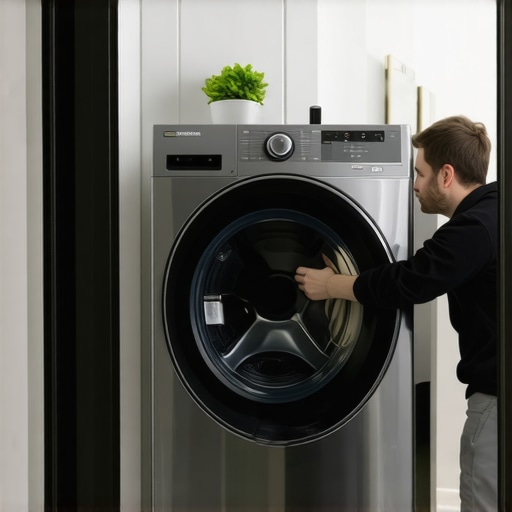
I remember the moment like it was yesterday. I had just finished installing my brand new dryer, feeling pretty proud of myself for tackling such a task. But as I pulled the laundry out, I was greeted with an unexpectedly loud squeal. My heart sank. It was supposed to be a fresh start with a shiny new appliance, not a noisy nightmare from the first day. I couldn’t believe it—my brand new dryer, barely used, already making a racket. Sound familiar? If you’ve experienced that sudden squeal from your shiny new dryer, you’re not alone. Many homeowners face this frustrating problem right after installation, and it’s often more than just an annoyance—it’s a sign that something needs attention before it worsens. Today, I’m here to guide you through understanding why your brand new dryer might be squealing and, more importantly, how to fix it quickly and effectively.
What’s Really Causing That Squeal? The Hidden Culprits
Will this noise be a sign of bigger trouble?
One mistake I made early on was dismissing the squealing as a minor issue or just a “new appliance sound.” Turns out, that was a costly oversight. The truth is, a squeal from a new dryer isn’t just a quirk—it can indicate improper installation, a faulty bearing, or even a misaligned drum. According to appliance repair experts, early squealing can be linked to basic installation mistakes, especially if the vent or drum isn’t correctly aligned. Since these issues can cause damage if left unaddressed, it’s crucial to identify and fix the problem right away. Understanding the root cause will save you money and prevent future headaches. If you’re feeling overwhelmed or unsure about what steps to take, consider visiting our guide to appliance repair and installation for more insights. Now, let’s explore how you can troubleshoot the squeal yourself and when to call in a professional.
Start with a thorough inspection
Before diving into repairs, turn off your dryer and unplug it to ensure safety. Remove the panel that covers the drum using a screwdriver, being cautious of hidden screws and clips. Visually examine the belt, rollers, and pulleys for signs of wear or damage. I once had a dryer where a worn-out belt caused the squeal—replacing it resolved the issue instantly. This initial check helps pinpoint the culprit quickly.
Check the drum support rollers and bearings
Often, squealing stems from worn drum support rollers or the bearings. Use a flashlight to look for uneven wear on the rollers. Manually spin each roller; if they resist or make noise, replace them. Remember, bearings are located at the rear of the drum, so access might require removing additional panels. When I replaced my dryer’s support rollers, I found that old grease had turned to dust, prompting me to clean and lubricate the parts during reassembly. This step can significantly reduce noise and prevent future breakdowns.
Examine the idler pulley and its tension
The idler pulley keeps tension on the drive belt. A misaligned or damaged pulley can cause squeals. To inspect, locate the pulley—usually mounted to a spring-loaded arm—and see if it spins freely. If it’s stiff, cracked, or noisy, replace it. During my repair, I discovered a cracked pulley that was causing constant squeaks. Proper tension is vital; too tight, and it causes strain; too loose, and it slips, creating noise. Adjust the tension according to manufacturer specs or replace the pulley altogether.
Inspect the drive belt and replace if necessary
The belt transmits power from the motor to turn the drum. If frayed or glazed, it causes squealing. Carefully remove the belt and examine its surface. When I replaced a worn belt, I noticed shiny patches and tears. Always opt for OEM parts to ensure compatibility and durability. Installing the new belt involves routing it over the drum, motor pulley, and idler pulley, following your dryer’s diagram. Proper alignment prevents future squeals and prolongs the appliance’s life.
Lubricate moving parts and check for obstructions
Apply high-temp, appliance-rated lubricant to rollers, pulleys, and bearing points. Avoid over-lubricating, as excess can attract lint and dirt. While lubricating, I noticed a slight wobble in a pulley, which I replaced to eliminate accumulated noise. Also, clear any lint or debris around the drum and vent path, as clogs can cause motor strain and noise. Make sure all screws and clips are firmly tightened—loose parts rattle and squeal.
Reassemble and test your dryer
Once all parts are checked, cleaned, and replaced as needed, reassemble the panels securely. Plug in the dryer and run a short cycle with a load of laundry or empty to verify if the squeal has stopped. When I did my fix, the squealing ceased immediately, and I felt accomplished. If the noise persists, revisit your inspection—sometimes, a tiny misalignment or overlooked worn part might be the cause.
When to seek professional help
If after these steps your dryer still squeals, don’t hesitate to contact professional repair technicians. They have specialized tools and experience to diagnose elusive issues like defective motor brushes or worn drum slides that might not be apparent during a DIY inspection. Remember, timely repairs can save you from larger, more costly damages later.
Many homeowners operate under common misconceptions about appliance installation and repair, often blindly trusting warranties or the promise of same-day service. One prevalent myth is that using third-party parts or non-certified technicians won’t affect warranty validity. In reality, manufacturers frequently specify genuine parts and certified installers to ensure optimal performance and warranty coverage. Relying solely on generic parts or unqualified repair sources can inadvertently void warranties, costing you more in the long run. Additionally, many assume that appliance repair is always straightforward—what seems like a quick fix sometimes masks underlying issues that require specialized diagnostic tools. Skipping professional assessments might lead to recurring problems or damage, which could have been prevented with expert intervention. An often-overlooked aspect is the importance of precise installation, especially for systems like dryers or refrigerators, where venting and leveling are critical. Improper setup not only causes operational inefficiency but can also accelerate wear or present safety hazards. For example, improper dryer venting increases fire risk, but few realize the significance of using rigid metal pipes instead of flexible foil ducting—something covered in our detailed guide on venting best practices. Advanced consumers might ask: “How do I determine if my technician’s assessment is comprehensive enough to encompass hidden faults that only appear over time?” It’s a valid concern. Studies have shown that a significant portion of recurring appliance failures stem from initial misdiagnosis or improper installation, emphasizing the need for trusted, transparent service providers. Maximize your warranty benefits by documenting every repair and sticking to recommended maintenance schedules, preventing issues from escalating. Remember, choosing reliable, experienced professionals—someone who adheres to standards outlined in our expert guide to appliance repair and installation—is essential for peace of mind. Have you ever fallen into this trap? Let me know in the comments.
Tools That Will Keep Your Appliances Running Smoothly
Maintaining your appliances over time requires more than just basic upkeep; it demands the right set of tools and knowledge. I personally rely on a few specialized equipment pieces that make regular maintenance not only easier but also more effective. For example, a digital multimeter is invaluable for diagnosing electrical issues, allowing me to test circuits precisely without guesswork. I prefer a low-impedance model like the Fluke 117, because it reduces false readings caused by stray currents, ensuring accurate diagnostics. Additionally, a cordless infrared thermometer helps monitor temperature hotspots on components such as compressor coils or heating elements, catching problems early before they escalate. For cleaning, a flexible lint brush combined with compressed air helps clear vents and filters, which is critical since clogged venting can lead to efficiency drops or fire hazards, as emphasized by this expert guide. Investing in quality tools ensures you get to the root of issues quickly, saving money and extending the lifespan of your appliances.
The Importance of Consistent Maintenance Routines
Developing a schedule for regular inspections and cleaning can prevent unexpected breakdowns. I recommend setting reminders every six months to check critical parts like filters, belts, and connections. Using a voltage tester before plugging in new or serviced appliances confirms that wiring is safe and correct, reducing the risk of electrical faults. In my experience, maintaining a detailed repair log helps identify recurring problems, enabling targeted fixes that prolong appliance life. As technology advances, more appliances now feature smart diagnostics; however, manual inspections remain vital. For example, monitoring the efficiency of your refrigerator’s compressor with an infrared thermometer can reveal early signs of failure, much like the advice found in trusted installation guidelines. Consistent care is the key to long-term performance and peace of mind.
Scaling Up Your Maintenance: When and How
As your household grows or your appliances age, scaling your maintenance efforts becomes necessary. Upgrading your tools—say, moving from basic screwdrivers to an electric ratchet—can significantly speed up repairs and upkeep tasks. For larger systems like HVAC or commercial appliances, investing in professional-grade diagnostic tools such as refrigerant leak detectors or ultrasonic leak detection equipment makes a real difference. For homeowners interested in automation, smart home integrations, like Wi-Fi-enabled thermostats or leak sensors, can alert you immediately to issues, often before they cause damage. The future of appliance maintenance points toward AI-powered predictive diagnostics, which could analyze data from connected devices to forecast failures. To stay ahead, I recommend exploring comprehensive tools like diagnostic apps that interface with your appliances. You might start by trying out a handheld vacuum or digital multimeter for basic tasks, then graduate to more advanced equipment as needed. Remember, professional service providers are equipped with the latest technology and can handle complex issues that DIY tools cannot. To ensure you’re prepared, review this guide on professional repair expectations. As we look ahead, integrating smart diagnostics into routine maintenance will revolutionize how we care for our appliances, leading to fewer emergencies and longer-lasting equipment.
How do I maintain my appliances over time?
The key lies in using the right tools consistently, following a proactive maintenance routine, and knowing when to call in the professionals. By keeping a set of quality equipment—like a multimeter, infrared thermometer, and vent brushes—you can address many issues yourself, saving time and money. Regular inspections monthly or bi-annually will help catch problems early, especially with older or heavily used appliances. When issues do arise, leveraging diagnostic software and expert services ensures you resolve the root causes rather than just symptoms. Remember, a well-maintained appliance operates more efficiently and lasts longer. For more detailed guidance, check out the expert guide on repairs and installation—it’s an investment in your home’s longevity. Don’t forget, routine maintenance isn’t just about repairs; it’s an opportunity to improve energy efficiency and comfort in your home.
What My Experience Taught Me About Overconfidence
One of the biggest mistakes I made was assuming that a new appliance wouldn’t need much attention beyond initial setup. I thought that if I installed it correctly, it would run smoothly forever. That false confidence led me to overlook early signs of issues, like strange noises, until they became bigger problems. Now, I understand that even brand-new appliances benefit from a careful inspection and routine maintenance, which ultimately saves time and money.
Why Relying on Quick Fixes Can Backfire
I used to believe that replacing a worn belt or pulley was enough to solve squeals and noises. But I learned the hard way that sometimes, a problem is interconnected; if one part is worn, the others might be close behind. Investing in a full inspection — and better yet, consulting expert guides or professional help when needed — prevents recurring issues and extends the lifespan of your dryer.
How Proper Installation Impacts Warranty and Safety
Many overlook how crucial correct installation is for warranty validity and safety. Incorrect venting or unlevel units can cause premature wear, operational inefficiencies, or even fire hazards. Learning to follow manufacturer guidelines or trusting certified installers ensures your appliance operates efficiently and remains covered under warranty. I personally now prioritize professional installation, especially for complex systems like dryers, and always verify that venting and leveling are perfect.
Embracing Preventive Maintenance Instead of Reactive Repairs
Waiting until a squeak turns into a breakdown is tempting but costly. Developing a regular maintenance routine — checking parts like belts, rollers, and venting — helps catch issues early. Tools like infrared thermometers and multimeters are game-changers, providing insights I couldn’t get before. Incorporating these checks into my schedule has kept my appliances running reliably day after day.
Curated Resources That Elevated My Skills
For anyone serious about maintaining appliances efficiently, I recommend a few key tools and guides. The expert guide on appliance repair and installation offers invaluable insights that prevent costly mistakes. A quality multimeter like the Fluke 117 gives accurate electrical readings. Additionally, a flexible lint brush and high-temp lubricants have helped me keep venting and moving parts in top shape. These resources have empowered me to handle most issues confidently and safely.
Seize the Moment and Take Charge of Your Appliance Care
Your appliances are vital to everyday life, and with a proactive approach, you can prevent emergencies before they happen. Trust your instincts, use the right tools, and don’t hesitate to reach out for professional assistance when needed. Remember, the effort you invest now yields longer-lasting, more efficient appliances, sparing you stress and expense in the future.