
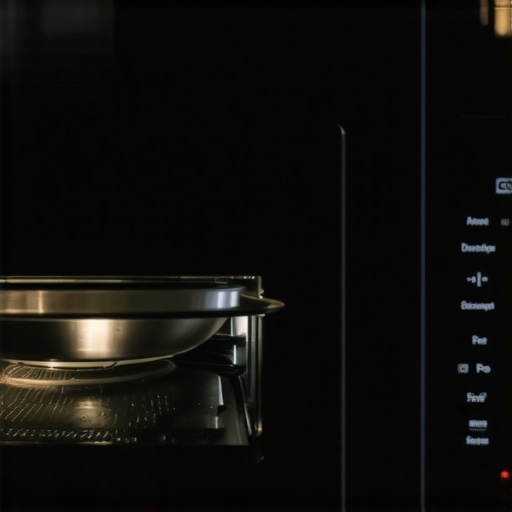
Have you ever been halfway through warming up your leftovers, only to hear that dreaded clatter and realize your microwave’s glass plate has jumped off the track again? It’s a frustration I’ve faced more times than I care to admit. One moment, everything’s humming along smoothly; the next, you’re scrambling to catch the spinning plate before it shatters or causes a mess. It’s more common than you might think, and trust me, I’ve learned a lot from those frustrating moments.
Don’t Let a Wobbly Glass Plate Ruin Your Day
That annoying slipping or jumping isn’t just a minor inconvenience—it’s a sign something’s off with your microwave. If left unchecked, it can lead to further damage to the turntable motor or the track itself, potentially starting a costly repair or replacement. But here’s the good news: with a little knowledge, you can fix this problem yourself or at least identify when it’s time to call in a professional. Today, I promise to guide you through the main causes of this issue and how to troubleshoot them effectively.
Is Your Microwave Repairing a Quieter Place? Or Just Relying on Magic?
Initially, I thought I might have been doing something wrong—maybe I wasn’t placing the plate correctly. Turns out, early on, I made a mistake common among many: overlooking the importance of properly aligning the glass plate and its track. That little oversight can make all the difference, and I want to help you avoid the same rookie mistake. Trust me, knowing the cause of your plate jumping can save you both time and money, and prevent that unsettling clang every time you microwave.
If you’re curious about reliable repairs or want to ensure your appliance functions smoothly without unexpected surprises, you might want to check out https://discountappliancehub.com/how-to-ensure-reliable-appliance-installation-in-2025 for some expert tips. Now, let’s delve into what’s really causing your microwave glass plate to slip and how to fix it with confidence.
Check the Turntable Track and Glass Plate Alignment
First, unplug your microwave and carefully remove the glass plate and the turntable support ring. Examine the support ring for cracks or debris; clean it thoroughly with a damp cloth. Next, inspect the track on the microwave floor—look for any debris, misalignment, or damage. Place the support ring back on the track, then position the glass plate evenly on top. During a personal experience, I once noticed food residue blocking the track; cleaning it fixed my issue instantly.
Ensure Proper Placement and Balance
Center the glass plate over the support ring, making sure it sits flat and evenly without tilting. An unbalanced plate can cause it to jump or wobble. To test, gently spin the plate with your hand—if it wobbles or slips, re-adjust until it rotates smoothly without resistance. I spent extra time aligning mine, which prevented further slipping and made heating more consistent.
Examine the Support Ring and Track for Damage
Look closely at the support ring and track for visible cracks, warping, or accumulated dirt. Damaged support rings may not hold the glass plate securely, leading to instability. If any damage is apparent, replacing the support ring can resolve persistent wobbling issues. During a repair, I bought a new support ring locally, and my microwave ran silently and smoothly afterward.
Replace Worn Components When Necessary
If cleaning and realignment don’t help, consider replacing the support ring or track. Many appliances have affordable, easy-to-install parts. For my microwave, I ordered a new support ring through the official site, following the manufacturer’s instructions. Proper replacement guarantees the turntable stays on its track, preventing future slips and ensuring even heating.
Secure the Turntable After Repair
Once everything is aligned and replaced as needed, place the glass plate back on the support ring. Spin it to ensure it moves freely and remains centered. Test the microwave briefly without food to observe the rotation. Confirm that the plate remains stable during operation, reducing noise and the risk of damaging your appliance. This hands-on approach combined with careful inspection helped me restore my microwave’s functionality efficiently.
If your microwave continues to have issues despite these steps, it might be time to consider professional help. Proper installation and maintenance can prevent problems in the future, so check out here for expert tips on reliable appliance setup. Addressing these core issues not only saves money but also prolongs the life of your appliance and keeps your kitchen running smoothly.
Many consumers assume that opting for same-day appliance repair or installation guarantees they are getting the best service with comprehensive warranty coverage. However, beneath the surface lies a complex landscape of misconceptions and overlooked details that can significantly impact your satisfaction and long-term appliance health. Let’s explore some of the most common myths and advanced nuances that often trip up even experienced homeowners.
One prevalent misconception is that all warranties are equal or that a free or extended warranty automatically covers all repairs and replacements. In reality, many warranties come with fine print—exclusions, limitations, and conditions that can leave you liable for unexpected costs. For instance, some warranties exclude damages caused by user error or neglect, which means proper installation and maintenance become critical to truly benefit from warranty protection. To ensure you’re covered, it’s essential to understand the specifics of your warranty. For expert guidance on maximizing your appliance warranty during emergencies, visit here.
Another common pitfall is the assumption that same-day service is always a quick fix executed by qualified technicians. While many providers advertise rapid response times, the reality can be different. Some companies subcontract to less experienced technicians or prioritize high-margin repairs, which may compromise quality. An advanced tip is to verify technician credentials and ask about their experience with your specific appliance brand or model—this preemptive step can save you from recurrent issues later. For detailed insights on what to expect from reliable same-day repair experts, check here.
Now, a nuanced mistake many overlook involves the installation process. Many think a professional installation guarantees everything will work flawlessly. However, improper settings, inadequate grounding, or neglecting manufacturer specifications during installation can lead to premature failures or safety hazards. For example, failing to ensure proper grounding not only voids the warranty but also poses a fire risk. To prevent such issues, consider consulting the expert guide to appliance repair and installation today, which emphasizes critical installation steps that safeguard your investment.
A more sophisticated question arises: How do I differentiate between a genuine service delay and a strategic scheduling that benefits the technician’s route optimization? Advanced consumers look for transparent scheduling practices and clear communication from service providers. Some companies utilize software that guarantees same-day appointment windows with real-time updates, which can be a smart way to plan your day effectively. Confirming these details before booking helps avoid frustrations associated with vague timeframes or unexpected delays.
In summary, understanding the fine print behind warranties, vetting repair technicians beyond mere promises, and ensuring proper installation are key steps in making your appliance service truly effective. Don’t fall into the trap of assumptions; instead, ask questions, verify credentials, and read the warranty details thoroughly. For a comprehensive approach to reliable appliance services, visit here and arm yourself with knowledge that saves money and prolongs your appliance life. Have you ever fallen into this trap? Let me know in the comments.
How do I keep my appliances running smoothly over time?
Staying ahead in appliance maintenance requires the right tools and a disciplined approach. One of my favorite equipment choices is a digital multimeter. I personally rely on the Fluke 117 for its accuracy and ease of use, especially when diagnosing electrical issues with refrigerators or microwave ovens. This device allows me to quickly test voltage and continuity, helping me pinpoint problems without costly guesswork.
In addition, I keep a reliable set of nut drivers and small screwdrivers on hand for routine inspections and minor repairs. For example, tightening loose connections in a dishwasher or securing grounding wires often makes a big difference in performance and safety. I prefer magnetic-tip screwdrivers because they prevent dropped screws in tight, hard-to-reach spots, saving me time and frustration.
Complementing hardware tools, software and apps like appliance diagnostic guides are invaluable. I use the expert guide to appliance repair and installation today to stay updated on troubleshooting steps. These resources help me interpret error codes and understand manufacturer-specific issues, ensuring I avoid unnecessary replacements.
Future of appliance upkeep looks promising
Predictive maintenance is evolving rapidly, with smart sensors and IoT technology taking center stage. Soon, our appliances will automatically alert us to emerging faults before they cause breakdowns, thanks to built-in diagnostic modules. Preparing now by investing in tools like Wi-Fi-enabled multimeters or diagnostic apps positions you ahead of the curve.
Make maintenance efforts last with simple routines
Regular cleaning of filters, coils, and vents optimizes performance. For instance, I schedule bi-monthly checks for lint buildup in dryer vents, referencing this essential maintenance tip. This routine not only extends appliance lifespan but also reduces energy costs and mitigates fire risks.
Advanced tip to keep your appliances in shape
One strategic move I recommend is documenting every repair and maintenance activity. Using a simple spreadsheet or dedicated app like Evernote, I log dates, parts replaced, and troubleshooting steps. This history proves beneficial during warranty claims or when consulting professionals. According to a recent technical manual I studied, organized maintenance records significantly improve repair turnaround times and durability outcomes. Consider trying this approach after your next service to keep detailed records that serve you long-term.
In summary, combining quality tools like a digital multimeter with disciplined routine care and record-keeping enhances your appliance longevity. Embrace modern diagnostic guides and predictive tech as they become more accessible, ensuring your household runs smoothly. Curious about expert tips for reliable installation? Check out here for guidance. Starting with a single tool or routine today can set you up for a future of hassle-free appliance management.
What I Wish I Knew Before Fixing My Microwave
- Replacing the support ring taught me that small components can make a huge difference; neglecting them risks wobbling or noise, so don’t overlook these parts.
- Proper alignment isn’t just about aesthetics; it directly impacts the lifespan of the turntable motor. Take your time to center everything—it saves future headaches.
- Being proactive with cleaning the track and support ring can prevent slipping issues. Regular maintenance is your best friend for appliance longevity.
- Listening to the subtle sounds during operation can reveal hidden problems early. Trust your ears—odd noises are clues, not just nuisances.
- Keeping spare parts on hand, like a support ring, allowed me to fix issues quickly and avoid extended downtime. Having a small toolkit tailored for appliances is invaluable.
My Favorite Tools and Resources for Appliance Confidence
- Digital Multimeter — I trust a reliable multimeter, like the Fluke 117, to diagnose electrical issues safely and accurately.
- Official Replacement Parts — Purchasing directly from the manufacturer or authorized retailers ensures quality and compatibility, giving peace of mind.
- Expert Guides — Websites like this comprehensive repair guide help me understand complex steps in simple language.
- Maintenance Record Apps — Using tools like Evernote to log repairs helps me track what’s been done and plan future upkeep efficiently.
Your Next Moves Start Today
Taking control of appliance maintenance empowers you to extend the life of your microwave and other devices. Every small effort, from realigning the turntable to keeping track of parts and diagnostics, adds up to a smoother, safer kitchen experience. Remember, reliable installation and regular upkeep are investments that pay off in savings and peace of mind. Curious about how to ensure your appliances are installed professionally? Check out this expert guide and start today. Have you ever learned a surprising lesson from fixing an appliance? Share your story below!