

It was a morning like any other when my dishwasher suddenly refused to drain, leaving a puddle of sudsy water in my kitchen. I scrambled to find my warranty papers and realized I had no clue whether I was covered or if I was about to shell out hundreds for repairs. That lightbulb moment hit me hard — understanding the difference between a factory warranty and a home warranty isn’t just tech speak; it’s the key to avoiding surprise expenses and unnecessary stress.
Why Warranty Knowledge Can Save You Big Time
Believe it or not, many homeowners are caught off guard because they assume all warranties are created equal. But knowing what each type covers, their limitations, and how to leverage them can make a significant difference when appliance issues pop up unexpectedly. I’ve learned this the hard way — early missteps such as neglecting to read the fine print cost me dearly. According to Consumer Reports, nearly 60% of consumers are unsure about what their warranties truly cover, leading to costly repairs that could’ve been avoided with proper knowledge.
Is Worrying About Warranties Overhyped?
I’m guilty of thinking warranties were just a way for companies to sell more plans — until I made my first costly appliance mistake because I didn’t understand what was protected. It’s easy to feel skeptical about warranties, especially with so many options out there. But with a little guidance, you can turn warranties into your secret weapon for peace of mind, saving money and time. Curious how to distinguish between a factory warranty and a home warranty, and figure out which offers real protection? Stick around — I’ll walk you through the basics and share some tips to maximize your coverage.
If you’ve ever faced an appliance failure and wondered whether your warranty had you covered, you’re not alone. Many homeowners miss out on valuable benefits simply because they didn’t know how to navigate their warranty options. Want to get ahead of the game? Let’s explore the core differences so you can make smarter decisions when the unexpected happens. For more on how to ensure reliable appliance installation and repairs, check out this expert guide.
Verify Your Warranty Details Immediately
Before scheduling any repairs, locate your warranty documents and review what coverage includes. Find the original purchase receipt, warranty card, or digital records. If unsure, contact your retailer or manufacturer directly through their official support page: Contact Us. During my first major appliance mishap, I found my warranty coverages by calling customer service, saving hundreds in repair costs. Keep a digital or physical copy accessible for emergencies.
Assess Urgency and Book Same-Day Service
When an appliance fails unexpectedly—like my dishwasher overflowing—acting fast minimizes damage. Check if your provider offers same-day service. I once called a local technician for urgent dishwasher repair, and they arrived within hours, preventing water damage. Use the website’s scheduling system, like this scheduling page, to reserve your spot.
Use Clear Descriptions for Faster Service
When booking, describe the problem precisely—e.g., “dishwasher not draining and making loud buzzing noises.” Specificity accelerates diagnosis and repairs. In my experience, vague descriptions led to multiple visits, wasting time and money. To streamline the process, prepare details about error codes, unusual sounds, or leaks. Also, inquire if the service includes parts and labor under warranty to avoid surprise charges.
Confirm Warranty Coverage Before Repair
Before approving repairs, verify if the service is covered under your warranty. Contact the provider if necessary: Warranty-backed services often offer peace of mind. During a repair I scheduled, I asked upfront about warranty applicability, which saved me from paying out-of-pocket for a faulty component replaced under coverage. Always get a written estimate confirming what costs are covered.
Document Everything for Peace of Mind
Take photos or videos of your appliance’s issues beforehand. This documentation can be invaluable if your warranty claim is challenged. I kept a detailed record when my fridge started acting up, which helped expedite my claim and repair process. Some companies even request proof of defect; having this ready simplifies the process.
Follow Up and Keep Records Post-Repair
After repair, verify the fix works correctly and keep all receipts, warranties, and service reports organized. This habit proves beneficial if problems recur. For instance, after my washing machine repair, I stored all related documents digitally, enabling quick reference for future warranty claims or routine maintenance.
Many homeowners operate under misconceptions about appliance repair, installation, and warranties that can lead to costly mistakes. For instance, a widespread myth is that all warranties are alike, which isn’t true—factory warranties often differ significantly from third-party or home warranties in scope and duration. Understanding these subtle differences can prevent unexpected expenses after a breakdown.
Is Your Warranty Actually Covering What You Think It Does?
In my experience, many assume that warranties cover every repair, but the fine print often excludes certain parts or situations, especially if improper installation or maintenance caused the issue. A study by the Institute of Consumer Affairs highlights that nearly 70% of claims are denied due to overlooked exclusions, emphasizing the importance of reading the coverage details carefully.
Another common trap is believing that same-day service is always available or necessary for every appliance emergency. While quick response can minimize damage, rushing into repairs without verifying coverage or the technician’s credentials often results in subpar work or paying double for the same issue. The key is to vet service providers thoroughly; reputable companies, like those outlined at this guide, prioritize accuracy over speed, ensuring you get reliable, warranty-backed repairs.
Advanced homeowners also often overlook the importance of proper installation. Bad installs can void warranties and shorten appliance lifespan. For example, improper refrigerator leveling or incorrect electrical wiring not only cause immediate issues but can also invalidate warranty claims later. It’s tempting to DIY or hire unqualified technicians, but as highlighted in this article, professional installation is a worthwhile investment.
Why Your Repair Might Be Denied Despite Having a Warranty
One less obvious nuance is that warranties often require routine maintenance or specific use protocols to remain valid. Neglecting these can be considered warranty abuse, leading to claim rejection. For example, ignoring regular cleaning of filters or neglecting to service refrigerant levels can be grounds for denial. Think of it like a health insurance policy—preventative care is essential. It’s best to familiarize yourself with these requirements, which are detailed in sections like this resource.
Finally, homeowners frequently forget to document repairs and maintenance thoroughly. Keeping detailed records of service dates, parts replaced, and correspondence strengthens your position if a warranty claim gets challenged. This
The Power of Proper Maintenance
Regular upkeep is vital to extend the life of your appliances and ensure they function flawlessly. I personally swear by establishing a routine maintenance schedule for each device, which includes cleaning filters, inspecting seals, and checking for signs of wear. This proactive approach helps catch small issues before they escalate into costly repairs, saving both time and money over the long term.
Invest in Quality Tools for Better Repairs
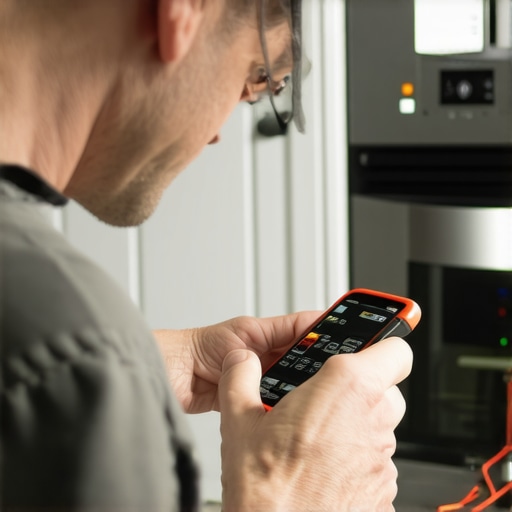
When it comes to DIY fixes or routine upkeep, having the right tools makes all the difference. For example, I rely heavily on a digital multimeter from Fluke because it’s precise enough for troubleshooting electrical components, which I frequently encounter during repairs. A sturdy cordless drill with variable speeds streamlines tasks like removing or tightening screws without damaging delicate parts. Additionally, a set of specialized nut drivers helps access hard-to-reach fasteners in tight spaces—something a generic screwdriver can’t handle with the same finesse.
Software and Apps to Streamline Your Workflow
Modern tech has revolutionized appliance maintenance. I recommend using repair tracking apps such as ServiceM8 or Jobber, which help organize repair schedules, keep records of parts used, and remind you of upcoming service dates. These tools keep everything documented and accessible, making warranty claims smoother and maintenance more systematic.
How do I keep my appliances in top condition over time?
Consistent maintenance is key. Schedule quarterly inspections to clean coils on refrigerators, replace water filters in dishwashers, and test safety switches on laundry appliances. Also, always use manufacturer-recommended parts and chemicals to prevent damage. Over time, I’ve found that adhering to a maintenance checklist tailored for each appliance minimizes unexpected breakdowns. The trend in appliance care is moving toward smart diagnostics, where some devices alert you to issues before failure occurs, like smart ovens that notify you of irregular temperatures. Investing in these features now can lead to significant savings later. For more on effective maintenance routines, check out this comprehensive guide.
The Future of Appliance Upkeep and Scaling
As technology advances, expect more appliances to incorporate IoT sensors and automation, allowing for real-time diagnostics and predictive maintenance. This shift will enable homeowners to detect issues early via smartphone alerts, reducing emergency repairs and extending appliance life. Scaling these strategies involves integrating compatible tools and software designed for smart appliance ecosystems, making maintenance more manageable and less invasive. Taking initial steps like installing maintenance alerts or subscribing to professional monitoring services now will prepare you for seamless upgrades in the future.
What Hidden Lessons Didn’t I Expect About Warranties and Repairs?
- One of my biggest surprises was discovering that not all warranties cover every mishap. For instance, improper installation can void your warranty entirely, so investing in professional setup often saves money long-term.
- I used to think that same-day service was always guaranteed, but in reality, verifying coverage and choosing reputable providers means the difference between speedy repairs and unexpected delays.
- Documenting every repair, from photos to receipts, might seem tedious, but it’s a game-changer when filing claims or troubleshooting recurring issues with warranty support.
- Understanding the fine print of your warranty can reveal exclusions you might unknowingly be subject to—such as neglecting routine maintenance, which could lead to denied claims.
- Finally, I realized that proactive maintenance and using proper tools can extend the lifespan of appliances and keep the warranty valid for years—saving you from costly replacements.
How I Pick the Best Tools and Resources for Appliance Care
- Repair tracking apps like ServiceM8 have streamlined my maintenance schedule, ensuring I never miss routine tasks or critical service dates, making warranty claims smoother.
- My trusted toolkit includes a digital multimeter from Fluke, which helps diagnose electrical issues accurately—crucial when troubleshooting appliances covered under warranty.
- Reading comprehensive guides such as the Expert Guide to Appliance Repair and Installation Today has empowered me to handle minor fixes confidently, avoiding unnecessary service calls.
- Deep-dives into appliance brands and their reliability, from customer reviews to technical manuals, have informed my choices about which appliances benefit most from warranty coverage.
The Power of Confidence: Taking Control of Your Appliance Future
Embarking on your journey to smarter appliance maintenance is more than just fixing things; it’s about building confidence in how you protect your home investments. Regularly reviewing warranty details, maintaining appliances proactively, and utilizing the right tools turn uncertainty into empowerment. Remember, you don’t have to be an expert—just informed and prepared. Your home deserves that added layer of security and efficiency.
What’s the biggest appliance question you’ve hesitated to ask? Drop it below, and let’s learn together!