
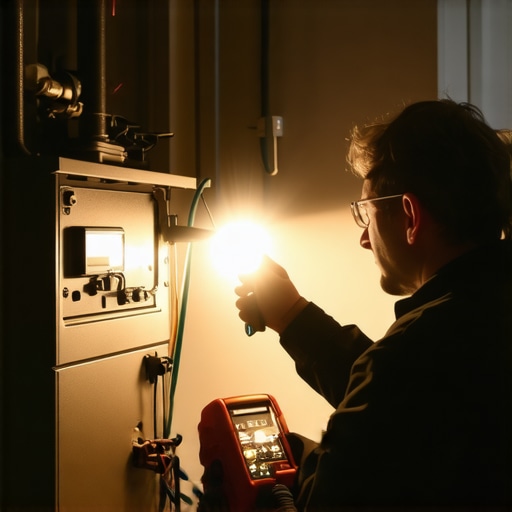
Picture this: It’s a cold winter evening, and your furnace suddenly starts making strange noises. You feel a chill creeping in despite the thermostat showing it’s set to be cozy. Suddenly, a faint smell of exhaust wafts through your home. That lightbulb moment hits—you realize your furnace might have a serious problem, and it’s not just a broken thermostat or a clogged filter. It’s the kind of thing that can cost a fortune or, worse, compromise your safety.
Why Spotting a Cracked Heat Exchanger Early Saves You Time and Money
Having dealt with my fair share of appliance mishaps, I can tell you that diagnosing issues early on can prevent catastrophic failures and dangerous situations. A cracked heat exchanger can quietly develop over time, releasing carbon monoxide—a silent killer—into your home. The big deal? Many homeowners miss the warning signs until the damage is irreparable or someone gets sick. That’s why knowing how to recognize the signs of a cracked heat exchanger is an invaluable skill.
Can You Trust Your Senses or Is It Time to Call in the Pros?
I’ll admit, early in my DIY journey, I underestimated the importance of professional diagnosis. I once dismissed a slight smell of exhaust as just dust burning off, only to later find out I had a crack that could have been deadly. It’s a mistake many make—thinking they can identify the problem themselves. But as I learned, a visual inspection alone isn’t enough, and ignoring the problem can lead to dangerous leaks or costly repairs. To truly keep your family safe, you need to understand both the risks and the reliable methods for diagnosis.
So, if you’re wondering whether that strange smell, unusual noises, or that persistent pilot light issue might point to a cracked heat exchanger, keep reading. I’ll guide you through the key signs to watch for, the mistakes to avoid, and how to ensure your furnace stays safe for years to come. For more expert advice, check out this comprehensive guide on appliance repairs.
Assess the Problem Before Diving In
Start with a clear understanding of what’s malfunctioning. For example, if your dishwasher isn’t draining, check for clogs in the drain hose or filter. Take a moment to observe any error codes or unusual noises. During a repair I attempted for a stubborn refrigerator fan, I first examined the unit’s recent behavior—listening for noise patterns and feeling for vibrations—which helped me narrow down the issue quickly. This initial assessment saves time and guides your next steps.
Gather the Right Tools and Parts
Make sure you have essential tools: screwdrivers, pliers, multimeters, and replacement parts compatible with your appliance model. Always opt for genuine or warranty-backed parts—using cheap, third-party components may void your warranty or cause further damage. During my last oven repair, I replaced a faulty temperature sensor with an OEM part, ensuring longevity and warranty compliance. Proper tools and parts are the foundation of a successful, durable fix.
Turn Off Power Safely
Before starting any repair, unplug the appliance or shut off the circuit breaker for that specific circuit. This critical safety step prevents electrical shocks. I learned this the hard way when a minor oversight nearly resulted in a jolt during a microwave repair. Confirm power is off by testing with a multimeter or voltage tester—it’s an unmissable safety protocol. Remember, safety first protects you and your appliance.
Follow the Manufacturer’s Guide Precisely
Consult the user manual or repair guide specific to your model. Many manufacturers offer online tutorials or detailed diagrams. For my washing machine, referencing the official diagram on the manufacturer’s site helped me identify the suspension spring placement without guesswork. Precise adherence to technical instructions prevents errors and ensures warranty compliance, especially when you might need to claim warranty benefits for repairs.
Execute the Repair Methodically
Work step by step, documenting your process with photos if necessary. For example, when replacing a refrigerator door gasket, I took photos at each step; it prevented confusion later and ensured proper reassembly. Take your time—rushing increases the risk of damaging parts or missing steps. Structuring your work eliminates guesswork, cuts down repair time, and aligns with quick, same-day solutions offered by professional services.
Test Before Full Reassembly
Once you’ve replaced or fixed a component, restore power and run a brief test cycle. For my microwave, I tested heating small amounts of water to confirm proper function. This step verifies the repair’s success and helps catch issues early, avoiding disassembly for minor mistakes. Testing thoroughly also ensures your appliance operates safely, guarding your warranty coverage, and avoiding future breakdowns.
Document and Schedule Professional Checkups
Keep detailed records of repairs—photos, parts used, date—for warranty claims or future troubleshooting. For complex issues or if you’re uncertain, schedule a professional inspection. Many repair services, like same-day repair providers, can diagnose and fix issues quickly, with warranty-backed guarantees ensuring peace of mind. Knowing when to call in the pros can prevent costly mistakes and extend your appliance’s lifespan.
Maintain Regular Upkeep
Prevent future repairs by cleaning filters, checking seals, and inspecting vents periodically. Proper maintenance prolongs warranty benefits and reduces downtime. During a routine cleaning, I discovered a clogged vent that was causing my dryer to overheat—addressing it immediately avoided a costly replacement and kept my warranty intact. Routine care empowers you to catch issues early and keep appliances running smoothly.
By following these actionable steps, you’ll not only fix appliances effectively but also harness the advantages of professional warranty services and same-day repairs. Remember, preparation and safety are your best tools in this process—every successful repair increases your confidence and minimizes unnecessary costs.
 Many homeowners operate under common assumptions about warranties and professional appliance services, but true expertise reveals that these beliefs often oversimplify complex realities. A frequent myth is that all warranties are created equal—many believe a typical warranty covers everything, but in truth, most have exclusions that can catch you off guard, such as specific damage types or procedural requirements. This misconception can lead to costly disputes when attempting to use warranty benefits; for instance, some warranties demand routine maintenance logs or exclude accidental damage, which many overlook until after a failure occurs.
Moreover, there’s a widespread idea that professional installation guarantees flawless operation, yet even certified installers can make subtle errors—like incorrect leveling or improper venting—that undermine appliance longevity. These nuanced mistakes can be silent killers for your appliance’s performance and lifespan, emphasizing the importance of understanding installation intricacies. Additionally, many users fail to recognize the critical distinctions between emergency repairs and scheduled service, often relying solely on same-day options without assessing whether the issue truly warrants urgent attention or if a planned repair might be more suitable. Rushing into immediate repair can sometimes bypass thorough diagnostics, risking future malfunctions or warranty voidance.
Is Your Repair Strategy Compatible with Advanced Appliance Technologies?
In today’s smart appliances, compatibility and firmware updates are vital considerations. Neglecting firmware versions when scheduling repairs or upgrades can cause incompatibility issues or even void warranties—something many overlook. Experts suggest that staying informed about manufacturer updates is crucial, especially since unpatched devices are vulnerable to security breaches and operational failures. Studies from the Consumer Technology Association highlight that appliances integrated with IoT features require specialized handling to maintain warranty coverage and security standards. This nuance underscores that appliance repair isn’t just about fixing hardware but also about understanding software dependencies.
Another often-missed nuance involves warranty registration, which many homeowners neglect post-purchase. Registering your appliance promptly ensures eligibility for warranty services and access to exclusive benefits like extended coverage or priority repairs. Neglecting registration can result in denied claims or delays when you need urgent repairs, especially if your appliance encounters issues shortly after installation. To maximize your warranty value, it’s advisable to familiarize yourself with the specific registration procedures and document all purchase information meticulously. For expert guidance on navigating these complexities, check out this comprehensive guide on appliance repair and installation.
Finally, understanding the scope and limitations of same-day services can save you frustration. While many assume same-day repair guarantees immediate resolution, some providers may only perform diagnostic assessments or require parts procurement before completing the fix. Know the difference by reviewing what to expect from your local technicians, ensuring your expectations align with service realities. This awareness helps prevent disappointment and allows better planning, particularly during emergencies that might seem urgent but could wait with proper oversight. Have you ever fallen into this trap? Let me know in the comments.
Invest in the Right Equipment for Consistent Results
When it comes to maintaining appliances over time, having specialized tools makes all the difference. I personally rely on a high-quality digital multimeter like the Fluke 115—its precision allows me to quickly diagnose electrical issues without guesswork, saving time and preventing unnecessary parts replacement. For tasks involving mechanical parts, a precision torque wrench ensures that screws and nuts are tightened to manufacturer specifications, protecting warranty coverage and preventing damage. These tools are not just for pros; investing in them pays off by reducing service calls and extending your appliance lifespan.
Use Software-Driven Diagnostic Tools
Smart appliances now come equipped with diagnostic interfaces, and I recommend investing in apps or diagnostic modules compatible with your devices. For example, some washing machines support Wi-Fi diagnostics, which can be accessed via manufacturer apps. These tools help identify error codes before you start dismantling, conserving your time and safeguarding your warranties. As the industry trends toward IoT integration, manufacturers are developing more sophisticated diagnostic platforms that communicate directly with service providers, hinting that DIY diagnostics will become even more precise in the future. Learning to interpret error codes through reputable sources like the official service manuals can drastically improve your troubleshooting effectiveness.
Develop a Routine Maintenance Schedule
One habit I swear by is creating a scheduled maintenance calendar. Every three to six months, I check filters, seals, and vents—performing these simple tasks can prevent major failures. For instance, cleaning your refrigerator’s condenser coils keeps the compressor idling efficiently, extending its warranty terms. Using a dedicated checklist, perhaps with a smartphone app like TaskRabbit, helps ensure that no step is overlooked. Consistent maintenance not only saves money but also keeps your appliances operating reliably, often avoiding the need for expensive repairs or emergency services.
Predict the Future of Appliance Maintenance
As technology advances, I foresee a move toward integrated AI diagnostics and predictive maintenance, reducing reliance on manual inspections. Companies are already experimenting with sensors that monitor appliance health and notify homeowners of potential issues before breakdowns occur. This proactive approach could revolutionize appliance longevity, allowing for repairs to be scheduled during low-usage windows, and extending warranties through verified maintenance logs. Staying ahead with current tools and knowledge will be vital—consider subscribing to manufacturer firmware update alerts or professional service plans that include remote diagnostics.
How do I keep my appliances well-maintained over time?
Establishing a routine that combines physical inspections with software diagnostics is key. Regularly updating firmware, cleaning parts, and logging maintenance activities can dramatically improve long-term performance. For example, following manufacturer-specific guidelines—like those outlined in this expert guide on appliance repair—ensures you stay compliant with warranty terms and avoid costly errors. Incorporate advanced tools like multimeters and diagnostic apps into your routine, and you’ll find preventing breakdowns is easier and more reliable than waiting for emergencies.
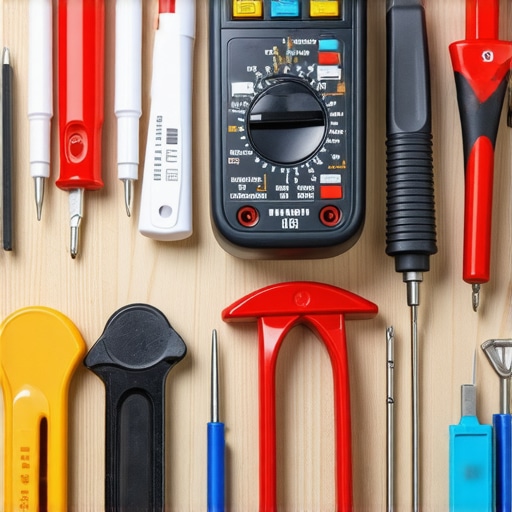
Here’s a visual of the professional-grade multimeter I recommend for precise diagnostics—perfect for those serious about maintaining their appliances efficiently.
In the end, the effort you put into maintaining your appliances pays dividends. More accurate diagnostics, proactive maintenance, and the right tools help you avoid costly repairs and keep everything running smoothly for years to come. Ready to elevate your maintenance game? Start by incorporating a digital multimeter into your toolkit today—it’s a game-changer.
The Hardest Lesson I Learned About warranty, installation, appliance repair, and same-day service
One of the most profound lessons I encountered was realizing that not all warranties are created equal. Many homeowners assume their warranty covers every mishap, but in reality, exclusions like improper maintenance or DIY repairs can void your coverage unexpectedly. I also learned that rushing into same-day repairs without proper diagnostics often leads to unnecessary expenses, emphasizing the value of patience and expertise. Moreover, I’ve discovered that false confidence in DIY fixes can cause safety hazards, reinforcing the importance of knowing when to call professionals. Lastly, understanding the nuances of professional installation reveals that even certified technicians can make subtle errors, which underscores the need for collaboration and informed oversight to truly safeguard your appliances and warranties.
My Essential Toolkit for Reliable Appliance Care
Over time, I’ve come to trust specific tools and resources that elevate my repair game. A high-quality digital multimeter like the Fluke 115 has become indispensable for precise electrical diagnostics, preventing guesswork and costly errors. I also rely on OEM parts, which ensure warranty preservation and longevity—cheaper alternatives often backfire. For troubleshooting, manufacturer-provided online manuals and diagnostic apps offer invaluable guidance, especially for smart appliances that integrate software and firmware. Finally, my favorite resource remains this comprehensive repair guide, which distills complex processes into actionable steps, keeping me confident and prepared.
Your Turn to Power Up Your Appliance Maintenance
Taking charge of your appliances through informed repairs and understanding warranty intricacies can transform your home maintenance approach. Remember, patience, proper tools, and expert guidance are your allies in avoiding costly mistakes. Every repair you master not only saves money but also extends the life of your appliances, making your household more resilient and safe. Don’t wait for minor issues to escalate—empower yourself today by implementing these insights and building your knowledge base. Ready to elevate your appliance care? Start with that digital multimeter or review your warranty terms now—small steps lead to big savings.
What unexpected lesson about appliance warranties or repairs did you learn the hard way? Share your experience below—I’d love to hear your story.
,