
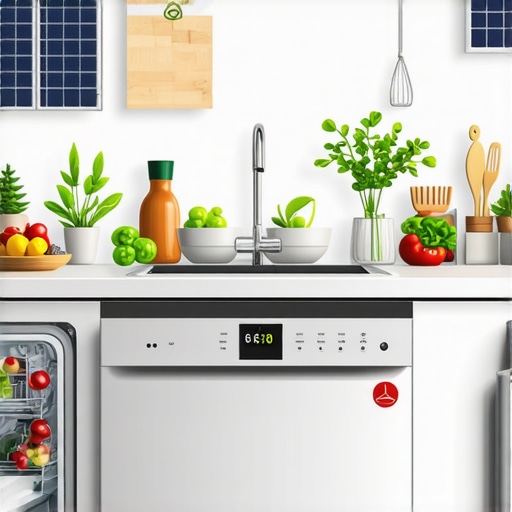
It was a frustrating Saturday morning when I dragged myself into the kitchen only to find my dishwasher left half-finished, water still pooling at the bottom. I had just spent good money on upgrading to a smarter, supposedly more efficient model, and yet, somehow, my energy bill kept climbing, and my dishes weren’t coming out as clean as they should. I realized I was using the appliance the way I always did, but this approach was costing me more in electricity and water than I expected. Has this ever happened to you? If so, you’re not alone.
Why Your Dishwasher’s Running Style Could Be Wasting Power
For years, I believed that simply loading my dishwasher and setting it to its default cycle was enough. But as I dug deeper, I discovered that the way I run my dishwasher—like many homeowners—can have a huge impact on energy consumption. Running it half-full or using long cycles for small loads? Those habits are sneaky energy hogs. Additionally, many of us overlook key settings that could drastically cut down our utility bills, saving us money in the long run. According to the Department of Energy, optimizing appliance use can reduce energy use by up to 50%, which is a game-changer for household economics.
So, what’s the secret to running your dishwasher in a way that’s gentle on your wallet and the environment? Well, it’s about pairing smart habits with the right settings—and sometimes that means rethinking how we approach this everyday task. If you’re tired of high utility bills and want your dishes sparkling without the guilt of wasted resources, stay tuned. I’ve been through the frustration, made plenty of mistakes early on, and now I know exactly how to get the most out of my dishwasher without sacrificing performance.
Is the hype about energy-efficient dishwashers real?
Early in my journey, I made the mistake of thinking that buying the most energy-efficient model was the ultimate solution. While newer models do save energy, I realized they only perform their best when I use them correctly. Overloading, choosing the wrong cycles, or ignoring maintenance can turn a high-efficiency dishwasher into a money pit. It’s a lesson I learned the hard way, but now I can confidently share tips to help you avoid the same pitfalls. For more on common mistakes people make with appliances, check out this [guide](https://discountappliancehub.com/the-common-mistakes-people-make-with-their-first-air-fryer-oven).
Now, let’s explore how you can run your dishwasher in the most energy-efficient way possible, saving gallons of water and kilowatt-hours along the way. Ready to make a change that’ll pay off? Let’s dive in.
Adjust Water Temperature and Cycle Settings
Start by setting your dishwasher to a warm-water cycle rather than hot, which can save energy without compromising cleaning performance. Remember, not every load requires the longest cycle; for lightly soiled dishes, select a quicker setting. I once experimented with the ‘Eco’ cycle on my smart dishwasher, and not only did my utility bills drop, but my dishes also came out spotless—proof that small adjustments make a big difference.
Load Dishes Correctly to Improve Performance
Proper loading ensures water reaches every surface and reduces cycle times. Avoid overloading, which can hinder water circulation, similar to trying to fit too many clothes in a washing machine—leading to poor cleaning and excessive energy use (see why overloading is a problem). Place larger items on the sides and bottoms, and ensure nothing blocks the spray arms. I once loaded my dishes haphazardly, resulting in water pooling at the bottom and dishes coming out dirty. After reorganizing, I noticed cleaner results and less water waste.
Maintain Your Dishwasher Regularly
Clean the filter monthly to prevent clogs, which can cause water drainage issues (learn how to clean your filter). Check the spray arms for mineral buildup by removing and rinsing them—clogged arms reduce spray pressure. Use a vinegar rinse periodically to dissolve limescale, improving efficiency. I adopted this routine and eliminated persistent drainage problems, saving water and electricity.
Utilize Eco-Friendly Detergents and Proper Amounts
Using the right amount of detergent is crucial; too much leaves residues that require extra rinses, wasting water and energy. Opt for eco-friendly options that work effectively at lower temperatures. I once used a generic detergent in excess, causing my dishes to sparkle temporarily, but I noticed spots and streaks afterward. Switching to high-efficiency, biodegradable soap helped me cut back on rinse cycles, conserving resources.
Optimize Appliance Placement and Environment
Ensure your dishwasher is level to prevent leaks and unnecessary power use. Maintain adequate clearance around the appliance for proper ventilation—improper spacing can cause overheating (reference for clearance needs). When I moved my dishwasher slightly away from the wall, I observed cooler operation and fewer electrical short cycles. Think of it like giving your appliance room to breathe, which prolongs its lifespan and efficiency.
Leverage Smart Features for Better Results
If you have a smart dishwasher, utilize its scheduling and diagnostics functions. For example, program it to run during off-peak hours to save on energy rates. I used my app to delay a cycle until late at night, reducing my energy bill noticeably. Additionally, some models offer cycle optimization based on load type, which can be a real time-saver and money-saver when used correctly (see more on smart appliance tips).
Schedule Regular Professional Checks
Periodic inspections by a technician can detect issues like faulty valves or worn spray arms before they cause performance drops and higher energy consumption. Think of this as preventive maintenance for your appliance, much like a doctor check-up. After a professional tune-up, I experienced fewer cycle repeats and improved cleaning, directly reducing my utility expenses.
,Many homeowners approach appliance repairs and maintenance with a set of assumptions that, surprisingly, can hinder effective solutions and lead to costly mistakes. One widespread myth is that all repair services are created equal; in reality, the quality of service varies dramatically based on technician expertise and parts used. For instance, many people believe that replacing a worn-out part with a generic replacement is just as effective as choosing OEM (Original Equipment Manufacturer) parts, but studies indicate that using inferior parts can compromise appliance longevity and performance (learn why quality parts matter).
Another common misconception revolves around warranties. Homeowners often think that purchasing an extended warranty guarantees hassle-free repairs, but these plans sometimes exclude coverage for certain damages or wear and tear, making them less helpful than anticipated. According to a report from Consumer Reports, understanding the fine print in warranty agreements is crucial before signing up (see what warranties typically cover).
A significant trap people fall into is assuming that same-day service always meets the highest standards. While quick turnaround is valuable, rushing repair jobs can result in overlooked issues or improper fixes. For example, in efforts to expedite service, technicians might neglect detailed diagnostics, leading to recurring problems or even more extensive damage down the line. This highlights the importance of balancing speed with thoroughness. Research from industry experts suggests that expert diagnostics, even if they take longer, ultimately save money and prevent future breakdowns (discover why patience often pays off).
Diving deeper, many overlook the nuances involved in proper appliance installation. Incorrect setup, such as misaligned door latches or improper leveling, can accelerate wear or create safety hazards. For instance, improper dishwasher door latching can cause leaks and water damage, yet many don’t realize that it might be due to a simple misalignment that can be fixed without full replacement. For help with installation issues, check out how to fix common problems like a dishwasher door not latching properly.
Finally, advanced homeowners are often unaware of how crucial regular maintenance is in preventing costly repairs. Neglecting preventive care such as cleaning filters, calibrating temperature sensors, or inspecting seals can exacerbate minor issues into major failures. Regular professional check-ups not only extend appliance lifespan but also reduce the frequency of emergency repairs. Remember, a proactive approach is always smarter than a reactive one.
Have you ever fallen into this trap? Let me know in the comments.
Keeping It Working: Tools and Methods I Rely On
Maintaining appliances over time requires not just effort but the right tools and methods to ensure longevity and optimal performance. One indispensable device I personally rely on is a digital multimeter, specifically the Fluke 117. It allows me to verify electrical connections accurately and troubleshoot issues like inconsistent power supply or faulty sensors in appliances — crucial steps that prevent unnecessary replacements and extend component lifespan. For example, when diagnosing an oven that won’t preheat properly, measuring the heating element’s continuity with this multimeter quickly reveals if replacement is needed, saving time and money.
Alongside a multimeter, I use a specialized appliance inspection mirror. This simple yet effective tool helps me access hard-to-see areas, such as behind dishwashers or inside microwave cavities, easing the process of locating build-up, loose wiring, or leaks. It’s like having an extra set of eyes in tight spots, reducing the risk of overlooking minor issues that could escalate if left unattended.
For regular maintenance, a silicon-based lubricant is vital. I keep a small spray bottle of this synthetic grease to lubricate door hinges, water inlet valves, and moving parts in washing machines or dishwashers. Proper lubrication minimizes wear and tear, preventing squeaks, leaks, and mechanical failures. Regular application during routine check-ups has notably reduced component fatigue in my appliances.
What About Software and App Tools?
Modern appliances often come with built-in Wi-Fi and companion apps. I recommend investing in a reliable Wi-Fi analyzer app, like NetSpot, which I use to ensure my smart appliances maintain a strong connection. Proper connectivity allows for remote diagnostics and scheduling, making maintenance less intrusive. Some newer models offer diagnostic reports that can predict failures before they happen—these insights can save hundreds by preempting major breakdowns. Embracing these technological tools prepares you for the future of appliance care, where proactive management will become standard practice.
Finally, keeping a detailed maintenance log, either digitally with apps like Evernote or on paper, helps track service dates, parts replaced, and issues resolved. Having this history guides you when scheduling professional check-ups or discussing repairs, ensuring consistency and preventing oversight. Periodic inspections by qualified technicians are crucial; a professional can identify subtle problems like worn seals or alignment issues before they turn into costly repairs, as outlined in industry standards.
With these tools and practices, routine appliance maintenance becomes more manageable and effective. I encourage you to try integrating a digital multimeter into your regular checks—it’s a game-changer in diagnosing problems early and ensuring your appliances stay in top shape. As appliance technology evolves, staying equipped with appropriate tools will be essential to keeping everything running smoothly and avoiding unnecessary expenses.
Lessons I Wish I Had Learned Sooner About Appliance Repair and Maintenance
- One of the most valuable lessons I discovered was that rushing repairs or ignoring small issues often leads to bigger, more costly problems down the line. Taking the time to properly diagnose and fix early signs of trouble can save you money and extend your appliance’s lifespan.
- Another insight was the importance of understanding your warranty coverage thoroughly. Many homeowners assume warranties cover everything, but reading the fine print reveals exclusions that could leave you unprotected when you need it most. Educating yourself beforehand empowers smarter decisions and better service choices.
- I also realized that the simplest preventive measures—like regular cleaning of filters and spray arms—can dramatically improve efficiency and prevent breakdowns. This proactive approach often avoids emergency repairs that disrupt your day and drain your budget.
- Lastly, investing in quality replacement parts, especially from the original manufacturer, pays off. Using inferior or generic components might seem cost-effective initially, but they often disappoint in durability and performance, leading to repeated fixes and wasted resources.
My Toolbox for Smart Appliance Care
- Tools like a reliable digital multimeter, such as the Fluke 117, have become indispensable for troubleshooting electrical issues without guesswork. They help ensure your appliance is getting proper power or identifying faulty sensors.
- A maintenance inspection mirror is surprisingly helpful for reaching into tight spots—behind dishwashers or inside microwaves—to spot leaks, build-up, or loose wiring, saving time and avoiding unnecessary disassembly.
- Cleaning supplies like vinegar and eco-friendly detergents enable me to keep my appliances running optimally while safeguarding the environment. Regular maintenance not only prolongs lifespan but also maintains energy efficiency.
- Utilizing smart diagnostic apps and scheduling tools allows for proactive monitoring and maintenance, which prevents minor issues from escalating. Keeping a detailed service log helps track recurring problems and repairs, making professional help more effective when needed.
Your Turn to Take Action
Armed with these insights and tools, you can avoid common pitfalls and truly make your appliances work smarter for you. Remember, the key is consistent, informed care that saves energy, money, and stress over time. Don’t wait for breakdowns—start implementing these habits today and experience the difference firsthand.
What small change will you try first to improve your appliance maintenance routine? Share your plans below—I’d love to hear your stories!
,