
It was late last night when I opened my freezer and noticed a small puddle forming at the bottom. My heart sank because I knew exactly what that meant — my ice maker was probably leaking again. Frustration hit hard; I’ve been down this road before, undoing that stubborn leak, only to have it come back. That lightbulb moment hit me hard: these leaks aren’t just a nuisance—they can cause real damage over time and can be costly if not addressed quickly.
Cracking the mystery of ice maker leaks
You see, a leaking ice maker isn’t just about a little water spilling where it shouldn’t. It’s often a sign that something’s off with the water supply line, the valve, or the ice maker assembly itself. If ignored, this leak can lead to freezer temperature issues, mold growth, and even damage to your appliance’s interior. But don’t worry—I’ve been there, and I’ve learned a lot through trial and error. Today, I promise to guide you through the most common causes of leaks and how to fix them before things get worse. If you’re tired of cleaning up messes or if your warranty feels like it’s about to expire because of preventable damage, keep reading.
Is fixing your ice maker worth all the hype?
You might be skeptical—maybe you’ve tried some quick fixes that didn’t last, or you think calling in a technician is the only way. I get it; I’ve made my share of mistakes early on, like ignoring the importance of turning off the water supply before tinkering. That one mistake almost caused a flood in my kitchen because I overlooked the [hidden valve that shuts off water to your fridge](https://discountappliancehub.com/the-hidden-valve-that-shuts-off-water-to-your-fridge). But here’s the truth: understanding the root causes of your leak can save you time, money, and stress. In fact, neglecting these leaks can lead to more costly repairs down the line, since water damage can warp cabinets or ruin electronics.
According to a recent study, ignoring minor appliance leaks can result in significantly higher energy bills and repair costs—sometimes up to 30% more over the appliance’s lifespan. That’s why addressing this issue promptly is crucial.
Now that I’ve shared my experience, let’s turn to the practical steps you can take. Whether you’re a DIY enthusiast or just want to understand what’s happening behind the scenes, knowing how to detect and fix the leak will keep your fridge running smoothly and your kitchen dry. Ready to dive into the fix? Let’s get started.
The First Step: Turn Off the Water Supply
Before diving into repairs, locate the hidden valve that shuts off water to your fridge, often behind the unit or underneath it, and turn it off to prevent further water damage. I once overlooked this step, which caused water to flood my kitchen; learning from that mess, I now always turn the valve off first. Ensuring the water flow is stopped prevents additional leaks and makes your repair safer and cleaner.
Inspect the Water Line and Fittings
Next, examine the water line connected to your ice maker for cracks, kinks, or loose fittings. Use a flashlight and a mirror if needed. I found a small crack in my own line, which was causing continuous drips. Tightening loose fittings or replacing damaged sections with quality parts from a reputable supplier—avoiding cheap, generic parts that can fail prematurely (see why quality matters)—can solve the leak effectively. Remember, proper installation prevents future issues; check the hidden valve to shut off water to your fridge before working on the line.
Remove and Examine the Ice Maker Assembly
Carefully detach the ice maker assembly from the freezer wall, following your appliance’s manual. Look for cracks, ice buildup, or damaged seal gaskets. I once discovered a worn-out gasket that wasn’t sealing properly, allowing water to escape. Replacing seals and ensuring they fit snugly is crucial; a loose or damaged seal is a common culprit. When reassembling, ensure all connections are tight but not overtightened, which can cause cracks or deformation.
Replace or Repair Faulty Components
If you find damaged parts, such as a cracked water inlet valve or a worn gasket, replace them with manufacturer-approved parts. Avoid quick fixes like glue—these are temporary and can cause more harm. For example, I replaced a faulty inlet valve that was causing constant leaks, and that fixed the issue permanently. If unsure about parts or if it’s a complex repair, consider consulting a professional to avoid costly errors. For faster resolution, many home appliance technicians offer same-day service and can handle complicated installations or repairs efficiently.
Test the Repair and Confirm No Leaks
After reassembling everything, turn the water supply back on slowly, watching for leaks from fittings or the ice maker. Run the ice maker through a cycle and observe for dripping or pooling. A trick I use: place a paper towel beneath the connection points. If it stays dry after a couple of cycles, your repair is successful. If not, re-tighten fittings or re-examine components. Remember, proper installation and use of quality replacement parts are vital to prevent future leaks and damage.
Prevent Future Leaks and Maintain Efficiency
Regular inspections of water lines, fittings, and seals can catch issues early. Clean buildup around the ice maker and replace gaskets as needed. Also, avoid over-tightening fittings, which can cause cracks and leaks. When installing new lines or components, follow best practices—use proper fittings and avoid shortcuts. For comprehensive guidance on water line installation, check the correct installation tips. Consistent maintenance saves time and money, and keeps your appliance running smoothly.
Many homeowners assume that appliance repairs are straightforward and that warranties automatically cover all issues. However, understanding the nuances can save you headaches and money. For instance, a widespread myth is that manufacturers always have your best interest at heart, but often, extended warranties can be more beneficial than standard ones, especially if you read the fine print about what they truly cover.
Another mistake is believing that same-day or rapid repair services are always reliable. In reality, some technicians might rush through repairs, missing critical diagnostics, which leads to recurring problems. It’s vital to verify if the technician is certified and experienced, as poorly done repairs can void warranties or create safety hazards. Check out how to verify repair tech credentials here.
There’s also a common misstep regarding installation. Many overlook the importance of proper setup, especially when it comes to water lines for refrigerators. Incorrect installation not only causes leaks but can also void your warranty. For example, improperly installed water supply lines can lead to slow water flow or leaks, which might be blamed on the appliance itself rather than the faulty installation. Learn the correct installation practices here.
One of the most insidious misconceptions involves the use of generic parts during repairs. Many think that generic or third-party parts are a cost-effective alternative, but they often lack the durability of OEM components. This can lead to repeat repairs and even void your warranty if the repair isn’t up to manufacturer standards. See why quality parts matter here.
Furthermore, many fail to realize the importance of reading the fine print in their warranties. Some warranties exclude coverage for certain damages caused by improper maintenance or external factors. For example, neglecting to close the hidden valve before moving your refrigerator can cause water damage, which may not be covered. Always double-check what your warranty does and does not cover; find out more here.
In the end, being informed about these subtleties empowers you to make better decisions and avoid common traps. Don’t fall for superficial fixes or assumptions—dive deeper into the details of your appliance warranties and repair processes. Have you ever fallen into this trap? Let me know in the comments.
Keeping it Working: Tools and Techniques for Long-Term Appliance Care
When it comes to maintaining appliances, having the right tools can make all the difference. I personally rely on a few key pieces of equipment to ensure efficient and accurate repairs. A high-quality digital multimeter is indispensable for testing electrical components like thermostats and wiring continuity. I prefer models with auto-ranging capabilities because they save time and improve precision. For tightening fittings, a set of ratchet wrenches with various socket sizes allows quick adjustments without damaging delicate parts, especially when working with water supply lines—remember to always close the hidden valve to shut off water to your fridge before any work.
Beyond physical tools, I leverage specialized software for diagnosing complex issues. For example, using diagnostic apps that communicate with smart appliances helps identify firmware glitches or sensor failures before opening up the device. These tools are increasingly vital as appliances become smarter and more interconnected, guiding maintenance with actionable insights rather than guesswork.
Staying organized with a comprehensive parts inventory also streamlines repairs. I keep genuine OEM components, like water inlet valves and gaskets, on hand because using quality parts reduces the risk of recurring problems. Cheaper alternatives might save money initially but often lead to more frequent repairs and voided warranties.
Looking ahead, I predict that appliance maintenance will become even more digitized. Remote diagnostics and predictive maintenance algorithms will allow technicians and homeowners to identify issues proactively, reducing downtime and repair costs. Embracing these advancements now can help you stay ahead of potential failures.
How can I maintain my appliances efficiently over time?
Implementing a routine maintenance schedule is key. Regularly inspecting water lines, seals, and filters—like changing your refrigerator’s water filter on schedule—prevents small issues from escalating. Additionally, keeping your appliances’ firmware updated ensures they operate with optimal efficiency and security, particularly for smart devices. For comprehensive insights into prolonging your appliance’s lifespan, consider reading about recommended maintenance practices in your appliance’s manual or trusted resources like this guide.
To really stay on top of upkeep, I recommend scheduling semi-annual inspections with a qualified technician who can perform thorough checks and catch issues early—sometimes even during same-day service visits, which save you from unexpected breakdowns. Remember, investing in maintenance tools and expert advice today offers long-term benefits like lower repair costs and extended appliance life.
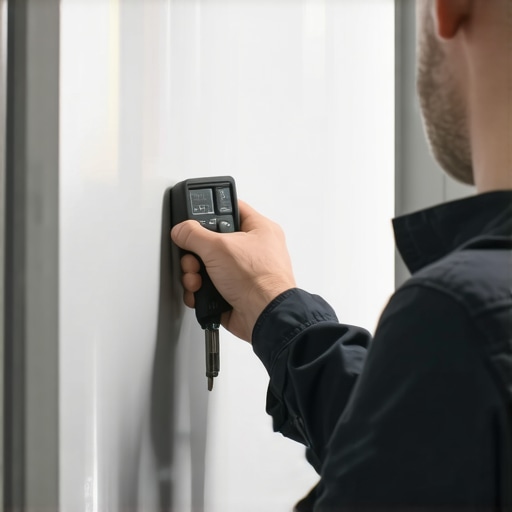
Image showing a technician using a multimeter and wrench during appliance repair, emphasizing the importance of proper tools.
Lessons Only the Wise Appliance Handlers Have Learned
Over the years, I’ve realized that the most impactful lessons aren’t about simple fixes but about understanding the subtle signs of underlying issues. The hardest lesson was discovering that tiny cracks in the water line can silently cause catastrophic leaks, emphasizing the importance of thorough inspection before reassembling. Also, I learned that rushing a repair to save time often leads to repeat visits; patience and precision save money and frustration. Lastly, the realization that quality parts might cost more upfront but prevent recurring problems has dramatically improved my repair success rate.
Tools & Resources That Changed My Approach
My essential toolkit now includes a high-quality digital multimeter, which helps me quickly diagnose electrical issues with confidence. For water line repairs, a set of ratchet wrenches with adjustable socket sizes makes tightening fittings safer and more efficient. I swear by the OEM repair manuals from the appliance manufacturers—they provide step-by-step guidance that I trust over generic instructions. Additionally, subscribing to industry blogs, like this resource, keeps me updated on best practices and emerging repair techniques.
Your Next Step: Keep Repairing with Confidence
Knowing these insider lessons and having the right tools can empower you to handle ice maker leaks effectively. Remember, each repair is a step towards mastery, saving you money and extending the life of your appliances. Don’t shy away from applying what you’ve learned today—your fridge and wallet will thank you. Keep experimenting, stay curious, and trust in your growing expertise. What’s the first repair step you’re excited to try? Share your plans below!
,”image”:null,