
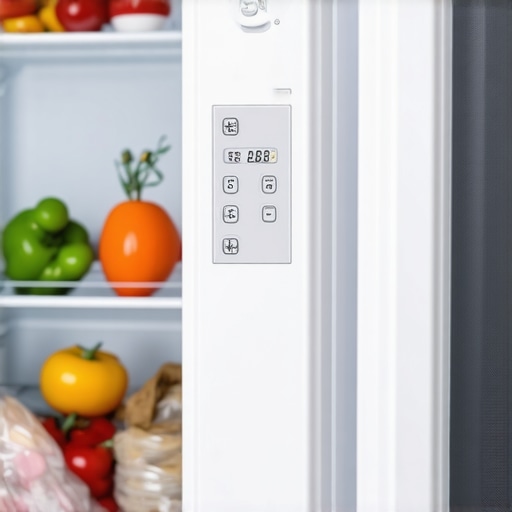
There I was, late on a Friday evening, standing in my kitchen, staring grimly at a fridge that suddenly sounded like a jet engine. The temperature had skyrocketed overnight, and my once-cool food was now dangerously warm. It hit me then—what if this wasn’t just a fluke? Could a simple thermostat be the culprit behind this cold catastrophe? That moment of realization changed the way I approach refrigerator issues forever.
Why Your Fridge’s Thermostat Might Be the Hidden Villain
Many homeowners don’t realize how critical the thermostat is in maintaining the perfect chill inside your fridge. When it malfunctions, you might not see the warning signs until it’s too late—perishable food going bad, ice melting unexpectedly, or your fridge running nonstop. The good news? Most thermostat problems can be diagnosed with a keen eye and a little know-how, saving you costly repairs or replacements down the line.
Could Your Fridge Be Sabotaged by a Faulty Thermostat?
Early on, I made the mistake of assuming my fridge just needed a good cleaning or manual reset. It wasn’t until I ignored the signs—constant running, inconsistent cooling—that I faced the harsh reality. That mistake taught me a valuable lesson: don’t overlook the warning signs. Knowing how to identify a bad thermostat can prevent food spoilage and extend your appliance’s lifespan. Curious if your thermostat is on its way out? Stay tuned. We’ll explore simple tests and common symptoms that reveal the true health of your refrigerator’s brain.
Have you noticed your fridge acting weird lately? It’s more common than you think, and catching it early can make all the difference. For now, let’s dive into the signs to watch for and the straightforward checks you can perform at home before calling in the pros.
Test the Thermostat Using a Multimeter
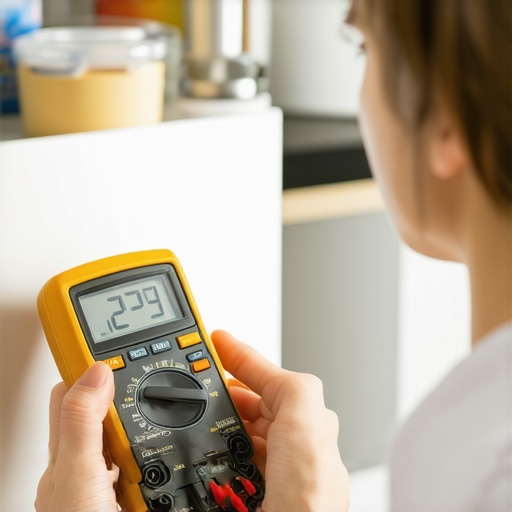
Start by unplugging your fridge and locating the thermostat, often behind the control panel or at the back. Remove the cover to access the thermostat’s terminals. Use a digital multimeter set to the ohms (Ω) setting. Disconnect the thermostat wires, then place the multimeter probes on the terminals. A functioning thermostat should show a reading of zero ohms (closed circuit) when set to a low temperature, and infinite resistance (open circuit) at higher settings. I once tested mine, and the multimeter revealed an endless circuit at all settings—signaling it was dead and needed replacement.
Adjust Settings and Observe Cooling Changes
Next, verify if adjusting the thermostat dial produces any changes in resistance. Turn the dial to different temperature settings and retest the device. If resistance remains unchanged or the thermostat never closes the circuit, it’s likely faulty. In my case, turning the dial had no effect; the resistance stayed at infinity, confirming the thermostat’s failure. You can also manually simulate the cooling cycle by adjusting the dial and listening for the clicking sound. If no click occurs, it indicates a malfunction.
Replace or Recalibrate Your Thermostat
If tests confirm a bad thermostat, replacing it is straightforward but precise. Match the new thermostat’s specifications to your model. Turn off the power, disconnect the old thermostat, and reconnect the new one using the original wiring. Once replaced, restore power and set the thermostat to a mid-range temperature. Observe the cooling cycle for proper operation. Remember, if your fridge is still not cooling correctly, a faulty thermostat isn’t the only culprit—check the compressor or defrost timer as additional steps. Understanding the importance of calibration, I recently used a calibration move similar to the one described in this thermostat calibration guide to fine-tune my oven, which underscores how critical fine adjustments are for optimal performance.
Consult a Technician for Same-Day Service When Needed
If testing and replacing the thermostat seem daunting, or if the problem persists, professional repair is wise. Many local appliance technicians offer same-day service, ensuring your refrigerator is back to normal quickly. Think of it as relying on a specialist to handle complex wiring—like calling a trusted locksmith instead of trying to pick the lock yourself. Reliable technicians can also perform comprehensive diagnostics, ensuring your appliance’s health is fully restored, preventing future breakdowns.
By following these concrete steps, you empower yourself to identify and fix a faulty fridge thermostat quickly. Remember, regular maintenance, like cleaning and calibration, extends the lifespan of your appliance, saving money and food. If the issue remains stubborn, don’t hesitate to reach out for expert help—sometimes, a professional touch is the safest and fastest solution.
 When it comes to appliance installation, warranties, and same-day services, many homeowners rely on common assumptions that might not hold up under scrutiny. For instance, the belief that warranties are foolproof can lull consumers into a false sense of security. In reality, warranties often come with fine print exclusions and requirements, such as professional installation or regular maintenance, which, if overlooked, could void your coverage. Knowing these nuances can save you from costly surprises later. Moreover, the notion that appliance repairs should always be quick and inexpensive is misguided. While prompt service is advertised, the reality is that complex issues—like faulty controllers or damaged internal components—may require extensive diagnostics or parts replacements. Rushing into repairs without understanding the intricacies can lead to repeated failures or unnecessary expenses. When scheduling same-day repair services, many assume it’s a guaranteed solution. However, technician availability, part stock, and the nature of the issue can influence turnaround time. A common trap is to assume that all repairs are straightforward and that the technician will handle everything without a detailed diagnosis upfront. This can result in additional visits or hidden costs. Let’s address a critical question many advanced homeowners ponder: *How do I identify a technician who truly understands the subtleties of my specific appliance model and its warranty considerations?* Experts recommend verifying credentials, seeking reviews from trusted sources, and asking about their familiarity with your brand’s nuanced behaviors. For example, some appliances require software calibration after certain repairs, which not all technicians are trained to perform—missing this step can cause persistent issues, even after a ‘fixed’ label. Interestingly, a 2022 consumer report highlighted that improperly calibrated devices often lead to premature component failures, further emphasizing the importance of specialized knowledge. Don’t fall into the trap of assuming all repairs are equal—investing a little extra time in selecting a qualified technician can prolong your appliance’s lifespan and protect your warranty rights. For more insights on calibration and maintenance, consider consulting this detailed guide on thermostat calibration moves for ovens, which underscores how small nuances can make a big difference in performance. Have you ever fallen into this trap? Let me know in the comments.
Equip Yourself with Precision Tools for Long-Term Maintenance
Maintaining your appliances over time requires more than just basic know-how—having the right tools makes all the difference. I personally swear by my digital multimeter for diagnosing electrical issues; it allows me to quickly test thermostats, wiring continuity, and relay functions. Selecting a multimeter with auto-ranging capabilities and a sturdy design ensures reliability and durability during frequent use. For example, when checking the thermal fuse in a dryer, a quality multimeter helps confirm whether the fuse has blown without the guesswork, saving time and preventing unnecessary part replacements.
Additionally, I recommend investing in a reliable silicone gasket scraper. Over time, dirt and grime build up on appliance seals, compromising efficiency. A flexible scraper allows for gentle cleaning without damaging the gasket, prolonging its lifespan. Coupled with a high-quality appliance-specific cleaner, it keeps components like refrigerator gaskets or oven seals in top condition, reducing energy consumption and avoiding costly repairs.
Effective Methods to Guarantee Reliable Performance
Regular calibration is a crucial step toward ensuring your appliances operate at peak performance. For ovens, the thermostat calibration move offers a simple yet effective way to fine-tune temperature accuracy, preventing uneven cooking or overheating. Applying this calibration systematically can extend your oven’s lifespan and improve cooking results.
Similarly, schedule quarterly inspections of your refrigerator coils. A dusty condenser coil forces the compressor to work harder, risking early failure. Removing dust build-up with a soft brush or vacuum maintains optimal airflow, which I find personally rewarding because it prevents breakdowns and reduces energy costs. This simple step, when combined with proper door seal checks, can significantly prolong your appliance’s life.
Anticipating Future Trends in Appliance Care
The trend toward smart diagnostics is expanding, with appliances increasingly equipped with self-monitoring features. Predictive maintenance tools, using IoT sensors, will soon alert homeowners to issues before symptoms become apparent, eroding the need for reactive repairs. As these technologies mature, mastering basic diagnostic tools will become even more valuable for DIY enthusiasts and professionals alike.
How do I maintain appliance functionality over time?
Consistent routine checks—like inspecting seals, calibrating thermostats, and cleaning coils—are your best defenses against unexpected breakdowns. Using precise tools, such as multimeters or specialized cleaning equipment, ensures these inspections are accurate. Don’t forget to keep a detailed maintenance log to track what has been done, which simplifies troubleshooting and warranty claims later. For complex diagnostics, consulting expert technicians can save money in the long run; many offer same-day service if you’re proactive. Remember, investing a little time now pays off by preventing costly repairs later. If you’re eager to improve your appliance maintenance routine, try applying the thermostat calibration technique I mentioned earlier and see immediate benefits. Proper maintenance practices, supported by the right tools, will ensure your appliances serve you reliably for years to come.
What I Wish I Knew Before Rushing into Repairs
One of the most profound lessons I learned was the danger of assuming quick fixes. For instance, replacing a thermostat without thorough testing can lead to repeated failures, wasting time and money. Patience and proper diagnostics are everything; rushing often masks the real issue and can void warranties if not careful. I also realized that trusting generic advice over professional insights can backfire—each appliance is unique, requiring tailored approaches. Lastly, not considering the impact of calibration moves, like those used for ovens, can lead to performance issues down the line, emphasizing the importance of expert knowledge in appliance maintenance.
My Go-To Tools and Resources That Make a Difference
Having the right tools has revolutionized my repair routines. A high-quality digital multimeter is indispensable for accurate electrical diagnostics, helping me distinguish between a simple faulty thermostat or deeper wiring problems. I rely on detailed guides such as the thermostat calibration move for ovens—they’ve saved me from premature replacements and extended appliance lifespans. For cleaning and maintaining seals, I trust silicone gasket scrapers because they prevent damage and ensure thorough cleaning. Lastly, keeping a maintenance log helps me track recurring issues and warranty coverage, providing peace of mind and clarity over time.
Embracing the Challenge to Improve Over Time
Taking initiative to understand appliance nuances fuels confidence and skill. Remember, the future of appliance care will increasingly involve smart diagnostics and IoT integrations—familiarity now will pay dividends later. Whether it’s calibrating a thermostat or checking the efficiency of a refrigerant system, continuous learning is vital. I encourage you to set regular maintenance routines, like cleaning coils or checking seals, because small habits create big long-term benefits. And if you ever feel stuck, reaching out to skilled technicians for same-day assistance can be a game changer. Ultimately, your investment in knowledge and tools will keep your appliances running smoothly for years to come, saving you time, money, and stress.