
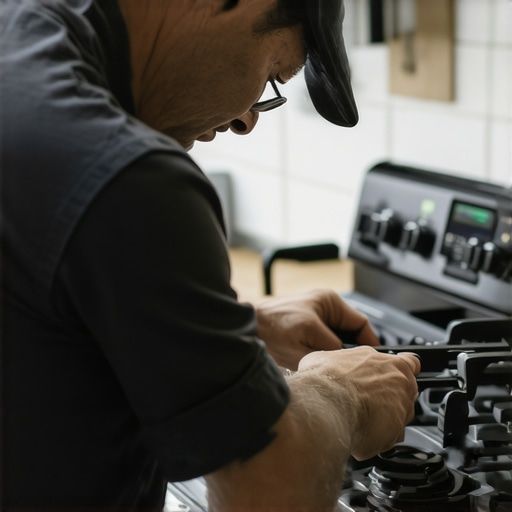
I remember the moment vividly—standing in my kitchen, trying to cook dinner, only to realize that one of my range surface elements was stubbornly glowing red, stuck on hot. No matter how many times I turned the control dial, it refused to cool down. Frustration was setting in, and I couldn’t help but think about the potential hazards—what if it overheated or caused a fire? It was a lightbulb moment for me, realizing that these seemingly simple appliances can become serious safety issues if not properly maintained.
Why a Range Surface Element Gets Stuck on Hot and Why It Matters
This experience taught me that a stuck element is more than an inconvenience—it’s a safety concern. A surface element that remains hot can lead to accidental burns, fires, or damage to other kitchen components. The root cause typically involves a faulty thermostat, a defective control switch, or issues with the element itself. Addressing this problem promptly can prevent bigger headaches down the line.
Is Fixing Your Stuck Range Element Worth the Hassle?
Early in my repair journey, I made the mistake of assuming it was too complicated. But I discovered that with a few basic tools and some guidance, solving this issue isn’t as daunting as it seems. In fact, many times, the problem boils down to a simple component that can be replaced or cleaned. Don’t let fear of complexity hold you back—I want to show you how to tackle this head-on.
Unplug and Access the Range Element Carefully
Before starting any repair, always unplug your appliance to avoid electrical shock. Remove the cooktop or the range top assembly to gain clear access to the stuck element. Use a screwdriver to unscrew the mounting brackets; during my first attempt, I forgot to turn off the power, which led to a mild shock. Now I always double-check by unplugging.
Test the Control Switch and Thermostat
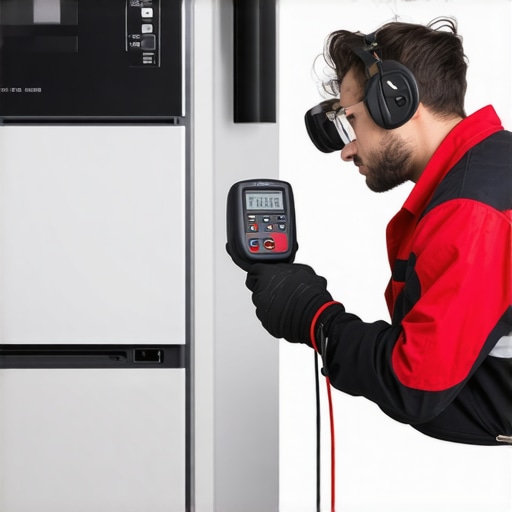
Use a multimeter to check if the control switch is sending power properly. Disassemble the switch from the wiring harness; if it shows continuity when off, replace it. Likewise, test the thermostat; a faulty thermostat can keep the element heated. I found that replacing a defective switch restored normal operation, preventing the element from staying hot unnecessarily.
Inspect and Reconnect the Heating Element
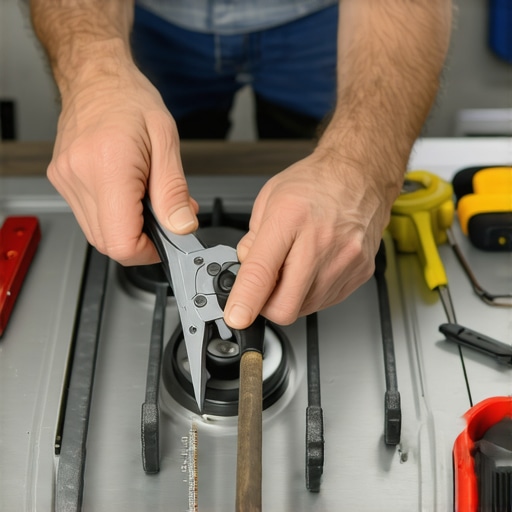
Visually examine the element for visible damage like cracks or burn marks. Detach the element from the mounting points, noting cable connections. Clean the contacts with a contact cleaner and reattach. When I saw corrosion on mine, a simple cleaning solved the issue, but if damage is present, replacing the element is crucial. For a step-by-step guide, check this article on common oven issues.
Replace Faulty Components and Reassemble
If testing reveals a defective switch, thermostat, or element, replace with compatible parts. Use manufacturer-approved replacements to ensure safety. Carefully reconnect all wiring, matching connections precisely. During my recent repair, I used a multimeter to confirm the wiring was correct, which prevented future malfunctions. After reassembling, restore power and test the element by turning on the stove—observe if it heats correctly and turns off when expected.
Final Safety Checks and Testing
Before cooking, visually verify that the element cools down after use. Monitor the surface to ensure it doesn’t remain hot. This step is critical because a stuck element can pose fire or burn hazards. For further safety tips, review this guide on appliance safety.
 ,
,
Many homeowners operate under misconceptions about warranties and appliance installation, often leading to costly mistakes. While it’s tempting to believe that a warranty covers all repair costs or that DIY installation is straightforward, the reality is far more complex. Let’s explore some common myths and the subtleties that can make or break your appliance maintenance experience.
Why Warranties Are Not a Safety Net for Every Issue
It’s a widespread belief that if your appliance breaks, the manufacturer will handle all repairs free of charge. However, warranties typically cover only specific parts or malfunctions caused by manufacturing defects, excluding issues arising from misuse, improper installation, or regular wear and tear. Furthermore, many consumers overlook the fine print detailing what voids the warranty, such as unauthorized repairs or failure to use approved maintenance practices. A surprising number of warranties become null because consumers neglect to document their maintenance efforts or fail to register their appliances properly. For instance, the gas oven ignition delay can sometimes be linked to improper installation or neglected maintenance rather than a manufacturing defect—highlighting the importance of understanding what your warranty actually covers.
Installation Done Right Matters More Than You Think
Many people assume that professional installation is just a formality, but this step holds the key to long-term appliance performance and safety. Incorrect installation—such as misaligned connections, inadequate grounding, or improper venting—can void warranties and cause severe issues like electrical shorts or gas leaks. A common trap is thinking that following generic online tutorials guarantees a safe setup; in reality, appliances often require specific installation procedures outlined in the user manual, sometimes including precise leveling or specialized tools. For example, the anti-tip bracket might seem like a minor accessory, but neglecting it can lead to dangerous tipping accidents and warranty voidance.
Can You Trust Same-Day Appliance Repairs Without Proper Diagnosis?
This is a question that trips many into a false sense of security. While same-day repair services promise convenience, they sometimes skip crucial diagnostic steps to expedite the process. Rushing to replace parts without thorough troubleshooting can result in recurrent failures or even further damage. For instance, replacing a control board on your washing machine without checking the wiring and sensors might temporarily fix the problem but leave underlying issues unaddressed. According to experts, detailed diagnostics increase the likelihood of a permanent fix, reduce costs, and prevent service callbacks. Don’t fall into the trap of thinking speed replaces accuracy; instead, prioritize a provider that advocates for comprehensive assessment first.
Another aspect many overlook is the importance of understanding what parts are genuinely replaceable and which components are sensitive to improper handling. For example, replacing heating elements or thermostats without proper calibration or after neglecting safety protocols can cause appliances to malfunction or pose safety risks.
To deepen your knowledge, it’s beneficial to familiarize yourself with the specific details about common failures, such as the part responsible for oven temperature fluctuations. Recognizing these nuances helps you communicate effectively with technicians and avoid unnecessary replacements or safety hazards.
In summary, understanding the limitations of warranties, the critical nature of correct installation, and the complexities of accurate repair diagnostics can save you time, money, and potential safety issues. Don’t let misconceptions or shortcuts compromise your appliance longevity. If you’ve ever fallen into this trap, let me know in the comments—sharing your experience might help others avoid similar pitfalls.
Investing in the Right Tools for Reliable Repairs
When it comes to keeping your appliances in top shape, having the proper tools makes all the difference. I personally swear by a high-quality digital multimeter; it allows me to quickly diagnose electrical issues in ranges, dishwashers, and dryers. The precision and durability of a multimeter from brands like Fluke ensure accurate readings, preventing guesswork that could lead to further damage. Additionally, a set of precision screwdrivers tailored for appliance screws helps prevent stripping delicate components during disassembly, making repairs smoother and safer.
Beyond basic hand tools, I recommend investing in a performance-grade thermal imaging camera. This device is invaluable for spotting hidden heat signatures, identifying overheating components before they fail completely. For example, if your oven’s temperature is inconsistent, a thermal camera can reveal hotspots or failed sensors that might not be obvious visually. While initially a more substantial investment, the long-term savings from proactive maintenance and preventing major breakdowns justify the expense.
Adopting Software and Diagnostic Methods
Modern appliances increasingly rely on smart technology and diagnostic chips. Having access to detailed diagnostic manuals or apps like appliance-specific troubleshooting software streamlines the repair process. I use manufacturer-provided diagnostic tools when available—these often include step-by-step guides that reduce guesswork. For example, diagnosing a refrigerator temperature fluctuation can be simplified by connecting to the appliance’s Wi-Fi module, accessing logs, and pinpointing issues like a faulty sensor or defrost timer. Staying updated with the latest firmware and repair bulletins from manufacturers ensures I can diagnose and fix issues swiftly, reducing downtime.
How do I maintain appliance performance over time?
Regular preventative maintenance is key. Schedule routine inspections of critical components such as door seals, filters, and vents. Cleaning filters with appropriate tools—like a soft brush or vacuum for lint traps—prevents buildup that can cause overheating or inefficiency. For example, cleaning the lint filter of your dryer regularly reduces fire risks and extends the lifespan of the heating element. I also check and tighten electrical connections periodically, ensuring stability and safety—small steps that yield significant benefits over years of use. Tools like a small torque wrench can help maintain proper tightness without risking damage, and in some cases, using contact cleaner on connectors prevents corrosion that hampers electrical flow.
Preparing for Long-Term Results and Scaling Up
As you become more proficient, consider investing in comprehensive test kits that offer a suite of sensors—temperature, humidity, and voltage—that can be connected to your smartphone. These enable continuous monitoring and early detection of issues. Looking ahead, I predict that appliance maintenance will shift further toward automation, with IoT devices alerting homeowners about potential failures before they happen. For example, smart sensors embedded in refrigerator compressors or washing machine motors can send alerts when performance drops below optimal levels, allowing preemptive repairs that save money and minimize disruption.
One crucial aspect of reliable maintenance is staying organized—keeping detailed logs of repairs, part replacements, and sensor data helps identify patterns and plan future upgrades. Using digital note-taking apps with image attachments makes this process efficient and accessible across devices.
Start by implementing a simple yet powerful tip: set a regular inspection schedule using your multimeter and cleaning routines. For example, check your oven’s continuity every six months to catch early signs of heating element failure. This proactive approach will pay off with appliance longevity and safety. For an insightful optimization tip, learn how to replace and calibrate sensors correctly—according to industry standards outlined in resources like Electronics Tutorials.
Embracing these advanced tools and practices empowers you to keep your appliances running efficiently for years. Dive into the details, and you’ll not only save money but also gain confidence in maintaining your home’s vital systems.
Three Lessons That Changed My Perspective on Appliance Maintenance
One unexpected insight came when I realized that overconfidence in quick fixes often leads to overlooking critical safety checks. Rushing into repairs without thorough diagnostics can cause recurrent failures or even dangerous hazards.
Another lightbulb moment was understanding that proper documentation of repairs and parts used isn’t just bureaucratic—it’s essential for warranty claims and future troubleshooting. Staying organized saves time and money over the long haul.
The third lesson was the importance of viewing appliances as interconnected systems. Addressing a stuck range element isn’t just about replacing a part—it’s about understanding how control switches, thermostats, and wiring work together to ensure safe and efficient operation.
Tools and Resources That Boost My Repair Confidence
My go-to toolkit includes a high-quality digital multimeter from Fluke because of its accuracy in diagnosing electrical issues. A set of precision screwdrivers is indispensable for safely disassembling delicate components. I also swear by thermal imaging cameras—they help me spot overheating parts before they cause failures, saving me time and preventing safety risks.
For troubleshooting guidance, I rely on manufacturer-specific diagnostic manuals and dedicated apps that provide step-by-step procedures. These resources help me identify issues swiftly, especially with complex smart appliances.
Believe in Your Repair Skills and Keep Learning
Every successful repair boosts my confidence, but it’s crucial to stay curious. Appliance technology keeps evolving, so ongoing education—whether through online courses, tutorials, or industry articles—is vital. Remember, a well-maintained appliance not only performs better but also ensures safety for your loved ones. Embrace the learning curve, and you’ll find that even the most stubborn issues become manageable with patience and knowledge.
What’s your biggest lesson learned from repairing appliances? Share your experience below—I’d love to hear how it changed your approach!