
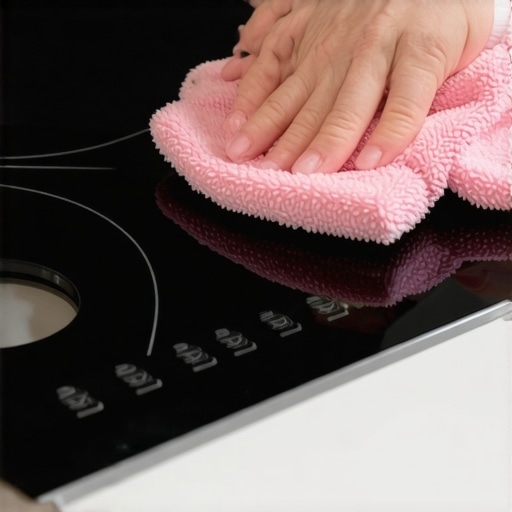
One morning, as I was preparing breakfast, I accidentally grabbed a harsh scrub brush and scrubbed my pristine induction glass surface almost to the point of disaster. The streaks, the tiny scratches—at that moment, I realized how delicate these surfaces truly are. If you’ve ever experienced the panic of seeing faint scratches or leftover streaks after cleaning, you know the feeling of frustration and helplessness. It was a lightbulb moment for me: I needed a better way.
Why Proper Cleaning Matters More Than You Think
Induction glass cooktops are beautiful and efficient, but they demand gentle care. Leftover food splatters and grease can smudge the surface, tempting us to grab abrasive cleaners or rough cloths. However, aggressive scrubbing can leave permanent scratches, impair heat efficiency, and stain the surface. The key to maintaining their sleek look is choosing the right cleaning tools and techniques. I promise, once you learn this, you’ll avoid costly repairs and keep your cooktop looking brand new. If you’re like me, you rely on your stove daily — so keeping it pristine should be a priority. Have you ever tried cleaning your induction glass only to find new scratches or streaks? You’re definitely not alone. The good news is, I’ve tested and perfected methods that work wonders. You can trust these tips; I’ve been there. Now, let’s get into how you can clean your induction glass without leaving a single scratch.
Is Gentle Really Effective? You Might Doubt It
Early on, I made the mistake of using abrasive pads or chemicals I saw recommended online, thinking they’d cut through grease faster. Instead, I ended up with a surface that was dull and scratched. That’s when I realized that gentle is actually more effective for this task. Using soft microfiber cloths and non-abrasive cleaners not only protects the glass but also makes the cleaning easier and more thorough. For more tips on appliance care, check out this guide on dishwasher rack maintenance. Trust me, avoiding common mistakes can save you hundreds in repairs over the years. Now, let’s explore the essentials for safe, scratch-free cleaning—no more second-guessing your method or tools.
Choose the Right Tools for Gentle Cleaning
Start with a soft microfiber cloth, which gently lifts dirt without scratching. Avoid abrasive scrubbing pads like steel wool or rough sponges, which can cause permanent damage. I once tried using a scouring pad on my cooktop, thinking it would speed up cleaning, but it left visible scratches. Transitioning to a microfiber cloth changed everything. It’s like switching from a hammer to a fine brush—more effective and much safer.
Use Non-Abrasive Cleaners
Select cleaners specifically designed for glass or ceramic surfaces. A simple mixture of warm water with a dash of gentle dish soap often works wonders. For stubborn stains, apply a small amount of a dedicated glass stovetop cleaner. Remember, harsh chemicals or abrasive powders are a recipe for damage. I once tried an aggressive degreaser, which left a cloudy film and tiny scratches. Switching to a mild cleaner restored clarity and gloss to my surface.
Proper Cleaning Technique for Optimal Safety
First, ensure the surface is cool to touch to prevent thermal shock. Lightly spray the cleaner onto the surface or dampen your microfiber cloth, never pour directly onto the glass. Use gentle, circular motions—think of polishing a gemstone, not sanding wood. This approach minimizes abrasive contact. When I cleaned my cooktop with this method, I noticed streaks vanished faster and without additional scratches, keeping my surface pristine.
Address Stubborn Stains Carefully
For burnt-on residue, let the cleaner sit for a few minutes to loosen grime. Then, gently scrub in small circular motions. If needed, a plastic scraper held at a shallow angle can help remove hardened spots, but always be cautious. I once struggled with a stubborn spill; patience and a plastic scraper followed by a microfiber wipe saved my surface without damage.
Regular Maintenance to Prevent Damage
Consistent gentle cleaning after every use keeps dirt minimal, reducing the need for aggressive methods. Wipe up spills immediately to prevent them from hardening or staining. Avoid the temptation of using harsh chemicals or rough cloths—your cooktop will thank you. Over time, adopting these habits preserved my surface’s sleek appearance and avoided costly repairs. Remember, a little care goes a long way, so treat your induction glass surface with respect and caution to keep it looking like new for years.
Breaking the Myth of Universal Warranty Confidence
Many homeowners believe that once an appliance is under warranty, all repairs and replacements are covered without hassle. However, in my experience, warranties are often misunderstood, and their nuances can trap the unwary. For example, warranties frequently exclude damages caused by user errors or neglect, such as improper installation or regular maintenance lapses. This misconception can lead to unexpected out-of-pocket expenses when issues arise, especially if the warranty’s fine print isn’t thoroughly examined. It’s crucial to scrutinize not just the warranty period, but also the conditions and exclusions, which are often hidden in the small print.
Why Same-Day Service Isn’t Always What It Seems
Everyone loves the idea of same-day appliance repairs, but reality paints a different picture. Most providers promise quick turnaround, but in practice, that can mean waiting days for a technician with just a few open slots or dealing with technicians who prioritize scheduled appointments over urgent calls. Additionally, some companies tag the “same-day” banner on service windows that end early in the evening, making it seem more immediate than it is. This often results in prolonging appliance downtime and can cause frustration, especially when vital appliances like refrigerators or washers break unexpectedly. It’s important to clarify what “same-day” truly entails and whether the provider offers priority services for urgent cases.
Are There Snags in Installation That Can Void Your Warranty?
Installation might seem straightforward, but improper setup often leads to warranty issues and early appliance failures. For instance, incorrect leveling of a washing machine can cause excessive vibration, damaging internal parts. Similarly, failing to follow manufacturer instructions for gas connections or electrical wiring can lead to voided warranties or hazardous situations. A common trap is attempting DIY installation without proper tools or knowledge, which can seem cost-effective initially but may cost more in repairs or insurance claims later. Always verify if your installation was compliant with manufacturer specifications; this small step can save you from costly disputes down the line. For detailed guidance, check out this post on installation pitfalls.
Why the Fine Print Holds the Key to Your Repair Power
Many believe that a warranty guarantees free repairs forever, but the reality is more complex. For instance, some warranties only cover parts, excluding labor, which can lead to unforeseen costs. Others only cover certain components and leave others to be paid out of pocket. Moreover, if an appliance isn’t serviced by authorized technicians or with approved parts, the warranty can be voided entirely. This “gotcha” often trips up consumers who assume coverage is automatic. The best practice is to understand the specific warranty conditions and keep detailed records of all service history, especially regular maintenance like cleaning filters or checking hoses. For example, neglecting to replace a fridge’s water filter every six months could invalidate warranty claims related to water dispenser malfunctions, as detailed in this article on water filters.
Have you ever fallen into this trap? Let me know in the comments how you navigated the fine print and what surprises you uncovered. Remember, understanding these nuanced details empowers you to make smarter decisions and avoid costly disappointments when your appliances need attention.
Maintaining your appliances over time is crucial to ensure they operate efficiently and have a long lifespan. The right tools and consistent habits can make all the difference. For routine cleaning and minor repairs, I rely heavily on a set of precision screwdrivers, particularly a Phillips #2 and a Torx T20, because they fit most appliance screws and prevent stripping. Using quality, properly sized tools minimizes damage and saves you frustration. I also recommend investing in a digital multimeter; it’s invaluable for diagnosing electrical issues quickly and accurately, often saving me from unnecessary service calls. For example, when troubleshooting a fridge that isn’t cooling properly, checking the compressor’s start relay with a multimeter can pinpoint the problem swiftly. The key is to have a dedicated, organized toolkit specifically for appliances—keeping your tools clean and well-maintained extends their lifespan and ensures you’re always prepared.
In terms of cleaning, a microfiber cloth paired with a gentle, non-abrasive cleaner is my go-to. For stubborn stains or burnt-on residue, I use a plastic scraper at a shallow angle to avoid damaging surfaces, especially on glass cooktops. Regular maintenance tasks, like cleaning refrigerator coils with a coil brush (or even a vacuum with a brush attachment), can significantly improve efficiency and prevent failures. The simple act of wiping down door gaskets with a soft cloth and a mild solution prevents mold and ensures a tight seal, improving energy efficiency.
Looking ahead, I believe smart diagnostic tools connected via apps will become more prevalent, allowing homeowners to monitor appliance performance remotely, predict failures, and schedule maintenance proactively. Companies are evolving from mere repair providers to service management platforms, integrating IoT devices for real-time health checks.
How do I keep my appliances in top shape long-term?
Implement a regular maintenance schedule tailored to each appliance—basic checks every few months can prevent costly breakdowns. Replace filters, inspect door seals, and clear vents as recommended by the manufacturer. For instance, changing the water filter on your fridge every six months not only ensures quality water but also keeps the ice maker functioning efficiently, as explained in this guide. Moreover, keeping a detailed log of maintenance and repairs helps identify patterns that could signal an impending issue, letting you address it before a failure occurs. Investing in routine upkeep and reliable tools isn’t just about immediate performance—it’s about peace of mind and long-term savings. For those serious about appliance longevity, consider periodic professional inspections, which can catch hidden problems early. Remember, doing so consistently can avoid the dreaded breakdown when you least expect it and keep your appliances running smoothly for years to come.
Lessons That Saved Me Big Bucks and Frustration
One crucial insight I discovered is that warranties often have hidden pitfalls, especially if you neglect routine maintenance or try DIY fixes without understanding the fine print. These mistakes might seem minor but can void your coverage unexpectedly. Another lesson learned is that same-day service promises can be misleading; reading the fine print reveals so much about actual wait times and service priorities. Lastly, I realized that investing in quality tools and understanding your appliances deeply—like knowing the right cleaning techniques for induction glass or the correct screws during installation—can profoundly influence how long your appliances last and how effectively they operate. Embracing these lessons transformed my approach from reactive to proactive, saving me money and headaches over the years.
My Go-To Resources That Truly Make a Difference
First, I rely on detailed manufacturer manuals, which are goldmines for troubleshooting and understanding warranty conditions. Second, trusted blogs like discountappliancehub.com provide practical, real-world tips I can’t find elsewhere. Third, investing in quality tools such as a digital multimeter and a set of specific screwdriver bits has saved me countless service calls. Finally, online forums where experienced technicians share insights help me stay up-to-date on common pitfalls and innovative solutions, making me more confident in handling appliance issues myself.
Empower Yourself and Take Charge of Appliance Care
Your journey toward smarter appliance maintenance and repair starts now. Remember, understanding the nuances and hidden details—like warranty exclusions or installation pitfalls—can make all the difference. Don’t wait for a breakdown to learn the hard way; become proactive today. With the right knowledge, tools, and mindset, you can extend your appliances’ lifespan, ensure safety, and enjoy peace of mind knowing you’re equipped to handle most issues. Dive into your appliance care journey with confidence—your future self will thank you!