
Ever had that sinking feeling when you open your dishwasher and see a muddy pool at the bottom, even after a full wash? I remember the first time I faced this frustration—thinking, ‘Did I forget to drain it again?’ It was a classic case of ignoring the warning signs and assuming it was a simple clog. But as days passed, that stubborn water stayed put, threatening to turn into a foul mess. That moment—when I finally realized this wasn’t just a minor glitch—sparked a deep dive into the mysterious world of dishwashers bleeding water after cycles. Today, I want to share my journey from confusion to clarity, and better yet, how you can fix this issue without calling in a professional every time.
Why Your Dishwasher Fights Drainage and Won’t Let Go of Water
Is This Fix Worth the Hassle or Just a Gadget Gimmick?
What tripped me up early on was believing that an easy flush or a quick mop-up was enough. Turns out, one simple mistake—like ignoring the age of your drain hose—can lead to stubborn water pooling. I learned that neglecting basic maintenance, such as cleaning out the filter or inspecting the drainage pump, often causes blockages that programs itself can’t bypass. Reading up, I found that a clogged filter or a malfunctioning drain pump are among the typical culprits, and a quick check can save a lot of headaches. For some professional tips, I discovered a detailed guide on how to avoid these common pitfalls and keep your dishwasher draining smoothly—check out [this guide](https://discountappliancehub.com/the-drain-pump-mistake-that-floods-your-laundry-room) for more.
Have you ever come home to find your dishwasher waterlogged and wondered if you missed something obvious? You’re not alone. Plenty of folks make a big deal out of small issues, but often, the answer is as simple as a cleaning or a component replacement. Overlooking these routine checks is like leaving a leak unattended—eventually, it causes bigger problems.
In the next section, we’ll look at the most common causes behind a dishwasher that refuses to drain properly—the sneaky little issues and how to fix them yourself. Ready to take matters into your own hands?
Check the Drain Filter First
Start by locating the dishwasher’s drain filter, usually at the bottom of the tub. Remove any debris or food particles clogging it, as these can block water flow. I once cleared out a stuck potato chip that was causing a complete drain failure, and suddenly, water flowed freely again.
Inspect the Drain Hose for Kinks and Clogs
Next, examine the drain hose connected to the sink or garbage disposal. Look for kinks or bends that restrict flow. Detach and run water through it manually to verify it’s clear. I had a hose bent sharply behind my cabinet; straightening it resolved the drainage issue immediately. If the hose is clogged, replace it following the manufacturer’s instructions or refer to detailed guides like this tutorial.
Test the Drain Pump for Functionality
The drain pump pushes water out of the dishwasher. To test it, listen for it humming during the drain cycle or feel for vibrations. If it’s silent or making strange noises, it may be faulty. You can access the pump by removing the lower kickplate panel. Use a multimeter to check for continuity; if it’s dead, replacing the pump is your best bet. I replaced mine and noticed my dishwasher drained smoother than ever—no more leftover water.
Clear Any Obstructions in the Pump and Filter Area
Sometimes, small objects like coins or broken glass jam the pump impeller. Remove the pump cover carefully and inspect for obstructions. Use tweezers to extract debris. A quick clean here can prevent costly replacements. I once found a penny stuck in the impeller, which was causing an audible grinding sound—after removing it, the pump and drainage returned to normal.
Test the Drainage System Post-Repair
After completing checks and fixes, run a short cycle to verify proper drainage. Ensure water empties completely; if not, revisit the previous steps or consider professional help. Remember, persistent issues might involve faulty control boards or wiring problems, which require specialized repair.
Maintain Your Dishwasher to Prevent Future Clogs
Regularly clean the filter and check the drain hose annually. Use a mixture of vinegar and baking soda to keep the drainage pathways clear. Avoid pouring grease or fibrous foods down the drain, as they can solidify and cause blockages. Following these simple steps keeps your appliance healthy and prevents messy backups.
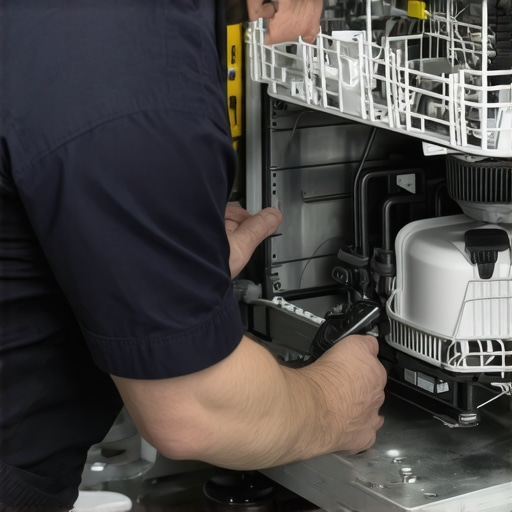 Many homeowners assume that appliance warranties and repair services are straightforward, but in reality, there are crucial nuances that can trip up even the most seasoned DIYers. A common misconception is believing that warranties automatically cover all repairs; however, some warranties demand strict maintenance protocols or have hidden exclusions. For example, neglecting regular cleaning of components like the fridge coils can void warranty coverage, leading to unexpected costs. Additionally, people often underestimate the complexity of appliance installation—incorrect setup can cause issues later, like leaks or electrical failures, which might not be covered if installation wasn’t done according to manufacturer specifications. When it comes to same-day service, many expect technicians to fix issues instantly, but the reality involves diagnostic delays and parts availability, especially for less common models. Your best bet is understanding the fine print in your warranty and ensuring proper installation from certified professionals—this can save you headache and money down the line. As experts note, neglecting these details often results in costly repairs or invalidated warranties, emphasizing the importance of informed maintenance and service choices (see more).Maintaining your appliances efficiently requires the right equipment and a strategic approach. Over the years, I’ve found that investing in quality tools not only simplifies repairs but also extends the lifespan of your appliances. One of my go-to pieces of equipment is a digital multimeter; I use it regularly to check electrical components like thermostats and control boards, ensuring they’re functioning correctly before calling in help. A durable, magnetized screwdriver set is invaluable for quick access to screws in tight spots, especially when working on models with complex assemblies. For clearing drainage blockages or inspecting hoses, a compact, flexible inspection camera—often called a borescope—has become a game-changer. It allows me to visually diagnose issues inside tight or inaccessible areas without disassembling the entire unit.
When it comes to software or diagnostics, I rely on manufacturer-specific apps and tools for certain appliances, like LG’s SmartThinq app, which helps me run remote diagnostics on compatible models. Investing in these tools can preempt many problems, saving both time and money. Furthermore, high-quality cleaning supplies, such as vinegar, baking soda, and specialty brush kits, are essential for routine maintenance tasks, like cleaning filters or vents, which prevent issues like clogs and inefficiencies.
Looking ahead, I predict a rise in smart diagnostic tools integrated with appliances, enabling real-time alerts and troubleshooting via smartphones. This trend will make appliance care more proactive and less reactive, reducing emergency repairs.
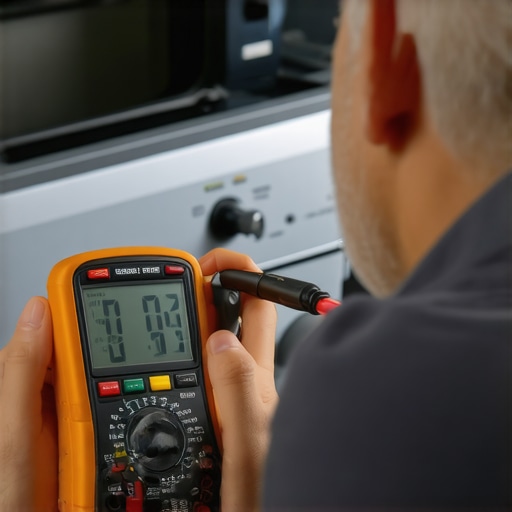
Image Prompt: Close-up of a person using a digital multimeter and inspection camera on household appliances, demonstrating professional maintenance in progress.
Image Title: Essential Tools for Appliance Maintenance
Image Alt: Technician using multimeter and inspection camera on appliance for repair and maintenance.
The Unexpected Lessons That Changed How I Handle Appliance Woes
One of the most valuable insights I gained was realizing that simple neglect, such as ignoring routine maintenance, can turn minor drainage issues into costly repairs. Regularly inspecting the drain filter and hose isn’t just a chore—it’s a preventive strategy that saves money and stress. I also discovered that trust in professional tools like a multimeter or inspection camera transforms a daunting repair into a manageable project, empowering me to troubleshoot confidently. Most importantly, I learned to trust the guidance of seasoned experts and reputable guides, which has been crucial in making informed decisions about repairs and maintenance practices.
My Go-To Tools and Resources for Appliance Care
Over years of tinkering, I’ve curated a toolkit that makes diagnosing and fixing drainage problems straightforward. A high-quality digital multimeter helps me verify electrical components like the drain pump, while a flexible inspection camera reveals hidden obstructions without invasive disassembly. For trusted reading, I turn to resources such as expert guides on appliance troubleshooting and industry-specific manuals, which provide step-by-step instructions that guide me through complicated repairs. These tools and sources have been lifesavers, ensuring I handle issues correctly the first time.
Your Next Move Toward Appliance Peace of Mind
Taking charge of your dishwasher’s drainage issues isn’t just about quick fixes—it’s about cultivating confidence in your ability to maintain and repair your appliances. Small, consistent maintenance routines and understanding the inner workings of your unit turn into powerful habits that extend the life of your devices. Remember, each repair or checkup is an investment in your home’s comfort and safety. So, don’t wait for a full breakdown—start applying these insider secrets today, and enjoy the satisfaction of resolving problems on your own. Your appliances—and your peace of mind—will thank you.