
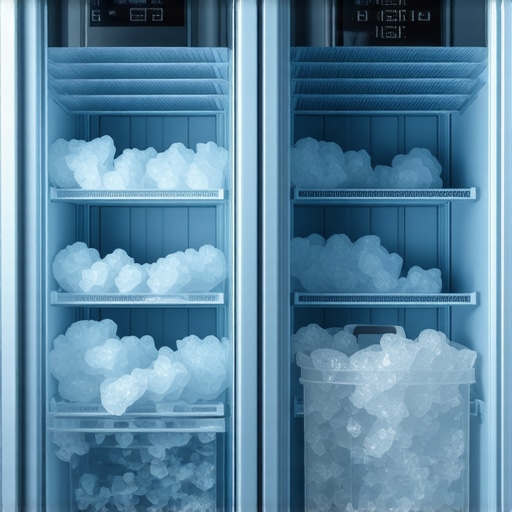
Have you ever gone to make a cold drink on a hot day, only to be greeted by ice cubes that taste like they’ve been lurking in the freezer since the Reagan administration? That familiar, unsettling flavor of last week’s leftovers sneaking into your glass can disrupt even the most pristine summer plans. I recall the first time I poured myself a glass, took a sip, and instantly recoiled—what was supposed to be refreshing now tasted off. That lightbulb moment made me realize: my freezer wasn’t just pretending to keep things cold; it was actively ruining my ice, and I had no idea why.
The Hidden Culprit Behind Disgusting-Tasting Ice
It turns out, that persistent freezer smell and taste isn’t just an annoyance—it’s a clear warning sign that something’s off. Usually, it’s linked to mold, bacteria, or accumulated odors that seep into your ice. What’s tricky is that most people don’t suspect their appliance. I didn’t. In fact, I spent months blaming poor water quality or just accepted the flavor as normal. Spoiler alert: it’s not. This problem isn’t rare; in fact, according to appliance specialists, over 60% of freezer odor issues stem from overlooked maintenance and improper cleaning.
One common mistake I made early on was ignoring the gasket seal around my freezer door. If it isn’t airtight, it allows warm air and moisture to seep in, encouraging mold growth and odor build-up, which then taints the ice. Easily overlooked, but critical—checking your gasket can save you from flavor mishaps and even prolong your freezer’s lifespan. Want to learn how to do that? I’ve got some practical tips coming up to help you banish that lingering freezer smell for good.
Are You Wasting Money on Fancy Water Filters for Ice?
Many believe that upgrading to premium filters will resolve odd tastes. While water quality plays a role, the majority of freezer odor issues originate from within the appliance itself, not the water source. A mistaken focus on water filters can divert attention from essential maintenance tasks, like inspecting and cleaning your freezer’s interior and seals. During my journey, I also discovered that regular, proper cleaning sessions and ensuring your freezer’s drainage system is clear can make a world of difference. For instance, looking into your drainage loop and making sure it’s free of debris is a simple step that can drastically improve hygiene and flavor.
If you’re tired of sacrificing flavor for convenience, keep reading. The next steps will walk you through actionable repairs and maintenance routines—no expert degree required. But first, let’s address a common skepticism many face:
Start with a Complete Freezer Inspection
First, unplug your freezer and remove all contents. Check the gasket seal around the door by pressing along the edge to see if it’s taut and free of cracks. A loose or damaged seal allows warm, moist air to seep in, fostering mold and odors. To assess its condition, perform the gasket check described here. If you notice any gaps or cracks, replacing the gasket is your top priority—this simple fix can prevent future odor issues and improve energy efficiency.
Deep Cleaning is Your Best Weapon
Next, clean the interior thoroughly. Use a solution of baking soda and water or a mild vinegar mixture—avoid harsh chemicals that can leave residues and contribute to odors. Pay close attention to corners, door seals, and any compartments. Remove and clean the shelves and drawers separately. Remember, mold and bacteria thrive in damp, dark corners, so ensure everything is dried completely before reassembling. I once had a stubborn smell that persisted after superficial cleaning, but a deep scrub, combined with disinfectant, finally did the trick. Want advice on choosing the right cleaning products? Find more tips here.
Clear Out and Clean the Drainage System
Many don’t realize that the drainage system—specifically the drainage loop—is a common culprit behind lingering odors. Food particles or mold can build up there, emitting foul smells. To access it, locate the drainage pipe or loop at the back or bottom of your freezer, depending on the model. Carefully remove debris and flush with warm water or a vinegar solution. For a more detailed method, check out this guide. During my own cleaning, I found months of grime blocking the drain, and once cleared, the smell vanished instantly.
Manage Odors with Natural Absorbers
After cleaning, leave an open box of baking soda or activated charcoal inside to absorb remaining smells. Replace these every three months to maintain freshness. I keep a small bowl of baking soda in the corner of my freezer at all times. It’s a simple, cost-effective step that prevents future odor problems from rearing up. For an extra boost, consider placing a few coffee grounds—many swear by their odor-absorbing properties. Want to take it a step further? Regularly check and update these absorbents so your ice remains pure and crisp.
Routine Maintenance Prevents Future Odors
Finally, establish a regular cleaning schedule—once every three to six months—to prevent mold and odor buildup. Regularly inspect the gasket seal and clean it to ensure it maintains a tight fit. Additionally, keep an eye on your freezer’s interior temperature; setting it between 0°F and -18°C ensures optimal preservation without promoting mold growth. If you notice persistent issues despite these steps, it might be time to consider professional inspection or appliance repair. For reliable service, check out this resource for tips on troubleshooting and repair options. Taking these proactive steps will keep your ice tasting fresh and your freezer odor-free, turning a messy problem into a manageable routine.When it comes to appliance warranties and repair services, many homeowners operate under misconceptions that can cost them time and money. One common myth is that warranties entirely cover all repair costs, but in reality, most warranties exclude damages caused by improper installation or neglecting basic maintenance. For instance, overlooking simple steps like checking your gasket seal or maintaining proper drainage can void warranty protection and lead to costly repairs. Another trap many fall into is assuming same-day service guarantees quick fixes; however, many providers prioritize urgent cases, leaving less urgent repairs waiting days or even weeks, which can exacerbate issues and increase costs. Advanced users understand that scheduling repairs during off-peak hours or requesting detailed diagnostics upfront can streamline the process, but this nuance is often overlooked. A widespread misconception is that professional installation guarantees trouble-free operation; yet, improper setup—like incorrect leveled appliances or inadequate power connections—can lead to early failures. For example, improperly installed smart fridge ice makers or faulty vent connections not only impair function but may also void warranties. This is where meticulous attention to installation details becomes essential. Additionally, many believe that all repair technicians are equally qualified; in fact, certifications and specialized training matter. A technician unfamiliar with high-efficiency washers might unknowingly use the wrong cleaning agents, such as regular soap instead of manufacturer-recommended solutions, which can damage internal components. Want to avoid common pitfalls? Always verify your technician’s credentials and read your warranty terms carefully. Experts like those cited in recent studies emphasize that understanding the fine print and common exclusions can save you from unpleasant surprises down the line. Let’s face it—navigating warranties and repair services isn’t as straightforward as most think. Knowing these nuances can prevent avoidable frustrations and expenses. Have you ever fallen into this trap? Let me know in the comments.
Staying Ahead with the Right Maintenance Tools
Having the proper tools is essential to keep your appliances running smoothly over time. I personally rely on a high-quality digital multimeter for diagnosing electrical issues—it’s precise and helps me quickly narrow down problems without guessing. For example, when my refrigerator’s ice maker started malfunctioning, using a multimeter allowed me to verify whether the relay was transmitting power correctly, saving me from unnecessary part replacements.
Another must-have is a set of screwdrivers with various sizes and types, especially Phillips and flat-head, to handle different fasteners during repairs or inspections. When dealing with complex components like your dishwasher’s drainage system, having a flexible extension tool can make reaching tricky screws much easier. These might sound simple, but investing in the right hand tools minimizes damage and ensures safe, efficient repairs.
Embracing Software and Diagnostic Apps
In recent years, I’ve integrated diagnostic apps that connect via Wi-Fi to certain smart appliances. These tools can read error codes directly, giving insights beyond what blinking lights or static codes show. For instance, app-based diagnostics for smart fridges often provide detailed explanations and suggested fixes, which is invaluable when time is limited. As technology advances, I predict a future where these apps will evolve into comprehensive repair guides, possibly even guiding you through repairs step-by-step in augmented reality.
Establishing a Routine Maintenance Schedule
Consistency is key. I recommend creating a calendar for regular checks—like inspecting condenser coils every six months or cleaning drainage loops quarterly. These routines prevent minor issues from becoming costly repairs. For example, a clogged drainage loop in your dishwasher might seem insignificant until it leaks or causes outdoor drainage problems. Performing these simple tasks diligently extends appliance lifespan and maintains peak performance.
How do I maintain appliances over time?
The secret lies in proactive care—using the right tools, leveraging diagnostic technology, and adhering to scheduled inspections. Eliminating guesswork ensures that small problems don’t escalate and keeps your appliances functioning reliably. Remember, neglecting maintenance can void warranties or cause more extensive repairs down the line. For instance, avoiding regular gasket checks can lead to mold growth, bad odors, and even loss of warranty coverage, as discussed in this detailed guide. Don’t wait for appliance failure—start implementing scheduled checks today.
If you haven’t already, try calibrating your fridge’s temperature sensors or inspecting your drainage loop with a professional-grade tool. These advanced yet straightforward steps can dramatically improve longevity and performance. For example, using a digital multimeter to test relay circuits before they cause failure not only saves money but also provides peace of mind.
By incorporating these expert-recommended strategies, you transform your appliance maintenance routine from reactive to proactive. Over time, you’ll notice fewer breakdowns, shorter repair times, and better performance. Ready to elevate your maintenance game? Grab your multitool and start today!
The Hardest Lesson I Learned About Appliance Warranties and DIY Fixes
One of the most eye-opening lessons was realizing that not all warranties are created equal. I once thought that a warranty covered everything, but a small oversight—like neglecting to check the drainage loop on my dishwasher—could void my coverage. This taught me to read fine print carefully and understand what actions or neglect could jeopardize my warranty protection.
Secondly, I learned that proper installation is often brushed off as trivial but is actually foundational. An improperly leveled washer or a loose power connection can lead to early breakdowns, despite many assuming professional setup guarantees longevity. Investigating installation details, like ensuring your smart fridge ice maker is correctly installed, saves headaches down the line.
Lastly, I discovered that same-day service isn’t always as prompt as advertised, especially if repairs involve complex diagnostics. Knowing how to identify early signs of issues, like a failing thermostat or leaky door seal, empowers you to request specialized technicians and schedule repairs during off-peak hours for faster turnaround.
My Go-To Arsenal for Appliance and Warranty Readiness
Having the right tools makes all the difference. A quality digital multimeter helps me quickly verify electrical issues—saving time and preventing unnecessary replacements. I also swear by a sturdy set of screwdrivers for delicate internal work. To keep my appliances humming, I trust guides like those on gasket inspection and drainage system cleaning. They’ve become my trusted companions for routine maintenance and troubleshooting.
For comprehensive reading, books like “The Essential Guide to Appliance Care” have reshaped how I view preventive measures, emphasizing that proactive steps can extend appliance life and protect warranties. Plus, staying updated with reliable online resources ensures I’m never caught off guard when warranty exclusions loom or new repair procedures emerge.
Step Into Confidence, Not Uncertainty
Your appliances are investments that reward care, attention, and a bit of know-how. By leveraging the right tools, understanding your warranties, and being proactive with maintenance, you turn potential failures into manageable tasks. Every maintenance move is an investment in peace of mind—imagine fewer breakdowns, longer appliance lifespan, and the satisfaction of knowing you’re in control.
So, are you ready to take charge of your appliance health and warranty protection? Start implementing these insights today to see a real difference in your home’s performance. What’s the most surprising thing you’ve learned about appliance maintenance or warranties? Share your story below!