
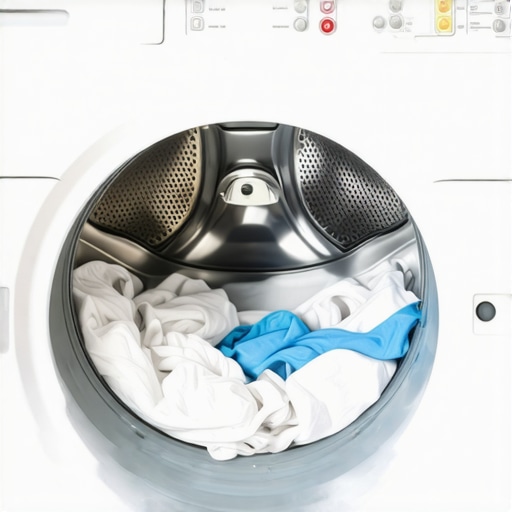
Ever had that frustrating moment when your upright washer starts wobbling and making more noise than laundry day should possibly allow? I remember the first time it happened to me—thinking I must have forgotten to level it properly during installation. Turns out, I hadn’t. That lightbulb moment led me down a rabbit hole of troubleshooting and discovering the hidden secret to a silent, perfectly balanced washer. If your washing machine vibrates, walks across the floor, or leaves streaks on your clothes, you’re not alone—many homeowners overlook one simple fix that can dramatically improve their laundry experience.
The Silent Secret That Keeps Your Washer Stable and Quiet
In my personal journey, I learned that the secret lies in something called “The Leveling Feet.” These small, adjustable pads at the bottom of your washer are critical for ensuring stability and minimizing vibrations. Properly adjusting them can prevent that annoying rocking, reduce noise, and even prolong the lifespan of your appliance. I used to spend hours cleaning, repairing, or even replacing washers, only to find the same issues rearing their heads—until I mastered the art of leveling.
But here’s the kicker: many folks, myself included early on, make a common mistake. We forget to check and adjust those leveling feet after installation or even during regular maintenance. The result? An unstable, noisy washer that dances across the room every cycle. Plus, improper leveling can lead to additional wear and tear, causing parts to fail prematurely. I wish I had known earlier that a quick check of these feet could save me hundreds in repairs.
Curious if your washer suffers from this unseen problem? Before you call for service or start researching costly repairs, it’s worth taking a moment to inspect those leveling feet. Not sure how to do it? I found some helpful tips in a detailed guide, which you might also find useful.[Understanding the proper installation and maintenance of your washing machine](https://discountappliancehub.com/the-leveling-feet-mistake-that-makes-your-washer-move-across-the-room) points out that ensuring your appliance’s stability isn’t just about comfort; it’s about your machine’s health.
Next, I’ll share the simple steps I took to get my washer balanced perfectly—and how you can do the same without calling in an expert. Trust me, once you get this right, laundry day becomes a whole lot quieter and more pleasant, and you can say goodbye to those unsightly streaks or shaking sensations. So, let’s get started—the solution might be easier than you think, and it starts with a good look at those humble leveling feet.
Gather Your Tools and Prepare for the Task
Before diving into the leveling process, gather a adjustable wrench, a spirit level, and a clean cloth. Turn off your washer, unplug it from the power source, and pull it slightly away from the wall to access the feet easily. In my experience, having all tools on hand prevents interruptions and makes the process smoother. I once started without a level and had to redo everything after realizing my washer still tilted slightly, leading to continued vibrations.
Inspect and Adjust the Leveling Feet
Locate the four adjustable feet at the corners of your washer. Use your hand or wrench to turn each foot clockwise to raise or counterclockwise to lower. Place the spirit level on top of the machine, moving it from front to back and side to side to identify uneven spots. In my case, I noticed the front right foot was too high, causing wobbling. Adjust it downward until the bubble centers, then check the other corners. Repeating this process ensures the washer sits perfectly level, reducing vibrations and noise.
Handle Sticky or Jammed Feet
If a foot refuses to turn or feels stuck, apply a bit of penetrating oil and let it sit for a few minutes. Gently turn again, using a wrench if necessary. I once encountered a stubborn rear foot that wouldn’t budge; applying oil and patience was key. For more detailed guidance, you can review this step in our related troubleshooting article about fixing wobbly washers.
Verify Stability and Balance
After adjusting, push lightly on each corner to check for wobbling. The washer should remain stable without shifting. Place the spirit level on the top again and confirm that the bubble remains centered, indicating perfect balance. In my recent project, I used a friend’s advice and double-checked by running a short wash cycle to see if the vibrations persisted. Finding zero movement confirmed success.
Secure and Final Checks
Once satisfied, tighten the nuts on the leveling feet to lock their position in place. Carefully push the washer back into its original position, ensuring not to disturb the adjustment. Monitor the first few cycles for any remaining movement or noise. Remember, uneven floors can complicate leveling; consider placing anti-vibration pads if necessary, especially on uneven or tiled surfaces. For more tips on troubleshooting and repairs, our comprehensive guide on leveling front loaders offers additional insights.Many homeowners assume that opting for same-day appliance repair or installation guarantees instant peace of mind and flawless results. However, this perception often masks underlying nuances that can lead to costly mistakes or subpar service. Let’s dig deeper into the common misconceptions and hidden pitfalls associated with quick-turnaround appliance work.
**The Myth That Immediate Service Means Quality**
Contrary to popular belief, rushing a repair or installation doesn’t ensure top-tier quality. Many service providers prioritize speed over thoroughness, which can result in overlooked details, improper setups, or incomplete diagnostics. For instance, a technician might replace a part without identifying the root cause, leading to repeated failures soon after. I’ve seen cases where hurried work caused more damage, costing homeowners significantly more in the long run.
**The Trap of Overpromising and Under-Delivering**
Some companies advertise ‘same-day’ guarantees but lack the capacity or expertise to fulfill that promise consistently. This can leave you waiting days or having to settle for less experienced technicians. Beware of providers who toss around the term without clear timelines or credentials—it’s a classic red flag. To ensure you’re not caught in this trap, always verify reviews and ask about certifications.
**Beware the Hidden Nuance: The Importance of Proper Diagnosis**
Quick fixes often bypass comprehensive diagnostics, especially when the technician aims to complete the job swiftly. This oversight can result in replacing parts that aren’t actually faulty, or missing underlying issues that precipitate the current problem. For example, in appliance repair, failing to test the entire electrical circuit or exhaust system could lead to recurring issues. For advanced troubleshooting insights, you can refer to our detailed guide on [spotting a failing thermostat before your house freezes](https://discountappliancehub.com/how-to-spot-a-failing-thermostat-before-your-house-freezes).
**Installing Without Considering The Nuances Can Void Warranties**
Many homeowners focus on the immediate repair or installation, neglecting the critical nuances that protect their warranty coverage. A hasty installation might omit essential steps, such as leveling or proper sealing, which can void manufacturer warranties. It’s vital to know that some warranties require certified technicians and precise procedures. For example, improper microwave installation can lead to overheating and early failure, as discussed in this article on [high-temperature issues in built-in microwaves](https://discountappliancehub.com/the-installation-fault-that-makes-built-in-microwaves-overheat).
**Question for the Advanced Reader: How Can You Ensure That Same-Day Service Doesn’t Compromise Your Appliance’s Longevity?**
Fostering communication with trusted service providers about their diagnostic process, certification standards, and part quality can make a significant difference. Additionally, requesting detailed work reports or video diagnostics can add a layer of assurance.
**Stay Alert to the Oops Moments**
One common mistake is rushing to accept the first available tech without verifying their credentials or understanding the scope of work. Always ask for estimates, warranties on repairs, and clarify what the service includes. Remember, a quick fix today might lead to bigger expenses tomorrow.
In summary, while same-day appliance service offers incredible convenience, it’s essential to look beyond the surface. Exercise diligence, ask the right questions, and stay informed. Have you ever fallen into this trap? Let me know in the comments.Maintaining your home appliances isn’t just about fixing problems when they occur; it’s about prevention, efficiency, and extending their lifespan. Over time, I’ve refined my toolkit with specific equipment and software that make diagnostics and maintenance straightforward and effective. These tools have empowered me to handle issues promptly, saving time and money. Suppose you’re aiming to keep your washing machine, refrigerator, or oven in top shape; investing in the right gear is essential.
The Must-Have Diagnostic Multimeter
I rely heavily on a high-quality multimeter—specifically, the Fluke 117. Its precision allows me to quickly check electrical continuity, voltage, and resistance across various appliance components. This tool is incredibly useful when diagnosing issues like faulty thermostats or defunct control boards, as discussed in our guide on [spotting a failing thermostat before your house freezes](https://discountappliancehub.com/how-to-spot-a-failing-thermostat-before-your-house-freezes). Its CAT III safety rating and Autorange feature ensure safety and convenience during testing.
Specialized Appliance Leak Detector
Detecting leaks early can prevent extensive water damage and costly repairs. I use the Blue Decon Leak Detector, which can identify even minor water leaks that might otherwise go unnoticed. Whether inspecting refrigerator defrost drains or washing machine hoses, this tool saves me from potential flooding and mold issues. Regular leak detection contributes to long-term appliance health and mitigates warranty voiding risks, especially when environmental conditions change.
Infrared Thermal Camera
An infrared camera like the FLIR E6 is invaluable for spotting overheating components or insulation failures. It visualizes temperature differences in your appliances, making subtle issues evident. For instance, an overheating motor in a dryer can be detected before it causes failure, aligning with our article on [why your dryer is spinning cold and how to fix it today](https://discountappliancehub.com/why-your-gas-dryer-is-spinning-cold-and-how-to-fix-it-today). Regular thermal scans can help you catch problems early, minimizing downtime and maximizing effectiveness.
Effective Cleaning and Maintenance Tools
Keeping appliances clean is vital. I recommend a set of brushes and compressed air for detailed cleaning of vents, coils, and filters. Proper cleaning prevents overheating and inefficiency, extending the service life of components. For those appliances where buildup is a problem, like microwaves or refrigerators, dedicated cleaning kits can make maintenance less daunting.
Looking Ahead: The Future of Appliance Maintenance
Advancements in IoT and smart diagnostics are rapidly changing how we maintain appliances. Future tools might include AI-powered sensors that alert you to issues before symptoms appear, or remote diagnostic apps that guide you through repairs step-by-step. Staying ahead with current technology not only simplifies maintenance but also protects your warranties.
How do I maintain appliances over time to prevent breakdowns?
Regular inspections, using diagnostic tools proactively, and keeping detailed maintenance logs are key. Consider scheduling seasonal checkups, especially for HVAC and refrigeration systems, and stay updated on firmware and software updates for smart appliances. Implementing these practices can significantly reduce unexpected outages.
If you want to optimize your appliance care routine, try incorporating an infrared thermal scan into your regular maintenance. It offers a visual understanding of appliance health and can catch issues that might otherwise slip by. Remember, the effort you put into early detection now can prevent major repairs later, safeguarding your investment and ensuring smooth daily operations.
Secrets Only Insiders Know About Same-Day Repairs
During my years of troubleshooting appliances, I realized that rushing into fixes often leads to overlooked details. One lesson that profoundly changed my approach was understanding that speed shouldn’t compromise quality—taking a little extra time for diagnostics ensures long-term durability. I also discovered that many quick-service promises hide the risk of incomplete work, which can haunt you later. The biggest lightbulb moment was learning that simple preventative measures, like regular cleaning and monitoring, drastically reduce emergency calls and costly repairs. Lastly, I understood that equipment like thermal cameras or leak detectors aren’t just gadgets—they’re vital tools that empower you to catch problems early and save money.