
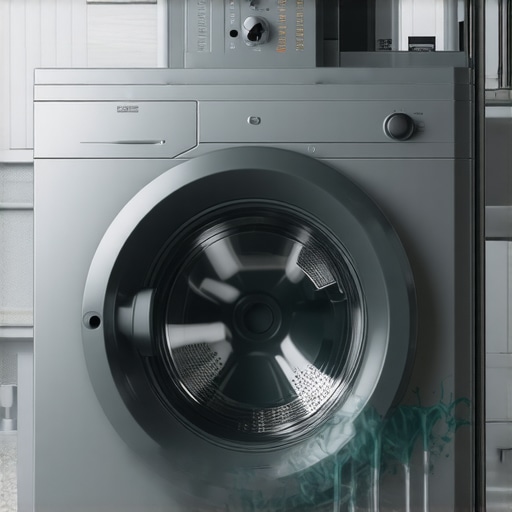
Ever opened your laundry room and was hit with that unmistakable damp, musty smell emanating from your washing machine? I remember the first time I experienced it—thinking I was doing everything right by running regular cleaning cycles, only to be greeted by that stubborn mildew odor months later. It was frustrating, confusing, and honestly, a bit embarrassing to admit I couldn’t keep my washer smelling fresh no matter what I did.
The Real Reason Your Washing Machine Stinks
What I didn’t realize at first is that the typical cleaning routines often miss the sneaky spots where mold and bacteria love to hide. Over time, soap scum, detergent residue, and even moisture buildup create the perfect environment for mildew to thrive—especially in the seals, detergent drawers, and drain areas. Despite cleaning the visible parts, I was neglecting these hidden breeding grounds, which perpetuated the smell.
Now, if you’re nodding along, wondering if your efforts are futile, let me assure you—there’s a way to break this cycle. Today, we’re diving into practical steps that go beyond surface cleaning to eradicate that persistent mildew aroma. Trust me, with a few targeted actions, you’ll breathe fresh air every time you open your washer door.
Is Your Cleaning Routine Missing the Mark?
Early on, I made the mistake of only wiping down the detergent drawer and running a hot water cycle with vinegar once in a while. Big mistake. These superficial efforts don’t reach the deeper crevices. According to appliance experts, neglecting these hidden areas is a common cause of lingering odors—and it can even lead to mold growth that damages your machine over time. For an in-depth look at maintaining your washer properly, check out this maintenance guide.
Understanding the real source of the problem is key. So, if you’ve tried everything and still face that mildew smell, keep reading. I’ll walk you through exactly what needs to be done to revive your washer’s freshness and prevent future odor issues.
Deep Cleaning the Hidden Parts
To truly banish that stubborn mildew smell, start by unplugging your machine. Remove the detergent drawer and soak it in hot, soapy water for at least 10 minutes, then scrub with an old toothbrush to dislodge soap scum. Next, wipe down the seal around the door with a cloth dipped in a mixture of water and vinegar—this is where mold often hides. For an extra boost, run an empty hot cycle with two cups of bleach or specialized washing machine cleaner. During my own messy attempt, I accidentally dripped bleach on the exterior, but the satisfaction of a fresh-smelling washer made it worthwhile.
Targeting the Drain and Hoses
Inspect and Clean the Drain Pump Filter
The drain pump filter traps lint, hair, and debris that can harbor mold. Locate it at the front base panel, unscrew it carefully, and remove the buildup. Use a brush or cloth to clean thoroughly, then replace it securely. I once neglected this step, leading to odor recurrence months later—so don’t skip it.
Flush the Hoses and Check for Clogs
Disconnect the hoses from the back of the washer and flush them with hot water to clear any blockages. Inspect visually for mold or slimy residues. If needed, replace cracked or clogged hoses—cost-effective and prevents future odor issues. Remember, neglecting this can cause stagnation, akin to a clogged sink smelling horrid because water doesn’t drain properly.
Prevent Future Odors with Regular Habits
After a thorough cleaning, maintain freshness by leaving the door ajar after each wash to promote air circulation. Run a maintenance wash once a month using hot water and a cup of white vinegar or a commercial cleaner. Avoid using excessive detergent; too much soap residues can promote mold growth. I learned this the hard way when my washer’s smell returned after a heavy load with too much detergent—lesson learned, and now I stick to manufacturer-recommended amounts.
Addressing Persistent Issues
If despite your efforts, the odor persists, it might be time to check internal parts like the pressure switch, which can trap water and promote mold. For detailed diagnostics, visit this guide. Sometimes, internal components need professional attention, especially if the smell is linked to rubber and plastic parts breaking down. Scheduling a servicing appointment may seem costly, but it prevents long-term damage and keeps your laundry fresh.
When it comes to appliance repairs, many homeowners operate under the misconception that a straightforward, same-day service is all they need to fix their problem. While quick turnaround times can be appealing, there are several nuanced pitfalls that are often overlooked, leading to unexpected costs and complications down the line.
Challenging the Myth of Universal Same-Day Service
Most service providers advertise same-day repair as a standard perk, but in my experience, this isn’t always the most beneficial approach. Companies may prioritize quick visits over thorough diagnostics, which can result in temporary fixes rather than addressing the root problem. For example, rushing through an installation might leave critical gaps, such as improper leveling of your washer, which can cause excessive vibration and damage—do you know that improper leveling can be a hidden cause of appliance failure? Learn more about proper installation here.
Additionally, manufacturers’ warranties often come with fine print that homeowners either overlook or misunderstand. Many believe that warranties cover all repairs, but studies show that a significant portion of warranty claims are denied due to improper maintenance or installation errors. A prime example is the misconception that warranties cover power surge damage, which isn’t true—see this article for clarity.
Why Quick Fixes Can Lead to Costly Replacements
One common mistake homeowners make is opting for quick after-hours repairs without considering the long-term implications. For instance, a rushed repair might involve using aftermarket parts that don’t meet manufacturer specifications, leading to premature failure. It’s vital to ask your technician if genuine parts will be used, or you’ll risk unnecessary recurring issues.
Another nuance is the importance of verifying whether the technician has completed a comprehensive diagnostic process. For example, if an appliance isn’t heating properly, the cause could be a faulty sensor, like the one discussed in this guide. Overlooking such details can lead to temporary fixes, costing more ultimately.
How to Protect Yourself from Hidden Traps
Always ask for a detailed write-up of the diagnosis and repair plan before agreeing to service. Clarify warranty coverage and inquire about the authenticity of replacement parts. Additionally, consider scheduling an annual maintenance check—focusing on overlooked aspects such as cleaning condenser coils or inspecting drainage lines—to prevent avoidable issues.
Remember, investing a bit more time and effort into understanding the nuanced aspects of appliance repair and warranties can save you significant money and inconvenience later. Don’t fall for the trap of assuming all service is equal—know what to look for and demand transparency. Has your experience ever fallen into this trap? Let me know in the comments.
< >
>
Investing in Precision Tools for Reliable Repairs
One of the most essential investments I made for maintaining my appliances was a high-quality digital multimeter. Not just any multimeter—the Fluke 117 has become my go-to device because of its accuracy and ease of use. This tool allows me to diagnose electrical issues efficiently, whether testing for voltage drops or checking continuity. Having reliable testing equipment saves time and prevents unnecessary parts replacements, ultimately postponing costly repairs. For appliance-specific diagnostics, I also keep a resistance thermometer handy to verify the temperature of components like heating elements in ovens or dryers, ensuring they operate within designated parameters. Each repair or maintenance session becomes less guesswork and more precise action, extending my appliances’ lifespan.
Utilizing Diagnostic Software and Apps
In recent years, diagnostic software has revolutionized appliance maintenance. I frequently use manufacturer-specific apps or remote diagnostics services that interface directly with smart appliances. For example, some washing machines connect via Wi-Fi and provide error codes or maintenance alerts straight to my smartphone, allowing me to plan repairs proactively. This approach minimizes downtime since I can prep my tools and parts in advance. Additionally, software like Appliance Assistant offers step-by-step repair guides, troubleshooting tips, and even scheduling recommendations. As these digital tools continue to evolve, I predict a future where AI-driven diagnostics will become standard, enabling even quicker and more accurate repairs without the need for extensive disassembly.
Maintaining Your Gear Over Time
Proper maintenance of your repair tools and diagnostic systems is crucial to ensuring their longevity and accuracy. Regularly calibrate your multimeter as per manufacturer instructions, typically once a year, to maintain precision. Keep software and firmware updated; many diagnostic apps release periodic updates that fix bugs and improve functionality. Store your tools in a protected case, away from humidity, dust, or extreme temperatures, which can affect performance. Periodic cleaning of your testing equipment ensures reliable readings and extends their usability. Also, replacing batteries and worn-out probes promptly is a simple yet vital step to prevent inaccurate diagnostics and unexpected failures during critical moments.
How do I keep my maintenance routine effective over time?
Incorporating scheduled checks, such as biannual calibration and updating your software, ensures your tools remain reliable. Pair this with a dedicated maintenance calendar, tracking service dates and upgrades, to uphold optimal performance. Staying organized and proactive makes complex repairs more manageable, saving time and money in the long run.
By investing in specialized equipment and leveraging modern diagnostic methods, you not only troubleshoot more efficiently but also extend the lifespan of your appliances. Remember, the keys are accuracy, consistency, and staying informed about evolving technology. For example, before your next repair, try calibrating your multimeter following manufacturer guidelines or updating your diagnostic app—small steps that can make a big difference in your success rate.
The Hardest Lesson I Learned About same-day service,warranty,appliance repair,installation
One of my most eye-opening experiences was realizing that rapid repairs aren’t always thorough. I once rushed to fix a leaking dishwasher, opting for a same-day service, only to see the issue recur unexpectedly. This taught me that patience and detailed diagnostics, even if they take a bit longer, save money and frustration in the long run. It’s tempting to prioritize quick fixes, but real understanding of your appliance’s quirks comes from a meticulous approach that values quality over speed.
3 Myths About same-day service,warranty,appliance repair,installation That Held Me Back
- All fixes are equal: I believed that any immediate repair would last forever, but I learned that shortcuts often lead to recurring problems.
- Warranty covers everything: Misconceptions about warranties made me unaware of the fine print, leading to unexpected costs. Reading the details is key.
- DIY is always better: While DIY can be satisfying, some issues require professional tools and expertise to prevent damage or voiding warranties.
What Experts Won’t Tell You About same-day service,warranty,appliance repair,installation
Many technicians rush through repairs, aiming for quick turnaround at the expense of thoroughness. Savvy homeowners ask specific questions about parts and diagnostics. For example, I now insist on genuine parts for durability, which I found out are often skipped in cheap repairs. Knowing the nuances can lead to smarter decisions, avoiding costly repeats.
Curated Resources to Elevate Your Repair Skills
- This guide on preventing washer vibrations — helps you understand installation and maintenance for long-term smooth operation.
- Expert insights on refrigerator noises — equips you to diagnose issues early and avoid surprises.
- Maintenance tips for appliance longevity — practical habits to keep your appliances running optimally.
- Pressure switch diagnostics — a deep dive into common internal faults that cause persistent problems.
You’re In Control of Your Appliance Future
Investing time into understanding your appliances and their quirks is empowering. With a bit of patience, the right tools, and knowledge, you can troubleshoot minor issues and extend their lifespan without relying solely on technicians. Remember, every repair or upgrade is an opportunity to learn—transform challenges into mastery. Don’t hesitate—start today, and watch your confidence—and appliances—thrive. What’s the biggest appliance mystery you’ve fought through? Share your story below!.