

It was the middle of the night when I suddenly woke up to the relentless beeping of my kitchen range. Groggy and frustrated, I wondered if a ghost or malfunction had taken over my appliances. Turns out, that irritating 3 AM alarm isn’t just a random noise—it’s a sneaky sign of a deeper issue that, if ignored, can turn into costly repairs or even safety hazards. I’ve been there, and I want to help you avoid waking up to the same surprise.
Deciphering That Midnight Beep — Why It Matters More Than You Think
Many homeowners dismiss such beeping as a minor annoyance, but it’s actually your appliance communicating that something’s amiss. Ignoring it could lead to more serious problems, like a broken heating element or electrical fault. When my range started its midnight chorus, I learned the hard way that these signals are often related to safety features or technical glitches. Recognizing the cause early on can save you money and even prevent potential fires. If you’ve experienced this strange nocturnal alarm, you’re not alone. Let’s delve into why your range might be crying out at odd hours and what you can do about it.
Is Your Range’s Midnight Alarm a Serious Concern—or Just Annoying?
Early in my appliance repair journey, I made the mistake of dismissing the beeping as a trivial glitch. That oversight cost me extra in repairs and oodles of sleepless nights. The truth is, many of these alerts are indicators of issues like sensor blockages, loose wiring, or outdated firmware. For example, a common culprit is a sensor blockage in a smart oven, which can be fixed by cleaning or resetting it. You can find helpful tips on sensor cleaning strategies here. Don’t ignore the signs; treat that beeping as your appliance’s way of speaking directly to you. Now, let’s turn to the most common causes and how to identify them, so you don’t have to lose sleep over mysterious midnight warnings.
Check the Power Source and Reset the Appliance
Begin by ensuring your range is properly plugged in and receiving power. Unplug the appliance, wait for about 30 seconds, then plug it back in. This simple reset can clear minor glitches that cause false alarms. I remember one time when my stove beeped unexpectedly; a quick reset fixed the issue instantly and saved me a call to repair services.
Inspect and Clean Sensors and Components
Focus on the Sensor Blockages
Many smart ranges have sensors that detect temperature or faults. Dust or grease can obstruct these, triggering alarms. Carefully locate the sensors—consult your user manual—and clean them with a soft cloth and some isopropyl alcohol. For a stubborn clog, I followed this guide which helped me fix my oven’s preheat issues. Regular sensor maintenance prevents false alarms and keeps everything running smoothly.
Examine the Wiring and Connections
Loose or corroded wires are common culprits behind persistent beeps. Turn off the power, then inspect the wiring at the range’s control panel. Look for loose connectors or signs of corrosion. Tighten any loose connections carefully. Once I addressed a loose wire in my stove, the beeping stopped, and I gained peace of mind knowing my appliance’s safety features were intact.
Update Firmware or Software
If your range is a smart device, outdated firmware can cause malfunctions. Check the manufacturer’s app or website for updates. Follow their instructions to update the firmware—usually via a connected device or USB. I once faced repetitive beeping after an update, but re-installing the firmware resolved the issue. Keeping software current is crucial for preventing false alarms and ensuring optimal performance.
Confirm No External Interference or Obstructions
Electromagnetic interference from other appliances or devices can trigger alarms. Move phones, tablets, or wireless speakers away from the range. Also, ensure nothing is obstructing vents or sensors. Once, I realized a neighboring wireless router was causing interference with my smart oven; relocating it eliminated the random beeps.
When to Call a Professional
If you’ve tried these steps and still experience alarms, it’s time to seek help. Schedule a same-day repair to avoid safety hazards and appliance damage. Experienced technicians can diagnose complex issues like faulty control boards or internal wiring problems. Remember, attempting advanced repairs without proper knowledge can void warranties—check your warranty details here.
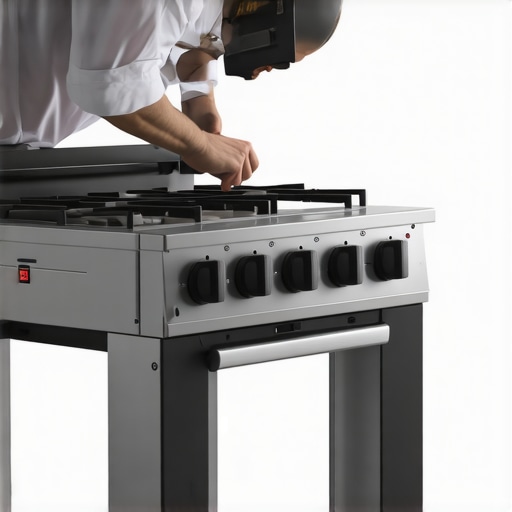 Many homeowners operate under misconceptions when it comes to appliance repairs, same-day service, installation, and warranties. A common myth is that all repairs are equally straightforward and that documentation or warranties automatically cover any mishap, but the reality is more nuanced. For example, many fail to realize that improper installation can void their warranty entirely, especially if specific steps like correct placement and secure connections are neglected—something detailed in guides like this article. Additionally, opting for non-OEM parts without verifying warranty conditions can lead to costly exclusions under the warranty policy, as explained in this insight.
A critical nuance often overlooked is the importance of timely service. Many assume same-day service is just a marketing promise, but in reality, quick response is essential to prevent further damage, especially with complex components like control boards or sensors. Interestingly, appliances like smart thermostats and sensors can be damaged by improper diagnostics, alarming homeowners and technicians alike. For instance, cleaning sensor blockages is crucial—more on this can be found in this detailed guide.
Furthermore, advanced users sometimes misunderstand the scope of warranties, mistakenly believing they cover accidental damage or certain repair techniques. However, warranties usually specify conditions such as professional installation and use of approved parts. Attempting DIY fixes outside those parameters can not only void the warranty but also compromise appliance safety and efficiency.
One mistake I’ve seen often is ignoring professional advice regarding appliance upgrades or modifications. For example, installing an aftermarket surge protector may seem harmless but could interfere with appliances’ electronics, invalidating warranty coverage—details on this are discussed here.
So, the key takeaway? Approach appliance repair, installation, and warranty considerations with a strategic, informed mindset. Recognize that not every repair is straightforward, that proper documentation and adherence to manufacturer guidelines are crucial, and that quick, professional intervention can save headaches and money. Have you ever fallen into this trap? Let me know in the comments.
Keep It Running: Tools I Trust for Appliance Maintenance
When it comes to maintaining your appliances, having the right tools can make all the difference. I’ve found that a precise, quality screwdriver, like the magnetic Phillips and flat-head set, is indispensable for most repair tasks. Its ergonomic handle and magnetic tips allow for better grip and precision, reducing frustration and preventing damage to delicate components.
Another staple in my toolkit is an infrared thermometer. This device helps me quickly identify uneven heating issues, verify sensor operation, and ensure that components like heating elements or thermostats are functioning correctly. Regularly checking temperatures with an infrared gun saves me from unnecessary disassembly and ensures long-term efficiency.
For isolating electrical faults, I use a multimeter with auto-ranging capabilities and detailed readings. Personally, I prefer models that offer continuity checks and voltage measurements, which help me identify loose wiring, blown fuses, or faulty sensors without guesswork. This investment ensures safety and saves money over time by catching issues early.
To clean sensors such as those in smart ranges, I rely on a soft cloth dampened with isopropyl alcohol. Proper cleaning of components like the sensor assembly prevents frustrating false alarms and maintains optimal operation. Keep in mind, regular gentle cleaning is a simple yet powerful maintenance step that extends appliance lifespan.
Future of Appliance Care: Smarter Tools on the Horizon
Predictably, the trend leans toward more intelligent diagnostic devices, like apps that interface directly with appliances for real-time monitoring. Using software that can analyze appliance behavior over time will become standard, allowing homeowners to receive proactive alerts—further reducing repair costs and downtime. Embracing these innovations now positions you ahead of potential problems and ensures your appliances stay reliable longer.
How do I maintain appliance performance over time?
Consistent, scheduled inspections of sensors, connectors, and seals are vital. Pairing these practices with proper tools like multimeters and sensor cleaning materials ensures early detection of issues. For example, regularly cleaning the sensor in your oven can prevent the annoying beeping that signals false faults—more details on this process are here. Remember, using quality tools and staying proactive is the key to long-term appliance health.
Taking care of your appliances with expert-grade tools isn’t just about fixing problems—it’s about creating a maintenance routine that prolongs their life. If you haven’t already, try integrating an infrared thermometer into your toolkit this month. Its ability to quickly verify heating performance can save you from future headaches and expensive repairs, keeping your appliances in prime condition for years to come.
Hidden Truths That Transformed My Approach to Appliance Care
One of the biggest lightbulb moments I experienced was realizing that many appliance issues stem from overlooked simple maintenance rather than complex faults. Regular sensor cleaning and firmware updates are often the first steps to prevent midnight alarms and costly repairs. Additionally, understanding warranty conditions thoroughly saved me from the trap of DIY fixes that inadvertently voided coverage. This insight taught me to treat appliances as investments requiring routine check-ups, much like a car’s oil change. Acting early, rather than waiting for mysterious beeps to escalate, can extend their lifespan significantly.
The Tools That Changed My Repair Perspective
I trust a quality multimeter for diagnosing electrical glitches and an infrared thermometer for verifying heating elements swiftly. Regular sensor cleaners and soft cloths dampened with isopropyl alcohol are staples in my toolkit, ensuring sensors stay responsive and false alarms are minimized. My favorite resource remains the detailed guides on sensor maintenance, which saved me multiple trips from unnecessary service calls. Having a reliable set of tools and authoritative resources turns a frustrating repair into a manageable, even satisfying, project.
Inspiration Still Comes from My First Fix
Remembering my initial experience repairing a stubborn stove beeping at odd hours helped me see these signals as genuine communication from my appliances. Now, I see every alarm as a helpful hint rather than a nuisance—an opportunity to learn and act proactively. My advice is to approach appliance maintenance with curiosity and patience, knowing that your efforts can prevent bigger disasters and extend appliance longevity. Embrace the process, and you might discover a new appreciation for your home’s unsung heroes.