

It was midnight when my smart oven refused to preheat. I stood there, staring at the cold, unresponsive control panel, feeling that familiar creeping frustration. That moment, cutting through my sleep, was a lightbulb going off—I realized I had ignored my oven’s subtle hints for months. If you’ve ever faced a similar stubbornness with your appliance, you’re not alone. Today, we’re going to dig into the sneaky sensor blockage that can silently sabotage your preheating process and show you practical steps to fix it.
Why a Preventable Sensor Blockage Can Halt Your Baking Dreams
So many of us take our kitchen gadgets for granted—until they suddenly stop working. A common culprit? The sensor that tells your oven when to heat up. Over time, dust, grease, and even tiny food particles can accumulate, blocking the sensor’s view and tricking your oven into thinking it’s already at temperature. This simple mistake can leave you with cold bread or raw casseroles, wasting time, electricity, and patience. I learned this the hard way when my oven kept refusing to preheat during holiday cooking, despite me replacing elements and resetting controls. It was only after some research that I discovered how such a small, overlooked component can cause major headaches. Want to avoid that midnight panic? Keep reading.
Could You Be Falling for the Hype of Fancy Smart Features?
Many folks get dazzled by all the bells and whistles of new ovens, trusting that the upgraded sensors and smart tech will handle everything for them. But I made the mistake early on of assuming newer meant flawless. Trust me, even premium appliances can suffer from simple issues if their sensors are dirty or misaligned. That’s why I always recommend checking the basics first. If you’re skeptical about cleaning those tiny sensors yourself, consider reading this [article](https://discountappliancehub.com/why-your-brand-new-oven-bakes-unevenly-every-time) that explains how common installation or maintenance mistakes can cause uneven baking—not necessarily a defect.
Have you experienced your smart oven suddenly acting up without warning? If so, know that many of these issues are surprisingly fixable with a quick sensor clean. Next, I’ll walk you through how to identify and clear these sneaky blockages, saving you a costly repair or replacement. Let’s get started.
Locate the Sensor Area with Precision
Start by unplugging your oven to ensure safety. Open the oven door and look for the temperature sensor, usually a thin, metal probe hanging near the heating elements or attached inside the oven cavity. In my experience, identifying the exact sensor can be tricky, but a flashlight makes this step easier. Remember, this component is small but vital, acting as the oven’s thermostat. Use a soft cloth or a brush to gently examine the sensor and its immediate surroundings for dust or grease buildup.
Clear the Sensor and Surroundings Effectively
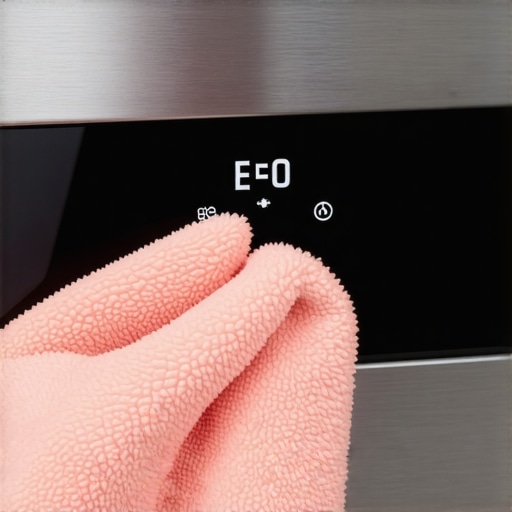
If the sensor looks dirty or covered in grease, it’s time for a deep clean. Remove any obstructions carefully—some models require unscrewing the sensor, others just allow for gentle wiping. To eliminate grime, dampen a microfiber cloth with a mixture of equal parts water and white vinegar, then gently wipe the sensor and its connection points. I once had a stubborn buildup that didn’t come off with wiping; in that case, I used a soft toothbrush to loosen residue without damaging the sensor. Avoid abrasive cleaners or excessive moisture to prevent damage. This step is crucial because dust or grease can cause inaccurate readings, leading your oven to think it’s preheated when it’s not.
Reconnect and Test Your Oven’s Performance
Once cleaned, reconnect the sensor if it was removed, and ensure all connections are secure. Plug the oven back in and set it to preheat. Watch for the indicator light or listen for the sounds indicating heating. When I performed this fix, I noticed my oven preheated faster and accurately, saving me time and energy. If your oven still refuses to preheat after cleaning, double-check connections or consider replacing the sensor. For detailed guidance on sensor replacement, check out this article.
Keep Sensors Clean for Long-Term Reliability
Regular maintenance prevents future failures. Schedule a quarterly check for the oven sensor, especially if you use your oven frequently or notice inconsistent heating. A quick wipe can save you from costly repairs or replacements later. Remember, neglecting simple maintenance like sensor cleaning can turn minor issues into major inconveniences. Think of it like changing your car’s oil—small regular actions preserve the entire system’s health.
 Many homeowners assume that warranty policies, installation procedures, and repair services are straightforward, reliable, and universally beneficial. However, in my experience, there’s often a complex layer of nuances that many overlook, leading to costly mistakes or frustrations down the line.
One common myth is that a warranty automatically covers all repairs and replacements. The reality? Most warranties have fine print, exclusions, and specific conditions. For instance, some warranties don’t cover damage caused by improper installation or use, making proper setup crucial. In fact, prior to your appliance tech’s visit, reviewing the manufacturer’s requirements can prevent your claim from being denied. Check out this guide for a detailed rundown on pre-service preparations.
Another misconception revolves around same-day service. Many assume it’s guaranteed and always effective. But what most people miss is that scheduling conflicts, parts availability, or the technician’s workload can delay or limit these services. It’s a good idea to understand your local providers’ policies and hidden clauses—some shops offer ‘priority repairs’ that come with extra charges, while others may not guarantee immediate resolution on weekends or holidays.
Can rushing the installation compromise your warranty and appliance longevity?
Absolutely. Installing your appliance with shortcuts or ignoring manufacturer instructions can void your warranty and cause early failures. For example, improperly leveling a refrigerator or connecting the drain line incorrectly can lead to water leaks, early compressor failure, or ineffective cooling. Detailed installation is often underestimated; many dismiss the importance of following the manufacturer’s specifications, which can result in voided warranties or costly repairs later. Read this article to learn how installation errors can undermine your appliance’s performance and warranty coverage.
Understanding the nuances of these policies also extends to repair tactics. Some repair services might use non-OEM parts or quick-fix solutions that invalidate your warranty. Always verify that the technician uses genuine parts and follows best practices. Additionally, do not forget that the effectiveness of repair can be affected by overlooked factors, such as improper power surges or neglecting routine maintenance, which often void manufacturer warranties. For example, neglecting to clean a condenser coil can reduce efficiency and lead to premature compressor failure, defeating the purpose of warranty coverage. More insights can be found at this article.
Furthermore, avoid the trap of assuming warranties are repairs themselves. In some cases, you might need to actively document and prove your compliance with installation and maintenance guidelines to keep your warranty intact. This includes retaining receipts, transaction records, and photographs of correctly installed appliances. Always review your warranty’s terms regarding what to do if a dispute arises.
Just be aware that navigating appliance warranties and repairs involves more than taking the manufacturer’s word at face value. Every step—from proper installation, understanding coverage exclusions, to choosing the right repair service—impacts the lifespan and reliability of your appliances. If you want to make smarter decisions, a detailed knowledge of these hidden nuances can save you both time and money. Have you ever fallen into this trap? Let me know in the comments and share your experiences.
Invest in Quality Tools for Long-Term Repairs
One of my top routines is using the precision screwdriver set I rely on for almost every repair. This isn’t just about convenience—using the right screwdriver with the correct torque prevents stripping screws and damaging delicate components. I personally prefer magnetic bits for handling tiny fasteners in tight spaces, especially when working with sensors or control panels. A good quality set makes all the difference in saving time and avoiding costly mistakes.
Why a Digital Multimeter is My Go-To Diagnostic Device
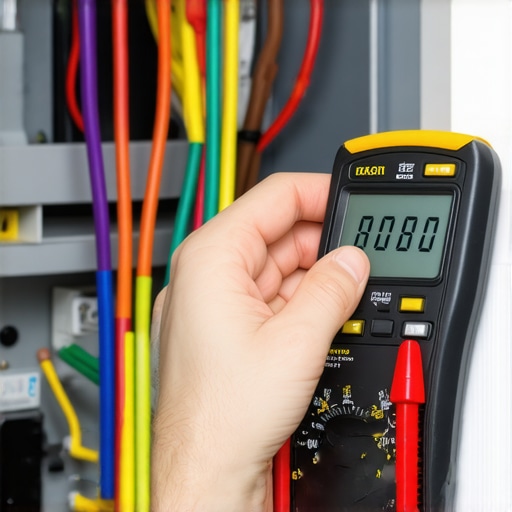
I always keep a digital multimeter within arm’s reach. It allows me to quickly verify circuit continuity, check voltage levels, and diagnose faulty sensors or components. I’ve learned that understanding how to efficiently interpret multimeter readings can save hours of trial and error, particularly when troubleshooting complex appliances like smart fridges or ovens. For example, diagnosing voltage drops can indicate wiring issues or failing control boards, saving me from unnecessary replacements.
Develop a Maintenance Routine for Reliable Performance
Routine maintenance is key to extending appliance lifespan. I schedule monthly inspections where I clean coils, check seals, and verify connections. For example, regularly cleaning the range hood filters ensures proper ventilation and safety. A quick sweep with a microfiber cloth and a bit of vinegar solution removes grease buildup that can impair sensor accuracy or cause overheating. Consistent upkeep prevents minor issues from escalating into costly repairs, especially when combined with thorough cleaning of sensitive parts like thermostats or sensors.
Predict and Prepare for Future Failures
Advanced diagnostics tools and software monitoring have started to gain popularity. For instance, installing smart diagnostics devices can alert you to anomalies before they lead to breakdowns. I foresee an increasing trend toward integrated maintenance alerts that notify homeowners of impending failures, much like a check engine light. Embracing these innovations now can save significant hassle and expense down the road.
How do I maintain appliance performance over time?
The secret lies in consistent, proactive maintenance. Cleaning sensors, verifying electrical connections, and using precise tools like a digital multimeter ensure your appliances operate optimally. I recommend scheduling comprehensive inspections quarterly if you rely heavily on certain appliances or notice performance dips. Also, documenting regular service checks and repairs can help uphold warranty coverage, especially when installers or repair technicians visit. Remember, neglecting small issues can lead to major failures — but staying ahead with the right tools and routine checks keeps everything humming smoothly. For detailed guidelines, check out my favorite blog post.
Over the years, I’ve discovered that much of what hampers appliance performance isn’t always what you expect. The real lessons come from those unexpected moments—like finding out that a simple sensor clean can prevent costly repairs or realizing that warranties often contain fine print that can trip you up. These insights have transformed my approach and saved me from many headaches. If you’ve ever felt frustrated with a stubborn appliance or unsure about warranty details, know that there’s often a straightforward fix hidden beneath the surface. Embrace these insider tips and start turning common appliance headaches into simple solutions today.