
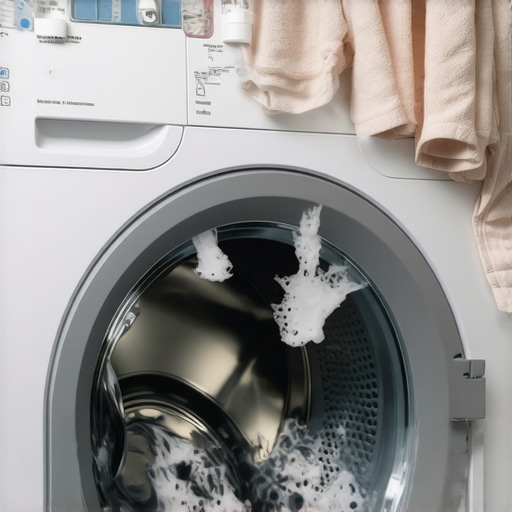
I remember the day I made a rookie mistake that almost cost me my brand-new high-efficiency washing machine. It was late evening, and I was in a rush to finish laundry after a long day. I grabbed the only soap I had—regular, old-fashioned dish soap—and poured a generous amount into the dispenser. The machine started agitating, but within minutes, it was making strange noises, and water was leaking underneath. That gut-wrenching moment made me realize I had just jeopardized my expensive appliance. Have you ever faced a similar confusion about what detergents are safe for your high-efficiency washer?
Why Using the Wrong Soap Can Ruin Your Washer
Many homeowners don’t realize that not all soaps are created equal, especially when it comes to modern, high-efficiency washing machines. Regular soap, like dish soap or traditional laundry detergents, often contains fillers and foaming agents that are incompatible with these machines. The result? Excessive suds that can clog drains, damage internal parts, or lead to costly repairs. Early on, I learned this the hard way—that mistake could have led to a complete breakdown if I hadn’t caught it in time.
Understanding the significance of choosing the right detergent is crucial, not only for maintaining your machine’s longevity but also for optimal cleaning performance. Using incorrect soap voids warranties and can cause the appliance to work harder, consuming more energy and water. In fact, an article by the Appliance Repair Forum highlights that soap-related damage is a common cause of premature washer failure.
To avoid these pitfalls, I recommend that homeowners familiarize themselves with the manufacturer’s guidelines and opt for HE (High-Efficiency) detergents designed specifically for these appliances. These specially formulated detergents produce fewer suds and are gentler on your machine’s delicate components.
If you’re unsure whether your current detergent is suitable, check the label for the HE logo or visit the manufacturer’s website for recommended products. It might seem like a small detail, but neglecting this can lead to expensive repairs or even the need for a new washer altogether.
Have you experienced issues with your washer that could be linked to using the wrong type of soap? If so, don’t worry—you’re not alone, and the good news is, fixing this problem can save you a lot in repairs. Next, I’ll walk you through the signs that indicate your washer might be suffering from the wrong detergent usage and how to resolve it quickly.
Inspect and Prepare Detergent Properly
Before loading your laundry, verify that you’re using only HE (High-Efficiency) detergents. These are formulated for low-sudsing, rapid rinse cycles in modern washers. A good practice is to check the label for the HE logo, which indicates compatibility. I recall once standing in the laundry aisle, confused by labels, until I noticed that my usual detergent lacked the HE mark. Swapping to the right type saved my washer from potential foaming issues.
Measure Detergent Correctly
Overdosing detergent can cause excessive suds that overwork the machine’s pump and drain system. Use the scoop or measuring cup provided, adhering strictly to the manufacturer’s recommended amount. I once thought more soap meant cleaner clothes, but loading the dispenser with heaping scoops led to soap scum buildup and a smell in my washer. Precise measurement ensures efficient cleaning and protects internal components.
Load Your Washer Sensibly
A packed drum can hinder proper agitation and drainage. Load clothes loosely, distributing weight evenly. Imagine trying to spin a wheel overloaded with items—you risk throwing it off balance. When I overloaded my machine during a laundry rush, it vibrated excessively, and I worried about potential damage. Proper loading minimizes strain, prolonging the appliance’s lifespan.
Check for Proper Drainage and Spin
Ensure the drain hose is correctly positioned and not kinked. If water remains after a cycle, consult this guide on why your washing machine won’t drain the penny in the pump. I once discovered a kink in my drain hose that prevented water from escaping, causing a leak. Fixing the hose immediately prevented damage to my floor and improved cycle performance.
Regularly Clean Critical Parts
Maintaining the washer’s pump filter and gasket prevents clogs and mold buildup. Remove and clean filters monthly following your manufacturer’s instructions. I found a stuck sock in my washer’s pump, which caused a recurring squeal. Using the secret to removing a stuck sock from your washer pump guide, I cleared the obstruction easily, restoring smooth operation.
Monitor Machine Balance and Vibrations
Place the washer on an even surface, and adjust leveling screws as needed. An unbalanced load causes excessive vibrations, risking damage. I once neglected to level my machine, and it shook so violently that I feared it might walk across the room. Using a simple level tool, I fine-tuned the legs, preventing future disturbances and protecting my floor and the appliance.
Stay Alert for Unusual Noises or Leaks
Listen during cycles for strange sounds, and look for water pooling around the unit. Early detection of issues like worn-out hoses or faulty seals can prevent major repairs. I had a small leak that I initially ignored until I saw dampness near the feet. Addressing it promptly by inspecting and replacing the hose prevented water damage and costly fixes.
 Many homeowners believe that hiring a technician for appliance repairs is straightforward—just call, get it fixed, and that’s it. However, beneath this simplicity lie common misconceptions that can cost you time, money, and even warranty validity. Let’s explore some of these hidden nuances and advanced pitfalls that many overlook.
First, there’s a widespread myth that all repair technicians are interchangeable. In reality, the expertise required varies significantly. An unlicensed or inexperienced technician might perform a quick fix but miss critical issues, leading to recurring problems or voiding your warranty. For instance, improper installation of a dishwasher drain hose can cause leaks and damage your flooring, but many skip the importance of proper setup, as detailed in this guide.
Another misconception revolves around warranties. Many assume that warranties cover all damages post-installation or repair. In truth, warranties often have fine print—covering specific parts only, or only valid if maintenance and installation guidelines are strictly followed. Ignoring these details can mean paying out of pocket for repairs that could have been covered, especially if you claim for a cracked glass cooktop or similar issue here.
A critical nuance many miss is the importance of proper installation, particularly concerning placement and environment. For example, placing a refrigerator too close to heat sources or in a poorly ventilated area can cause the compressor to overwork, drastically reducing its lifespan. This is a nuance that even seasoned DIYers often overlook, resulting in premature failure. Regularly inspecting and ensuring optimal conditions—like maintaining proper clearances—is key.
Now, let’s address a common trap: assuming same-day service is always the best option. While it sounds appealing, rushing repairs without proper diagnostics can lead to misdiagnosis or incomplete fixes. Skilled technicians, however, know when to prioritize thorough troubleshooting over quick fixes, ensuring the issue is genuinely resolved. This balanced approach prevents wasted visits and repeated calls, saving you money.
Here’s an advanced question to consider: How does improperly managing your appliance’s power supply impact warranty claims and performance? Experts suggest that surges or inconsistent power can damage sensitive parts, making your warranty void if not properly mitigated. For instance, using a quality surge protector or ensuring your home’s wiring is up to code is vital more details here.
Being aware of these nuanced aspects can make a significant difference in how you approach appliance repair, installation, and warranty management. Don’t fall into common traps that even experienced homeowners sometimes miss. Instead, stay informed and proactive.
Have you ever fallen into this trap? Let me know in the comments. Making informed choices is the best way to protect your appliances and your wallet.
Investing in the Right Equipment Keeps Your Appliances in Top Shape
Successfully maintaining your appliances over the long term requires more than just basic skills—having the right tools can make all the difference. I personally swear by a high-quality digital multimeter, such as the Fluke 117, because it provides accurate readings necessary to diagnose electrical issues safely and efficiently. For example, when testing a refrigerator’s compressor relay, a reliable multimeter quickly confirms whether voltage is reaching the component, preventing unnecessary part replacements.
Additionally, a digital infrared thermometer is invaluable for assessing temperature fluctuations in devices like wine fridges or ovens without invasive probing. This tool enables quick identification of overheating or cooling problems that may signal underlying issues, such as clogged drains in AC units or malfunctioning thermostats. My infrared thermometer of choice is the Fluke 62 Max+—its durability and precision make it indispensable in my toolkit.
Power management tools, like surge protectors designed for sensitive electronics, also play a crucial role. Using a heavy-duty surge protector helps shield appliances from voltage spikes, which can void warranties or cause internal damage. I always recommend installing a dedicated surge protector for essential appliances, especially smart home systems, to safeguard your investments over time.
Applying Diagnostic Software for Smart Devices
For modern, connected appliances, I turn to manufacturer-specific diagnostic apps. These software solutions often provide in-depth insights into device performance and error codes, saving time and money. I use the LG ThinQ app to troubleshoot my smart refrigerator, which has helped me pinpoint the cause of recurring connectivity issues—a step that traditional tools can’t easily achieve.
Looking ahead, the integration of IoT and AI-driven diagnostics is set to revolutionize appliance maintenance. Predictive tools will soon alert homeowners to potential failures before they happen, allowing for proactive repairs and minimizing downtime. As this technology becomes more affordable and widespread, mastering both hardware tools and software diagnostics will be essential for DIY enthusiasts and professionals alike.
How do I maintain my appliances over time?
The key to longevity lies in routine inspections and timely maintenance. Regularly cleaning filters, checking for leaks, and ensuring proper ventilation can drastically extend an appliance’s lifespan. For example, reviewing your [AC drain pan](https://discountappliancehub.com/why-your-ac-drain-pan-is-full-of-water) periodically prevents water buildup that could cause mold or damage. Incorporate these checks into your maintenance schedule using the right tools, and you’ll enjoy trouble-free performance for years to come.
Finally, don’t underestimate the value of documentation. Keep detailed records of repairs, parts, and maintenance activities. If issues arise, referencing this information can streamline troubleshooting and support warranty claims, helping you avoid unnecessary expenses. Remember, investing in quality tools and ongoing maintenance not only protects your appliances but also empowers you to handle most problems confidently—try enabling your diagnostic apps or calibrating your multimeter today and see the difference!
Uncover Hidden Truths That Could Save Your Repair Budget
One of the biggest lightbulb moments I had was realizing that DIY repairs without proper knowledge can unintentionally void warranties, especially if you don’t follow manufacturer guidelines. I learned this when attempting to fix my dishwasher’s leak and missing a crucial step led to an immediate warranty disclaimer. It taught me that sometimes, knowing what the manufacturer expects can make or break your claim.
Secondly, I discovered that the simplest maintenance—like regularly cleaning a refrigerator’s door gasket—can prevent costly door seal replacements. Small, consistent actions are often overlooked but hold immense value in appliance longevity.
Lastly, I came to understand that investing in quality diagnostic tools and educating myself on their proper use is a game-changer. A reliable multimeter and an infrared thermometer allowed me to identify issues early, avoiding unnecessary parts replacement and service calls.
Tools and Guides That Became My Go-To Resources
- Fluke 117 Multimeter: This tool gave me confidence in diagnosing electrical problems safely. Its accuracy and durability proved invaluable during troubleshooting.
- LG ThinQ App: For smart appliances, this app provides detailed error codes and troubleshooting steps that often eliminate the need for a technician unless absolutely necessary.
- Online Manuals and Manufacturer Websites: I trust these sources for the most accurate installation and maintenance instructions, ensuring I stay within warranty parameters and avoid costly mistakes.
- Specialized Repair Forums: Communities like the Appliance Repair Forum offer insights from experienced homeowners and pros, sharing real-world solutions that go beyond generic advice.
Your Next Move Is Closer Than You Think
Empowering yourself with knowledge about appliance repair, installation, and warranty nuances transforms maintenance from a chore into a rewarding skill. Every fix you attempt or oversee enhances your confidence and protects your investments. Remember, the key is to stay curious, proactive, and never shy away from educating yourself further.
What has been your biggest learning moment when maintaining or repairing an appliance? Share your story below and join the community of empowered homeowners.