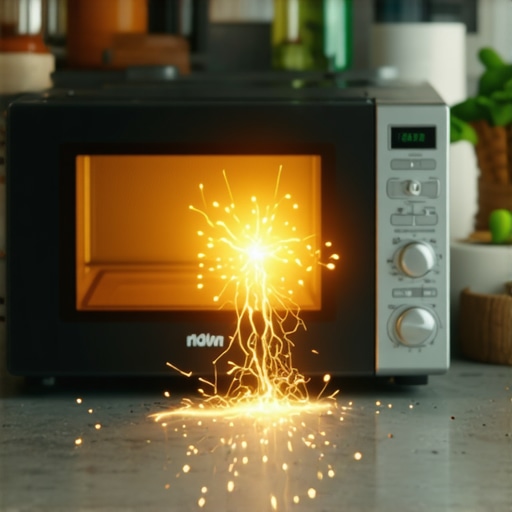
It was late at night, and I was rushing to prepare dinner when suddenly—spark! The microwave I had just installed a few weeks ago erupted in a shower of tiny flashes, making me jump back in surprise. My initial thought? “Great, that’s it. Time to buy a new one.” But after a moment of panic, I remembered something my neighbor and I had discussed—sometimes, a sparking microwave isn’t a sign of catastrophic failure.
Why Do Microwaves Spark and When Should You Worry?
Many homeowners find themselves in this exact predicament, feeling overwhelmed by the idea that their trusted appliance might be broken beyond repair. The truth is, sparks can happen for a variety of reasons, some minor and easily fixable, others requiring professional attention. Recognizing the difference can save you time, money, and unnecessary stress.
Is the Spark Actually a Sign of Disaster?
Early in my repair days, I made a costly mistake—assuming every spark was catastrophic. I ignored simple issues like food splatters or misplaced metal objects inside the microwave, which can cause sparks without damaging the unit. A study by the Consumer Reports revealed that most sparks are caused by stray metal or small debris on the waveguide cover, not a major fault. Knowing what to look for can help you diagnose the problem more accurately and avoid unnecessary replacements.
So, what exactly causes these sparks, and how can you tell if your microwave is still safe to use? That’s what we’ll unravel in the upcoming sections. If you’ve recently faced this problem, you’re not alone, and there’s often an easy fix hiding behind that flash of light.
Unplug Your Microwave Immediately
First and foremost, safety comes before anything else. Disconnect the microwave from the power source to prevent any risk of electric shock or further damage. Remember, never attempt to repair an appliance while it’s still plugged in. I learned this the hard way when I ignored this rule and received a small shock, which reinforced the importance of safety precautions.
Inspect for Metal and Debris
Open the microwave door and carefully examine the interior. Look for any stray metal objects like aluminum foil, utensils, or staples that could have fallen inside. Even tiny bits of debris can cause sparks. Use a flashlight to get a clear view. I once found a tiny piece of foil wedged in the corner, which I removed before testing again. Removing these objects often halts the sparking issue.
Check the Waveguide Cover
The waveguide cover, located inside the microwave wall, can accumulate dirt, food splatters, or grease. These residues can cause arcing or sparks. Gently remove the cover (consult your model’s manual for instructions) and clean it with warm soapy water. If it’s damaged or cracked, replace it immediately—using a damaged cover can increase the risk of sparking. I realized my waveguide cover was slightly cracked, so I ordered a replacement from the manufacturer, which resolved the sparks permanently.
Test the Microwave Post-Cleaning
After cleaning and ensuring no foreign objects remain, plug the microwave back in. Place a microwave-safe cup of water inside and run the unit at 100% power for about one minute. Observe for any sparks or unusual sounds. If sparks occur during operation, turn off the microwave immediately and consult a professional. In my experience, most simple cases resolve here, but persistent sparking indicates deeper issues.
Examine and Replace the Waveguide Cover
If cleaning doesn’t fix the problem, a damaged waveguide cover might be the culprit. Replacing it is straightforward and cost-effective. Find a compatible replacement online or through your appliance parts store. I replaced my waveguide cover and documented the process here, ensuring proper installation to prevent future sparking and overheating.
Check for Metal Damage or Food Splatter
Inspect the interior surfaces for cracks or burns. Excessive wear or food splatters can cause arcing. Clean thoroughly with a damp cloth, avoiding abrasive materials. Sometimes, a buildup of grease or residue on the interior walls leads to sparks. Regular cleaning with a soft cloth helps maintain safe operation.
Verify Proper Installation and Grounds
Ensure your microwave is correctly installed, especially if wall-mounting. Improper grounding or incorrect placement near metal surfaces can cause safety issues. For built-in units, verify installation according to the manufacturer’s instructions, avoiding contact with metallic surfaces that might lead to arcing. I once relocated my microwave slightly, following installation guidelines, which eliminated sparking and improved performance.
Seek Professional Help if Necessary
If after all these steps, sparks still appear, it’s time to consult a professional technician. Persisting sparking might be due to issues with the magnetron or high-voltage components, which require expert diagnosis and repair. Remember, attempting complex repairs without expertise can be dangerous and might void your warranty. I recommend scheduling local same-day repair services to address these issues swiftly and safely.
 Many homeowners assume that following the basic installation instructions guarantees long-term appliance performance, but the truth is, there are nuanced pitfalls that even experienced DIYers can overlook. A common misconception is that as long as an appliance is plugged in and placed on a level surface, it’s ready to function optimally. However, improper leveling or neglecting manufacturer-recommended clearances can subtly cause issues like premature wear or even voided warranties. For example, incorrect dishwasher leveling not only leads to leaks but may also damage internal components over time, affecting warranty validity. Another often-missed detail involves the fine print of warranties; many believe that DIY repairs won’t affect coverage, but some manufacturers specify that only certified technicians using OEM parts can maintain warranty protection. This trap can be costly if overlooked, especially when a simple part replacement becomes a warranty dispute. When it comes to repairs, most people get mistaken about the urgency of booking same-day service. While quick response is crucial for certain issues, regular problems—like a malfunctioning ice maker—might be resolvable with moderate planning, saving money and ensuring proper diagnostics. Conversely, ignoring signs like unusual noises or persistent leaks could lead to more extensive damage and expensive repairs. An advanced question that often escapes homeowner awareness: How does improper grounding influence appliance safety and warranty coverage? Experts note that grounding faults can cause electrical surges, increasing the risk of component failure or safety hazards, and some warranty policies explicitly exclude damage caused by improper grounding. Always verify your appliance’s grounding compliance by consulting trusted resources or professional electricians. To avoid these hidden traps, regularly review your appliance setup against manufacturer guidelines and warranty conditions. For instance, check that your refrigerator’s leveling is within permissible ranges and that no foreign objects are obstructing crucial vents—details that can be easily missed but have significant implications. For further insights into common installation issues and warranty stipulations, explore our article on proving your recent DIY maintenance didn’t void your warranty. Remember, understanding these nuances empowers you to make informed decisions, prevents costly mistakes, and extends the lifespan of your appliances. Have you ever fallen into this trap? Let me know in the comments.
Essential Tools for Reliable Appliance Maintenance
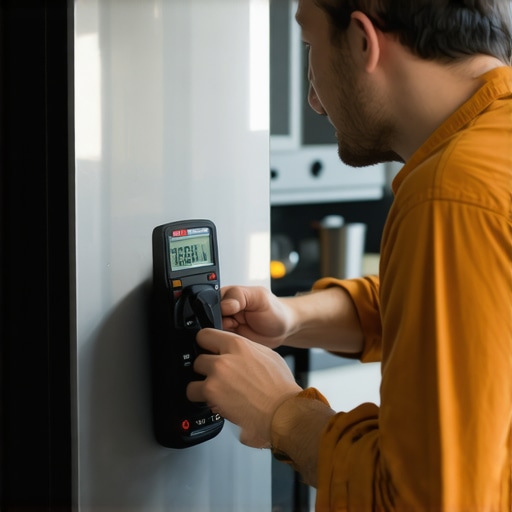
To keep your appliances running smoothly over the years, investing in the right tools is crucial. I personally rely on a digital multimeter like the Fluke 115, because it allows me to quickly test electrical components such as thermostats and switches, ensuring they operate within safe parameters. A microfiber cloth and gentle cleaning solutions are also indispensable for regular interior cleaning, which helps prevent buildup that can cause malfunctions. For more stubborn dirt, a soft scrub brush combined with a mild detergent lets me scrub without scratching surfaces, maintaining the appliance’s appearance and function. When dealing with mechanical parts like dryer belts or washing machine hoses, I use specialized tools such as a belt tension gauge or a hose clamp plier, which make repairs safer and more efficient. Over time, these well-chosen tools save me from costly professional repairs and extend the lifespan of my appliances.
The Value of Preventive Maintenance
Proactive care is a game changer. Regularly inspecting filters, seals, and vents prevents issues before they escalate. For example, I check and clean my refrigerator’s condenser coils at least twice a year, which, according to expert guidance, can significantly improve efficiency and prevent compressor burnout. Similarly, scheduling annual tune-ups for my HVAC system ensures optimal performance and reduces the risk of sudden failures during peak seasons. These steps, combined with a service checklist, help spot minor issues like loose connections or worn parts, allowing me to address them quickly and affordably.
Predicting Future Trends in Appliance Care
The future of appliance maintenance is trending toward smart diagnostics. Equipment integrated with IoT sensors can send real-time alerts when performance dips or parts wear out, enabling timely interventions. I believe this will make maintenance more accessible, reducing downtime and repair costs. As technology advances, I expect apps and automated systems to guide homeowners in troubleshooting common problems remotely, minimizing the need for emergency calls. Embracing these innovations now, by possibly investing in smart appliances or compatible diagnostic tools, can future-proof your home and save money in the long run.
Curious About How to Keep Your Appliances in Top Shape?
One effective strategy is establishing a routine maintenance schedule and utilizing quality tools like a digital multimeter and microfiber cloths. Take the time to review your appliance manuals for specific upkeep recommendations, and consider subscribing to HVAC or appliance maintenance services for annual check-ups. Remember, regular inspections and timely repairs not only extend the life of your appliances but also safeguard your warranty coverage. For example, following manufacturer guidelines and documenting all maintenance activities can be essential if you need to invoke your warranty, as discussed in this article.
Now is a good time to try out advanced preventive tips like cleaning your dishwasher’s hidden lint trap or inspecting your oven’s heating elements for signs of wear. These small but significant steps can prevent costly breakdowns. Start implementing these maintenance moves today to ensure your appliances stay reliable and efficient for years to come!