
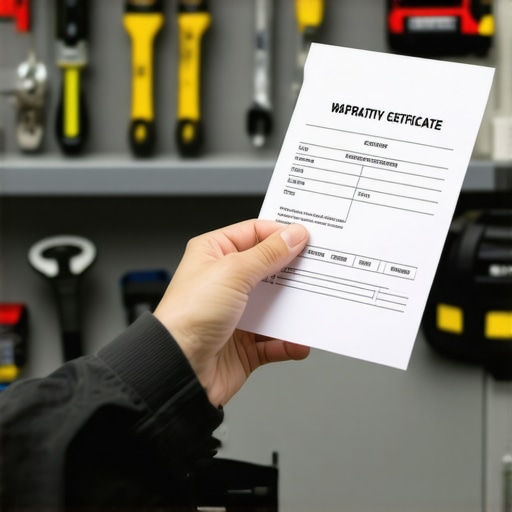
Ever found yourself knee-deep in a DIY repair—maybe replacing a dryer belt or cleaning out that stubborn refrigerator coil—only to suddenly worry if you’ve just jeopardized your warranty? If you’ve been there, you’re not alone. I remember the lightbulb moment when I realized my quick fix might have just cost me hundreds, or even voided my coverage. It was a frustrating twist, and honestly, a bit intimidating trying to figure out if my efforts were a waste or legitimate. That initial panic led me on a journey to understand how to confidently demonstrate that my maintenance didn’t cross any warranty lines.
Why It’s Critical to Protect Your Warranty After a DIY Fix
Knowing how to prove your recent DIY maintenance didn’t void your appliance warranty can save you a lot of money and stress. Warranties are legal guarantees—kind of like a safety net—giving you peace of mind that repairs or replacements won’t break the bank. But many homeowners make the mistake of assuming any tinkering automatically waives that coverage, which isn’t always the case. Actually, manufacturers often specify what kind of maintenance or repairs are permissible without voiding the warranty, and there are clear steps to show your compliance.
I learned this the hard way early on. After tightening some loose water supply connections on my dishwasher, I was nervous when the appliance stopped working. The manufacturer’s warranty manual clearly stated that modifications without proper authorization could be a problem, but I had adhered to the recommended steps outlined in the manual and kept detailed records. That experience was a wake-up call: understanding the exact rules and how to document my repairs saved me from unnecessary costs.
Today, I want to share proven strategies that will help you confidently demonstrate your DIY maintenance efforts, preventing any warranty nightmares. From keeping meticulous records to understanding manufacturer policies, I’ll guide you through the crucial steps to safeguard your coverage and keep your appliances running smoothly.
What if the warranty claim is denied, and you DIY-ed it yourself?
Early on, I made a common mistake—assuming that because I followed online tutorials, I was automatically within warranty bounds. It’s a mistake many homeowners make, thinking that any repair is safe as long as they don’t void the warranty explicitly. But the truth is, manufacturers often have specific clauses about authorized repairs and the use of genuine parts. To avoid this pitfall, always consult your appliance’s warranty documentation and keep evidence of your work, which can be vital if a dispute arises. For more insights on warranty transfer and protection, check out this comprehensive guide.
Document Every Step of Your Repair or Maintenance
After I replaced a faulty water inlet valve on my dishwasher, I took detailed photos and notes of each step I followed. This documentation proved invaluable when I later filed a warranty claim, showing that I adhered to the manufacturer’s guidelines. Remember, taking timestamped photos during your repair process creates a clear record that your work was within authorized limits, much like a police report during an investigation.
Use Genuine Parts and Keep Receipts
I once tried to fix my refrigerator with a generic replacement relay. When warranty service was needed, the technician flagged the non-OEM part, complicating my claim. Always use genuine parts listed in your appliance manual and keep all purchase receipts, as these serve as proof of authorized repairs. Think of it as having your repair receipt stamped with an official seal—without it, your warranty might be more vulnerable.
Consult Manufacturer Policies Before Starting
Before diving into repairs, I read the warranty manual and checked manufacturer websites for authorized repair procedures. For instance, understanding signs of relay failure helped me identify issues accurately. This proactive step ensures you don’t inadvertently void your warranty by using unapproved methods or tools, much like a builder following city codes to avoid demolition notices.
Keep Records of Maintenance and Repairs
Document your routine maintenance or minor fixes with photos, receipts, and written notes. I created a simple spreadsheet listing dates, repairs performed, parts used, and contractor contacts. When the time came to request service for my washing machine, this organized history made the process seamless and protected my coverage. Think of this as your personal warranty passport, showing your commitment to proper upkeep.
Perform Repairs in Authorized Settings
Certain repairs require professional environments or specific procedures. I avoided attempting complex fixes on my own unless well-versed, especially when dealing with gas lines or electrical components, to prevent warranty disputes. For example, professional gas line installation tips highlight the importance of proper procedures. When in doubt, engaging certified technicians for intricate repairs preserves your warranty and ensures safety, akin to a doctor consulting specialists for complex procedures.
Schedule Same-Day Repairs When Necessary
If your appliance shows signs of imminent failure—like a refrigerator compressor nearing death—act quickly. I contacted a certified repair service immediately when I noticed my freezer was only cold on the bottom shelf, referencing symptoms of compressor failure. Same-day service not only minimizes damage but also documents prompt action, which benefits warranty claims by showing you responded within manufacturer recommended timeframes. This fast response is like stopping a small leak before it floods your basement.
Be Aware of Warranty Limitations and Conditions
Understand the specific clauses in your warranty, such as restrictions on repairs during remodeling or specific water conditions. I learned that hard water can jeopardize warranties by damaging internal components, so I installed water filtration and documented it. For insights on water damage, visit warranty-impact of water hardness. Staying within the defined limits and maintaining compliance helps ensure your warranty remains valid, much like following the speed limit keeps you out of trouble with law enforcement.
Many homeowners operate under the misconception that any DIY repair automatically voids their appliance warranty, but the reality is often more nuanced. Manufacturers typically specify what constitutes authorized repairs and what doesn’t, meaning that following proper procedures and documentation can keep your coverage intact. For example, using genuine parts and recording every step of your repair can serve as crucial evidence if a warranty dispute arises. A common mistake is neglecting to understand the specific clauses in your warranty, especially regarding complex repairs like gas line work or electrical fixes, which often require professional intervention. Engaging in advanced DIY tasks without thorough knowledge can inadvertently trigger warranty exclusions, so always consult manufacturer policies beforehand.
Another overlooked aspect is the importance of timely service, especially when signs of imminent failure appear. For example, ignoring the early symptoms of a dying refrigerator compressor—such as inconsistent cooling or unusual noises—can lead to more extensive damage and higher repair costs. Recognizing these signs early and scheduling same-day repairs not only minimizes damage but also demonstrates proactive maintenance, which can be beneficial during warranty claims. For instance, if your water supply is causing water damage, understanding that hard water can damage internal components is vital; installing water softeners and documenting these modifications can safeguard your warranty, as emphasized by experts in appliance maintenance.
What many fail to realize is that warranty conditions often include specific environmental and usage factors. For example, operating your appliance outside recommended voltage ranges or neglecting regular maintenance can void coverage—a trap worth avoiding. Keep aware of particular limitations such as the impact of water quality on certain appliances or the necessity of proper installation. An incorrect installation, like improper drain hose positioning, might not void the warranty outright but can complicate claims when issues arise.
Ever wondered why some repairs seem to complicate warranty claims even when you followed all guidelines?
This often stems from overlooked fine print in the warranty contract—details about authorized repair centers, use of specific replacement parts, or environmental conditions. Failing to adhere strictly to these can lead to denial of claims, even if your repair was technically correct. To avoid this, keep detailed records, including photos and receipts, and always consult official guidelines before attempting repairs. External sources, like expert studies on consumer rights, show that understanding and documenting your repair activities significantly influence warranty outcomes. Learn more about signs of appliance failure, and ensure you’re not caught unprepared when issues develop. Have you ever fallen into this trap? Let me know in the comments.
Keeping It Working: My Top Tool Picks for DIY Repairs
If you’re like me, maintaining your appliances isn’t just about quick fixes—it’s about ensuring long-term functionality and avoiding future breakdowns. Over the years, I’ve found that having the right tools can make all the difference, turning a daunting task into a manageable project. Let me share some precise tools I personally rely on that have proven their worth during countless repairs.
Digital Multimeter: This is my go-to for diagnosing electrical issues. I use the Fluke 87V because of its accuracy and durability. It helps me test voltage, continuity, and resistance with confidence, which is crucial when working on components like fridge compressors or oven timers. Investing in a quality multimeter ensures you catch hidden problems before they escalate.
Infrared Thermometer: Spotting temperature anomalies in appliances like dryers or refrigerators is easier with a non-contact infrared thermometer. I prefer the Etekcity Lasergrip 1080 because it provides quick readings and helps verify if components like coils or motors are operating within safe temperatures. This tiny device is essential for preventive maintenance, as overheating often signals impending failure.
Precision Screwdriver Set: Appliance repair often involves tiny screws in tight spaces. My trusted Wiha Precision Screwdriver Set has magnetized tips for easy handling of small fasteners. It reduces the risk of stripping screws and allows me to work efficiently, especially when replacing parts like water inlet valves or control panels.
Vacuum Cleaner with Narrow Attachments: Dust and lint can cause serious issues, particularly in vents and filters. I use the Dyson V11 with crevice tools to clear out vents, motor blowers, and filter housings. Regular cleaning prolongs appliance life and can prevent overheating or motor burnout.
How do I maintain my tools over time?
To ensure longevity, I keep my tools clean, store them properly in a dedicated toolbox, and periodically test them to confirm accuracy. Replacing worn-out parts like screw tips or batteries prevents setbacks during urgent repairs. Maintaining your toolkit is as vital as the repairs themselves because reliable tools mean reliable results.
Looking ahead, I predict that technology integration will become increasingly important. Smart tools—for example, Bluetooth-enabled multimeters—will offer real-time diagnostics and data logging, making maintenance more precise and less time-consuming. As tools evolve, staying current with these innovations will help you stay ahead of appliance issues.
Interested in a game-changing tip? Try incorporating a dedicated digital multimeter into your repair kit if you haven’t already. It can save you hours of troubleshooting and prevent unnecessary part replacements. Trust me, mastering the use of your multimeter will dramatically improve your repair success rate.
Lessons that Saved Me From Warranty Woes
- Trusting my instincts without reading the fine print often led to unnecessary denial of warranty claims, teaching me the importance of understanding all warranty conditions before starting any repair.
- I learned the hard way that documentation is king—taking photos, saving receipts, and keeping repair logs have become my armor when dealing with warranty disputes.
- Using genuine parts might seem pricier upfront, but it’s a small price for peace of mind and ensuring your warranty stays valid during future service needs.
- Timely professional consultation on complex repairs can preserve your warranty and prevent small issues from becoming major expenses — don’t skip the diagnostic step!
- Being aware of environmental factors like water quality can make the difference between a warranty that lasts and one that’s voided — simple upgrades like water softeners can save money long-term.
Tools and Resources That Made a Difference
- Digital Multimeter: I trust the Fluke 87V for accurate electrical diagnostics, preventing unnecessary part replacements and saving me money.
- Infrared Thermometer: The Etekcity Lasergrip helps me spot overheating components early, catching potential failures before they escalate.
- Genuine Replacement Parts: Always sourcing parts from official suppliers ensures compatibility and keeps my warranty intact.
- Official Manufacturer Manuals: Reading and following the manufacturer’s guidelines has been invaluable in avoiding warranty pitfalls.
Your Next Move—Embrace Confident Maintenance
Protecting your appliance warranty after DIY repairs isn’t just about following rules; it’s about empowering yourself to troubleshoot smartly and responsibly. The more you learn about manufacturer policies, document your efforts meticulously, and use the right tools, the more confident you’ll be in keeping your appliances running smoothly and your warranty safe. Remember, a proactive approach transforms ordinary DIY fixes into long-term money savers and peace-of-mind guarantees. Don’t let fear hold you back—take charge of your appliance care today and enjoy the benefits of knowledgeable maintenance.
Have you ever faced a warranty challenge after a DIY repair? Share your experience below — I’d love to hear your story!
}#