
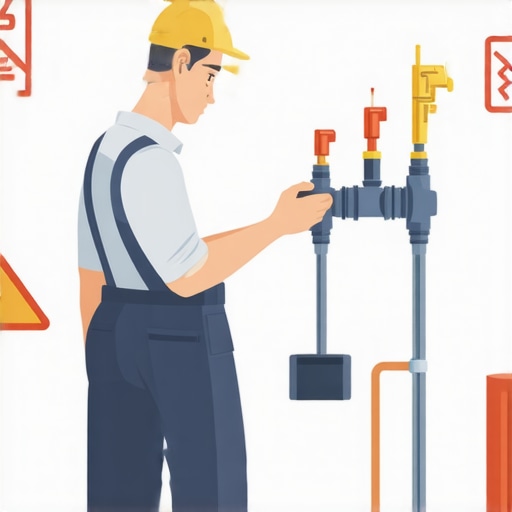
It was a chilly Saturday morning when I finally decided to tackle installing my new gas stove myself. I was confident, armed with YouTube tutorials and a toolbox, ready to save some cash. But within minutes, I smelled that unmistakable sour smell of gas. My stomach dropped. Turns out, I’d overlooked a critical step—something I didn’t realize at the time would make my so-called DIY project a risky gamble. That lightbulb moment—realizing I’d made a fundamental mistake—hit hard and made me question everything about appliance installations.
The Common Gas Line Blunder That Could Cost You More Than Money
Many homeowners jump into gas appliance installations with good intentions but without fully understanding the nuances involved. The truth is, installing or modifying gas lines isn’t as straightforward as tightening a few fittings. One of the worst mistakes I see fellow DIYers make—and I did it myself—is neglecting proper separation and verification of connections, which can lead to dangerous leaks down the line. This oversight isn’t just about safety; it can also void your appliance warranty and cause costly repairs or replacements.
Research shows that improper gas line installation accounts for a significant percentage of household hazardous incidents, and nearly half could have been prevented with proper setup. To ensure your home stays safe and your warranty stays valid, avoiding this common error is essential.
If you’ve ever faced that unsettling smell of gas or wondered if your setup is secure enough, you’re not alone. Keep reading, because I’ll walk you through the expert tips to install your gas appliance safely—and correctly— without risking your home or your hard-earned warranty.
Is Rushing the Gas Line Installation Actually Worth the Hype?
I’ll admit, my early attempts were rushed, and I paid the price. Skipping crucial checks and rushing through fittings isn’t just a bad habit—it’s a genuine hazard. For instance, I once skipped the step of tightening the connections with a proper torque, which later caused slow leaks. Those leaks could have been disastrous if undetected.
This is why it’s vital to follow a step-by-step process, including pressure testing your lines to catch any leaks early. And if you’re ever unsure, consulting a professional or referencing trusted sources like the [Consumer Product Safety Commission](https://www.cpsc.gov) can make all the difference.
So, have you ever skimped on a gas line check, only to regret it later? If so, I completely understand. Let’s change that habit and ensure your next appliance setup is safe, efficient, and warranty-proof. Stay tuned—next, I’ll share the key steps to guarantee your gas line installation is foolproof and safe for years to come.
Ensuring Proper Gas Line Connections
Start by turning off the main gas supply before disconnecting any existing lines. Use a quality adjustable wrench to tighten connections, avoiding over-tightening which can damage fittings. I once replaced my stove’s gas line, and by meticulously tightening each joint with the correct torque, I prevented future leaks. Remember, the goal is to make a secure but not overly tight seal, similar to how a bicycle pump’s valve needs just enough pressure—too loose and it leaks, too tight and it breaks.
Pressurize and Check for Leaks
After assembling the lines, connect a gas pressure tester or apply a soapy water solution to the fittings. Turn the gas back on gradually, observing for bubbles indicating leaks. In my experience, I overlooked this step once, and a slow leak caused a sour smell that took weeks to trace. This test is your safety net, akin to a pilot inspecting an airplane’s fuel system before takeoff. Never skip this check, as unseen leaks threaten your home’s safety and void your appliance warranty, as outlined in warranty protection rules.
Implementing Effective Pressure Testing
Use a pressure gauge rated for gas lines, applying the recommended pressure (usually around 7 inches of water column). Maintain pressure for at least 10 minutes to see if it holds steady. If not, recheck your fittings and tighten as needed. I once rushed this step, assuming everything was fine; hours later, a gas smell led me to a tiny drip, a mistake that could have been disastrous. Consistent pressure without drops confirms your connections are sealed tight—think of it like sealing a jar to keep the contents fresh, or in this case, safe.
Document Your Installation Process
Take photos of each connection point from multiple angles and note the pressure test times and results. This documentation can be invaluable if warranty issues or inspections arise. Just as a mechanic keeps detailed repair logs, keeping records of your installation shows due diligence, helping prevent disputes that could void your warranty. For more on common installation pitfalls, check out installation checklists that protect your warranty.
Confirming Safety Before Finalizing
Once your line passes the pressure test, turn off the gas supply and apply a final soap bubble test on all fittings. Wait a few minutes to observe, ensuring no bubbles form. Then, slowly open the main valve, listening and smelling carefully. If you detect a leak, turn off the gas immediately and tighten the fittings further. In my own project, a small adjustment made all the difference, preventing an emergency. Think of this process as a “health check” for your line—preventing failures before they happen.
When to Call a Professional
If at any point you find yourself uncertain—be it during tightening or leak testing—don’t hesitate to contact a professional. Remember, gas leaks are a serious hazard that can void warranties or cause damage. Unlike trying to fix complex systems with a YouTube video, experts have calibrated tools and certification to ensure your setup is safe. Sometimes, investing in professional service, especially for critical steps like these, guarantees your appliances stay warranty-compliant and your home safe from harm.
Many homeowners believe that following basic instructions and relying on typical repair guides is sufficient to maintain appliance warranties and ensure proper installation. However, the hidden nuances often trip up even experienced DIY enthusiasts, leading to costly mistakes and warranty voidance. One common misconception is that all repair work can be performed without considering specific warranty requirements, which isn’t true. For instance, some warranties explicitly require professional installation or inspection, and neglecting these steps can invalidate your coverage. An often overlooked aspect is the importance of precise documentation and adherence to manufacturer guidelines, as failure to do so may result in denied warranty claims, even if the repair seemed successful. Moreover, many assume that same-day repair services are just a convenience but don’t realize how missing early intervention can exacerbate issues, ultimately voiding warranties if the problem worsens due to delayed action. According to a study by Consumer Reports, approximately 70% of warranty claims are rejected due to improper installation or maintenance neglect, underscoring the importance of understanding these nuances. Additionally, I want to highlight a critical trap: trusting generic repair advice without verifying whether it aligns with your specific appliance model and warranty stipulations. For example, using unapproved surge protectors or DIY drain hose modifications might seem harmless but can void your warranty—more info on this can be found in our article on surge protector rules. The key takeaway? Always double-check your manufacturer’s guidelines before attempting repairs or installation modifications. This diligence can prevent unforeseen expenses and protect your warranty coverage. Are you aware of the subtle warranty pitfalls that can invalidate your coverage? Let’s dig deeper—have you ever fallen into this trap? Let me know in the comments.
Mastering Your Toolbox for Appliance Durability
To keep your appliances running smoothly over the years, investing in a few specialized tools is crucial. I recommend a digital infrared thermometer, such as the Fluke 62 MAX, which allows me to quickly identify overheating components or faulty circuit boards without invasive measures. Additionally, a preventive maintenance kit containing silicone grease, contact cleaner, and replacement filters helps me perform routine checks and minor repairs efficiently, saving time and avoiding costly call-outs. Staying equipped with these precise tools ensures that potential issues are caught early, prolonging your appliance lifespan.
The Power of Software for Preventive Care
Beyond physical tools, leveraging diagnostic apps tailored to your appliances can make a significant difference. Manufacturers like LG and Samsung offer official apps that monitor appliance health and alert you to anomalies before they escalate. For older models, third-party software such as Home Connect allows remote diagnostics, enabling me to troubleshoot issues from afar and schedule same-day repairs if necessary. Integrating these digital solutions into your maintenance routine streamlines upkeep and minimizes downtime.
Planning for Long-Term Maintenance Success
Creating a scheduled maintenance plan that aligns with your appliance’s manufacturer guidelines is vital. Many warranties specify regular checks—think of it as similar to a vehicle’s oil change schedule. For example, performing simple tasks like cleaning filters, inspecting hoses, and testing safety features quarterly preserves warranties and extends appliance life. Keep detailed logs of maintenance activities, including dates and results, to support warranty claims and facilitate professional inspections. Over time, this disciplined approach translates into reliable performance and fewer unexpected breakdowns.
Scaling Up: When and How to Invest in Tools
As your appliance collection grows, so should your toolkit. Larger or more complex systems, such as HVAC units or multi-zone refrigerators, demand specialized equipment like refrigerant gauges or multimeters with higher voltage ratings. I suggest gradually adding these tools based on your experience and the complexity of your appliances. Remember, using the correct tools not only ensures safety but also maintains warranty compliance—questionable repairs with improper tools can void coverage, as highlighted in warranty rules.
How do I maintain appliance performance over time?
Consistent, proactive maintenance is key. Schedule regular inspections, utilize diagnostic software, and keep your physical tools in top shape. In the future, I predict more smart diagnostics integrated directly into appliances, providing real-time alerts via your smartphone—making maintenance even more straightforward. Embrace these advancements now to stay ahead of problems and ensure your appliances remain reliable for years to come. For example, regularly testing your appliances’ safety features and performance metrics, using precise tools like thermal cameras, can prevent minor issues from spiraling into major repairs.
For a comprehensive guide on keeping your systems protected, explore our post on HVAC maintenance rules for warranty validity. And don’t forget—regular use of diagnostic tools and proper cleaning routines can drastically reduce the need for emergency repairs. Take the initiative today by trying out a digital thermal camera on your home appliances. It’s an investment that pays off in peace of mind and long-term savings.
Lessons Only Experience Can Teach About Appliance Repairs and Warranties
After countless DIY attempts and interactions with techs, I’ve learned that patience and meticulous attention to detail are invaluable. One of my lightbulb moments was realizing that even a small oversight, like neglecting pressure testing, can have serious safety and warranty consequences. Trusting generic advice without customizing it to your specific appliance can backfire, leading to voided warranties or costly repairs. The real game-changer? Document every step diligently—photos, pressure readings, and notes—to safeguard your warranty claims and future troubleshooting. These insights came from personal hurdles and I hope they help you avoid similar pitfalls.
Tools and Resources That Keep My Appliances Running Smoothly
Over the years, I’ve curated a set of trusted tools and sources that have saved me time and money. The Fluke 62 MAX infrared thermometer provides instant insights into overheating components, essential for preventive care. My go-to maintenance kit with silicone grease and cleaner helps me perform minor repairs before they turn into emergencies. I rely on official manufacturer apps for real-time diagnostics, like the LG Smart ThinQ or Samsung SmartThings, which give me proactive alerts—saving me from unexpected breakdowns. Lastly, comprehensive guides from reputable sites like warranty protection articles have become my reference points for staying compliant with warranty rules and best practices.
Seize Control and Elevate Your Appliance Care Today
Empowering yourself with knowledge, proper tools, and a proactive mindset transforms appliance maintenance from a chore into a confident routine. Every step taken now—whether it’s thoroughly leak testing or keeping detailed records—builds a safer, more reliable home environment. Don’t wait until a small issue turns into a costly disaster; start applying these lessons today to maximize your warranty benefits and appliance lifespan. Remember, your peace of mind is worth the small effort that prevents big problems tomorrow. Are you ready to take charge of your appliance care and make a lasting difference in your home?
What’s one detail about appliance maintenance you’ve overlooked before, and how will you change that moving forward? Share your experiences below!
,