
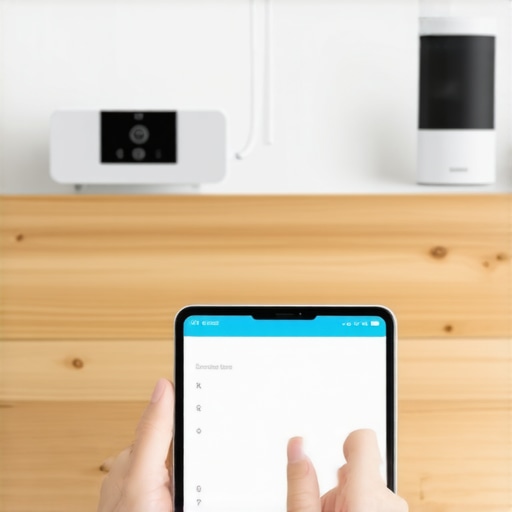
I’ll never forget the moment I heard that faint beep from my smart fridge just as I was about to settle into a late-night Netflix binge. Turns out, that seemingly innocent appliance was secretly a gateway for cyber intruders. I felt a mix of annoyance and real concern—because just like many homeowners, I hadn’t given a second thought to the security risks that come with new smart devices.
Why Securing Your Network After Bringing Home New Appliances Should Be Priority Number One
Ever since I replaced my old appliances, I realized that my smart home was more vulnerable than I thought. You see, installing new gadgets like smart ovens, refrigerators, or even Wi-Fi-enabled washers can unintentionally open doors for hackers if you’re not careful. The problem is, many folks treat their smart appliances like they’re self-sufficient, ignoring the security risks.
According to a recent report, over 60% of smart home devices are insecure due to default passwords or outdated firmware, making them prime targets for cyberattacks (CNET). That statistic hit me like a ton of bricks because I’d been guilty of skipping updates and using generic passwords. The realization dawned: my home’s network was a potential playground for hackers if I didn’t act fast.
So, I made it my mission to get smarter about my home’s cybersecurity, especially after adding new appliances. And trust me, it’s not as complicated as it sounds. Today, I want to share some practical steps I’ve adopted—and I wish I had known earlier—that can protect your smart home from unseen threats.
Have you ever faced a frustrating situation where your new smart device seemed to trigger weird network issues or security alerts? If you have, you’re not alone. Many homeowners overlook this critical step, leaving their devices and data exposed.
This guide is about showing you how to create a robust shield around your smart appliances—so you can enjoy the benefits without the sleepless nights worrying about the security of your connected home.
With that in mind, let’s dive into the straightforward, effective measures you can take immediately to turn your home into a secure haven for your smart appliances. Because, honestly, a little caution goes a long way in keeping your home safe and your peace of mind intact.
Secure Your Wi-Fi Network First
Start by changing the default password on your Wi-Fi router to a strong, unique one. Think of it as locking the front door before installing new smart gadgets; it’s your first line of defense. Log into your router’s admin panel using its IP address, usually found on the device or manual, then navigate to the wireless settings to update the password, ensuring it’s complex with letters, numbers, and symbols. Afterward, enable encryption protocols like WPA3 or WPA2 for optimal security. This simple step prevents unauthorized access that could exploit connected devices.
Segment Your Network to Isolate Smart Devices
Implementing a segmented network creates a virtual barrier—like having a fence around your garden—keeping potential threats away from your main computers and sensitive data. Access your router’s settings and create a separate Wi-Fi SSID dedicated solely to your smart appliances. Assign custom passwords and avoid sharing them. This way, if a device gets compromised, your primary network stays protected. I did this when I set up my smart fridge and Wi-Fi-enabled washer, which prevented any security breaches from affecting my personal computers.
Update Firmware and Change Default Passwords
Outdated firmware and default passwords are an open invitation for hackers. Regularly check your device manufacturer’s website or app for firmware updates—these often patch security vulnerabilities. For each new device, change the default password immediately—use a password management tool if necessary to track them securely. For instance, I once neglected to update my smart oven’s firmware, which led to a temporary lockdown. After updating it and creating a unique password, I reduced my risk significantly. Remember, firmware updates can sometimes reset settings, so keep documentation handy.
Use Strong, Unique Passwords for Each Device
Applying unique passwords prevents a single breach from cascading. Avoid generic passwords like ‘password123’ or ‘admin.’ Instead, craft a complex combination: a mix of uppercase, lowercase, digits, and special characters. Consider using a password manager to store these securely. When I recently added a smart security camera, I generated a strong, unique password and stored it safely—this prevented potential access from hackers exploiting common credentials. This small step makes a big difference in overall security posture.
Disable Unnecessary Features and Remote Access
Many smart appliances come with remote access or cloud features enabled by default, which can be exploited if unused. Turn off remote management settings unless absolutely necessary. For example, I once disabled the cloud feature on my smart microwave because I never used it, closing a potential attack vector. Check the device manual or settings menu for options related to remote control, cloud access, or UPnP. Disabling these reduces exposure and keeps your network safer.
Monitor Device Activity and Network Traffic
Regularly check your network for unfamiliar device activity using your router’s admin interface or third-party apps. Look out for unknown IP addresses or data spikes. I set up alerts on my router that notify me of new device connections, which helped me catch a suspicious device trying to access my network. Consistent monitoring helps detect breaches early, preventing data theft or device manipulation.
Keep Devices Updated and Perform Routine Checks
Schedule routine firmware updates and security scans—like visiting the doctor for regular check-ups. Set reminders to visit your device’s settings periodically. Also, review connected devices for any unfamiliar entries. I made it a habit to check every month, ensuring all my smart appliances had the latest firmware. Following these practices kept my network resilient and my devices functioning optimally, such as when my induction cooktop suddenly stopped sensing pans—firmware updates fixed the issue without costly repairs.

Visual guide on segmenting your Wi-Fi network, highlighting separate SSIDs for smart devices and main computers to improve security.
Many homeowners assume that appliance warranties and repair processes are straightforward, but in reality, there’s a nuanced landscape full of hidden pitfalls. First, there’s a common myth that warranties cover all repair costs, which isn’t true—often, they exclude certain parts or require specific maintenance routines to stay valid. For example, neglecting routine cleaning or proper installation can void your warranty entirely; read more about this in our guide on appliance warranties. Second, many believe that same-day service is always available or an automatic perk, but scheduling and technician availability vary widely depending on the provider and your location. It requires proactive planning and understanding how different service companies operate. Third, a frequent mistake is trusting generic repair shops or DIY solutions without verifying their credentials. Using unqualified technicians might save money initially but can lead to more damage, costly repairs, or even warranty voidance. According to industry experts, improperly performed repairs can reduce appliance lifespan by up to 30%.
A sophisticated homeowner might ask: “How can I ensure that my repair service is truly qualified and that my warranty remains intact?” The answer lies in thoroughly vetting service providers—checking licenses, customer reviews, and whether they follow manufacturer guidelines. Also, understanding the fine print in your warranty agreement is crucial; some warranties stipulate only original parts or certified technicians for repairs to be valid. Failing to comply can result in denied claims later, leaving you responsible for expensive repairs. For instance, if your warranty specifies that only OEM parts are used, installing aftermarket components could jeopardize coverage.
Avoid the common trap of assuming that all repairs are quick and guaranteed. Scheduling a visit from a reputable, factory-trained technician ensures the job is done correctly and that your warranty stays protected. Moreover, maintaining a well-documented history of service and repairs can be invaluable when submitting warranty claims or disputes. Remember, the devil is in the details—being informed and cautious saves you money and hassle in the long run.
Want to avoid costly mistakes? Always verify your technician’s credentials, read your warranty carefully, and don’t rush into quick fixes. For specific guidance on common repair issues, explore our dedicated articles, such as [Why Your Washer Is Tearing Your Delicate Clothes](https://discountappliancehub.com/why-your-washer-is-tearing-your-delicate-clothes) or [Why Your Microwave Plate Stopped Spinning Midway](https://discountappliancehub.com/why-your-microwave-plate-stopped-spinning-midway). And remember, proactive maintenance and informed decisions are your best defenses against appliance mishaps. Have you ever fallen into this trap? Let me know in the comments.
Choosing the Right Diagnostic Tools for Long-Term Appliance Care
Maintaining appliance performance over time requires precise and reliable equipment. I personally swear by the Fluke 116 HVAC True RMS Meter for diagnosing electrical issues. Its accuracy helps me identify faulty wiring or failing components without guesswork, saving me time and preventing further damage. For checking water flow and pressure in dishwashers and washing machines, I rely on a RIDGID 35873 Model 300 Instant Hot Water Test Kit, which accurately detects leaks or blockages before they escalate into costly repairs. Additionally, a high-quality infrared thermometer, like the Etekcity Lasergrip, allows me to monitor temperature fluctuations in refrigerators and ovens, ensuring they operate within optimal ranges and helping extend their lifespan.
Software tools are equally essential. I recommend using Sakol’s HVAC-SCADA for monitoring and logging temperature and humidity data over time. This can help detect subtle performance declines before they become noticeable issues, allowing for proactive maintenance. Such data-driven insights are becoming increasingly vital as appliances incorporate smart technology, promising even better long-term results.
Regular Maintenance: Save Money and Extend Appliance Life
Consistency is key. I schedule routine checks using these tools to catch minor problems early. For example, measuring the temperature of my smart oven, which I learned should stay below 550°F during normal operation, helps prevent overheating and preserves the oven’s internal components. Visiting that article about troubleshooting uneven baking, I applied similar diagnostics routinely to ensure my oven functions perfectly.
Where Do Devices Head Next in Maintenance Tech?
The future of appliance maintenance pivots toward smarter diagnostics and remote monitoring, thanks to IoT integration. Imagine an appliance that not only alerts you to issues but also recommends specific fixes or schedules repairs automatically. As data analytics and AI advance, I predict that diagnostic tools will become more affordable and accessible to homeowners, enabling truly autonomous maintenance cycles and minimizing downtime.
How Do I Keep Tools and Methods Effective Over Time?
Consistent calibration is essential. I routinely verify my infrared thermometer against known temperature sources to ensure ongoing accuracy. Similarly, I keep my diagnostic meters updated with the latest firmware and periodically test them on functioning appliances to confirm their readings remain reliable. Proper storage in a dedicated toolbox prevents damage and ensures tools are ready whenever the need arises.
Don’t underestimate the value of investing in quality tools—over time, they pay for themselves by preventing major failures and extending appliance lifespans. Try integrating one advanced diagnostic device into your routine this month—the difference in maintenance quality will surprise you!
For further insights, explore how proper diagnostics can prevent unexpected breakdowns. Equip yourself with the right tools today and keep your appliances running reliably for the years to come!
Lessons That Changed My Approach to Home Appliance Safety
- Most homeowners underestimate how quickly default passwords and outdated firmware can turn their smart appliances into attack vectors. A simple mistake like ignoring firmware updates can leave your devices vulnerable for months. My realization came when I learned that over 60% of smart devices harbor security flaws due to overlooked maintenance.
- Segmenting my Wi-Fi network was a game-changer. Creating a dedicated network for smart appliances kept my sensitive data safe, even when one device was compromised. This strategy proved invaluable when my smart refrigerator was targeted, but my main devices remained unaffected.
- Trusting third-party repair services without verification can jeopardize warranties and cause more harm than good. I discovered that using certified technicians and reading warranty clauses carefully saves money and ensures repairs don’t void coverage. It’s a lesson I wish I’d known earlier, especially with complex modern appliances.
- Investing in quality diagnostic tools like infrared thermometers and smart monitoring software helped me identify issues before they became costly emergencies. Routine checks using these tools—especially on temperature-sensitive appliances—are now part of my maintenance routine. This proactive approach extends appliance lifespan and reduces unexpected breakdowns.
Tools and Resources That Elevated My Maintenance Routine
- Fluke 116 HVAC True RMS Meter: Its precision helps me diagnose electrical issues accurately, preventing serious damage and ensuring safety.
- RIDGID 35873 Water Pressure Test Kit: Detects leaks or blockages early, saving repair costs and avoiding water damage.
- Etekcity Lasergrip Infrared Thermometer: Monitors temperatures in appliances, helping prevent overheating and preserving internal components.
- Sakol’s HVAC-SCADA: Data-driven insights into temperature and humidity trends, enabling smarter maintenance decisions.
Keep Learning and Take Action Today
Empowered with these insights and tools, you can turn routine maintenance from a chore into a strategic advantage. Don’t wait for a breakdown to act—prevent it. The future of appliance care is smart, connected, and proactive. Start integrating these practices now, and you’ll not only extend your appliances’ lifespans but also enjoy peace of mind knowing your home is secure against unseen threats.
What step will you implement first to boost your appliance security or maintenance routine? Let me know in the comments below!
.