
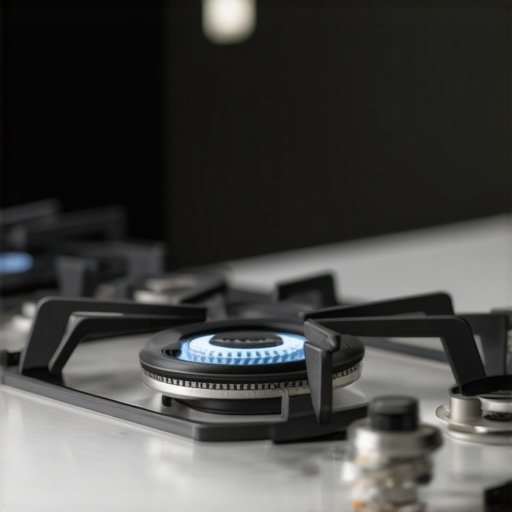
It happened just last weekend. I finally decided to give my gas stove a thorough deep clean—scrubbing away grease, grime, and those stubborn burnt-on bits. I was proud of myself, thinking I’d finally get rid of that lingering post-clean smell. But instead, I was met with a terrible, sulfuric odor that made me question every angle of my kitchen. Turns out, that rotten egg smell isn’t just a bad aroma—it’s a sign that something’s off, and ignoring it can lead to bigger issues.
The Unexpected Run-In with the Sulfur Smell
Honestly, I was baffled. I thought deep cleaning would refresh my stove, not turn it into a source of foul fumes. The smell was so strong I couldn’t cook without discomfort. That’s when I started digging—what exactly causes this? Why does my usually reliable gas stove emit rotten egg odors after a deep clean? I learned that the problem often stems from residual sulfur compounds and gas leak indicators reacting with cleaning agents. And trust me, this isn’t something you want to ignore. According to the U.S. Consumer Product Safety Commission, sulfur smells in gas appliances can indicate the presence of natural gas, which, in high concentrations, poses serious health risks, including respiratory issues and even explosions if unchecked.
So, if you’re smelling sulfur or rotten eggs after cleaning, you’re probably not imagining things—and it’s definitely time to act.
Have You Faced This Odor Issue Before?
If you’ve cleaned your gas stove and immediately noticed a sulfur or rotten egg smell, you’re not alone. Many homeowners experience this frustrating problem that can seem mysterious and alarming, especially when you’re just trying to get everything spotless. What I wish I knew earlier is that some common mistakes during cleaning can inadvertently cause or intensify this odor, making the situation worse rather than better. Early missteps, like using incompatible cleaning agents or neglecting to check for gas leaks, can turn a simple cleaning session into a safety hazard. You can read more about this common mistake and how to avoid it in my detailed guide on gas stove maintenance. In the next section, I’ll walk you through why these smells happen and what you should do immediately to ensure your safety and restore your stove’s proper function.
Start by Ventilating Your Kitchen
Open windows and run exhaust fans immediately after cleaning to disperse lingering odors. In my experience, doing this for at least 15 minutes significantly reduces initial fumes and provides a safer workspace for subsequent steps.
Check for Gas Leaks Safely
Before proceeding further, ensure there’s no gas leak—smell for continuous gas odors or hissing sounds. If you suspect a leak, turn off the gas supply at the valve, ventilate the area, and contact a professional. Remember, gas leaks are serious and should never be ignored; for quick guidance, consult this gas leak troubleshooting guide.
Clean Residual Sulfur Compounds
Use a mixture of baking soda and water to scrub any residual sulfur-based deposits from burners and the stovetop surface. I once applied this during a messy cleaning session, and it effectively neutralized persistent odors. Apply the paste, let it sit for 10 minutes, then wipe clean with a damp cloth.
Ensure Proper Ventilation of Gas Lines
Sometimes, cleaning detergents react with residual gas or sulfur compounds, causing odor issues. To prevent this, disconnect the gas line if comfortable and allow it to air out for a few hours. Alternatively, running your range’s ventilation fan on high during this process can help eliminate fumes. This step is akin to opening a window during cooking to prevent smell buildup and is crucial in eliminating lingering sulfur scents.
Inspect and Clean Your Gas Burners
Blockages or debris in burners can cause incomplete combustion, which releases sulfuric odors. Remove burners, soak in warm, soapy water, then scrub with a soft brush. Be cautious to dry completely before reassembling, preventing ignition problems later. As a tip, regularly cleaning burners can prevent the buildup of grime that contributes to smells and efficiency issues.
Replace Any Faulty Components
If odors persist, faulty or worn-out parts like igniters or gaskets might be the culprit. Check your appliance manual for guidance on replacing these parts or consult a professional. For example, a cracked gasket could cause gas leaks, leading to smell and safety risks. Always prioritize safety and consider professional repairs if you’re unsure.
Test Your Stove and Monitor Odor Levels
Once cleaned and reassembled, turn the stove on to ignite burners. Allow it to run for 15–20 minutes while monitoring for any lingering smells or irregularities. If the rotten egg smell is gone, you’ve successfully addressed the issue. Should it persist, professional inspection might be necessary, especially if gas smell intensifies.
Remember, dealing with gas-related odors is not just about comfort—it’s about safety. When in doubt, consult a certified technician, especially if you notice any hissing sounds, gas leaks, or persistent smells that DIY steps don’t resolve. These proactive measures ensure your kitchen remains a safe and pleasant space, free of hazardous odors.
,When it comes to appliance installation and repairs, many homeowners operate under common assumptions that can lead to costly mistakes. Everyone believes that a straightforward install or quick repair is all it takes, but beneath the surface lie nuances that can make or break the longevity and safety of your appliances. For example, many think that following the instruction manual is enough, but in reality, professional expertise often uncovers hidden wiring issues or improper ventilation setups that amateurs overlook. Such oversights can void warranties—like the importance of correctly positioning your refrigerator’s drain pan or properly sealing gas lines, which are critical to maintaining warranty coverage and appliance performance.
Another frequent myth is that same-day service always guarantees a fix on the spot. While this might be true in some cases, advanced issues such as defective control boards or complex gas leaks require diagnostic thoroughness and sometimes multiple visits. Quick fixes may temporarily mask problems, but they rarely prevent future failures. It’s crucial to understand the specific limitations of rapid service and ensure that technicians are qualified to handle your appliance’s intricacies. For instance, attempting DIY repairs on gas ranges without proper knowledge can be dangerous, especially if you’re unaware of the nuances involved in gas line connections, which, according to safety experts, should always be handled by certified professionals.
So, how can you avoid falling into these common traps? The key lies in knowing that technical details matter more than most assume. For example, the placement of your microwave fan or the calibration of your convection oven can significantly influence performance and energy efficiency. Always verify that repair technicians are properly certified—an oversight here can lead to invalidated warranties, as highlighted in industry reviews. Furthermore, understanding the fine print in warranty agreements can reveal that certain installation or repair actions, like using non-OEM parts, can void your coverage completely.
What about the hidden traps during appliance installation that almost no one mentions? Take, for instance, the critical power surge rules that, if ignored, can damage your smart appliances or void their warranties. Being aware of these nuances turns a simple repair or installation into a stress-free experience. To deepen your knowledge, you can explore detailed guides on specific issues such as preventing refrigerator leaks or avoiding the pitfalls of improperly installed dishwasher drain hoses. Remember, when in doubt, always consult experts who understand these subtle but vital nuances—it’s a small step that can save you big money.
Have you ever fallen into this trap? Let me know in the comments.
The Secret to Durable Appliances Lies in the Right Tools
Ensuring your appliances stay in excellent condition over years requires more than just basic upkeep. I swear by specific tools that make maintenance efficient and effective. For instance, I personally use a digital multimeter from Fluke—it’s precise, reliable, and helps me quickly detect electrical issues in my appliances. When testing connections or diagnosing potential faults, this tool saves me time and prevents unnecessary guessing.
Another essential item I recommend is a detailed appliance service manual. Having the correct manual, like the one from the manufacturer, ensures you follow the right procedures for cleaning, calibration, or replacement. It also guides you on warranty-specific requirements, which is crucial because improper repairs can void your coverage.
Tools for Precision Cleaning and Maintenance
I also rely heavily on a specialized microfiber cleaning cloth and a soft brush for delicate components such as microwave vents and refrigerator coils. For example, a spiral condenser coil brush helps me clean behind the fridge efficiently without disassembling major parts, which extends appliance life and reduces repair costs. Regular cleaning with these tools prevents dust and grime buildup that can cause overheating or inefficient operation.
In addition, I utilize a refrigerant leak detector from Fieldpiece—an affordable yet accurate device that alerts me to any refrigerant leaks, saving me money and avoiding potential environmental hazards. These leaks, if unnoticed, can lead to compressor failure, which is costly and disruptive. Regularly checking for leaks, especially in systems over five years old, prolongs your appliance’s lifespan.
Predictions on the Future of Appliance Maintenance
Looking ahead, I believe that the integration of IoT-enabled tools will revolutionize appliance maintenance. Smart diagnostic devices connected to your smartphone can now alert you proactively about potential issues before they escalate. Imagine receiving a notification that your condenser coil needs cleaning or your compressor shows signs of wear—making it possible to schedule preventive maintenance rather than face sudden, costly breakdowns.
How do I keep my appliances working over the long haul?
One vital approach is consistent, scheduled maintenance paired with the right tools. For example, scheduling a bi-annual coil cleaning with a specialized brush can drastically improve efficiency and prevent early component failure. Moreover, maintaining your appliance’s firmware with manufacturer updates can optimize performance and introduce new diagnostic features. Remember, tools like multi-meters and leak detectors are investments that pay off by preventing expensive repairs and prolonging your appliances’ service life.
To deepen your maintenance routine, I suggest trying out a refrigerant leak detector. These devices are now more affordable and easy to use, enabling even DIY enthusiasts to catch problems early. Regular attention using precision tools not only helps maintain warranty coverage—since many require documented maintenance—but also keeps your appliances running smoothly for years to come. For thorough guidance, explore this detailed article on refrigerator troubleshooting to understand how advanced tools can make the process straightforward.
The Hidden Lessons That Saved My Appliances from Early Death
One of the most valuable insights I gained was understanding how neglecting small details in installation and maintenance can lead to significant issues down the line. For example, I once ignored the importance of proper drain hose positioning during my refrigerator’s installation, which eventually caused leaks and voided the warranty. That experience taught me that paying attention to manufacturer-specific guidelines and using the right tools can make all the difference in prolonging appliance lifespan.
Another hard-earned lesson was the danger of assuming that quick fixes or same-day service always resolve the root problem. I learned to ask technicians about the long-term implications of their repairs and to seek certified professionals for complex issues like gas leaks or control board failures. This approach saved me from future breakdowns and costly repairs, reinforcing that patience and informed decision-making are crucial for appliance longevity.
Lastly, I realized that understanding warranty clauses—such as what voids coverage or the importance of using OEM parts—is essential. Reading the fine print prevented me from inadvertently losing coverage due to simple mistakes. It’s a reminder that staying educated and proactive in appliance care is the best way to avoid surprises and keep your home running smoothly.