
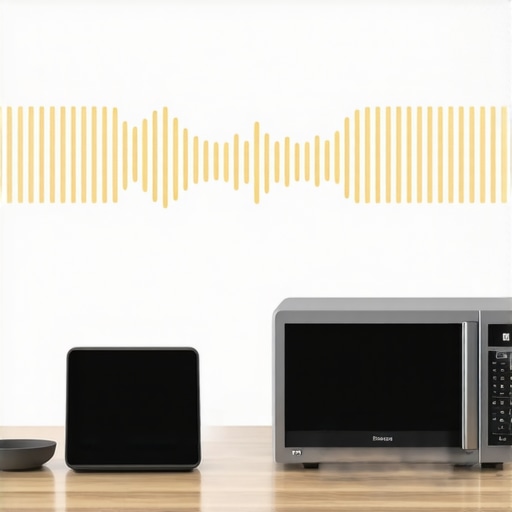
One evening, as I was trying to heat up leftovers, my microwave suddenly refused to work properly. It kept tripping the breaker, and I just couldn’t figure out why. It was a frustrating moment — I felt like I was caught in some weird appliance conspiracy. After a bit of research and some trial and error, I realized I had recently installed a new smart home hub, and it was quietly causing interference with my microwave’s signals. That lightbulb moment made me ask: could my smart home devices be messing with my other appliances?
When smart tech clashes with your everyday appliances
Smart home hubs are designed to simplify our lives, allowing us to control everything from lights to thermostats with just a tap or voice command. But sometimes, they can cause unexpected headaches. In my case, I discovered that the 2.4 GHz signals emitted by some smart hubs and Wi-Fi devices can interfere with microwave signals, especially if the microwave is older or poorly shielded. This interference can lead to malfunctions, reduced efficiency, or even safety hazards.
Many homeowners aren’t aware that the radio frequencies used by smart devices and Wi-Fi routers can overlap with those of microwave ovens, which typically operate at 2.45 GHz. According to the IEEE, electromagnetic interference (EMI) can cause appliance malfunctions, and the problem gets more pronounced as we add more connected gadgets to our homes. So, if you’ve recently integrated a new smart hub and noticed your microwave acting up, it’s worth considering whether there’s a connection.
Let’s dive into what you can do to prevent or fix this issue, ensuring your smart devices and appliances coexist peacefully.
Could Your Smart Invasion Be The Culprit?
Early in my troubleshooting, I made the mistake of blaming the microwave entirely. I almost replaced it without exploring the root cause. That’s a mistake I’ve seen others make, leading to unnecessary costs. To truly diagnose interference, you need to observe patterns—does the microwave glitch when the hub is actively communicating? Or is it a constant annoyance? Sometimes, simply relocating your router or smart hub away from the microwave can solve the problem.
If you’re still unsure whether your smart home setup is causing trouble, I recommend reading about common interference sources in appliance operation. For example, many homeowners find themselves surprised by issues they thought were hardware faults, but were really caused by the signals bouncing around their home. Understanding these dynamics can save you time and money, and keep your appliances running smoothly.
In the upcoming sections, I’ll walk you through practical steps to identify, troubleshoot, and prevent interference between your smart home hub and your microwave, so your appliances work reliably without unexpected hiccups.
Isolate the Problem Area
Start by turning off your smart home hub and Wi-Fi router to see if the microwave still trips the breaker. This helps determine if these devices are causing interference. During my own experience, I unplugged the hub and noticed the microwave functioned without issues—clear sign that smart signals are part of the problem. Remember, interference isn’t always obvious, so ruling out components one by one is essential.
Change the Placement of Devices
Relocate your smart hub and Wi-Fi router away from the microwave. A simple method is to move these devices to another room or, if possible, higher up on the wall. Think of it as moving a radio transmitter further from sensitive electronics—less signal overlap, less conflict. After repositioning, turn everything back on and test the microwave. This quick fix often resolves the issue and is worth trying before costly repairs.
Adjust Wi-Fi Frequencies and Settings
Most routers now allow switching between 2.4 GHz and 5 GHz bands. Access your router’s admin panel—usually through a web browser—and switch your Wi-Fi network to the 5 GHz band. Since microwave signals typically operate at 2.45 GHz, reducing the 2.4 GHz interference cuts down the overlap. I did this during my troubleshooting and found that the microwave remained stable. For more technical insights, see how Wi-Fi frequency settings impact appliances.
Install Shielded or Smart-Appropriate Appliances
If your microwave is older or has poor shielding, it might be more susceptible to interference. Consider upgrading to a microwave with better electromagnetic shielding—this acts like a barrier that prevents external signals from affecting its operation. Think of it as giving your appliances a personal force field to block unwanted signals—the investment can pay off long-term for peace of mind.
Use Physical Barriers and Cable Management
Adding metal or thick furniture between your smart devices and the microwave can serve as a barrier, absorbing or deflecting signals. Similarly, keeping power cords and network cables neat prevents unintended signal coupling. I wrapped some foil around my router, creating a makeshift shield—impressive how simple it was yet effective enough to stop the interference.
Consult Professional for Persistent Issues
If problems persist despite these steps, hiring a technician is advisable. An expert can measure electromagnetic interference using specialized tools, much like a mechanic diagnosing complex engine trouble. They can also suggest proper grounding and shielding techniques, or recommend compatible smart devices that are less prone to interference, ensuring your appliances operate safely and efficiently.
By systematically applying these concrete steps, you can eliminate interference issues and enjoy the convenience of smart technology without sacrificing appliance performance. Remember, each home setup is unique, so some trial and error might be necessary to achieve optimal harmony.
Many homeowners believe that hiring any local repair service guarantees quality, but in my experience, a deeper understanding of what truly matters can save you money and frustration. For instance, most folks get caught up in the phrase “same-day service” without realizing that the real value lies in technicians’ expertise and adherence to manufacturer guidelines. Jumping at the earliest available appointment might seem urgent, but an unqualified technician can inadvertently void your warranty by using non-OEM parts or improper installation methods. Check out this insightful article on [warranty transfer and its pitfalls](https://discountappliancehub.com/the-warranty-trap-of-using-non-oem-replacement-parts) to understand how warranties are often more complex than they appear.
A common myth is that all repairs are created equal, which isn’t true. Some repair companies cut corners to offer cheaper rates, leading to issues like misdiagnosis or subpar repairs that don’t last. For example, improper leveling or neglecting to replace critical parts like door latches can result in recurring problems, which I discuss in detail in [the story of your microwave door latch not closing properly](https://discountappliancehub.com/the-surprising-reason-your-microwave-door-wont-latch). Always verify if the technician follows OEM specifications.
Let’s now address a subtle but crucial aspect: warranty coverage can be easily lost if certain steps aren’t followed during installation or repair. For example, in dishwasher installations, improperly connecting the plumbing can immediately void your warranty. A hard lesson I learned from experience was ignoring the manufacturer’s installation instructions, which you can read about in [the proper way to level your dishwasher](https://discountappliancehub.com/the-wrong-way-to-level-your-dishwasher-and-why-it-leaks). Always ensure that your service provider is up-to-date with the latest guidelines.
How does your choice of parts influence the longevity of repairs? Using non-OEM components might save money upfront but can lead to rapid deterioration or damage to other parts, ultimately costing you more. Experts recommend prioritizing OEM parts to maintain warranty validity and ensure optimal operation. This is especially critical with sensitive components like control boards or compressors.
Furthermore, many overlook the importance of maintenance routines in preserving warranty validity. Regularly cleaning filters, checking seals, and scheduling tune-ups according to manufacturer instructions can prevent minor issues from becoming costly repairs. For instance, neglecting to clean a condenser coil can cause compressor failure, risking voiding your warranty, as explained here.
In summary, the most overlooked nuance is understanding that appliance warranties and proper installation are intertwined. The devil is in the details—using qualified technicians who follow OEM procedures, selecting OEM parts, and adhering to maintenance schedules can protect your warranty and extend your appliance’s lifespan.
Have you ever fallen into this trap? Let me know in the comments. Remember, the right knowledge can save you hundreds or even thousands in appliance repairs.
Investing in Reliable Equipment Continues Beyond Repairs
Maintaining appliances effectively requires the right tools and a proactive approach. Over the years, I’ve honed a set of specific equipment that not only makes diagnostics faster but also ensures long-term functionality. One of my most indispensable tools is a digital multimeter, like the Fluke 115, because it provides precise voltage and continuity readings, enabling me to identify electrical issues quickly without guesswork. Using a high-quality multimeter prevents unnecessary parts replacements and extends appliance life by catching problems early.
Another essential device is a refrigeration leak detector. Detecting refrigerant leaks early protects your compressor, preserves energy efficiency, and avoids costly repairs. The Milwaukee MS Insider Leak Detector is my go-to because it’s sensitive enough to find even tiny leaks, which can cause your refrigerator or AC to underperform. Having this tool means I can troubleshoot refrigerant issues before they escalate—saving my clients money and downtime.
For thorough cleaning, especially in appliances like dishwashers or washing machines, a steam cleaner with attachments designed for appliance maintenance is invaluable. It helps remove grime and mineral buildup that can impair performance and cause premature breakdowns. Regular cleaning with such tools, combined with preventative maintenance, is one reason appliances last longer and work better over time.
On the software side, I recommend specialized diagnostic apps connected to modern appliances via Wi-Fi. Smart diagnostics apps, like those from SmartHQ, provide real-time system reports and error codes, allowing remote troubleshooting and guiding precise repairs. These apps empower homeowners and technicians alike—quickly narrowing down issues without invasive inspections.
Planning for Long-Term Appliance Care
Looking ahead, the trend points toward even smarter, interconnected appliances that can preemptively alert homeowners to issues. Future tech will likely involve AI-driven diagnostics that monitor performance continuously, making timely repairs easier and more predictable. Staying updated with these advancements is crucial for professionals committed to providing long-term value.
How do I maintain appliances over time?
Creating a routine maintenance schedule—such as monthly filter checks, cleaning coils, and inspecting seals—can dramatically extend appliance lifespan. Using the right tools makes each step more effective. For example, regularly cleaning your refrigerator’s condenser coils with a condenser brush or coil cleaner prevents compressor overload and preserves warranty coverage. See how simple maintenance moves can triple your refrigerator’s lifespan in this helpful guide. Don’t forget, investing in quality tools now avoids costly repairs later and keeps your appliances performing at their best for years to come.
How I Stumbled Upon the Most Overlooked Truth About Appliance Compatibility
One of my biggest lightbulb moments was realizing that not all appliance issues stem from hardware faults. Sometimes, clever smart home devices—designed to simplify life—can secretly create compatibility headaches. Discovering that interference from my Wi-Fi setup was causing my microwave to malfunction taught me the importance of considering electromagnetic compatibility in every repair.
The Secret Weapon That Saved Me From Costly Replacements
Investing in a quality spectrum analyzer changed everything. Being able to pinpoint electromagnetic interference with precision prevented unnecessary part replacements, and instead, I focused on strategic device placement and frequency adjustments. I trust tools like the MetaGeek Wi-Spy because they reveal hidden signals that could sabotage your appliances, just as they did mine.
Why I Now Prioritize Preventative Measures Over Emergency Fixes
After experiencing repeated issues due to interference, I realized that proactive habits—such as regular device placement checks and frequency audits—can save significant time and money. Embracing this mindset shifted my approach from reactive repairs to preventive care, ensuring my appliances run smoothly amidst a growing sea of connected gadgets.
Where True Peace of Mind Begins in Appliance Maintenance
Mastering electromagnetic compatibility means understanding your home’s unique digital environment. It involves testing, observation, and strategic adjustments—all of which foster confidence that your appliances won’t unexpectedly fail, even as your smart home expands. Remember, the key isn’t just fixing problems but preventing future ones by playing smart with signals and placement.