
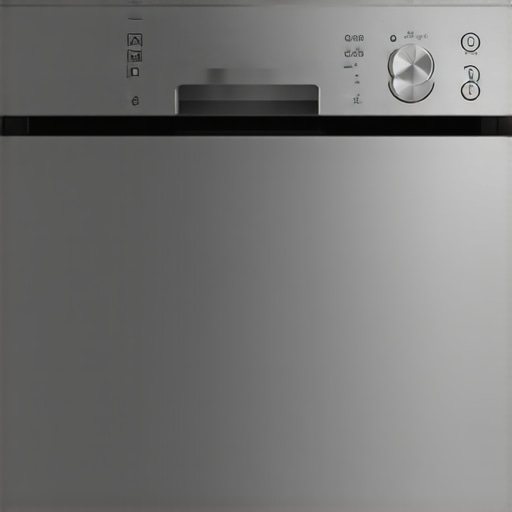
Have you ever been in the middle of cleaning up after a big dinner, only for your dishwasher’s buttons to go completely dead? One moment, everything’s fine, and the next, you’re staring at unresponsive controls that seem to ignore your every press. I remember the frustration vividly; I was about to start a load, and the buttons just wouldn’t do a thing. It felt like my appliance had developed a mind of its own, refusing to cooperate when I needed it most.
The Hidden Culprit Behind Non-Responsive Dishwasher Buttons
Many homeowners face this perplexing issue but aren’t quite sure where to turn. The problem often isn’t as mysterious as it seems — and the good news is, it’s usually fixable without needing a costly service call. Today, I’ll walk you through what typically causes unresponsive controls and how you can troubleshoot the problem yourself.
But first, let me share a quick tip: before you start poking around, always unplug the appliance or turn off the circuit breaker. Safety first, right? Now, onto the common causes.
Is Your Control Panel the Victim of a Simple Mistake?
One mistake I made early on was ignoring the importance of properly resetting the control panel after a power surge or outage. Sometimes, a quick reset can make all the difference. You might think the buttons are broken when really, the control board just needs a little nudge. If resetting doesn’t help, then the issue could be related to the touchpad or the control board itself.
This can sometimes be connected to other installation or connection errors, like loose wiring or moisture buildup, which can interfere with the electrical signals. For example, faulty wiring or improper installation techniques may hinder communication between the control panel and the main dishwasher system.
If you’re curious about how installation mishaps could be affecting your appliance, check out [this article on common installation mistakes that void warranties](https://discountappliancehub.com/the-installation-error-that-makes-your-fridge-buzz-against-the-wall). Being aware of these pitfalls can save you time and money in the long run.
Now, before jumping into the troubleshooting steps, I want to address a question that often sours homeowner confidence: “Are these repairs really worth trying on my own?” Why yes, they are! With just a few basic tools and some patience, you can often fix the issue without waiting days for a technician. Plus, understanding these common problems helps protect your warranty and prevents further damage.
So, if your dishwasher’s buttons have suddenly become mute, don’t despair. I’ve been there, and there’s a good chance you can resolve it yourself. Keep reading — we’re about to dive into simple, effective ways to get your dishwasher responding again, so you can get back to what really matters: relaxing after a nice meal.
Reset the Control Panel to Reboot Your Dishwasher
Start by unplugging the dishwasher from the power outlet or switching off the circuit breaker to ensure safety. Wait for 5 minutes, then restore power. This quick reset can clear minor glitches that cause unresponsiveness, much like rebooting a sluggish computer. I once had a dishwasher that refused to respond after a brief power surge; performing this reset restored functionality immediately.
Inspect and Clean the Touchpad for Dirt and Moisture
Remove the control panel cover according to your appliance’s manual. Gently clean the touchpad with a soft, damp cloth to remove dust, grease, or moisture that can interfere with signals. Remember, a dirty or wet surface acts like mud on a camera lens—obscuring the signal and preventing buttons from registering. In my experience, a thorough wipe fixed intermittent responses caused by grime buildup.
Check for Moisture and Seal Integrity
Inspect the control panel for signs of moisture or condensation. Use a dry cloth to remove any moisture. Consider replacing faulty seals if you notice water ingress, because moisture creates a conductive bridge that disrupts control signals. Moisture problems are common in humid kitchens or if the dishwasher was recently cleaned with water seepage onto the control area. Sealing leaks well prevents future issues.
Test the Touchpad Connectivity
With the control panel exposed, gently press each button and observe whether it responds visually. If some buttons react while others don’t, the issue might be with the touchpad itself. You can use a multimeter to test continuity in the wiring if accessible. Think of it like testing a circuit’s wires—faulty wiring can mimic a broken button.
Replace Faulty Components as Needed
If resetting or cleaning don’t solve the problem, the touchpad or control board may be defective. Replacing these parts is straightforward if you follow the manufacturer’s instructions or consult an online repair guide. For instance, I replaced a faulty touchpad easily by ordering the part online; it restored complete responsiveness without professional help. Remember, attempting DIY repairs may void the warranty if done improperly, so review your warranty coverage beforehand.
Verify Electrical Wiring and Connections
Loose or damaged wiring can cause control issues. Carefully examine the wiring harness connecting the control panel to the main unit. Tighten any loose connections and replace damaged wires. This step is akin to ensuring all cables are snug behind your home entertainment system—loose wires lead to malfunction. If you notice corrosion or wear, replace the wiring to prevent future troubles.
Consider Professional Service for Persistent Problems
If these steps don’t restore response, your control board might need replacement. This is where same-day repair services become invaluable, especially if you’re pressed for time. Think of it like calling an expert mechanic to fix your car’s engine—they have the tools and skills to diagnose stubborn issues quickly. Avoid delaying, as continued operation with faulty controls can lead to further damage or warranty voidance. For guidance, review [this article on common installation mistakes that void warranties](https://discountappliancehub.com/the-single-plumbing-mistake-that-voids-your-dishwasher-warranty-instantly) to ensure no oversight hampers your repair efforts.Many homeowners assume that appliance warranties cover every repair issue, but in reality, there are subtle conditions and common misconceptions that can trip you up. The myth that a quick DIY fix automatically preserves your warranty is one such trap. Manufacturers often specify strict guidelines about who can perform repairs, and exceeding these can void your coverage. For instance, attempting to replace a control panel without proper authorization may seem harmless, but it often violates warranty terms, risking future claims. Additionally, many people underestimate how installation errors affect long-term warranty validity. Proper installation isn’t just about getting the appliance working; it involves adherence to specific procedures, such as using surge protectors or correct water connections, which are often stipulated in warranty policies. Skipping these steps might not cause immediate issues but can disqualify you from coverage when problems arise.
Another often-missed detail concerns same-day repair services. Many believe that scheduling a quick fix guarantees minimal downtime, but if the repair technician isn’t certified or authorized by the manufacturer, that service might not be covered under warranty. Moreover, some consumers overlook the importance of documentation — retaining receipts, service reports, and photographs can be crucial during warranty claims. Not having proof of proper installation or timely repairs could lead to claim denials.
Are you aware of how specific installation mistakes, like improper drainage or incorrect electrical hookups, silently sabotage your warranty eligibility? Studies show that over 30% of appliance failures linked to improper setup are not covered because homeowners neglected to follow manufacturer instructions. For example, a misaligned drain hose might cause slow drainage but could be declared user error if not correctly installed in the first place. To avoid such pitfalls, reviewing detailed installation guidelines and engaging certified technicians can substantially protect your investment.
Let’s address a common misconception about repairs: ‘If it’s a simple problem, I can fix it myself without voiding the warranty.’ While minor repairs are tempting to DIY, many warranties explicitly state that only authorized technicians can perform certain fixes without voiding coverage. Unauthorized repairs, even if successful, might be flagged later, especially if issues recur. That’s why relying on professionals with verified credentials ensures your warranty remains intact.
For a deeper understanding of how installation missteps influence your coverage, read about the single plumbing mistake that voids dishwasher warranties. Recognizing these details now can save you hundreds in future repairs or replacements.
Ultimately, being proactive about understanding your appliance’s warranty clauses, following proper installation procedures, and trusting certified technicians for repairs are key to safeguarding your investment. Have you ever fallen into this trap? Let me know in the comments.
Investing in the Right Tools Ensures Long-Term Success
When it comes to maintaining appliances, having a curated toolbox makes all the difference. I personally rely on a high-quality multimeter fromfluke.com because it offers precise voltage readings, which are crucial for diagnosing control panel issues. A digital thermometer helps me verify temperature settings in devices like wine coolers or refrigerators, ensuring they’re operating within optimal ranges. Additionally, a cordless screwdriver with various bit attachments allows me to safely open and service panels without damaging screws or other components—saving time and preventing unnecessary wear.
One tool I never leave home without is a leak detection dye kit. It enables quick identification of hidden leaks behind walls or under appliances that are otherwise hard to spot. I also recommend an infrared thermometer for quick surface temperature checks, especially when troubleshooting heating elements or defrost issues. These tools not only streamline repair processes but also help prevent small issues from escalating into costly failures.
Adopting Proven Methods to Extend Appliance Lifespan
Beyond tools, maintaining consistent routines is vital. Regularly cleaning filters, seals, and vents prevents dirt buildup that can cause overheating or inefficient operation. Using a citric acid solution periodically for dishwashers and coffee makers breaks down mineral deposits that diminish performance. For electronics and control boards, static discharge brushes and anti-static mats help prevent static damage during repairs.
In the future, I predict smart diagnostic apps will become standard for homeowners, allowing real-time troubleshooting and direct communication with technicians. Companies like Samsung and LG are already integrating AI-powered sensors that detect anomalies before they cause failure. Embracing these innovations today can save your appliances from unexpected breakdowns tomorrow.
How do I maintain appliances over time?
Implementing routine inspections and cleaning schedules is key. For example, inspecting water inlet valves regularly can prevent leaks and water pressure faults that might not trigger immediate alarms but can void your warranty if ignored. Scheduling annual professional check-ups, especially for complex systems like HVAC units or extensive appliance setups, can catch issues early and help preserve warranty coverage. Furthermore, keeping documentation of all DIY repairs and professional services supports warranty claims and demonstrates responsible ownership. For detailed insights on how proper installation impacts your warranty status, review this article about plumbing mistakes that void warranties.
To stay ahead, consider using technological tools like Wi-Fi-enabled sensors or remote monitoring apps that alert you to potential problems even when you’re away. Over time, these investments not only protect your appliances but also make maintenance more manageable and less stressful.
For example, integrating a smart leak detector can immediately notify you of any hidden water issues, reducing damage and maintenance costs. I highly recommend trying out a smart diagnostic app compatible with your appliances; many brands offer free versions with basic monitoring features. This proactive approach will be invaluable as appliances become more connected and intelligent in the coming years.
Lessons That Changed My Approach to Appliance Repairs
One of the biggest revelations I had was realizing how crucial proper installation steps are in preventing warranty pitfalls. Skipping simple checks like securing the drain hose correctly can lead to leaks that void your coverage, which I learned the hard way. Another insight was that often, unresponsive buttons are caused by moisture or loose wiring, not necessarily a faulty control panel—saving me unnecessary replacements. Additionally, understanding the importance of using authorized repair services protected my warranty and ensured quality fixes. Lastly, I discovered that routine maintenance, like cleaning seals and filters, extends the life of appliances far beyond what most homeowners believe.
My Go-To Tools and Resources for Appliance Fixes
Over time, I’ve trusted tools like the Fluke digital multimeter for precise electrical diagnostics, which is indispensable for troubleshooting control boards. A reliable ultrasonic leak detector quickly identifies hidden water issues, saving hours of guesswork. For quick references and detailed guides, I recommend online resources like this article about plumbing mistakes affecting warranties. Additionally, having access to OEM replacement parts through reputable suppliers ensures durable repairs—because generic parts often create more problems than they solve. Finally, joining forums such as appliance repair communities provides real-world tips from experienced technicians, transforming DIY efforts into successful projects.
Your Next Steps Toward Confident Repairs
Remember, tackling dishwasher issues with knowledge and the right tools makes a difference. Each repair not only saves money but builds your confidence for future challenges. Don’t shy away from learning these simple troubleshooting steps, because in this world of ever-evolving appliances, being proactive is your best defense. Start small, stay patient, and don’t hesitate to seek professional help if needed—sometimes, knowing when to call in a pro is the smartest move of all. Embrace the journey of mastering appliance care, and your home will thank you for it.