
Ever been in a rush, loading your dishwasher, pressing start, and then catching a faint, almost unnoticed damp smell later that day? That sinking feeling when you realize your dishwasher has started to leak, but there’s no obvious water pooling or dripping. I recall my own lightbulb moment—ignorant of what to look for, I ignored the subtle signs, only to face a mini flood in my kitchen hours later. That panic, that mess, taught me a crucial lesson about silent leaks—and I bet many homeowners have been there too.
Spotting the Silent Threat in Your Dishwasher
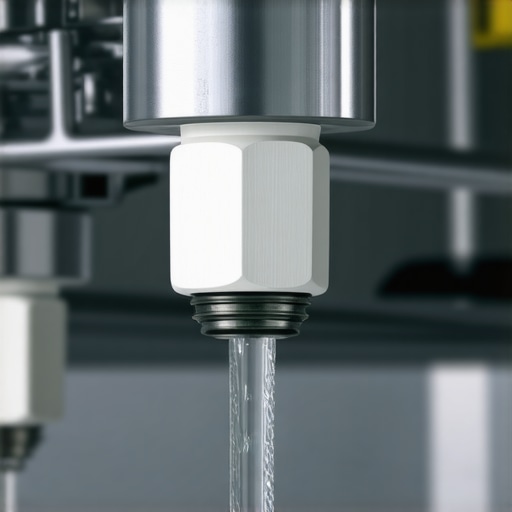
Leaking water from your dishwasher isn’t always loud or dramatic. Sometimes, the first signs are so subtle you might dismiss them as normal wear and tear. This is especially true for the inlet valve—the tiny culprit that controls water flow into your machine. If it’s leaking silently, it can cause damage over time, leading to costly repairs or replacements.
Is Silent Leak Detection Really Necessary?
Early in my repair days, I made the mistake of ignoring small water stains around the dishwasher, assuming they were from routine spills. It wasn’t until a gasket failure damaged the interior, that I realized tiny leaks could be the real enemy. According to appliance experts, unnoticed leaks can cause mold growth, structural damage, and even mold contamination in your home. Recognizing these subtle signs can save you money and stress down the line. If you’re curious about how to prevent your appliance from causing larger issues, check out how to avoid common drain mistakes that void your dishwasher warranty on this helpful article.
Now, let’s explore the key signs that your dishwasher’s inlet valve might be leaking silently—and what you can do about it. Recognizing these early symptoms is essential because addressing them promptly can prevent extensive water damage and keep your home safe. Ready to become a DIY detective? Let’s dive in.
Locate the Inlet Valve for Inspection
Start by unplugging your dishwasher to ensure safety. Pull it out carefully to access the water inlet area, typically at the bottom front. Look for the inlet valve—a small metal or plastic device connected to the water supply line. Use a flashlight if needed. During my own repair, I found that the inlet valve was hidden behind the dishwasher’s kickplate, so removing this panel was essential for a clear view.
Shut Off Water Before Proceeding
Turn off the water supply to the dishwasher at the shutoff valve. This prevents accidental flooding. Remember, an unanticipated leak can cause significant damage—being cautious is key. In my case, I turned off the main water supply in addition to the valve to be extra safe, which simplified the process of removing and inspecting the inlet assembly.
Inspect the Inlet Valve for Leaks and Damage
Look for signs of water staining, mineral deposits, or corrosion around the valve. Gently wiggle the connection to check for looseness. Listen closely for any hissing or dripping sounds. If you notice dampness or corrosion, it’s a clear sign the valve is compromised. During my experience, detecting a tiny trickle behind the valve prompted me to replace it rather than risk a larger leak later.
Test Water Pressure and Flow
Turn the water back on briefly to observe the flow. Using a moisture meter or tissue, check for leaks at the connection points. If water seeps out when the valve is connected but the dishwasher is off, it indicates a faulty or worn valve. For accuracy, I used a tissue to detect even the faintest drips—crucial for early leak detection.
Replace the Faulty Inlet Valve Safely
Disconnect the inlet hose from the valve using a wrench, ensuring the water is off. Remove the screws holding the valve in place, and detach it carefully. Take the old valve to the hardware store to find an exact replacement. When installing the new valve, tighten all connections securely—don’t overtighten, as this can crack plastic parts. After installation, turn on the water and check for leaks again. In my case, a proper seal prevented future issues and preserved my warranty benefits.
Perform a Functionality Test
Plug in the dishwasher and run a short cycle. Observe the inlet connection closely during water fill. Look for any leaks or irregularities. Confirm that the inlet valve operates correctly—water flows in smoothly without dripping from the connection points. This step ensures the repair was successful and can prevent water damage or warranty voiding, especially if proper setup and sealing are maintained.
By systematically locating, inspecting, and replacing the inlet valve, you can tackle silent leaks proactively. Remember, quick action and precise repairs help protect your home and extend your appliance’s lifespan. For more detailed repair steps, visit this comprehensive guide.
Many homeowners believe that appliance repair is straightforward—pick a service, get it fixed, and enjoy peace of mind. However, the truth is far more nuanced, and misconceptions can lead to costly mistakes and voided warranties. Let’s dig into the common pitfalls and hidden nuances that even experienced DIYers occasionally overlook.
Myth of Instant Fixes: Why Same-Day Service Isn’t Always Enough
There’s a widespread assumption that same-day repair guarantees a comprehensive fix. While quick service can address urgent issues, it doesn’t always mean the underlying problem is fully resolved. For example, rushing repairs on a leaking dishwasher without verifying the cause might temporarily stop the leak but leave hidden damage or unresolved faults. As experts suggest, thorough diagnosis ensures not just immediate correction but also long-term durability. Rushing fixes may seem convenient but often compromise the appliance’s lifespan and warranty validity. For detailed insights into avoiding such pitfalls, check out this guide on dishwasher flooding.
Understanding Warranty Limitations and Coverage
Many homeowners are surprised to learn that warranties come with fine print—exclusions and specific coverage conditions. For instance, many believe that any repair done by a professional automatically preserves their warranty. Not true. Using non-OEM parts or unqualified service providers can void coverage, especially if the repair involves critical components. Additionally, improper installation, such as incorrect clearance or neglecting to follow manufacturer guidelines, often results in warranty denial. Thus, knowing the specific terms associated with your warranty can save you from unexpected expenses and repair rejections. Be sure to review your warranty details or consult an expert before any work is attempted.
Door Swings and Installation Nuances That Could Cost You
One often-overlooked aspect concerns proper installation—particularly door alignment and clearance. Misaligned doors or improper sealing can cause leaks, vibration, or premature component failure. For example, in washing machine setups, incorrect leveling can lead to unbalanced operation and damage the drum bearings, voiding warranty coverage. Proper installation isn’t just about aesthetics; it affects appliance longevity and warranty compliance. If you’re unsure about correct installation practices, consider consulting detailed guides like this article on setup mistakes.
Why Does Using the Wrong Parts Void Your Warranty?
Opting for generic replacement parts instead of OEM components might seem cost-effective, but it usually jeopardizes your warranty. Manufacturers specify parts that meet strict standards; deviations can lead to incompatibilities or subpar performance. Studies indicate that non-OEM parts are often responsible for recurring failures and warranty claims. Therefore, always verify the part’s authenticity and compatibility before purchasing. This saves money and preserves your warranty coverage, especially during critical repairs.
In summary, the realm of appliance repair isn’t as simple as it seems. The assumptions about quick fixes, warranty coverage, and installation details can trap even savvy homeowners. To truly protect your investment, learn the intricacies and consult reliable sources or professionals. For instance, avoiding common drain mistakes helps maintain warranty status, and understanding the fine print ensures repairs don’t accidentally void coverage. Have you ever fallen into this trap? Let me know in the comments—and stay vigilant to keep your appliances running smoothly and warranty-safe.
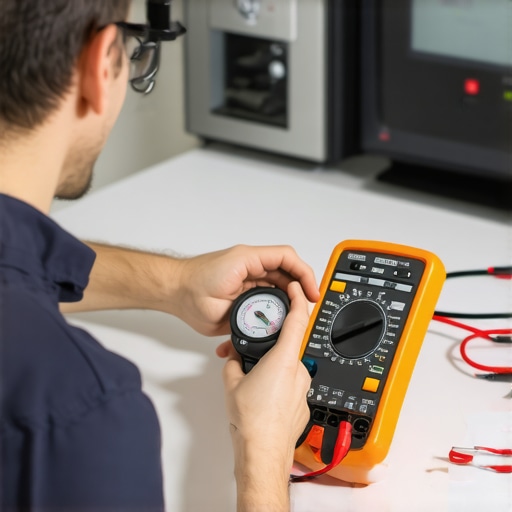
Maintaining your appliances beyond initial repairs requires the right tools, a strategic approach, and an understanding of long-term care. Over the years, I’ve found that investing in quality equipment, coupled with systematic methods, significantly extends the lifespan of my appliances and helps I stay ahead of potential issues. One essential tool I personally rely on is a digital multimeter—not just for troubleshooting electrical faults but also for verifying continuity and diagnosing subtle problems that can cause future breakdowns. High-quality multimeters with True RMS capabilities allow precise measurements, which prevent misdiagnoses and unnecessary part replacements.
In addition, I use a reliable water pressure gauge to regularly check household water lines. High or inconsistent pressure can damage inlet valves or cause leaks—problems that often start silently and escalate quickly. Monitoring pressure helps prevent ‘silent leaks’ from turning into major floods, especially in appliances like washing machines and dishwashers. For inspections that require partial disassembly, I turn to a set of insulated tools and high-resolution LED flashlights. These afford better access and visibility into tight spaces, ensuring I don’t miss small but critical issues like corrosion or minor cracks that can compromise the repair over time.
When it comes to software, I implement diagnostic apps connected to smart appliances. For example, many modern dishwashers or smart washers come with dedicated apps that run quick self-tests and alert you to errors before they become serious. Regularly running these diagnostics, as recommended by appliance manufacturers, helps maintain optimal performance and catch wear-and-tear early. Future tech trends are moving toward AI-driven diagnostics that predict failures before symptoms appear, which is a development that excites me as it promises even greater appliance longevity.
How do I maintain appliance health over time?
Consistency is key. Setting a routine maintenance schedule—like cleaning filters biannually and inspecting hoses seasonally—can prevent many common problems. I also advocate for keeping detailed logs of repairs, symptoms, and service dates. This record-keeping helps identify recurring issues and informs better decisions on repairs or replacements, safeguarding warranties and ensuring compliance with service protocols. Using manufacturer-approved parts when replacements are necessary not only ensures compatibility but also preserves warranty validity. For example, adhering to specific spacing and setup rules during installation, such as the proper distance from the wall for dryers, can prevent issues that might invalidate warranties—details explained comprehensively in tutorials like this guide.
Looking ahead, I believe automation and remote diagnostics will become standard, enabling proactive maintenance that minimizes downtime. Embracing these tools now gives homeowners the upper hand against unexpected failures and costly repairs. Start by integrating a multimeter into your regular checkups—that’s a simple yet powerful step toward long-term appliance health. Remember, the key isn’t just fixing problems as they arise but building a system to prevent them altogether.
3 Things I Wish I Learned Sooner About Appliance Fixes
One of the most eye-opening lessons in my repair journey was realizing that even small, silent leaks can cause big trouble if ignored. I used to dismiss tiny water stains, thinking they’d dry up or evaporate, but that overlooked sign led to costly damage and warranty issues later. Another insight was understanding how improper installation—like misaligned doors or incorrect sealing—can void warranty coverage, turning a simple fix into a complex problem. Lastly, I learned that rushing same-day repairs without a thorough diagnosis often masked underlying issues, risking recurrent failures and warranty rejections. Recognizing these lessons early has transformed how I approach appliance maintenance, making me more vigilant and proactive.
Tools and Resources That Changed My Maintenance Game
For reliable troubleshooting, I swear by a high-quality digital multimeter. It helps me detect electrical faults and verify continuity, saving time and preventing unnecessary part replacements. A water pressure gauge is another essential, as maintaining proper water pressure prevents silent leaks in inlet valves and hoses. When it comes to learning, this guide on washer overflow fixes offered practical tips that I adopted immediately. Additionally, my favorite repair manual series, “The Appliance Doctor,” provides clear step-by-step instructions that boost confidence during tricky repairs. These tools and references have empowered me to handle issues safely, effectively, and warranty-compliantly.
Keep Moving Forward: Your Next Step Awaits
Taking action today to understand silent leaks, proper installation, and warranty nuances can save you a lot of trouble tomorrow. Embracing continuous learning, using the right tools, and staying vigilant about your appliances’ health will build confidence and reduce costly mishaps. Remember, every repair is an opportunity to become more skilled and informed—your home’s comfort depends on it. So, why not start with a simple inspection or by reading one expert article to boost your knowledge? The future of appliance maintenance is in your hands—get ready to feel more in control and keep your appliances running smoothly for years to come.