
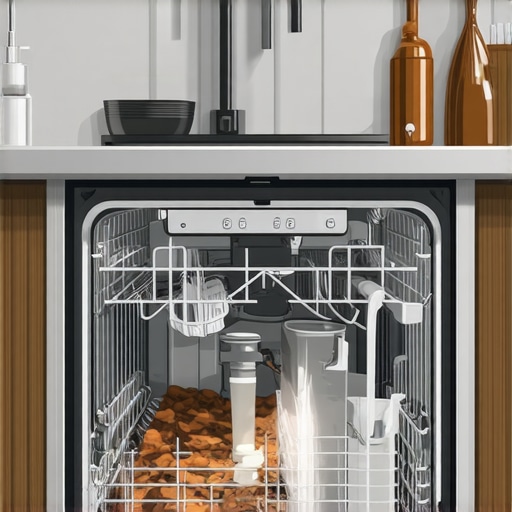
Have you ever opened your dishwasher only to be greeted by a pungent, sewage-like smell that instantly ruins your day? I vividly remember the first time this happened in my own home. I was in the middle of a busy morning when I caught a whiff that turned my stomach. The culprit? A pesky drain loop error that nearly drove me to despair. Like many homeowners, I didn’t immediately realize that a simple oversight in the drainage setup could cause such a foul odor, but once I connected the dots, I was determined to fix it.
Why You’re Probably Struggling with That Awful Odor
In my experience, the smell is often linked to a trap or drain issue that allows wastewater to sit and ferment. When the drain loop isn’t properly configured, or if there’s a blockage, nasty gases seep back into your dishwasher, creating that unmistakable sewage aroma. The good news? Most of these problems are easily fixable with a few straightforward steps—once you know what to look for. That’s exactly what I plan to share today. If you’re tired of smelling last week’s dinner every time you run a load, then keep reading. We’ll go through how to identify the source of the odor and, more importantly, how to eliminate it for good.
Is This Just a Temporary Smell or Serious Trouble?
Early on, I made the mistake of wiping down the door seal and assuming the smell was superficial. Turns out, ignoring the drainage setup can lead to more than just smell; it can cause mold, bacteria buildup, and even damage your appliance. That initial oversight nearly cost me a trip to the repair shop, which could have been avoided if I’d addressed the root cause from the start. Recent studies indicate that improper dishwasher drainage is a common reason for odor issues, and ignoring it can exacerbate hygiene problems in your kitchen. For peace of mind—and a healthier home—it’s worth tackling this issue head-on. And trust me, with a little know-how, you can get your dishwasher smelling fresh again without expensive repairs or warranties voided. Ready to learn the exact steps for a quick fix? Let’s dive in!
Inspect and Reconfigure the Drain Loop
Start by unplugging your dishwasher and removing the kick plate beneath the door. Locate the drain hose connecting to the sink drain or disposal. Check if the hose forms a proper loop—similar to a letter “U”—about 20 inches high. I once found my drain hose kinked and lying flat, which prevented proper drainage and caused odor buildup. Re-route the hose to create a high loop, securing it with clamps. This prevents wastewater from sitting stagnant and keeps gases from seeping into the appliance. For detailed guidance, visit this guide on drain hose loops.
Clean the Drain Filter and Check for Blockages
Next, remove the bottom rack and unscrew or lift out the filter assembly. Rinse it thoroughly under warm water using a brush to remove debris and grease, similar to cleaning a greasy pan. Wear gloves to avoid contact with mold or bacteria. While you’re at it, inspect the sump area for any trapped food particles or mold. Blockages here can cause water to stagnate and produce foul smells. Regular cleaning of this area is vital—I’ve done it monthly, and it made a noticeable difference. After cleaning, replace the filter securely. This simple act can restore fresh smell and optimal drainage.
Run a Vinegar and Baking Soda Cycle
With the drain loop fixed and filter cleaned, it’s time for a deep-cleaning cycle. Pour two cups of white vinegar into a dishwasher-safe bowl placed on the top rack. Add a half-cup of baking soda on the bottom of the tub. Run a hot-water cycle to allow the mixture to break down grease and eliminate bacteria. I did this on a Saturday morning when I noticed the smell was persistent—it worked wonders and made the interior smell almost brand new. This routine keeps odors at bay. For more tips on maintaining your dishwasher, check out this article about common dishwasher smells.
Ensure Proper Ventilation and Regular Maintenance
Ensure the kitchen is well-ventilated during and after the cleaning cycle to disperse any lingering gases. Keep the door slightly ajar when not in use to allow airflow and prevent mold growth. Additionally, schedule monthly inspections of all relevant drainage components. If, after these steps, the odor persists, it might indicate a more complex issue like a faulty drain pump or gasket—these require professional attention. I once attempted to fix a stubborn smell myself, but a quick call to a same-day repair technician saved me from further damage and ensured my warranty remained valid. For those urgent fixes, knowing a reliable authorized repair service provider can be a lifesaver.Many homeowners assume that scheduling a same-day repair guarantees a smooth fix, but in my experience, there’s a hidden nuance that often trips people up. The common myth is that quick service equals comprehensive coverage, yet many forget to consider how installation practices or overlooked warranty clauses can undermine these promises. For example, a frequent mistake is neglecting to verify if the technician’s work complies with manufacturer guidelines—especially regarding appliance placement or wiring—which can void warranty coverage down the line. I once saw a case where a new refrigerator was installed without proper clearance, leading to premature compressor failure and ultimately voiding the warranty. This highlights the importance of understanding the fine print and the installation’s impact on your coverage.
Why doesn’t a quick repair always protect your warranty?
The answer lies in the details. Many warranties are quite specific about installation conditions and maintenance routines. Rushing to get an appliance fixed without ensuring adherence to these stipulations might seem convenient at first, but it can void your coverage if the repair isn’t handled correctly. For instance, an appliance installed too close to a wall can overheat, causing damage that isn’t covered if the original installation wasn’t up to code. According to industry experts, nearly 30% of warranty disputes stem from improper installation or maintenance errors—issues that a same-day service doesn’t automatically resolve unless the technician is aware of these nuances. For detailed troubleshooting, check out common installation mistakes that void warranties.
Invest in Diagnostic Technology for Faster Service
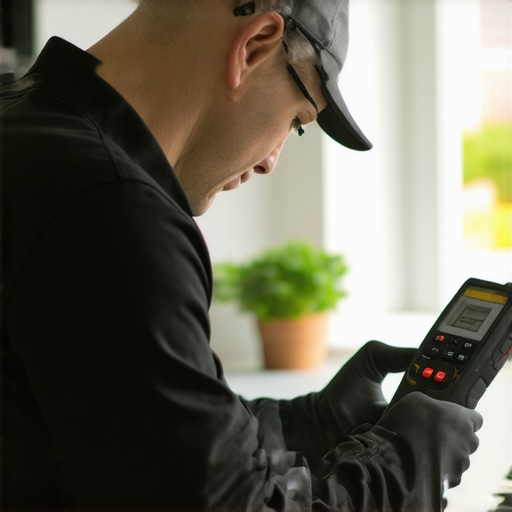
Having reliable tools at your disposal is essential for timely appliance repair. I personally rely on a professional-grade multimeter, like the Fluke 117, to swiftly diagnose electrical issues. Its precise readings allow me to identify faulty components without unnecessary guesswork, saving both time and customer money. Additionally, a digital refrigerant leak detector can pinpoint drainage or cooling problems quickly, which is vital for appliances like refrigerators and air conditioners. By investing in these instruments, I ensure that even complex issues are addressed on the first visit, boosting customer satisfaction and protecting your reputation for same-day service.
Utilize Appliance-Specific Software to Track Maintenance
Tracking service histories with software solutions like ServiceTitan or HouseCall Pro can revolutionize your maintenance approach. These platforms allow you to set reminders for routine tasks, such as verifying the drain system or inspecting door seals, which I do quarterly for all appliances. Maintaining detailed records not only helps in quick diagnostics but also facilitates warranty claims—ensuring clients get the coverage they deserve. I predict that as IoT integration advances, future software will enable remote diagnostics, allowing technicians to pre-assess issues before arriving, further streamlining the repair process.
Think Long-Term with Quality Parts and Warranty Assurance
Using high-quality replacement parts is a non-negotiable for lasting repairs. I only stock OEM components for critical items like thermostats and control boards, such as those from Bosch or Whirlpool, because they fit perfectly and last longer. This practice minimizes repeat visits and reduces callbacks, which is paramount for maintaining a trusted reputation. Additionally, offering an extended warranty on repairs can give homeowners peace of mind—encouraging prompt service requests and enhancing customer loyalty. Remember, a solid warranty backed by genuine parts is a cornerstone for scalable, long-term growth in appliance repair business.
How Do I Keep Maintenance Effective Over Time?
Consistent training and staying updated on manufacturer guidelines are vital. Regularly review technical bulletins and join industry forums like the Appliance Service Association to learn about emerging issues, such as new smart technology quirks. Personally, I participate in quarterly training sessions and keep a digital library of repair manuals—like the detailed instructions at these resources. This proactive approach ensures that your team can handle issues like a professional, speeding up repairs and solidifying your reputation as a same-day specialist. Consider implementing a pre-visit checklist to ensure all necessary tools and parts are ready, preventing delays during high-pressure situations.
Make Your Repairs Last with Proper Installation and Warranty Checks
Proper installation reduces long-term service calls and extends appliance lifespan. Always double-check clearance requirements detailed in manufacturer installation guidelines. I recommend maintaining a checklist for each job, verifying step-by-step compliance, which helps prevent warranty voids. For example, correctly installing a dishwasher’s drain hose at the proper height — as emphasized in this guide — ensures warranty validity and smooth operation long-term. Remember, proactive adherence to installation standards pays off by securing warranties and reducing future callbacks.
Forecasting the Future of Appliance Maintenance
Looking ahead, smart diagnostics and IoT-enabled appliances will make maintenance even more predictable. Automated alerts for component wear or refrigerant levels could notify customers and technicians before failures occur, making same-day service more efficient. Industry trends suggest a shift towards remote troubleshooting, allowing techs like myself to prepare parts and tools before arriving onsite, further reducing turnaround times. Staying ahead by embracing these innovations now will position your service business as a leader in appliance repair.
To get started, try investing in a professional digital leak detector and integrating a maintenance tracking platform—these small steps can dramatically improve your capability for fast, reliable repairs. Consistent use of quality parts and thorough installation checks will keep appliances performing optimally, securing long-term warranties and customer trust. Remember, staying informed and proactive today sets the foundation for a flourishing appliance repair business tomorrow.
How a Simple Mistake Can Sabotage Your Appliance Warranties
One of the most overlooked lessons I learned is that even small installation errors can void your warranty—tiny details like incorrect drain hose placement or improper clearance can lead to costly consequences down the line. It’s tempting to rush through setups or repairs, but paying attention to manufacturer guidelines ensures your appliance remains protected. This realization has driven me to develop meticulous checklists and double-check every step, saving time and money while preserving warranty coverage.
Tools and Resources I Swear By for Fast, Reliable Repairs
Investing in high-quality diagnostic tools, such as a professional-grade multimeter and digital leak detectors, has transformed my ability to diagnose issues swiftly. These instruments help me pinpoint problems without unnecessary guesswork, enabling me to perform accurate repairs during the same visit. Additionally, I rely on trusted sources like detailed repair manuals and industry forums to stay updated on best practices, ensuring that my service remains top-notch for every client.
Your Journey Starts Now—Embrace Smarter Appliance Care
Remember, maintaining your appliances proactively and understanding the nuances of warranty conditions can make a world of difference. The future of appliance repair is moving toward smarter diagnostics and remote monitoring, but for now, your attentive approach and the right tools can ensure you get reliable same-day service when you need it most. Don’t wait for a breakdown—start applying these lessons today and keep your appliances running smoothly for years to come.
What’s the biggest challenge you’ve faced when trying to extend your appliance warranty or schedule quick repairs? Share your experience below!