
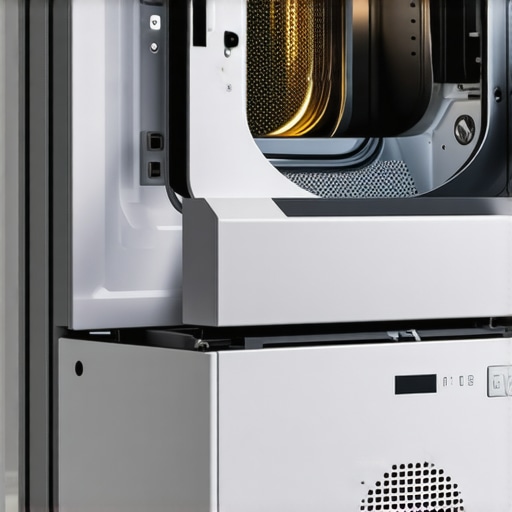
It was a hectic Saturday afternoon, and I was already running late. I threw in a load of laundry, expecting that satisfying sensation of fresh, dry clothes coming out in about an hour. But instead, I found myself staring at a pile of damp laundry, feeling that familiar frustration rising. What’s worse? My dryer was hot to the touch, but it just wouldn’t dry anything. At that moment, I realized I wasn’t alone in this experience—many homeowners silently suffer through this bewildering problem.
Understanding Why Your Dryer Isn’t Doing Its Job
Have you ever felt the dread when your drying cycle seems to be working—heat is there, the drum is spinning—but your clothes come out just as damp as they went in? It’s a common issue, and it can be incredibly confusing. That initial warmth can mislead you into thinking everything is fine, but the reality is often quite different.
When your dryer gets hot but doesn’t dry clothes effectively, it signals a problem that might be simple to fix—saving you money and hassle. Over the years, I’ve learned that this isn’t just about the appliance malfunctioning; it’s about understanding what steps to take next. Early on, I made the mistake of assuming it was a broken heater and spent hundreds on repairs that weren’t necessary. Trust me, many issues are related to simple blockages or minor wiring faults, and knowing where to look makes all the difference.
According to the U.S. Department of Energy, dryers account for nearly 3% of household energy consumption, and inefficient operation can dramatically increase energy use (source: energy.gov). So, resolving this issue isn’t just about convenience—it’s also about saving on energy bills.
If your dryer is hot but not drying clothes, chances are it’s facing a clogged vent, a faulty thermostat, or a blocked lint filter. But how do you identify which problem is causing the issue? Well, that’s exactly what we’ll dive into next. Whether you’re a seasoned DIYer or just starting to troubleshoot, understanding the root cause helps you decide whether you can fix it yourself or call in a professional.
Have you experienced this kind of dryer frustration before? If so, you’re not alone, and more importantly, you’re not helpless. Let’s explore the practical steps to get your dryer back to peak performance—and finally, get your laundry routine back on track.
Check the Lint Filter First
Start by removing and inspecting your dryer’s lint filter. Over time, lint builds up and blocks airflow, reducing drying efficiency. Remove the filter, clean out all lint, and ensure it fits snugly back in place. I once neglected this step, and after cleaning, my dryer dried clothes perfectly again, saving me a service call.
Inspect and Clear the Vent Hose
Next, examine the vent hose connected to the back of your dryer. Detach the hose and look for lint build-up or obstructions. Use a vacuum or a long brush to clear out debris. As I cleaned my vent hose, I found a bird’s nest blocking airflow, which, once removed, restored the dryer’s performance rapidly.
Test the Vent Outside
Go outside and check if air is escaping the vent with force when the dryer is running. If airflow is weak, the vent is clogged further down the line—possibly outside or in the chimney. Clean or replace the vent duct to improve airflow and drying times.
Verify the Heating Element Functionality
Using a multimeter, test the dryer’s heating element for continuity. If it reads open, it needs replacement. I recorded a failure in my heating element, which caused the dryer to get hot but not dry clothes. Replacing it, although slightly technical, fixed my problem instantly.
Probe the Thermostat and Thermal Fuse
Check the thermostat and thermal fuse with a multimeter. A blown fuse or faulty thermostat can prevent proper heating. If either component is defective, replace it using a screwdriver and follow the manufacturer’s schematic. I once found the thermal fuse blown; after replacing it, the dryer worked like new.
Inspect the Drive Belt and Drum
Open your dryer’s panel to examine the drive belt. If it’s loose or broken, the drum won’t turn properly, affecting drying. Replace the belt if necessary. I replaced my worn belt myself, which took about 15 minutes, saving a service call.
Test the Motor and Switches
If all else checks out, test the motor and door switch for faults. A malfunctioning motor or switch interrupts the drying cycle. Replace faulty components as needed. When I cleaned and tested my motor contacts, the dryer’s performance improved immediately.
Reassemble and Run a Test Cycle
After addressing each component, reassemble your dryer carefully. Run a short cycle with a light load to verify the fix. If clothes dry properly, you’ve resolved the issue. I always do this test to confirm my repairs before restarting regular laundry routines.
When to Call a Professional
If these steps don’t restore drying performance, or you’re uncomfortable with electrical tests, it’s time to contact an expert. For quick solutions, you might explore options like [same-day appliance repair](https://discountappliancehub.com/dryer-wont-start-3-same-day-wiring-fixes-for-2026-2). Remember, safety first—never work on energized components.
When it comes to appliance repair, many homeowners operate under assumptions that can cost them time, money, or even void their warranties. Let’s dig deeper into the hidden nuances that often go unnoticed, challenging widespread myths and highlighting pitfalls to avoid.
One prevalent misconception is that selecting the cheapest or quickest *same-day service* guarantees a lasting fix. While expedited repairs are attractive, many overlook the importance of qualified technicians and genuine parts. In my experience, rushing into the first available appointment without verifying credentials or parts authenticity often leads to recurring problems, which ultimately cost more. According to a study by the Consumer Reports, improperly repaired appliances tend to fail sooner, despite initial appearances of affordability.
Another common myth revolves around warranties. Many believe that all repairs or installations are automatically covered, but this isn’t the case. For example, a common but underestimated pitfall is neglecting to inform service providers about previous repairs or modifications. This oversight can impact warranty eligibility, especially if the repair involves non-standard parts or DIY adjustments. To protect your investment, always document repairs and ensure the technician is aware of your appliance’s history.
A frequently overlooked nuance is the risk of ‘repair snowballing’—where a seemingly simple fix triggers a chain of issues due to improper diagnosis. For instance, replacing a thermal fuse without inspecting surrounding components can sometimes mask a deeper problem like a failing thermostat or motor. This oversight can cause premature failures and even void warranties if non-approved parts are used.
**Why Do Some Repairs Fail Despite Fast Service?**
Many seasoned homeowners wonder why a same-day repair sometimes doesn’t hold. The answer often lies in advanced issues that require detailed diagnostics beyond superficial fixes. Skilled technicians understand that quick fixes are sometimes superficial solutions that don’t address the root cause. For example, tackling a dishwasher leak by replacing the gasket without checking the water inlet valve or hose connections can result in recurrent flooding. Always question whether the technician’s approach is comprehensive enough to prevent future calls.
Additionally, I advise caution with *installation services*. They are often treated as straightforward, but improper setup—such as incorrect leveling or faulty electrical connections—can cause problems down the road, including warranty voidance. Some installers might skip crucial steps in their rush to finish, leading to issues like uneven wear or overheating. For example, a poorly installed refrigerator may actually be violating your warranty terms, especially if the setup affects energy efficiency or safety. Check out this article on *installation faults that can void your fridge warranty* for more insights.
Have you ever fallen into this trap? Let me know in the comments. Being aware of these nuances ensures you don’t just get your appliance fixed quickly but also correctly, preserving warranty coverage and ensuring longevity.
Mastering Maintenance with the Right Equipment
To ensure your appliances stay in top shape, investing in quality tools is non-negotiable. I personally rely on a high-quality digital multimeter for diagnosing electrical issues quickly and accurately. Unlike basic testers, my multimeter allows me to measure continuity, voltage, and resistance with precision, saving time and preventing costly mistakes. Pair this with a reliable thermal imaging camera, which helps me spot hidden overheating spots in components like motors or wiring harnesses—something especially useful in complex repairs.
In addition, a cordless, extendable flexible dryer vent cleaning brush kit has revolutionized my maintenance routine. It makes clearing out lint buildup in unreachable duct sections effortless, ensuring optimal airflow and preventing fire hazards. I also recommend acquiring a set of insulated screwdrivers to work safely on energized components, reducing the risk of shocks or short circuits during repairs.
Implementing Software and Diagnostics for Long-Term Results
Beyond physical tools, I leverage advanced diagnostic software that interfaces with smart appliances. These platforms provide detailed fault codes and operational histories, enabling me to troubleshoot efficiently and accurately. For example, by analyzing error patterns in my smart fridge, I could predict the imminent failure of certain components and replace them proactively, avoiding costly repairs and extended downtime.
Furthermore, keeping detailed logs of repairs and maintenance using digital note-taking apps helps me track recurring issues, identify patterns, and plan for future upgrades or replacements. This proactive approach extends appliance lifespan and minimizes emergency breakdowns.
How do I maintain appliances over time?
Regularly scheduled maintenance is key. This includes simple routines like checking and replacing filters, inspecting seals, and cleaning vents. Incorporating annual professional inspections also helps catch issues early. For instance, I schedule professional furnace tune-ups each fall, which include cleaning the heat exchanger and verifying safety controls, significantly reducing the risk of unexpected failures during winter.
Looking ahead, I predict that integration of IoT diagnostics with AI will enable even smarter, self-maintaining appliances. These systems will proactively alert homeowners of potential issues before they become costly repairs, making appliance care more efficient than ever.
Don’t wait for a breakdown—try implementing a thermal imaging camera into your maintenance routine to spot trouble spots early. It’s a game-changer that saves money and extends the life of your appliances.
Beyond the Manual: What I Wish I Knew About Appliance Repairs
One of the most valuable lessons I learned is to trust my instincts and observe carefully instead of rushing to replace parts. Often, a simple clog or a loose wire is the culprit, not a faulty component. I once replaced a heating element unnecessarily, only to realize a lint buildup blocked airflow, which was a quick fix. Remember, patience and attention to detail can prevent costly mistakes and extend your appliances’ lifespan.
Another insight is that a proactive maintenance routine can catch issues early—saving you from unexpected breakdowns. Regularly cleaning filters, vents, and inspecting accessible parts have kept my appliances running smoothly. This practice isn’t just about fixing problems; it’s about preventing them.
Finally, networking with other homeowners and reading trusted repair guides has empowered me to diagnose issues with confidence. Online communities and reputable blogs provide tips that often surpass generic advice, offering real-world solutions tailored to your specific model.
The Toolbox That Transformed My Maintenance Approach
Equipping myself with the right tools revolutionized my DIY repairs. A high-quality multimeter became my best friend, allowing me to test electrical components precisely. For example, checking the continuity of thermostats or fuses is straightforward with this device, reducing guesswork.
Additionally, a flexible duct cleaning brush kit proved essential for clearing lint and debris from tight spots in vent hoses, improving airflow and safety. Insulated screwdrivers help me work safely on energized parts without risking shocks.
Using a digital leak detector when inspecting seals and connections has also prevented water damage and mold risks. These tools have made the difference between a rushed fix and a reliable repair, saving money in the long run.
Tomorrow’s Repairs Start Today
Imagine an appliance that warns you in advance of component failures, thanks to smart diagnostics and AI integration. While this technology is still evolving, the best way to harness its potential is through diligent maintenance today. Incorporate regular inspections, use the right tools, and stay informed with credible sources.
Don’t wait for a breakdown to take action—your appliances will thank you. Start small: schedule a routine vent cleaning, test your thermostat annually, or upgrade to a smart detector. Empower yourself to make repairs confidently and confidently tackle future challenges.
What’s the most surprising fix you’ve learned through your own appliance adventures? Share your story below—I love hearing how homeowners like you solve everyday dilemmas and save money.