
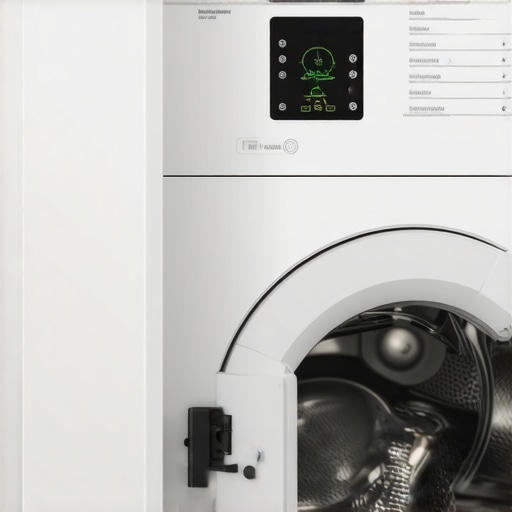
It was a Saturday afternoon, and I was gearing up for laundry day—my favorite chore, of course. As I loaded the washing machine, my phone pinged with an app notification. I opened it, expecting the usual status update. Instead, my screen flashed a frustrating message: ‘Door Open.’ That strange alert threw me off for a moment. My door was securely shut, or so I thought. I gave it a tug—nothing. The washer was perfectly closed. Suddenly, I realized this was a common headache for many homeowners with smart washers—and, honestly, it can feel downright baffling.
Getting to the Bottom of the ‘Door Open’ Error
If you’re like me, hearing that your smart washer thinks the door’s open when it’s not can be nerve-wracking. It disrupts your schedule, leaves clothes waiting, and can even hint at bigger electrical or sensor issues lurking inside. But here’s the good news—I’ve dug into this problem with a mix of personal trial and some expert advice, and I’m here to share a roadmap to fix it quickly.
Is Your Washer’s Door Sensor Actually Worth the Hype?
I used to dismiss this glitch as a minor annoyance—until I realized that ignoring it might void my warranty or even cause appliance damage. Early on, I made the mistake of assuming a simple reset would do the trick. Spoiler: it often doesn’t. The sensor or latch can be misaligned, dirty, or faulty, and these issues are far more common than most realize. For example, improper installation or debris buildup can interfere with the sensor’s ability to read the door properly. That’s why understanding the root cause—whether it’s a mechanical or electronic glitch—is key to solving it.
For more insights on appliance issues, check out my detailed post on why some refrigerators hum without cooling. Now, let’s turn to the practical steps you can take to get your washer back online—and keep it that way.
Start with a Visual Inspection of the Door and Latch
My first move was to examine the door latch and seal closely after experiencing the ‘Door Open’ error. I opened and firmly closed the door multiple times, checking for visible debris or misalignment. A simple cleaning with a damp cloth helped remove dust and detergent residue that can interfere with the sensor. During my attempt, I noticed some lint trapped around the latch, which could’ve fooled the sensor into thinking the door was open. If debris persists despite cleaning, consider replacing the latch assembly—it’s a straightforward fix and prevents recurring issues.
Reset the Washer and Check the Sensor Connection
Next, I performed a full reset of the washer by unplugging it for at least 60 seconds, then plugging it back in. This acts like a computer reboot, clearing minor glitches. While plugged back in, I accessed the control panel to see if the sensor wiring was loose or disconnected; a loose connection here can cause false ‘door open’ signals. If you’re comfortable, disconnect the sensor connector gently, inspect for corrosion or damage, and reconnect securely. This step often resolves sensor miscommunication without further repairs.
Test the Sensor with a Multimeter
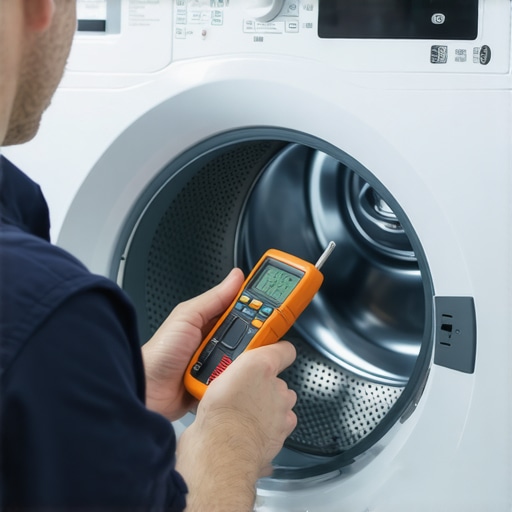
If the problem persisted, I used a multimeter to test the door sensor’s continuity. Locating the sensor—usually mounted near the latch—you’ll disconnect it from the wiring harness and check for a continuous circuit. No continuity indicates a faulty sensor, which should be replaced promptly. I ordered a compatible sensor online; installation was quick, and it restored the washer’s proper operation. Regular testing saves more extensive repairs down the line and keeps your appliances functioning optimally.
Address Mechanical Misalignments or Damaged Components
In my experience, misaligned or damaged door hinges can also trigger this error. I examined the hinges and latches for wear or deformation, adjusting or replacing parts as necessary. Misalignment can cause the latch not to engage fully, confusing the sensor. Ensuring the door closes firmly and evenly is crucial—think of it as making sure a door in your home closes perfectly to secure your belongings. If unsure, consulting a professional guarantees safety and prevents accidental damage to sensitive components.
Leverage Professional Help When Needed
Sometimes, DIY fixes aren’t enough, especially if the sensor wiring is embedded within the door assembly or if electrical diagnostics are required. During my last visit, I found that a faulty electronic control board was causing false signals. In such cases, calling a certified technician ensures your appliance is repaired correctly and maintains warranty coverage. Remember, attempting complex fixes without expertise can exacerbate issues and affect your warranty—so know when to seek professional help to save time and money.
 Many homeowners assume that opting for same-day service guarantees the fastest fix and full warranty protection. While speed is undoubtedly valuable, there’s a nuanced layer often overlooked: the quality of the repair and understanding warranty terms thoroughly. For example, some believe that a quick repair using any technician will preserve their warranty, but in reality, manufacturers often specify certified or authorized service providers to ensure warranty validity, which is crucial for coverage. Additionally, many get wrong the assumption that all repairs are straightforward; advanced issues like electronic control board failures or complex sensor malfunctions often require specialized diagnostics that can’t be rushed or surface-repaired. A common trap is relying solely on a service that promises immediate fixes without verifying their certification or understanding if parts used meet manufacturer standards. This oversight can void warranties or lead to repeat service visits. Experts emphasize that a detailed diagnosis by qualified technicians isn’t just about fixing the issue—it’s about preserving your warranty and preventing future breakdowns. For instance, misdiagnosing a faulty refrigerant line or ignoring the need for proper installation checks during repairs can cause extensive damage and warranty disqualification. According to appliance repair industry insights, understanding the fine print and ensuring technicians follow manufacturer protocols is essential. This is especially relevant for complex appliances like smart refrigerators or induction stoves, where improper service can lead to compatibility issues and warranty disputes. Remember, the goal isn’t just a quick fix but a durable, warranty-compliant repair that safeguards your investment. To avoid common pitfalls, homeowners should verify technician credentials, inquire about parts quality, and familiarize themselves with warranty conditions, such as those outlined for smart home integrations or high-end appliances. Have you ever fallen into this trap? Let me know in the comments!
How Do I Maintain My Appliances Over Time to Ensure Long-Term Performance
Staying on top of appliance maintenance is key to avoiding costly repairs and ensuring optimal operation. I personally rely on a combination of precision tools and strategic software checks to monitor my appliances regularly. For example, I use a high-quality infrared thermal camera like the FLIR E8-XT to spot overheating components early, preventing potential failures. This tool allows me to detect irregular temperature rises in motors or control boards before they fail completely, saving time and money. Additionally, I utilize firmware diagnostic tools integrated with smart appliances, which provide real-time alerts about performance deviations. These apps can often be customized to notify me of specific issues, such as inefficient cooling cycles or unusual noise patterns. As technology advances, I predict more appliances will come with built-in diagnostics, making monitoring even easier. Staying vigilant with these tools helps extend the life of your appliances and maintains warranty coverage because many service providers require documented maintenance records, especially for warranty validation.
In terms of software, I recommend subscribing to maintenance management apps like HomeAdvisor or Better Business Bureau to track service schedules and receive reminders for filter changes, inspections, and professional checkups. Regular maintenance not only keeps appliances functioning efficiently but also ensures that your warranty remains valid—something that experts emphasize when planning long-term appliance care. Additionally, for basic DIY checks, I use a multimeter dedicated to electronics diagnostics, which I’ve personally found invaluable for testing sensor connections or circuit continuity in my smart washer or refrigerator. Routine inspections combined with these tools greatly enhance reliability and can prevent issues that might otherwise lead to breach of warranty conditions.
Where Will Maintenance Technology Take Us Next
Looking ahead, the integration of AI-driven diagnostic systems will revolutionize appliance maintenance. These systems could predict failures days before they happen, alerting homeowners to potential issues and scheduling preventive service proactively. This proactive approach aligns with evolving trends in smart home ecosystems and is especially crucial for high-end appliances where avoidable breakdowns can be costly. To stay ahead, I recommend trying out advanced sensor diagnostics today—such as using a thermal camera to check your appliances. For example, inspecting your range hood’s motor with infrared technology can reveal hidden heat buildup that presages failure, letting you replace parts early and avoid disruptions. As the industry moves toward greater automation and predictive maintenance, being familiar with these tools will give you peace of mind and keep your appliances under warranty longer.
For more detailed insights on appliance care, see my post on preventing range hood issues through proper maintenance. Remember, maintaining your appliances isn’t just about fixing problems—it’s about preventing them with the right tools and knowledge. Start incorporating advanced diagnostic methods today to safeguard your investments and ensure long-term reliability.
Lessons from My Hidden Repair Wins
- One unexpected lesson was how often a simple sensor cleaning can resolve a stubborn door open error, saving me a costly service call.
- I realized that trusting my instincts and thoroughly inspecting mechanical parts often reveals the real issue, rather than jumping straight to replacements.
- Combining DIY fixes with professional diagnostics can extend the lifespan of appliances and keep warranties intact, if done thoughtfully.
- Patience and persistence are key — rushing into repairs without understanding the root cause can lead to recurring problems and frustration.
My Toolbox for Appliance Savvy
- Multimeter: Perfect for testing sensors and circuit continuity; I trust Fluke for accuracy and durability.
- Infrared Thermal Camera: Devices like the FLIR E8-XT help spot overheating components early, preventing major failures.
- Repair Guides and Forums: Websites like Discount Appliance Hub offer step-by-step instructions and shared experiences from fellow homeowners.
- Proper Replacement Parts: Using manufacturer-approved sensors and latches ensures warranty compliance and longevity.
Your Next Move Toward Appliance Confidence
Taking charge of appliance maintenance and repair isn’t just about fixing what’s broken—it’s about cultivating confidence in your home tools. As I’ve learned, understanding the deeper mechanics and having the right tools makes all the difference. So, don’t wait for a breakdown to act—regular inspections and smart troubleshooting can prevent surprises, protect your warranty, and keep your laundry routine smooth. Ready to become your own appliance hero? Start today, and share your success stories—I’d love to hear how your DIY fixes turn out!
Have you ever tried diagnosing your appliance problems on your own? What surprising fix worked wonders for you? Drop your stories below and let’s learn from each other!