
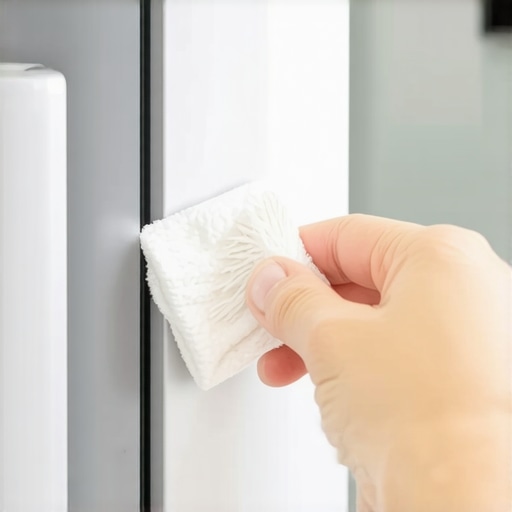
Ever had that sinking feeling when you open your fridge and notice a tiny puddle pooling beneath it? I’ve been there too—thinking, “Great, more appliance trouble,” especially when you’re already juggling a busy schedule. That moment of realization hit me hard one morning—a small leak that seemed insignificant, but quickly turned into a messy inconvenience. It was a classic case of overlooked maintenance, and honestly, I learned the hard way that a simple gasket cleaning move could have stopped that leak before it started.
One Small Step to Prevent Big Leaks
> That lightbulb moment led me down a rabbit hole of DIY fixes and preventative tips that actually work. Today, I want to share the straightforward gasket cleaning trick that helped me avoid costly repairs and keep my fridge running smoothly. If your fridge is dripping or if you’ve noticed moisture around the door seals, this might just be your new best friend.
Is Cutting Corners Worth the Risk of Bigger Damage?
> Early on, I made the mistake of ignoring that thin film of grime around the gasket. Turns out, accumulated residue can compromise the seal, allowing warm air in and creating condensation—yep, that’s what causes the puddles. According to appliance experts, a dirty gasket can reduce efficiency and lead to leaks or even frost buildup in the freezer. Whenever I skipped regular cleaning, I paid the price in extra energy bills and potential repairs. You can check out more about common washer maintenance mistakes on [here](https://discountappliancehub.com/how-to-stop-your-washing-machine-from-smelling-like-rotten-eggs), which also emphasize the importance of routine upkeep.
If you’re wondering whether this small task is really worth the effort, think about how many times a minor leak has turned into a major headache—and cost—that could’ve been avoided with a simple cleaning. Now, I’m going to walk you through the steps I use to keep my gasket in tip-top shape, ensuring my fridge stays dry and efficient.
Ready to get your hands a little dirty and save yourself some money? Let’s dive into the easy, 5-minute fix that could prevent your next leak.
Preparing to Clean the Gasket
Before diving into the cleaning, unplug your fridge to ensure safety. Gather supplies: a soft cloth, warm water, mild dish soap, and a toothbrush or small brush. Think of this as preparing your toolkit for a quick home repair—having everything ready speeds up the process and minimizes messes.
Getting a Grip on the Gasket
Carefully open the fridge door and locate the rubber gasket lining the perimeter. Use your fingers to inspect for stubborn dirt, grime, or mold. I recall the time I ignored this step and rushed straight to cleaning—an hour later, I had a bigger mess from mold spreading. So, take your time to assess what needs attention first.
Applying the Cleaning Solution
Dampen your cloth or brush with warm, soapy water. Gently scrub the gasket surface, paying close attention to folds and creases where residue often hide. Use a toothbrush for tight spots—think of it as giving your gasket a mini facial to remove every speck of debris. This is the core action that maintains the seal integrity, preventing leaks.
Targeting Mold and Mildew
If you notice mold, mix a solution of one part white vinegar to one part water. Lightly apply it with your brush, then wipe clean. I’ve had success zapping mold overnight with vinegar, which is a natural disinfectant. Regularly using this method keeps your gasket fresh and prevents that sticky, germy buildup that harms the seal.
Drying and Inspecting the Seal
After scrubbing, wipe the gasket with a clean, dry cloth. Ensure no moisture remains in folds that could freeze or breed mold. Examine the gasket closely—look for cracks or tears that could compromise the seal. During one cleaning, I found a tiny crack that I hadn’t noticed before; replacing that gasket saved me from future leaks and inefficient cooling.
Final Checks and Reassembly
Once dry, close the fridge door gently and listen for a satisfying seal—like a satisfying click when snapping a lid shut. Test by placing a dollar bill along the gasket edge: if you can pull it out easily without resistance, re-clean that section. This simple test verifies the gasket’s effectiveness, much like testing a door latch for security.
Schedule Regular Maintenance
Create a routine: set a reminder to check and clean your gasket every three months. Regular upkeep is akin to maintaining your car’s oil—small, consistent steps prevent major breakdowns. Over time, these small actions build into a reliable barrier against leaks, saving you money and hassle.
Many homeowners assume that scheduling same-day appliance repairs guarantees swift solutions, but the reality is often more nuanced. While the convenience of immediate service sounds enticing, there are hidden pitfalls and misconceptions that can lead to ineffective repairs or warranty complications. Let’s dig deeper into what really matters when it comes to same-day service, installation, and warranty coverage.
Why Quick Fixes Can Sometimes Backfire
> The prevalent myth is that same-day service always means the job will be done right the first time. However, rushing into repairs without proper diagnostics can result in incomplete fixes or overlooked underlying issues. Professional technicians know that taking the time to thoroughly assess the problem ensures a lasting resolution—something that can’t always be rushed. For instance, some repair companies might prioritize speed over accuracy, risking future breakdowns or voiding warranty claims if the repair doesn’t meet manufacturer standards. Therefore, it’s essential to verify that the technician adheres to proper diagnostic procedures and follows manufacturer guidelines.
The Danger of Overlooking Warranty Terms
> Many assume that scheduling a repair or installation immediately will automatically cover the service under warranty. In reality, warranties often have specific clauses about who can perform repairs, what parts are covered, and the proper procedures to follow.
> For example, certain warranties become void if repairs are done by uncertified technicians or if DIY modifications are made during the process. An often-overlooked nuance is that using non-authorized service providers can invalidate your warranty—something many homeowners aren’t aware of until it’s too late. To avoid such traps, always check the warranty’s fine print and ensure your service provider is certified or authorized by the manufacturer.
Advanced Mistakes Homeowners Often Make
> When scheduling same-day installations, homeowners sometimes neglect to verify that the technician is following proper setup procedures. For instance, incorrect leveling, improper connections, or failure to use a surge protector can jeopardize the appliance’s longevity and warranty protection. Even seemingly minor oversights—like using incompatible parts—can invalidate warranty claims or lead to future breakdowns.
> Additionally, rushing an installation might cause overlooked safety hazards, such as improper venting or wiring issues, which could lead to malfunctions or dangerous situations. Always insist that the technician adheres to the detailed installation guidelines to prevent these issues.
How to Protect Your Warranty During Emergency Repairs
> During emergencies, like water leaks or heating failures, it’s natural to prioritize speed. However, experts warn that attempting to fix complex issues without qualified help can do more harm than good. For example, a quick fix by an unqualified person might not only be temporary but also violate warranty terms, making future claims impossible.
> A pertinent study from the Consumer Appliance Safety Association emphasizes that certified repairs are vital to maintain warranty validity and safety standards. Always document the service process and ensure that the technician provides detailed invoices and diagnostic reports. These records can be invaluable if warranty disputes arise later.
Have you ever fallen into this trap? Let me know in the comments. Remember, understanding the nuances of same-day service and warranty rules helps you avoid costly mistakes and ensures your appliances serve you longer and better.Maintaining your appliances beyond the initial repair or installation is crucial for ensuring their longevity and optimal performance. Over the years, I’ve refined a set of tools and methods that help me stay ahead of potential issues, saving both time and money. One of my go-to tools is a digital infrared thermometer, which allows me to quickly check the temperature of appliances like refrigerators or ovens to spot early signs of malfunction before they become costly repairs. I personally use the Fluke 62 MAX Plus for its accuracy and durability, especially useful during routine maintenance checks.
Another essential is a quality multimeter, like the Klein Tools MM6000, which I rely on for diagnosing electrical issues with appliances. Regularly testing outlet voltages and internal wiring ensures that power issues don’t cause unexpected breakdowns. For cleaning and preventative maintenance, I swear by soft-bristled brushes and non-abrasive cleaning solutions. Keeping seals, vents, and filters clean prevents buildup that could impact appliance efficiency or void warranties.
Advancements in smart technology are also reshaping appliance maintenance. Smart sensors and connected apps can alert you to irregularities in real-time, enabling proactive repairs. For instance, some modern washers notify you when detergent levels are low or when vibration patterns indicate imbalance—features I highly recommend integrating into your maintenance routine.
Looking ahead, the trend is moving toward more integrated diagnostic tools and AI-driven predictive maintenance. These systems promise to forecast failures before they happen, making appliance care more proactive than ever. Investing in such technology now can extend the lifespan of your appliances and protect your warranty coverage.
### How do I maintain my appliances over time?
Regularly inspecting seals, changing filters, and performing calibration checks with appropriate tools are vital steps. Setting up a preventive schedule tailored to each appliance, and documenting maintenance activities, helps catch issues early. For example, frequently checking the water pressure in dishwashers using a reliable gauge can prevent issues that might undermine your warranty, as detailed in [this article](https://discountappliancehub.com/the-water-pressure-fault-that-kills-your-dishwasher-warranty). Incorporating smart monitoring devices into your routine is becoming increasingly popular and affordable, providing continuous oversight and peace of mind.
If you haven’t yet, try calibrating your refrigerator’s temperature settings using an infrared thermometer. Maintaining proper temperatures prevents spoilage and saves energy over time, ensuring your unit operates efficiently and remains under warranty coverage. Proper maintenance isn’t just about fixing problems—it’s about setting a routine that keeps your appliances humming for years to come.
What the Pros Won’t Tell You About Same-Day Service and Your Warranty
Over my years of handling appliance repairs, I’ve uncovered some insider secrets about how urgent service and warranty coverage often clash. One lightbulb moment was realizing that rushing into same-day repairs without understanding warranty stipulations can inadvertently *void* your coverage, leading to costly out-of-pocket expenses. Additionally, I learned that not all technicians are authorized by manufacturers—something I overlooked early on, which almost cost me my warranty. The biggest lesson? Patience and due diligence are your best allies when scheduling urgent repairs.
Tools and Tips That Changed My Approach to Appliance Care
My toolkit now includes a reliable digital multimeter (like the Klein Tools MM6000) and a high-precision infrared thermometer (such as the Fluke 62 MAX Plus). These gadgets help me assess appliances proactively, catching issues before they escalate — a practice I highly recommend. Also, I follow trusted sources like this guide on maintenance mistakes to avoid warranty pitfalls. Investing in quality diagnostic tools and trustworthy resources has saved me countless headaches and costs.
Embrace the Future of Appliance Maintenance and Repair
The landscape is rapidly transforming with smart technology, offering predictive alerts that help you address issues *before* they become emergencies. I’ve integrated smart sensors into my appliances, receiving alerts on potential problems—kind of like having a health monitor for your home. Looking ahead, AI-powered diagnostics promise even more proactive care, extending your appliance’s lifespan and safeguarding your warranty. Now is the time to consider these innovations to keep your home running smoothly and maintain your peace of mind.