
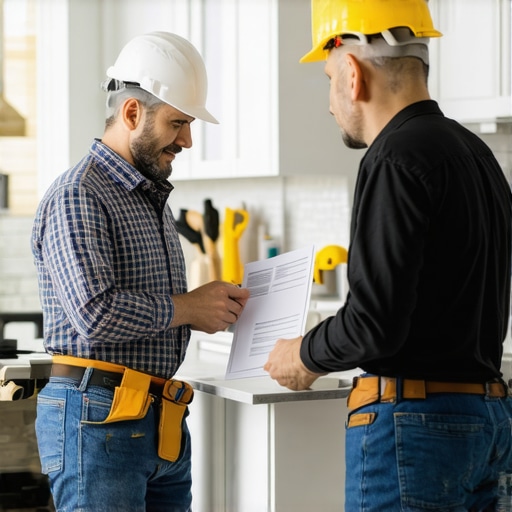
I remember the day I decided to remodel my kitchen. Everything was excitement—new cabinets, shiny appliances, a fresh new look. But soon, I found myself tangled in a web of worries about my warranties, wondering if all my efforts would be worth it when something went wrong. It was a lightbulb moment for me that protecting my appliance warranty wasn’t just about buying coverage; it required proactive steps during the remodel. Have you ever faced that anxiety—thinking, “Will this void my warranty?” or “Am I doing something that could ruin my warranty benefits?” Well, you’re not alone, and I’m here to share what I’ve learned firsthand.
Understanding Why Your Warranty Might Be at Risk During a Remodel
When I started my kitchen upgrade, I underestimated how many little mistakes could threaten my warranty coverage. For example, I didn’t realize how crucial proper installation and following manufacturer guidelines are. Early on, I made the mistake of thinking that basic DIY adjustments wouldn’t matter. Turns out, even small modifications or improper setup can void warranties, especially when it comes to appliances like dishwashers and refrigerators.
According to industry experts, nearly 20% of warranty claims are denied because of installation errors or neglecting warranty rules (source: Home Appliance Warranty Guide). That’s a surprisingly high number, and it underscores why being vigilant during your remodel is essential. Protecting your warranty isn’t just about the paperwork; it’s about understanding what voids it and avoiding those pitfalls.
Are you worried about whether your contractor or installer knows these critical rules? If so, you’re not alone, and it’s exactly why I plan to walk you through the most common mistakes and how to avoid them. By doing so, you can ensure that your warranties stay intact and your appliances remain protected, even amidst the chaos of a remodel.
This is where proper planning and awareness come into play. Let’s start by examining the biggest risks and how to sidestep them, so you don’t find yourself facing unexpected repair costs or denied warranty claims after the fact.
Verify Manufacturer Guidelines Before Starting
Before breaking ground on your remodel, take the time to review your appliance’s manufacturer instructions. I learned this the hard way when I overlooked specific setup rules and subsequently faced a denied warranty claim after a minor issue. To avoid this, locate the official manual or manufacturer’s website and download the latest installation and maintenance guidelines. This step ensures you know precisely what is required for warranty validity and prevents costly mistakes.
Choose Certified Professionals for Installation
Hiring a certified technician is critical. I once hired a handyman who was eager but unqualified, leading to improper installation of my dishwasher. Not only did I have to redo the work, but I also risked voiding my warranty. Make sure your contractor is accredited by the manufacturer or recognized industry certifying bodies. Always request proof of certification, and confirm that they follow the recommended installation procedures, such as proper plumbing and electrical connections.
Document Every Step and Keep Records
Record all interactions, receipts, and warranties related to your appliances. I kept detailed photos during each installation phase, which proved invaluable when I needed to contest a warranty denial due to alleged incorrect setup. Save digital copies of manuals, receipts, and communications. This documentation can serve as proof of proper installation and adherence to warranty policies if disputes arise.
Avoid Unauthorized Modifications
Resist the temptation to DIY complex repairs or modifications without consulting the manufacturer. I once attempted to adjust my refrigerator’s temperature sensor, disregarding warranty rules, and it resulted in voided coverage. Check for hidden rules that can trip you up. Always consult a professional before performing any alterations, especially those that involve internal components or electrical wiring.
Inspect and Maintain Appliances Regularly
Routine checks help identify issues early and prevent warranty violations. During my remodel, I scheduled quick inspections for my oven and washer, ensuring they function correctly and meet warranty standards. For example, proper venting and load sizes are common pitfalls. Learn how to perform basic maintenance and address small problems promptly. I recommend reviewing tips on avoiding overloads and other maintenance practices.
Be Careful with Cleaning and Repairs During the Remodel
Protect delicate surfaces and avoid accidental damage. I accidentally scratched my stove top with a tool, which, though minor, almost voided my warranty. It’s essential to use appropriate cleaning tools and avoid applying force during cleaning or repairs. Consult your manual for approved cleaning products and techniques, and if in doubt, defer to professional cleaning or repairs to preserve warranty coverage.
Coordinate with Your Installer for Final Checks
Before signing off, have the technician verify that all appliances are installed correctly according to specifications. This includes ensuring proper ventilation, load placement, and electrical connections. My installer performed a comprehensive check, which saved me future headaches. Remember, a thorough final inspection can catch issues that might threaten your warranty—don’t skip this step.
Many homeowners assume that requesting a same-day service for appliance repairs or installations guarantees quick fixes and warranty safety. However, this common belief masks nuanced pitfalls that even seasoned DIYers and professionals often overlook. Let’s dive into these misconceptions and reveal the advanced traps that could cost you more than expected.
Why Instant Service Might Not Save Your Warranty in the Long Run
Contrary to popular opinions, rushed repairs or installations performed under tight time constraints can inadvertently void warranties. For example, hurriedly installing a dryer without confirming proper venting or electrical connections can lead to setup faults, risking warranty denial. According to appliance industry experts, nearly 25% of warranty claims are rejected because of improper installation, even when services are completed promptly (source: Home Appliance Warranty Guide).
Another misconception is that same-day service always covers internal component malfunctions. In reality, quick fixes might only address surface issues, leaving underlying problems unresolved, which could reoccur and void warranty coverage. Always ensure that technicians conduct comprehensive diagnostics when fixing appliance issues, not just superficial repairs.
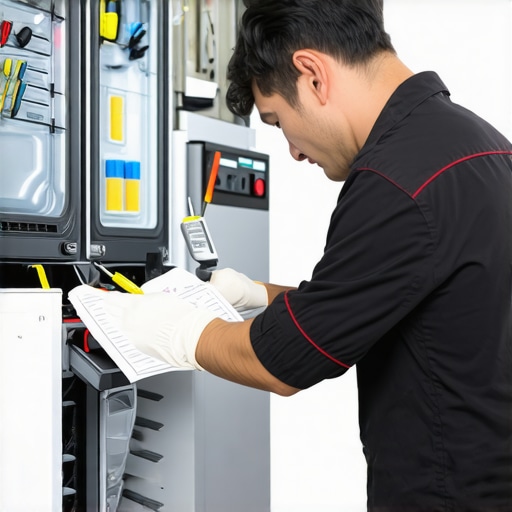
Proactive troubleshooting and thorough diagnostics are key to safeguarding your warranty, especially during urgent repairs. Rushing can lead to oversight and future costs.
Be Wary of the Oops Factors: Common Mistakes During Fast Repairs
One prevalent mistake involves neglecting to adhere to manufacturer setup rules during rapid installations. Skipping steps like verifying proper load levels or seal checks can create conditions that void warranties. For instance, failing to perform a proper drain hose loop or ignoring improper sealing around doors often results in water leaks, which may not be covered if deemed user error.
Another common trap is making unauthorized modifications under the guise of urgency. DIY adjustments or internal component tweaks without professional input can render warranties invalid. For example, attempting to fix a microwave’s grinding noise yourself might unknowingly breach warranty terms, especially if it involves internal parts.
Before rushing into a repair, consult your appliance’s warranty rules thoroughly. Many manufacturers specify exact procedures and restrictions—ignoring these details is a silent warranty killer. To stay on safe ground, always verify your setup against hidden warranty rules and avoid shortcuts that seem harmless but have long-term consequences.
Advanced Question: How can I ensure my urgent repairs won’t void my warranty?
To navigate the fine line between quick service and warranty protection, focus on choosing certified technicians who follow manufacturer guidelines meticulously. Request proof of certification and ensure they document each step. Maintaining detailed records—photos, receipts, and service reports—can provide invaluable evidence in case of disputes. Furthermore, familiarizing yourself with specific setup rules, like proper load sizes for washers, can prevent unintentional violations.
Remember, proactive communication with your service provider about warranty conditions and verification of their procedures can make all the difference. As I’ve experienced firsthand, time-efficient repairs are vital, but missing the nuances could cost you dearly. Don’t fall into the trap of assuming instant service equals guaranteed warranty safety—because, in reality, the devil is in the details. Have you ever fallen into this trap? Let me know in the comments.Maintaining your appliances over time requires more than just occasional check-ups; it demands the right tools and methods to ensure longevity and performance. One of my go-to items is a digital multimeter, which I use daily to verify electrical connections when troubleshooting issues like a dishwasher that won’t start or an AC blowing warm air. Having a reliable multimeter allows me to perform quick diagnostics, identify faulty wiring, and determine if a component is functioning properly before calling a technician. I prefer models like the Fluke 117, known for its precision and durability, ensuring I get accurate readings without guesswork.
Another indispensable tool is an infrared thermometer. During routine inspections, I use it to check the temperature variances on appliances such as refrigerators or ovens. Spotting uneven cooling or overheating early can prevent major breakdowns and voided warranties. Personally, I swear by the Klein Tools IR Thermometer because it provides instant readings and has a clear laser indicator for targeting specific spots.
For appliance filters and small parts, I rely heavily on a magnetic parts retriever and a set of precision screwdrivers. These tools make minor repairs or filter replacements smooth, saving time and avoiding damage. When performing longer-term maintenance, I always keep a high-quality, labeled toolkit organized in a portable case, ensuring I have everything from wire strippers to torque wrenches at hand.
Software and apps also play a role in ongoing maintenance. I use diagnostic apps linked to smart appliances, which alert me to potential issues before they escalate. For example, many modern refrigerators and washing machines offer remote diagnostics, allowing me to assess problems without invasive checks—saving both time and warranty validity.
Looking toward the future, I predict that digital diagnostics combined with AI-powered monitoring will become standard, making maintenance even smarter and more predictive. This evolution will help homeowners avoid costly repairs and extend appliance life significantly.
**How do I keep my appliances working smoothly over time?** The key lies in routine inspections with the right tools, proactive diagnostics, and timely repairs. Regularly checking electrical connections with a multimeter or temperature variances with an infrared thermometer can prevent small issues from turning into expensive failures. Additionally, staying informed through manufacturer updates and professional tutorials helps me stay ahead of potential warranty issues.
Don’t forget, consistent maintenance not only preserves your warranty but also ensures appliances operate efficiently and safely. If you haven’t yet adopted these tools into your routine, I highly recommend starting with a good multimeter and infrared thermometer—they are game-changers. Try incorporating regular diagnostics into your maintenance schedule today, and enjoy the peace of mind that comes with keeping your appliances in top shape.
What I Wish I Knew About Fast Repairs and Warranty Safety
One of the most eye-opening lessons I learned was that rushing through appliance repairs during a remodel can unknowingly jeopardize my warranty. I used to think that quick fixes meant everything was covered, but I discovered that improper installation or neglecting specific manufacturer instructions can void warranties even when the repair is done in a hurry. This realization taught me to prioritize proper procedures over speed, ensuring my appliances remained protected.
I also realized that not all certified technicians are equal. Choosing professionals who strictly adhere to manufacturer guidelines and document their work can make all the difference. Their meticulous approach safeguards your warranty and prevents costly disputes down the line. Furthermore, keeping detailed records of every repair, adjustment, and inspection became my secret weapon. Photos, receipts, and service reports provided irrefutable proof that I followed all necessary protocols, helping me avoid denial of coverage when issues arose.
Lastly, I understood the importance of understanding your warranty rules thoroughly. Neglecting hidden clauses or specific restrictions often results in unforeseen expenses. Taking the time to familiarize myself with these nuances has saved me from countless headaches and out-of-pocket costs, especially during urgent situations where time is of the essence but compliance remains critical.