
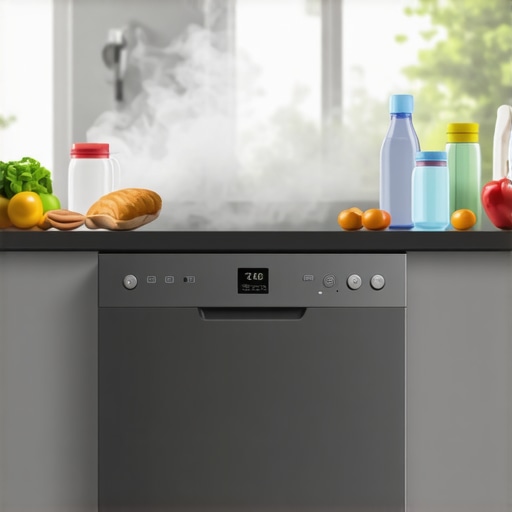
It was a typical Saturday morning when I finally started loading the dishwasher after forgetting about it for hours. Suddenly, I caught a whiff of something burning—an unusual, alarming smell that made my stomach tighten. Turns out, that burning plastic odor wasn’t just my imagination; it was a clear sign that something was seriously amiss with my appliance. Like many homeowners, I initially dismissed it as a minor issue, but I quickly learned that ignoring strange smells from your dishwasher can lead to costly repairs—or worse.
Don’t Ignore That Smell: Why Your Dishwasher Might Be Burning Plastic
Is That Burning Plastic Just a Blip, or Is It Serious?
Early mistakes can lead to bigger problems down the line. I vividly remember thinking, “It’s probably just a weird smell from last night’s plastic wrap or food debris.” But I was wrong. That seemingly harmless odor was a warning sign—an early indicator of underlying issues like overheating components or melted parts—that needed immediate attention. If you’re facing this problem, you’re not alone. Many homeowners have been in your shoes, wondering whether that smell is serious enough to call in a professional or if they can fix it themselves.
A common mistake I made early on was dismissing my intuition and delaying action. Ignoring strange odors can cause damage to your appliance’s internal wiring or heating elements, which only amplifies repair costs. According to appliance repair experts, burning plastic smells are often linked to electrical or mechanical failures that can pose safety hazards if left unaddressed. For a broader look into how small issues can spiral into expensive repairs, check out [this guide on appliance warranties and common pitfalls](https://discountappliancehub.com/4-new-2026-rules-for-valid-appliance-warranty-claims).
Knowing what to look out for and acting swiftly can save you a lot of money and stress. But before diving into repairs, it’s crucial to understand the core reasons behind this distressing smell. Next, I’ll walk you through the typical causes, so you can identify whether it’s a minor fix or something that requires a professional touch. Are you ready to troubleshoot and restore peace of mind in your kitchen? Let’s go.
Isolate the Source of the Odor
Start by unplugging the dishwasher to ensure safety. Remove the lower panels to access internal components, just like opening a hood on a car to inspect the engine. Check for any melted plastic or debris, which might be creating the smell. Remember, a messy approach can overlook hidden problems, so be meticulous. I once faced this when I found a melted plastic bag lodged near the heating element, causing a strong burning smell. Clearing such debris is often the first quick fix.
Inspect and Test Heating Elements
Heating elements are common culprits. Use a multimeter to test for continuity; a broken or shorted element can overheat and cause plastic to melt. If you find a defective element, replace it following manufacturer instructions. Think of the heating element as the oven’s coil; if it’s faulty, your dishwasher can’t regulate temperature properly. I replaced mine following a step-by-step guide, which was straightforward but required careful handling of electrical connections.
Check for Melted or Burned Components
Look for any visible signs of melting or carbon deposits on plastic parts, wiring, or other internal parts. Use a flashlight; sometimes, damage is subtle. If wiring looks burnt or frayed, it may cause shorts leading to burning odor. In my case, I discovered a melted wire connector, which I replaced instantly to prevent further issues. Always ensure replacements match the original specifications to avoid warranty voids, as explained in this guide.
Test the Thermostats and Sensors
Malfunctioning thermostats can overheat parts, leading to plastic melting. Use multimeters to verify their operation. If they’re faulty, replacing them ensures safe operation. I learned this the hard way when a faulty thermostat caused the heating cycle to overrun, resulting in burnt smell. Always disconnect power before testing or handling, and follow safety protocols carefully.
Assess the Control Board
The control board manages the dishwasher’s functions. Inspect for burnt components or damaged circuits. If the board is damaged, replacing it might be necessary, which can be a DIY task if you’re comfortable with electronics, or better left to professionals. I once attempted a replacement, following a detailed tutorial; it saved me money but required precision to avoid further damage.
Consider Professional Help for Complex Repairs
Some issues—like damaged wiring harnesses or control boards—are best handled by certified technicians. Call a trusted appliance repair service, emphasizing the urgency to prevent further damage. Explain symptoms clearly, referencing steps you’ve already taken, to expedite diagnosis and repair. Look for providers that offer same-day service during urgent situations. My experience with a local pro saved me from dismantling the entire dishwasher, which I was unqualified to handle safely.
Prevent Future Odors and Damage
Regular maintenance includes cleaning filters, inspecting the spray arms, and avoiding plastic debris in the wash cycle. Use high-quality detergents and run cleaning cycles periodically. Install a surge protector, per this guide, to protect the electronics from power surges that could damage sensitive parts. Proper installation and maintenance prolong appliance life and reduce repair costs.
Many homeowners approach appliance repair with a set of misconceptions that can lead to costly mistakes. While it’s common to assume that warranties cover all repairs if something goes wrong, the reality is far more nuanced. For example, voiding your dishwasher warranty might be as simple as ignoring installation guidelines, such as improperly routing the drain hose, which can cause leaks and void eligibility. According to industry experts, understanding the fine print in your warranty policy can save you from unexpected expenses. Additionally, many believe that same-day service is always available, but availability often depends on your location and the repair provider’s schedule, making it crucial to confirm appointments proactively. Recognizing these hidden nuances can make a significant difference in maintaining your appliance’s longevity and warranty validity. Be cautious about DIY repairs—overconfidence can backfire if subtle issues are overlooked. For instance, attempting to replace a control board without proper diagnostic steps may not only fail to resolve the problem but also invalidate your warranty, especially if the repair violates manufacturer guidelines. Think about installation—was it done correctly? Poor setup can cause ongoing issues that are unfairly attributed to manufacturing defects, leading to warranty denials. To avoid this, always verify that professionals follow manufacturer specifications, such as proper leveling for washers, which is detailed in guides like this. Moreover, believe it or not, many people underestimate the importance of surge protection. Power surges—common during storms or electrical grid fluctuations—can damage sensitive electronics in modern appliances, yet warranties often exclude damage caused by external power issues. Protect your investments by incorporating trusted surge protectors, as recommended in detailed rules here. What’s the most common myth you’ve fallen for regarding appliance warranty or repair? Remember, thoroughly reading your warranty documents and understanding theManufacturer’s fine print is essential—don’t let simple oversights lead to costly failures. Being aware of these hidden details empowers you to make smarter repair decisions and avoid pitfalls like voided warranties or unexpected charges. For more advanced advice on ensuring your repairs are warranty-safe, explore our related guides, such as the importance of proper installation or how to handle urgent repair needs effectively.
Tools I Recommend for Lifelong Appliance Care
Maintaining appliances requires precision and the right equipment. I personally swear by a high-quality multimeter like the Fluke 117, because it provides accurate readings essential for troubleshooting components like heating elements and thermostats. Investing in a reliable digital torque wrench ensures you tighten connections appropriately without over-stressing parts, which can be crucial during installations or repairs. For cleaning and preventive maintenance, a specialized brush set designed for appliance components, such as the OXO Good Grips Set, helps remove debris from spray arms or filters effectively.
My toolkit also includes a smartphone-based infrared thermometer, allowing me to spot overheating parts quickly—saving time and preventing damage. When working on wiring, a set of insulated screwdrivers ensures safety and precision. Remember, having the right tools not only streamlines repairs but also minimizes accidental damage, extending your appliance’s lifespan.
Long-Term Results through Consistent Care
Regular maintenance with proper tools leads to better performance and fewer emergencies. For example, routinely inspecting and cleaning filters and spray arms can prevent clogs and reduce wear. Using a water pressure gauge helps ensure your dishwasher or ice maker operates within recommended settings—consistent with the advice found in this detailed repair guide.
Adopting a scheduled maintenance routine—such as bi-annual check-ups with your multimeter and cleaning brushes—can dramatically cut repair costs over years. Additionally, upgrading older components with newer, more efficient parts as recommended by manufacturers can keep appliances running smoothly longer and help maintain warranties.
Where Do You See Appliance Care Heading?
As technology evolves, I predict that smart diagnostic tools integrated with apps will become standard—allowing homeowners to track appliance health remotely. Already, some brands offer predictive maintenance alerts, and I believe this trend will continue to grow, making DIY troubleshooting more accessible and effective.
How do I Maintain Appliances Over Time?
Consistent upkeep is key. Regularly check and replace filters, inspect wiring for wear, and use diagnostic tools to monitor internal temperatures and electrical continuity. For complex components like control boards, consulting professional technicians who follow strict repair protocols—like those outlined in these regulations—ensures repairs don’t void warranties. Don’t underestimate the power of a good maintenance schedule in avoiding costly breakdowns.
Try setting a reminder every few months to perform a quick check with your multimeter or clean essential parts. This proactive approach not only extends your appliance’s life but also preserves your warranty status, especially if you ensure proper installation and protection, like using surge protectors during power surges. For detailed guidance, see this article. Don’t wait until a breakdown forces costly repairs—start integrating these tools and habits today for a seamless appliance experience.
Three Surprising Truths About Appliance Repairs I Had to Learn the Hard Way
First, never underestimate the importance of proper installation; a small oversight can void your warranty and lead to costly repairs. Second, trust your instincts—if you smell burning plastic, address it immediately before it becomes a safety hazard. Third, routine maintenance and the right tools can save you both time and money, turning you into your own repair advocate instead of a helpless bystander.
Tools and Resources That Changed My Repair Game
My essential toolkit includes a precision multimeter like the Fluke 117, which offers accurate diagnostics—trust me, accuracy makes all the difference. I also rely on a quality water pressure gauge to ensure optimal operation, and a set of insulated screwdrivers for safe, precise work. For guidance, I highly recommend reading detailed repair guides from trusted sources, and always double-check your warranty’s fine print to avoid accidentally voiding coverage. These resources empower you to handle repairs confidently and protect your investments.
Remember, You’re Not Alone in This Journey
Taking charge of appliance maintenance might seem daunting at first, but with the right knowledge and tools, you can extend your dishwasher’s life and secure its warranty. Every small step you take today—whether it’s inspecting a heating element or regularly cleaning filters—builds toward a future of reliability and peace of mind. So, don’t wait for a big problem to act; start applying these insights now and watch your appliance care improve dramatically.
What’s the one repair tip you wish you had known earlier? Share your story below—your experience could help someone else avoid costly mistakes and get more value from their appliances.