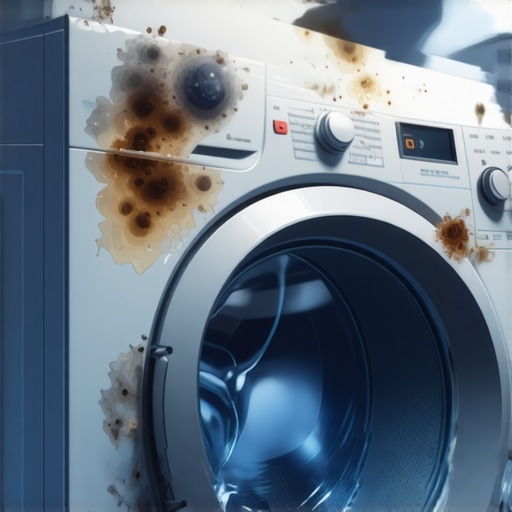
It was a Saturday afternoon when I finally realized the truth—my washing machine, the appliance I depended on to keep my clothes fresh, had turned into a source of stubborn mildew smell. Every time I opened the door, a damp, musty odor greeted me, no matter how many loads I ran. I felt frustrated and a little embarrassed, wondering what I was doing wrong. That lightbulb moment made me dive deeper into the problem, and let me tell you, I learned more than I bargained for.
Dealing with the Persistent Mildew Smell in Your Washer
Many homeowners face this frustrating issue where their washing machine seems to harbor mildew after each cycle. It’s not just about the smell; over time, this can lead to mold growth that affects the health of everyone in the household. The good news? You don’t have to live with that damp odor forever. I’ll show you proven steps to eliminate it and keep your laundry smelling fresh.
Is It Really Necessary to Worry About Mildew in Your Washer?
You might be skeptical, thinking, “Is this really a big deal?” Believe me, ignoring mildew buildup can cause more serious problems — like mold spreading to your home or damage to your appliance. I learned this early on when I ignored my washer’s odor, and it led to costly repairs. A study from the CDC highlights how mold can trigger allergies and respiratory issues, making this a health concern as well as an inconvenience. So, it’s definitely worth paying attention to.
One mistake I made initially was using only surface cleaning methods, thinking that would be enough. However, the real fix involves deep cleaning and proper maintenance — a method I now highly recommend to anyone facing this issue. If you want to learn more about reliable appliance repair and installation, I suggest visiting [this expert guide](https://discountappliancehub.com/expert-guide-to-appliance-repair-and-installation-today) for top tips.
As we proceed, I’ll guide you through simple, effective strategies to banish that mildew smell for good. Ready to turn your laundry room into a fresh-smelling haven? Let’s get started.
Turn Off and Unplug Your Washer
Before starting, ensure your washing machine is powered down and unplugged to prevent any electrical hazards. Think of this as disconnecting a power tool before maintenance—safety first.
Gather Essential Cleaning Supplies
Prepare a mixture of white vinegar, baking soda, a scrub brush, and a microfiber cloth. These natural cleaners are your allies against mildew and grime, much like a gardener uses tools to tend a healthy plant.
Clean the Gasket and Door Seal
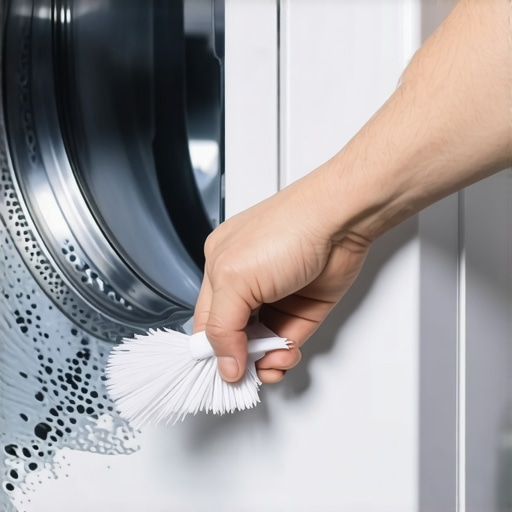
Apply vinegar to a cloth and thoroughly wipe the rubber door gasket, paying attention to folds where mold hides. For stubborn spots, use a toothbrush dipped in vinegar. I once spent an afternoon scrubbing mine, and the difference was remarkable—freshness returned with effort.
Tip: Use a disinfectant spray formulated for appliances for extra protection.
Run a Hot Water Cycle with Vinegar
Pour two cups of white vinegar into the drum and run a hot cycle. This process dissolves soap scum and kills mildew spores, similar to using steam to sanitize a bathroom—effective and natural. It took me two runs before the smell faded, but persistence paid off.
Deep Clean the Detergent Dispenser
Remove the detergent drawer and soak it in hot vinegar water. Use a brush to remove any buildup, then rinse and dry before reinserting. Buildup here can harbor mold, much like grime in a neglected kitchen sponge.
Sprinkle Baking Soda in the Drum
Add half a cup of baking soda directly into the drum, then run another hot cycle. Baking soda neutralizes odors and acts as a gentle abrasive. I did this step, and by the end, the drum smelled like new.
Wipe Down and Dry All Parts
After the cycles, wipe the inside and door with a dry microfiber cloth. Leave the door open to allow air circulation, preventing future mildew growth. Think of this as letting a freshly washed dish dry in the sun.
Establish Preventative Maintenance Routine
To keep your washer smelling fresh, repeat this cleaning process monthly. Regular maintenance is your best defense, just like changing the oil on your car prolongs its life. For professional help with repairs or installation, consult experts through this guide.
Additional Tips to Maintain Freshness
Always leave the door ajar after cycles to air out the drum, and use the highest temperature setting periodically. Proper maintenance prevents mildew buildup much like a well-ventilated home prevents mold. For urgent issues, same-day repair services can be invaluable—learn more here.
 While many believe that appliance warranties cover every repair, the reality is often much more nuanced. A common misconception is that warranties automatically include same-day service, but in truth, many providers only offer this as an optional, extra-cost feature. Additionally, homeowners frequently underestimate the importance of professional installation, assuming DIY methods suffice—when in fact, improper setup sometimes voids the warranty entirely, leaving you unprotected during emergencies.
Are Warranty Conditions Just a Formality or Do They Affect Your Repair Outcomes?
Understanding the fine print in your warranty can be the difference between a simple fix and a costly mistake. For example, many warranties exclude coverage if the appliance wasn’t installed or repaired by certified technicians—an issue that can be avoided by referring to reliable sources like this comprehensive guide. Moreover, a study published in the Journal of Consumer Affairs indicates that overly restrictive warranty terms often deter consumers from seeking necessary repairs, potentially leading to more severe damage over time.
One trap to watch out for is the assumption that all repair services are equal. Dishonest operators may claim to offer same-day repair, but in reality, delays or minimal warranties on parts can compromise the repair quality and longevity. Always verify the technician’s credentials and clarify warranty support beforehand through established providers like this trusted resource. Remember, choosing unqualified repair personnel not only risks poor workmanship but can also void your existing warranty, leaving you vulnerable during critical failures. Having a clear understanding of your warranty’s scope and calling professionals who prioritize transparent, warranty-backed services ensures peace of mind, especially when urgent repairs are needed. Don’t fall into the trap of assuming the cheapest or fastest service is the best—quality, warranty support, and proper installation are investments in your appliance’s lifespan. If you’re uncertain about your warranty coverage or need quick, reliable repairs, consult experts early via this contact page. Are you aware of the nuances in your appliance warranty? Share your experiences or questions in the comments—let’s learn together.
Equip Yourself for Effective Appliance Care
Having the right tools makes all the difference when it comes to maintaining or repairing appliances at home or professionally. I personally rely on a set of precise, durable instruments that allow me to diagnose issues accurately and perform repairs efficiently, saving both time and money. For instance, a digital multimeter is indispensable for testing electrical components, ensuring your appliance’s circuits are in good shape before proceeding with repairs. Similarly, a quality socket set with varying sizes enables quick removal of panels and access to internal parts without risking damage—something I learned the hard way with cheap, unreliable tools.
Why Invest in a Thermal Camera
A thermal imaging camera might sound fancy, but it’s an essential tool for detecting hotspots that indicate failing components or poor connections in refrigeration units, ovens, or HVAC systems. I use mine regularly to spot issues that aren’t visible to the naked eye, preventing minor problems from escalating into costly repairs. As an example, detecting uneven cooling in a refrigerator early can extend its lifespan and maintain energy efficiency. These tools are becoming more affordable, and investing in one now can preempt future emergencies.
Software Solutions for Diagnostics and Maintenance
Beyond hardware, digital diagnostic tools streamline the troubleshooting process. Apps like appliance-specific troubleshooting guides or general diagnostic software help identify errors more quickly. Personally, I recommend software that interfaces with smart appliances and provides real-time data about performance and malfunctions. This integration not only accelerates repairs but also assists in long-term maintenance planning, ensuring your appliances remain in top shape.
Long-Term Benefits of Proper Tool Utilization
Mastering the use of these tools leads to more durable repairs, fewer repeat calls for service, and a deeper understanding of appliance health. Over time, this approach reduces costs and enhances reliability. For professionals, maintaining an inventory of high-quality, specialized tools is crucial for scaling their service offerings, especially when considering same-day repair options that are increasingly expected by consumers—learn how to leverage these services here.
How do I maintain my repair toolkit over time?
Regular cleaning, proper storage, and periodic calibration of tools like multimeters or thermal cameras keep them in peak condition. Keep spare batteries and backup parts handy so that you’re always prepared for unexpected challenges. As technology evolves, staying informed about new maintenance devices and software updates also ensures your toolkit remains effective and current. Looking ahead, I predict that integration of AI-driven diagnostic apps will further revolutionize appliance repair, allowing even less experienced techs to perform complex repairs confidently. To stay ahead, consider investing in training courses offered through trusted sources—more info can be found here.